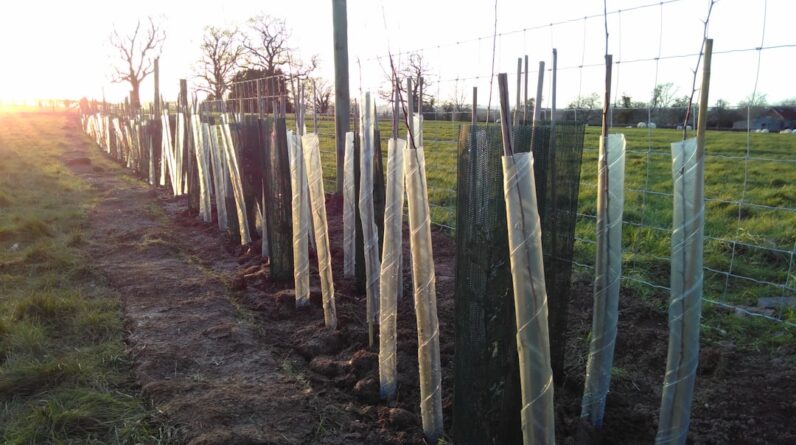
As you delve into the intricate tapestry of nature, it becomes increasingly clear that every thread is interconnected. The web of life encompasses not just individual species but entire ecosystems, each playing a vital role in maintaining the balance of our planet. When you consider the importance of restoring this web, you recognize that it is not merely about saving a few endangered species or rehabilitating a damaged landscape; it is about revitalizing the very foundation upon which all life depends.
The health of our ecosystems directly influences air quality, water availability, and even climate regulation, making restoration efforts essential for both environmental and human well-being. Restoring the entire web of life means acknowledging the complex relationships between organisms and their environments. You may find it fascinating to learn that a single tree can support hundreds of species, from insects to birds, all of which contribute to the ecosystem’s overall health.
When you restore these relationships, you are not just bringing back individual species; you are fostering resilience and adaptability within ecosystems. This holistic approach ensures that ecosystems can withstand environmental changes and continue to provide essential services, such as pollination, nutrient cycling, and carbon sequestration.
Key Takeaways
- Restoring the entire web of life is crucial for maintaining the balance and health of ecosystems.
- Biodiversity plays a key role in ecosystem restoration by providing resilience and stability to the environment.
- Soil health and microbial diversity are essential for restoring the fertility and productivity of ecosystems.
- Reintroducing native species is important for restoring the natural balance and functioning of ecosystems.
- Addressing the impact of climate change is crucial for the long-term success of ecosystem restoration efforts.
The Role of Biodiversity in Ecosystem Restoration
Biodiversity is often described as the variety of life on Earth, encompassing the diversity of species, genetic variations, and the ecosystems they form. As you explore the role of biodiversity in ecosystem restoration, you will discover that it is a cornerstone of ecological health. High levels of biodiversity enhance ecosystem productivity and stability, allowing systems to recover more quickly from disturbances.
When you engage in restoration efforts, prioritizing biodiversity can lead to more resilient ecosystems that can better adapt to changing conditions. You might be surprised to learn that diverse ecosystems are often more efficient at utilizing resources. For instance, a variety of plant species can capture sunlight and nutrients more effectively than monocultures.
This efficiency translates into healthier soils and more robust food webs. By focusing on restoring biodiversity, you are not only improving the resilience of ecosystems but also enhancing their ability to provide essential services to humanity. The more diverse an ecosystem is, the better it can support life in all its forms, including your own.
Restoring Soil Health and Microbial Diversity

Soil health is a critical component of ecosystem restoration that often goes overlooked. As you consider the importance of soil, remember that it is not just dirt; it is a living entity teeming with microorganisms that play essential roles in nutrient cycling and plant growth. When you restore soil health, you are essentially revitalizing the foundation of terrestrial ecosystems.
Healthy soils support diverse plant life, which in turn provides habitat and food for various organisms. Microbial diversity is particularly crucial in this context. You may find it interesting that a single teaspoon of healthy soil can contain billions of microorganisms, each contributing to soil fertility and structure.
By promoting practices such as cover cropping, reduced tillage, and organic amendments, you can enhance microbial diversity and improve soil health. This restoration process not only benefits plants but also helps sequester carbon, mitigate erosion, and improve water retention—factors that are increasingly important in a changing climate.
Reintroducing Native Species to Restore Balance
The reintroduction of native species is a powerful tool in ecosystem restoration. As you explore this concept, consider how native species have evolved alongside their ecosystems for thousands of years, developing intricate relationships with other organisms. When you reintroduce these species, you help restore natural balance and function within ecosystems that may have been disrupted by invasive species or human activities.
You might be surprised to learn that native species often have specific roles that non-native species cannot fulfill. For example, certain plants may be essential for local pollinators or provide food for native herbivores. By focusing on reintroducing native species, you are not only enhancing biodiversity but also ensuring that ecosystems can thrive in their natural state.
This process often leads to a cascade of positive effects throughout the ecosystem, ultimately benefiting all forms of life.
Addressing the Impact of Climate Change on Ecosystems
Climate change poses one of the most significant threats to ecosystems worldwide. As you consider its impact, think about how rising temperatures, altered precipitation patterns, and extreme weather events can disrupt delicate ecological balances. Addressing these challenges requires a proactive approach to ecosystem restoration that takes climate change into account.
You may find it essential to focus on building resilience within ecosystems so they can adapt to changing conditions. One effective strategy is to enhance connectivity between habitats. By creating wildlife corridors and preserving natural landscapes, you allow species to migrate in response to climate shifts.
This connectivity not only supports biodiversity but also helps maintain ecosystem functions that are vital for human survival. As you engage in restoration efforts, consider how your actions can contribute to mitigating the impacts of climate change on local ecosystems.
Restoring Aquatic Ecosystems and Waterways

Aquatic ecosystems are among the most vulnerable to human activities and climate change. As you explore the importance of restoring these environments, think about how healthy waterways support not only aquatic life but also terrestrial ecosystems and human communities. Restoring rivers, lakes, and wetlands can improve water quality, enhance biodiversity, and provide critical habitats for countless species.
You may find it enlightening to learn about the role of wetlands in flood control and water filtration. By restoring these vital ecosystems, you can help mitigate flooding risks while improving water quality for surrounding communities. Additionally, healthy aquatic ecosystems contribute to recreational opportunities and economic benefits through fishing and tourism.
As you engage in restoration projects focused on waterways, remember that your efforts can have far-reaching impacts on both nature and society.
Engaging Communities in Ecosystem Restoration Efforts
Community engagement is a crucial aspect of successful ecosystem restoration initiatives. As you consider how to involve local communities in these efforts, think about the importance of fostering a sense of ownership and stewardship over natural resources. When communities are actively involved in restoration projects, they are more likely to understand the value of healthy ecosystems and commit to their long-term preservation.
You might find it beneficial to organize workshops or educational programs that highlight the importance of local ecosystems and the role individuals can play in their restoration. By empowering community members with knowledge and skills, you create a network of advocates who can champion conservation efforts in their own neighborhoods. Collaborative projects that involve schools, local organizations, and government agencies can amplify your impact and foster a culture of sustainability within communities.
The Benefits of Restoring the Entire Web of Life for Human Well-being
Restoring the entire web of life offers numerous benefits for human well-being that extend beyond environmental health. As you reflect on these advantages, consider how healthy ecosystems contribute to physical health by providing clean air and water, nutritious food sources, and spaces for recreation and relaxation. The psychological benefits of spending time in nature are well-documented; engaging with restored environments can reduce stress and improve overall mental health.
Moreover, restoring ecosystems can have significant economic benefits as well. Healthy environments support industries such as agriculture, tourism, and fisheries while reducing costs associated with pollution management and disaster recovery. By investing in ecosystem restoration, you are not only safeguarding biodiversity but also enhancing quality of life for current and future generations.
Ultimately, recognizing the interconnectedness of all life forms will inspire you to take action toward restoring the web of life for the benefit of humanity as a whole.
If you are interested in learning more about how reforestation can help the environment, check out this article on how reforestation helps the environment. It delves into the various ways in which planting trees can have a positive impact on our planet. Additionally, you may also want to read about the importance of preventing floods through massive tree planting in this article on preventing floods by massive tree planting. Both of these articles provide valuable insights into the benefits of reforestation and the crucial role it plays in restoring the balance of our ecosystem.
FAQs
What is the web of life?
The web of life refers to the interconnectedness of all living organisms and their environments. It encompasses the relationships and dependencies between different species and their habitats.
Why is it important to restore the entire web of life?
Restoring the entire web of life is important for maintaining biodiversity, ecosystem balance, and the overall health of the planet. It helps to ensure the survival of various species and the sustainability of natural resources.
What are some examples of restoring the entire web of life?
Examples of restoring the entire web of life include reforestation efforts, habitat restoration for endangered species, and conservation initiatives to protect ecosystems and their inhabitants.
How does restoring the entire web of life benefit humans?
Restoring the entire web of life benefits humans by providing essential ecosystem services such as clean air and water, fertile soil for agriculture, and natural resources for food and medicine. It also contributes to the overall well-being and resilience of communities.