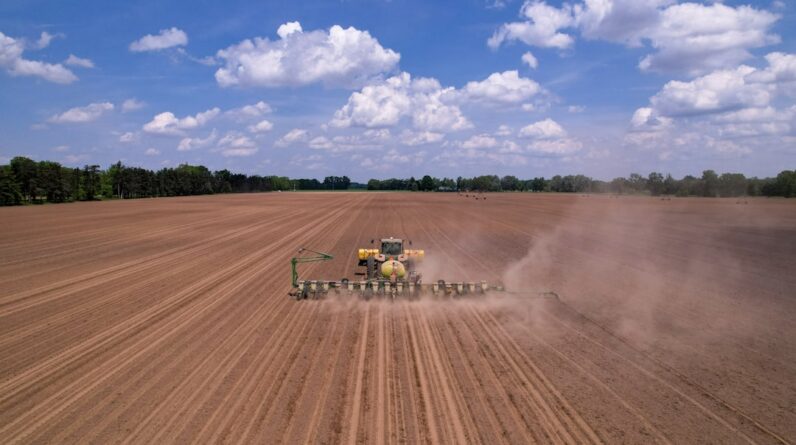
In an era where climate change poses a significant threat to ecosystems and human livelihoods, the importance of innovation in reforestation cannot be overstated. You may find yourself reflecting on the role forests play in maintaining biodiversity, regulating the climate, and providing resources for countless species, including humans. As deforestation continues to accelerate due to urbanization, agriculture, and industrial activities, innovative approaches to reforestation are essential for restoring these vital ecosystems.
By embracing new ideas and technologies, you can contribute to a more sustainable future, ensuring that forests can thrive for generations to come. Moreover, innovation in reforestation is not just about planting trees; it encompasses a holistic approach that includes understanding the ecological dynamics of forest systems. You might consider how traditional methods of reforestation often fall short in addressing the complexities of modern environmental challenges.
Innovative practices can help you tackle issues such as soil degradation, invasive species, and climate resilience. By integrating scientific research with community engagement and technological advancements, you can foster a more effective and adaptive reforestation strategy that meets the needs of both nature and society.
Key Takeaways
- Innovation is crucial for successful reforestation efforts, as it allows for the development of new techniques, technologies, and partnerships to address the challenges of deforestation and climate change.
- Technological advancements, such as drones and satellite imaging, are revolutionizing reforestation efforts by providing more accurate data and enabling targeted planting and monitoring of trees.
- Innovative reforestation techniques, such as assisted natural regeneration and agroforestry, are proving to be effective in restoring degraded landscapes and promoting biodiversity.
- Data and analytics play a key role in reforestation innovation by providing insights into the best planting locations, monitoring tree growth, and assessing the impact of reforestation efforts.
- Collaborative partnerships between governments, NGOs, and private sector organizations are essential for driving innovation in reforestation and scaling up efforts to combat deforestation and climate change.
Technological Advancements in Reforestation Efforts
As you delve into the realm of reforestation, it becomes clear that technological advancements are revolutionizing how you approach tree planting and forest restoration. Drones, for instance, have emerged as powerful tools for mapping landscapes and identifying areas in need of reforestation. With their ability to cover vast areas quickly and efficiently, drones enable you to gather critical data on soil conditions, vegetation types, and potential planting sites.
This information is invaluable for making informed decisions about where and how to plant trees, ultimately increasing the success rate of reforestation efforts. In addition to drones, you may also encounter innovative seed delivery systems that utilize aerial seeding techniques. These systems allow you to disperse seeds over large areas with precision, ensuring that they reach suitable locations for germination.
This method not only saves time and labor but also minimizes the disturbance to existing ecosystems. Furthermore, advancements in seed technology, such as seed coatings that enhance germination rates or protect against pests, are making it easier for you to establish healthy forests in challenging environments. By harnessing these technological advancements, you can significantly enhance the efficiency and effectiveness of your reforestation initiatives.
Innovative Reforestation Techniques and Practices
As you explore innovative reforestation techniques, you may discover a variety of practices that challenge conventional wisdom. One such technique is agroforestry, which integrates trees into agricultural landscapes. This approach not only helps restore degraded land but also provides farmers with additional income through timber and non-timber forest products.
By adopting agroforestry practices, you can create a win-win situation where both agricultural productivity and forest health are enhanced. Another innovative practice gaining traction is the use of native species in reforestation efforts. You might realize that planting native trees is crucial for restoring local ecosystems and supporting biodiversity.
Native species are better adapted to local conditions and provide habitat for indigenous wildlife. By focusing on native reforestation, you can help ensure that the restored forests are resilient to climate change and other environmental stressors. Additionally, community involvement in selecting and planting native species fosters a sense of ownership and stewardship among local populations, further enhancing the success of your reforestation projects.
Role of Data and Analytics in Reforestation Innovation
In today’s data-driven world, the role of data and analytics in reforestation innovation is becoming increasingly prominent. You may find that leveraging data allows you to make more informed decisions about where to focus your reforestation efforts. Geographic Information Systems (GIS) and remote sensing technologies enable you to analyze land use patterns, assess forest cover changes, and identify areas most in need of restoration.
By utilizing these tools, you can prioritize your resources effectively and maximize the impact of your initiatives. Moreover, data analytics can help you monitor the progress of your reforestation projects over time. By collecting data on tree growth rates, survival rates, and biodiversity indicators, you can evaluate the success of your efforts and make necessary adjustments.
This iterative process not only enhances your understanding of what works best in different contexts but also allows you to share valuable insights with other practitioners in the field. As you embrace data-driven approaches, you can contribute to a growing body of knowledge that informs future reforestation strategies.
Collaborative Partnerships and Innovation in Reforestation
Collaboration is at the heart of successful reforestation initiatives. You may recognize that no single organization or entity can tackle the challenges of deforestation alone. By forming partnerships with governments, non-profits, local communities, and private sector stakeholders, you can pool resources, share expertise, and amplify your impact.
Collaborative efforts often lead to innovative solutions that address complex environmental issues while fostering social equity. In addition to traditional partnerships, you might explore how cross-sector collaborations can drive innovation in reforestation. For example, engaging with technology companies can lead to the development of new tools for monitoring forest health or improving seed delivery methods.
Similarly, working with local communities ensures that reforestation efforts are culturally appropriate and aligned with local needs. By fostering a spirit of collaboration and inclusivity, you can create a more resilient framework for reforestation that benefits both people and the planet.
Sustainable Materials and Technology in Reforestation
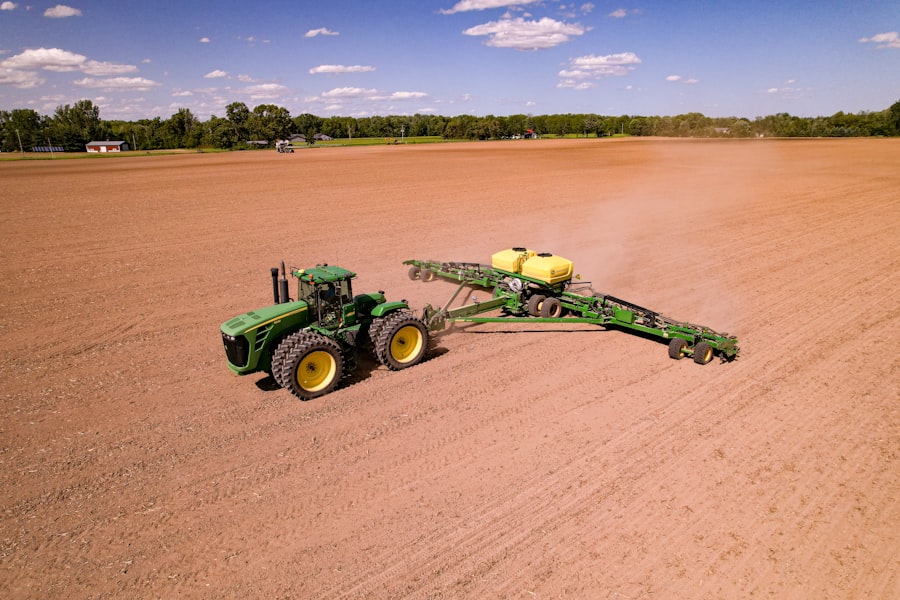
As you consider the materials used in reforestation efforts, sustainability should be a guiding principle. You may find that utilizing eco-friendly materials not only reduces environmental impact but also enhances the overall success of your projects. For instance, biodegradable seed pods made from natural materials can protect seeds during their initial growth phase while minimizing waste.
These innovative solutions allow you to establish healthy forests without contributing to plastic pollution or other environmental concerns. Furthermore, advancements in sustainable technology are paving the way for more efficient reforestation practices. You might explore how renewable energy sources are being integrated into tree planting operations, reducing reliance on fossil fuels and lowering carbon footprints.
Additionally, innovations in water conservation techniques—such as rainwater harvesting or drip irrigation—can help ensure that newly planted trees receive adequate moisture without straining local water resources. By prioritizing sustainable materials and technologies in your reforestation efforts, you can contribute to a greener future while promoting ecological balance.
Policy and Regulation Innovations for Reforestation
The role of policy and regulation in fostering innovation in reforestation cannot be overlooked. You may recognize that supportive policies can create an enabling environment for innovative practices to flourish. Governments around the world are beginning to implement regulations that incentivize sustainable land management practices and promote reforestation initiatives.
By advocating for policies that prioritize forest conservation and restoration, you can help shape a future where innovation thrives. Moreover, innovative financing mechanisms are emerging as powerful tools for supporting reforestation efforts. You might explore concepts such as carbon credits or payment for ecosystem services (PES), which provide financial incentives for landowners to engage in sustainable practices.
These mechanisms not only encourage reforestation but also create economic opportunities for local communities. By engaging with policymakers and advocating for innovative regulatory frameworks, you can play a crucial role in driving positive change within the realm of reforestation.
Future Trends and Challenges in Reforestation Innovation
As you look ahead to the future of reforestation innovation, several trends are likely to shape the landscape of forest restoration efforts. One emerging trend is the increasing recognition of the importance of urban forestry. You may find that cities are beginning to prioritize green spaces as essential components of urban planning.
This shift presents opportunities for innovative reforestation practices within urban environments, enhancing air quality, reducing heat islands, and improving overall quality of life. However, challenges remain on the horizon as well. Climate change continues to pose significant threats to forest ecosystems worldwide.
You might consider how shifting weather patterns could impact tree survival rates or alter species distributions. Additionally, funding constraints may limit the ability of organizations to implement large-scale reforestation projects effectively. By staying informed about these trends and challenges, you can better prepare yourself to adapt your strategies and continue making meaningful contributions to global reforestation efforts.
In conclusion, innovation plays a pivotal role in advancing reforestation initiatives that address pressing environmental challenges while promoting sustainability and resilience. By embracing technological advancements, fostering collaborative partnerships, prioritizing sustainable materials, advocating for supportive policies, and remaining aware of future trends and challenges, you can contribute significantly to restoring our planet’s vital forests. Your commitment to innovation in reforestation will not only benefit ecosystems but also enhance the well-being of communities around the world.
In a related article on combatting global warming through massive tree planting, it discusses the importance of reforestation efforts in mitigating climate change. The article highlights the positive impact that planting trees can have on reducing carbon dioxide levels in the atmosphere and restoring ecosystems. To learn more about the benefits of reforestation and its role in combating global warming, check out this article.
FAQs
What is the role of innovation in modern reforestation efforts?
Innovation plays a crucial role in modern reforestation efforts by introducing new technologies and techniques to improve the efficiency and effectiveness of reforestation projects.
How does innovation contribute to sustainable reforestation practices?
Innovation contributes to sustainable reforestation practices by developing methods for monitoring and managing reforestation projects, as well as creating new approaches for planting and nurturing trees in diverse ecosystems.
What are some examples of innovative technologies used in reforestation efforts?
Examples of innovative technologies used in reforestation efforts include drone technology for aerial seeding, biodegradable seed pods for planting, and advanced GIS mapping for site selection and planning.
How does innovation help in addressing challenges in reforestation projects?
Innovation helps in addressing challenges in reforestation projects by providing solutions for issues such as seedling survival rates, soil erosion, and invasive species management through the development of new tools and methods.
What role does research and development play in driving innovation in reforestation efforts?
Research and development play a significant role in driving innovation in reforestation efforts by fostering the discovery of new techniques, materials, and technologies that can enhance the success and sustainability of reforestation projects.