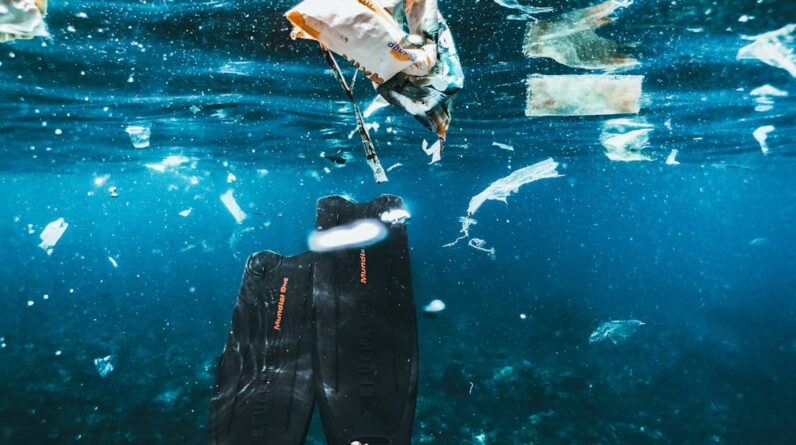
As you gaze out at the vast expanse of the ocean, it may seem like a serene and untouched paradise. However, beneath the surface lies a silent threat that is wreaking havoc on marine ecosystems and, ultimately, on human health. Microplastics, tiny plastic particles less than five millimeters in size, have infiltrated every corner of our oceans, from the surface waters to the deepest trenches.
This insidious form of pollution is not just an environmental issue; it is a complex problem that intertwines with economic, social, and health concerns. As you delve deeper into this pressing issue, you will uncover the shocking truth about microplastics and their far-reaching implications. The oceans cover more than 70% of our planet’s surface, serving as a vital resource for countless species and human communities alike.
They regulate climate, provide food, and support biodiversity. Yet, the increasing prevalence of microplastics poses a significant threat to these essential functions. As you explore the origins and impacts of microplastic pollution, you will come to understand why it is imperative to address this issue urgently.
The time for awareness and action is now, as the health of our oceans—and ultimately our own well-being—hangs in the balance.
Key Takeaways
- Microplastics are the number one ocean pollutant, posing a silent threat to marine life and ecosystems.
- Sources of microplastic pollution include synthetic clothing, plastic packaging, and microbeads in personal care products.
- Microplastics have a detrimental impact on marine life, from ingestion to entanglement, and disrupt ecosystems.
- Human health concerns related to microplastics include potential ingestion through seafood and water, and the release of harmful chemicals.
- Current efforts to combat microplastic pollution include bans on microbeads and the development of biodegradable alternatives, but more action is needed to address this urgent issue.
The Shocking Truth: Microplastics as the Number One Ocean Pollutant
You may be surprised to learn that microplastics have emerged as the number one pollutant in our oceans. Recent studies estimate that there are over 5 trillion pieces of plastic floating in the world’s oceans, with microplastics accounting for a significant portion of this staggering figure. These tiny particles originate from various sources, including the breakdown of larger plastic debris and the shedding of synthetic fibers from clothing during washing.
The sheer volume of microplastics in our oceans is alarming, and their pervasive presence raises serious questions about the health of marine ecosystems. What makes microplastics particularly concerning is their ability to absorb harmful chemicals from the surrounding water. As you consider this fact, it becomes clear that microplastics are not just passive pollutants; they actively contribute to the degradation of marine environments.
They can carry toxic substances such as pesticides and heavy metals, which can then enter the food chain when ingested by marine organisms. This cycle of pollution poses a significant risk not only to marine life but also to humans who rely on seafood as a source of nutrition.
The Sources of Microplastic Pollution: Where Does it Come From?
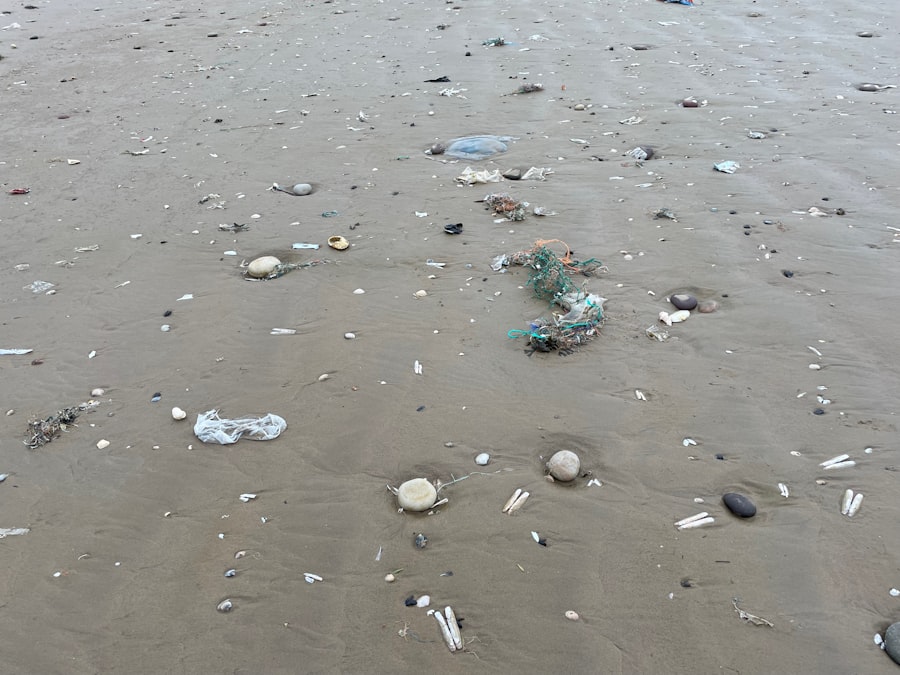
Understanding the sources of microplastic pollution is crucial for addressing this environmental crisis effectively. You might be surprised to learn that microplastics originate from both primary and secondary sources. Primary microplastics are manufactured small plastic particles used in products like cosmetics, personal care items, and industrial abrasives.
These tiny beads are often washed down the drain and end up in waterways, eventually making their way to the ocean. On the other hand, secondary microplastics result from the degradation of larger plastic items, such as bottles, bags, and containers. Over time, exposure to sunlight, wind, and water causes these plastics to break down into smaller fragments.
As you reflect on this process, it becomes evident that our reliance on single-use plastics plays a significant role in the proliferation of microplastics in marine environments. Additionally, synthetic textiles shed microfibers during washing, contributing further to this growing problem. The combination of these sources creates a perfect storm for microplastic pollution in our oceans.
The Impact of Microplastics on Marine Life and Ecosystems
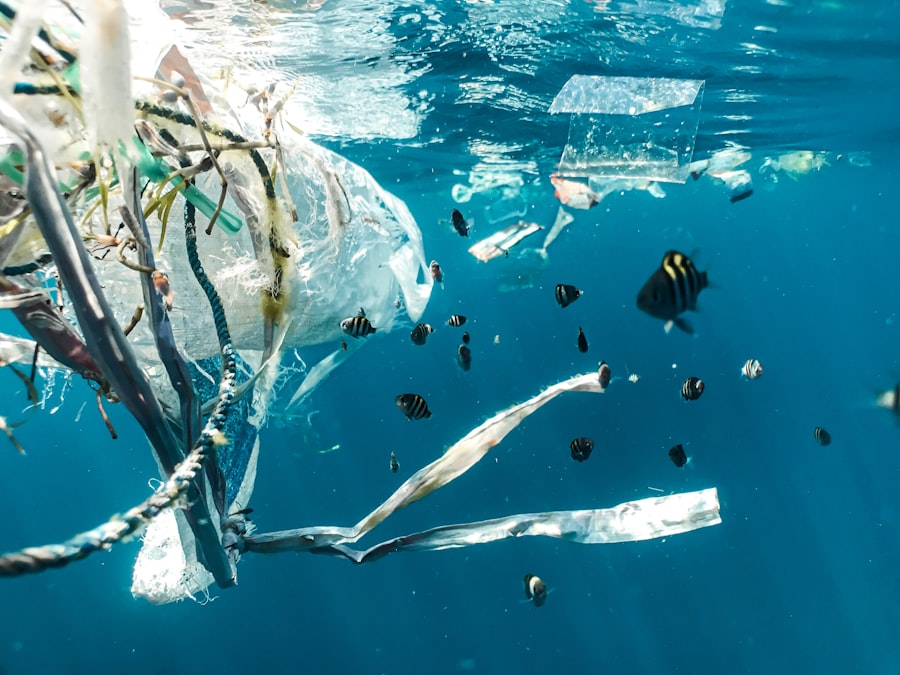
The impact of microplastics on marine life is profound and multifaceted. As you consider the various species that inhabit our oceans, it becomes clear that no organism is immune to the effects of microplastic pollution. Marine animals, from tiny plankton to large whales, can ingest these particles either directly or indirectly through their food sources.
This ingestion can lead to physical harm, such as blockages in the digestive system or malnutrition due to reduced food intake. Moreover, microplastics can disrupt the delicate balance of marine ecosystems. You may find it alarming that these particles can alter the behavior and reproductive success of certain species.
For instance, studies have shown that fish exposed to microplastics exhibit changes in feeding behavior and reduced reproductive rates. As these disruptions cascade through the food web, they can have far-reaching consequences for entire ecosystems. The loss of biodiversity and the decline of key species can ultimately threaten the stability of marine environments and the services they provide.
Human Health Concerns: How Microplastics Affect Us
While the impact of microplastics on marine life is concerning, it is essential to recognize that this issue also poses significant risks to human health. As you ponder this connection, consider how microplastics enter our food chain through seafood consumption. Fish and shellfish often ingest microplastics along with their natural prey, leading to potential accumulation in their tissues.
When you consume these seafood products, you may unknowingly be ingesting microplastics yourself. Research into the health effects of microplastics on humans is still in its infancy; however, preliminary studies suggest potential risks associated with exposure to these particles. You might be interested to know that some studies have linked microplastic ingestion to inflammation and other adverse health effects in laboratory animals.
Additionally, there are concerns about the toxic chemicals that microplastics can carry into our bodies. As you reflect on these findings, it becomes increasingly clear that addressing microplastic pollution is not just an environmental imperative but also a public health concern.
Current Efforts and Solutions to Combat Microplastic Pollution
In response to the growing crisis of microplastic pollution, various efforts are underway at local, national, and international levels to combat this issue. You may be encouraged to learn that many countries are implementing policies aimed at reducing plastic waste and promoting sustainable practices. For instance, some nations have banned single-use plastics or imposed taxes on plastic bags to discourage their use.
These legislative measures are crucial steps toward reducing the amount of plastic entering our oceans. In addition to policy changes, innovative solutions are being developed to address microplastic pollution directly. Researchers are exploring advanced filtration systems for wastewater treatment plants that can capture microplastics before they reach waterways.
You might also find it inspiring that organizations and volunteers are conducting beach cleanups and awareness campaigns to educate communities about the importance of reducing plastic consumption. These grassroots efforts play a vital role in fostering a culture of environmental stewardship and encouraging individuals to take action against plastic pollution.
What You Can Do to Help Reduce Microplastic Pollution
As an individual, you have the power to make a difference in the fight against microplastic pollution. You might start by making conscious choices about your consumption habits. Opting for reusable bags, bottles, and containers can significantly reduce your reliance on single-use plastics.
Additionally, consider supporting brands that prioritize sustainable practices and use eco-friendly materials in their products. Another impactful step you can take is to reduce your use of synthetic textiles. When shopping for clothing or household items, look for natural fibers like cotton or linen instead of polyester or nylon.
You may also want to invest in a microfiber filter for your washing machine to capture shedding fibers before they enter wastewater systems. By making these small changes in your daily life, you can contribute to a larger movement aimed at reducing microplastic pollution.
The Urgent Need for Awareness and Action: Why We Must Address Microplastic Pollution Now
The urgency of addressing microplastic pollution cannot be overstated. As you reflect on the information presented here, consider how interconnected our lives are with the health of our oceans. The longer we wait to tackle this issue, the more severe its consequences will become—not just for marine life but for humanity as well.
Raising awareness about microplastic pollution is essential for mobilizing collective action and driving meaningful change. You have a role to play in this movement by sharing what you’ve learned with others and advocating for policies that prioritize environmental protection. Engaging in conversations about plastic consumption and its impacts can inspire those around you to take action as well.
The time for complacency has passed; we must act decisively to protect our oceans and ensure a healthier planet for future generations. By working together and making informed choices today, we can combat microplastic pollution and safeguard our precious marine ecosystems for years to come.
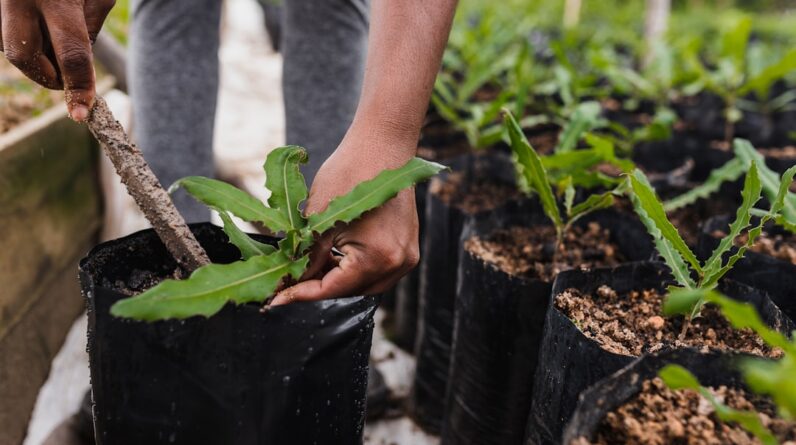
There is a related article on how reforestation helps the environment that discusses the importance of planting trees to combat deforestation and its positive impact on the environment. Just like the issue of ocean pollution, reforestation plays a crucial role in preserving our planet and mitigating the effects of climate change. Both articles highlight the urgent need for environmental conservation efforts to protect our natural resources for future generations.
FAQs
What is the #1 ocean pollutant that nobody is talking about?
The #1 ocean pollutant that nobody is talking about is microplastics. These are tiny pieces of plastic that are less than 5mm in size and are causing significant harm to marine life and ecosystems.
How do microplastics end up in the ocean?
Microplastics end up in the ocean through a variety of sources, including the breakdown of larger plastic items, microbeads in personal care products, and the shedding of synthetic fibers from clothing during washing.
What are the impacts of microplastics on marine life?
Microplastics can be ingested by marine animals, leading to physical harm, internal damage, and even death. They can also accumulate toxic chemicals and pollutants, which can then be transferred up the food chain.
What are the potential solutions to the problem of microplastic pollution in the ocean?
Potential solutions to the problem of microplastic pollution in the ocean include reducing the use of single-use plastics, improving waste management and recycling systems, and developing alternative materials that are biodegradable and less harmful to the environment.