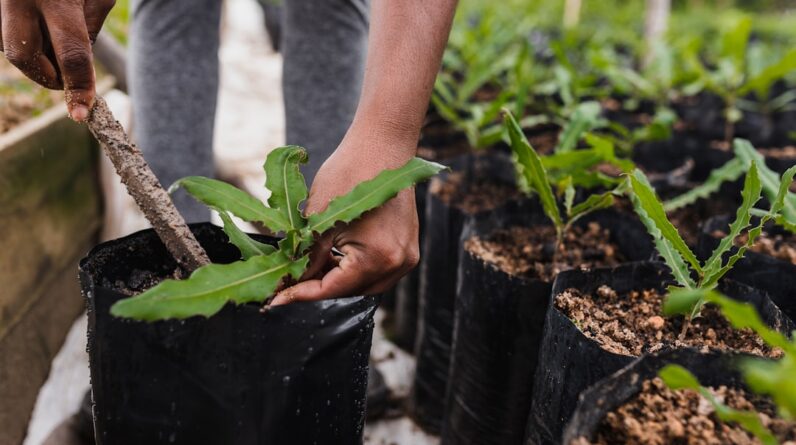
Reforestation is a vital process that involves the replanting of trees in areas where forests have been depleted. This practice not only aims to restore the natural beauty of landscapes but also plays a crucial role in enhancing soil fertility. As you delve into the intricate relationship between trees and soil health, you will discover how reforestation can serve as a powerful tool in combating soil degradation.
The importance of maintaining soil fertility cannot be overstated, as it is essential for agricultural productivity, ecosystem stability, and overall environmental health. When you consider the myriad benefits that trees provide, it becomes clear why reforestation is a priority for sustainable development. Trees contribute to the nutrient cycle, improve soil structure, and enhance water retention, all of which are critical for maintaining fertile soils.
By understanding the connection between reforestation and soil fertility, you can appreciate the broader implications of these efforts on climate change mitigation, biodiversity conservation, and food security. As you explore this topic further, you will uncover the various ways in which reforestation can rejuvenate degraded landscapes and promote healthier ecosystems.
Key Takeaways
- Reforestation plays a crucial role in restoring soil fertility by reversing the negative impact of deforestation.
- Tree species selection is important in building soil fertility, as different species have varying effects on soil composition and nutrient levels.
- Reforestation techniques such as agroforestry and afforestation can effectively improve soil fertility and prevent erosion.
- Reforestation not only benefits the environment but also has economic advantages, such as providing sustainable sources of timber and non-timber forest products.
- The future of reforestation is promising in building soil fertility and addressing the global issue of deforestation.
The Impact of Deforestation on Soil Fertility
Deforestation has far-reaching consequences that extend beyond the immediate loss of trees. When forests are cleared, the delicate balance of nutrients in the soil is disrupted, leading to a decline in soil fertility. You may notice that without the protective canopy of trees, soil becomes more susceptible to erosion, compaction, and nutrient leaching.
The absence of tree roots also means that there is less organic matter being added to the soil, which is essential for maintaining its structure and fertility. Moreover, deforestation can lead to increased temperatures and altered rainfall patterns, further exacerbating soil degradation. As you reflect on these impacts, it becomes evident that the loss of forest cover not only affects the land but also has cascading effects on local communities and wildlife.
The reduction in soil fertility can result in lower agricultural yields, threatening food security and livelihoods. Understanding these consequences highlights the urgent need for reforestation initiatives aimed at restoring both forests and the vital soils beneath them.
How Reforestation Can Restore Soil Fertility

Reforestation serves as a remedy for the adverse effects of deforestation by reintroducing trees that contribute to soil health. When you plant trees in previously deforested areas, you initiate a process that can lead to significant improvements in soil fertility over time. The roots of newly planted trees help to stabilize the soil, preventing erosion and promoting water retention.
As these trees grow, they also contribute organic matter through leaf litter and root decay, enriching the soil with essential nutrients. In addition to enhancing nutrient levels, reforestation can help restore the microbial communities that are crucial for soil health. You may find it fascinating that healthy soils are teeming with microorganisms that play a vital role in breaking down organic matter and cycling nutrients.
By reintroducing trees into degraded landscapes, you create an environment conducive to the revival of these beneficial organisms. This symbiotic relationship between trees and soil organisms ultimately leads to improved fertility and resilience against environmental stressors.
The Role of Tree Species in Building Soil Fertility
Not all tree species contribute equally to soil fertility; their impact can vary significantly based on their characteristics and growth habits. As you explore this aspect of reforestation, you will discover that certain species are particularly effective at enhancing soil health. For instance, nitrogen-fixing trees such as legumes have the unique ability to convert atmospheric nitrogen into forms that plants can use.
By incorporating these species into reforestation efforts, you can significantly boost the nutrient content of the soil. Furthermore, diverse tree species can create a more resilient ecosystem that supports various forms of life. When you plant a mix of native trees, you not only improve soil fertility but also promote biodiversity.
This diversity helps to create a balanced ecosystem where different species can thrive together, leading to healthier soils over time. As you consider the importance of selecting appropriate tree species for reforestation projects, remember that their contributions extend beyond just soil health; they also play a crucial role in fostering overall ecosystem resilience.
Reforestation Techniques for Improving Soil Fertility
Implementing effective reforestation techniques is essential for maximizing the benefits to soil fertility. You might find it interesting that various methods exist, each tailored to specific environmental conditions and goals. One common approach is agroforestry, which integrates trees with agricultural practices.
This technique allows farmers to benefit from both crops and timber while simultaneously improving soil health through increased organic matter and reduced erosion. Another technique worth exploring is assisted natural regeneration (ANR), which involves protecting and nurturing existing vegetation to promote natural regrowth. By allowing native species to flourish, you can enhance soil fertility without the need for extensive planting efforts.
This method not only saves resources but also encourages the recovery of local ecosystems. As you consider these techniques, think about how they can be adapted to suit different landscapes and community needs, ultimately leading to more sustainable reforestation outcomes.
The Importance of Reforestation in Erosion Control

Erosion is one of the most significant threats to soil fertility, and reforestation plays a critical role in mitigating this issue. When you plant trees in areas prone to erosion, their root systems help anchor the soil in place, reducing the risk of runoff and sediment loss. This stabilization is particularly important on slopes or in regions with heavy rainfall, where loose soil can easily wash away without vegetation cover.
In addition to preventing erosion, reforestation can help restore natural water cycles by improving infiltration rates and reducing surface runoff. As trees absorb water through their roots and release it back into the atmosphere through transpiration, they contribute to a more balanced hydrological cycle. This process not only benefits soil fertility but also supports local water sources and ecosystems.
By recognizing the importance of reforestation in erosion control, you can appreciate its role in maintaining healthy soils and sustainable landscapes.
The Economic and Environmental Benefits of Reforestation for Soil Fertility
The economic advantages of reforestation extend beyond immediate financial gains; they encompass long-term sustainability and resilience as well. When you invest in reforestation efforts aimed at improving soil fertility, you are essentially investing in the future productivity of agricultural lands. Healthier soils lead to higher crop yields, which can enhance food security and provide livelihoods for local communities.
Moreover, reforestation contributes to environmental benefits that are often overlooked in economic assessments. By restoring forests and improving soil fertility, you help sequester carbon dioxide from the atmosphere, mitigating climate change impacts. Additionally, healthier ecosystems support biodiversity and provide essential services such as clean water and air purification.
As you consider these multifaceted benefits, it becomes clear that reforestation is not just an environmental initiative; it is an investment in economic stability and ecological health.
The Future of Reforestation in Building Soil Fertility
As you reflect on the intricate relationship between reforestation and soil fertility, it becomes evident that this practice holds immense potential for addressing some of today’s most pressing environmental challenges. The restoration of forests not only enhances soil health but also contributes to climate resilience, biodiversity conservation, and sustainable livelihoods. Looking ahead, it is crucial to prioritize reforestation initiatives that are informed by scientific research and community engagement.
The future of reforestation lies in adopting innovative techniques and fostering collaboration among stakeholders at all levels. By embracing diverse tree species and implementing effective management practices, you can help ensure that reforestation efforts lead to lasting improvements in soil fertility. As we move forward into an era where environmental sustainability is paramount, your role in supporting reforestation initiatives will be vital for building healthier soils and thriving ecosystems for generations to come.
In a related article on Live Life with a Cause, the importance of planting trees for climate change is discussed. The article highlights the advantages of planting trees in combating climate change and emphasizes the positive impact that reforestation can have on the environment. To learn more about the benefits of planting trees for climate change, visit this article.
FAQs
What is reforestation?
Reforestation is the process of planting trees in areas where forests have been depleted or destroyed, with the goal of restoring the ecological balance and increasing forest cover.
How does reforestation help in building soil fertility?
Reforestation helps in building soil fertility by preventing soil erosion, increasing organic matter in the soil, and promoting the growth of beneficial microorganisms. The roots of trees also help in stabilizing the soil structure and preventing nutrient runoff.
What are the benefits of reforestation for soil fertility?
Reforestation can improve soil fertility by increasing nutrient cycling, enhancing water retention, and promoting the accumulation of organic matter in the soil. This can lead to improved soil structure, increased microbial activity, and overall healthier and more productive soils.
What are some reforestation techniques that can help in building soil fertility?
Some reforestation techniques that can help in building soil fertility include agroforestry, where trees are integrated with agricultural crops to improve soil health, and the use of nitrogen-fixing tree species that can enhance soil fertility through their symbiotic relationship with nitrogen-fixing bacteria.
How long does it take for reforestation to have an impact on soil fertility?
The impact of reforestation on soil fertility can vary depending on factors such as the type of trees planted, the soil conditions, and the local climate. In general, it can take several years to see significant improvements in soil fertility as a result of reforestation efforts.