
Carbon sequestration is a natural process that plays a crucial role in regulating the Earth’s climate. At its core, it involves the capture and storage of carbon dioxide (CO2) from the atmosphere, which is essential for mitigating the effects of climate change. You may find it fascinating that carbon sequestration occurs both naturally and artificially.
Natural processes include the absorption of CO2 by plants during photosynthesis, where they convert sunlight into energy while taking in carbon dioxide and releasing oxygen. This process not only helps to reduce atmospheric CO2 levels but also supports the growth of vegetation, which in turn contributes to biodiversity. In addition to natural methods, there are also technological approaches to carbon sequestration, such as carbon capture and storage (CCS).
This involves capturing CO2 emissions from industrial sources and storing them underground in geological formations. While both methods aim to reduce greenhouse gas concentrations in the atmosphere, understanding the natural processes, particularly those involving forests, is vital for developing effective strategies to combat climate change. As you delve deeper into this topic, you will discover how forests serve as one of the most significant natural carbon sinks on the planet.
Key Takeaways
- Carbon sequestration is the process of capturing and storing carbon dioxide to mitigate climate change.
- Forests play a crucial role in carbon sequestration by absorbing and storing large amounts of carbon dioxide.
- Long-term benefits of carbon sequestration in forests include reduced greenhouse gas emissions and improved air quality.
- Factors affecting carbon sequestration in forests include tree species, age, and density, as well as environmental conditions.
- Challenges and opportunities for enhancing carbon sequestration in forests include deforestation, forest degradation, and sustainable forest management practices.
The Role of Forests in Carbon Sequestration
Forests are often referred to as the lungs of our planet, and for good reason. They play an indispensable role in carbon sequestration by absorbing vast amounts of CO2 through photosynthesis. When you think about forests, envision the towering trees that not only provide shade and habitat for countless species but also act as powerful carbon sinks.
The biomass of trees—roots, trunks, branches, and leaves—stores significant quantities of carbon. In fact, it is estimated that forests absorb approximately 30% of global CO2 emissions each year, making them a critical component in the fight against climate change. Moreover, forests contribute to carbon sequestration not just through their living biomass but also through soil.
The organic matter in forest soils is rich in carbon, which is stored as decomposed plant material. When you walk through a forest, you may notice the rich, dark soil that supports a diverse ecosystem. This soil acts as a reservoir for carbon, sequestering it for years or even centuries.
The interplay between trees and soil creates a dynamic system that enhances the overall capacity of forests to sequester carbon, highlighting their importance in maintaining ecological balance and combating climate change.
Long-Term Benefits of Carbon Sequestration in Forests

The long-term benefits of carbon sequestration in forests extend beyond just mitigating climate change; they encompass a wide range of ecological, social, and economic advantages. By sequestering carbon, forests help to stabilize global temperatures, which is essential for maintaining biodiversity and ecosystem health. You may appreciate that healthy forests provide habitat for countless species, contributing to biodiversity conservation.
This biodiversity is not only vital for ecological resilience but also supports human livelihoods through resources such as timber, non-timber forest products, and recreational opportunities. In addition to ecological benefits, carbon sequestration in forests can have significant social implications. Communities that rely on forests for their livelihoods can experience improved economic stability as a result of sustainable forest management practices that prioritize carbon storage.
By investing in forest conservation and restoration efforts, you can help create job opportunities in areas such as ecotourism and sustainable forestry. Furthermore, these practices can enhance community resilience against climate-related challenges, ensuring that future generations can continue to benefit from the resources that forests provide.
Factors Affecting Carbon Sequestration in Forests
Several factors influence the capacity of forests to sequester carbon effectively. One of the most significant factors is forest age; older forests tend to store more carbon than younger ones due to their larger biomass and more developed root systems. As you explore different forest ecosystems, you may notice that mature forests have a complex structure with multiple layers of vegetation, which contributes to their overall carbon storage capacity.
However, it’s important to recognize that not all forests are created equal; various species of trees have different growth rates and carbon storage potentials. Climate conditions also play a crucial role in determining how much carbon forests can sequester. Temperature, precipitation patterns, and seasonal variations can all impact tree growth and health.
For instance, warmer temperatures may enhance growth rates in some regions but could also lead to increased stress from drought or pests in others. Additionally, disturbances such as wildfires or insect infestations can significantly affect a forest’s ability to sequester carbon by reducing biomass and altering soil composition. Understanding these factors is essential for developing effective management strategies aimed at maximizing carbon sequestration potential.
Challenges and Opportunities for Enhancing Carbon Sequestration in Forests
While the potential for enhancing carbon sequestration in forests is significant, several challenges must be addressed to realize this potential fully. Deforestation remains one of the most pressing issues; as you may know, when forests are cleared for agriculture or urban development, not only is the carbon stored in trees released back into the atmosphere, but the capacity for future carbon sequestration is also diminished. This cycle creates a feedback loop that exacerbates climate change and threatens biodiversity.
However, amidst these challenges lie numerous opportunities for enhancing carbon sequestration in forests. Reforestation and afforestation initiatives can help restore degraded lands and increase overall forest cover. You might find it encouraging that many organizations and governments are actively promoting tree-planting campaigns aimed at restoring ecosystems while simultaneously capturing atmospheric CO2.
Additionally, adopting sustainable forest management practices can improve forest health and resilience, allowing them to sequester more carbon over time. By supporting these initiatives and advocating for policies that prioritize forest conservation, you can contribute to a more sustainable future.
Forest Management Practices for Maximizing Carbon Sequestration
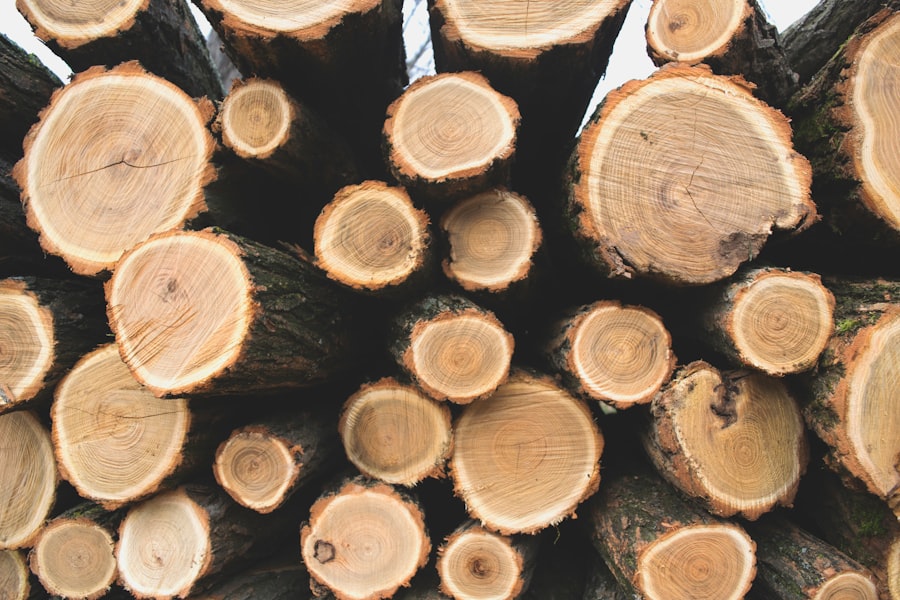
To maximize carbon sequestration in forests, effective management practices are essential. One approach is selective logging, which involves carefully choosing which trees to harvest while preserving the overall structure and health of the forest ecosystem. This method allows for continued growth and regeneration while minimizing disturbance to the surrounding environment.
As you consider the implications of logging practices on carbon storage, it becomes clear that sustainable forestry can strike a balance between economic needs and environmental stewardship. Another important practice is agroforestry, which integrates trees into agricultural landscapes. This approach not only enhances biodiversity but also improves soil health and increases carbon storage potential.
By incorporating trees into farming systems, you can create a more resilient agricultural landscape that benefits both farmers and the environment. Additionally, promoting natural regeneration—allowing forests to recover naturally after disturbances—can be an effective way to enhance carbon sequestration without extensive human intervention. These management practices highlight the importance of a holistic approach to forestry that prioritizes both ecological health and economic viability.
Economic and Environmental Impacts of Carbon Sequestration in Forests
The economic impacts of carbon sequestration in forests are multifaceted and can lead to significant benefits for local communities and economies. By investing in sustainable forest management practices that enhance carbon storage, you can create job opportunities in sectors such as forestry, conservation, and ecotourism. These jobs not only provide livelihoods but also foster a sense of stewardship among community members who recognize the value of preserving their natural resources.
On an environmental level, the benefits of carbon sequestration extend beyond climate mitigation. Healthy forests contribute to improved air quality by filtering pollutants and providing oxygen. They also play a vital role in water regulation by maintaining watershed health and reducing soil erosion.
As you reflect on these interconnected benefits, it becomes evident that prioritizing carbon sequestration in forest management can lead to healthier ecosystems that support both human well-being and biodiversity.
The Future of Carbon Sequestration in Forests
Looking ahead, the future of carbon sequestration in forests holds great promise but also requires concerted efforts from individuals, communities, governments, and organizations worldwide. As awareness of climate change continues to grow, there is an increasing recognition of the importance of preserving and restoring forests as a means of combating this global challenge. You may find it inspiring that many countries are setting ambitious targets for reforestation and sustainable land management practices as part of their commitments under international climate agreements.
Innovative technologies are also emerging that could enhance our ability to monitor and manage forest carbon stocks more effectively. Remote sensing technologies and data analytics can provide valuable insights into forest health and growth patterns, enabling more informed decision-making regarding conservation efforts. As you engage with this evolving field, consider how your actions—whether through advocacy, education, or personal choices—can contribute to a future where forests continue to thrive as vital allies in the fight against climate change.
By embracing sustainable practices and supporting initiatives aimed at enhancing carbon sequestration in forests, you can play an active role in shaping a healthier planet for generations to come.
A related article to “The Long Game: Carbon Sequestration Benefits Over a Forest’s Lifetime” discusses the importance of stopping forest burning to save trees and animals. Forest fires not only destroy trees but also displace and harm wildlife, leading to long-term ecological consequences. To learn more about the detrimental effects of forest burning and how we can prevent it, check out this article.
FAQs
What is carbon sequestration?
Carbon sequestration is the process of capturing and storing carbon dioxide from the atmosphere, typically through natural processes such as photosynthesis in plants or through technological methods like carbon capture and storage.
How do forests contribute to carbon sequestration?
Forests play a crucial role in carbon sequestration as trees absorb carbon dioxide during photosynthesis and store it in their biomass and in the soil. This helps to mitigate the effects of climate change by reducing the amount of carbon dioxide in the atmosphere.
What are the long-term benefits of carbon sequestration in forests?
The long-term benefits of carbon sequestration in forests include the continued removal of carbon dioxide from the atmosphere over the lifetime of the forest, which can help to mitigate climate change. Additionally, forests provide numerous ecosystem services and support biodiversity.
How does carbon sequestration in forests compare to other methods of carbon capture and storage?
Carbon sequestration in forests is a natural and cost-effective method of capturing and storing carbon dioxide, especially when compared to technological methods such as carbon capture and storage. Forests also provide additional benefits such as habitat for wildlife, recreational opportunities, and sustainable wood products.
What are some challenges to maintaining carbon sequestration benefits in forests over their lifetime?
Challenges to maintaining carbon sequestration benefits in forests include deforestation, forest degradation, and the impacts of climate change such as wildfires and insect infestations. Sustainable forest management practices and conservation efforts are essential for preserving the long-term carbon sequestration benefits of forests.