When you think about the sources of oxygen on Earth, your mind might immediately drift to lush forests or expansive grasslands. However, the oceans play an equally vital role in producing the oxygen that sustains life on our planet. Covering more than 70% of the Earth’s surface, oceans are not just vast bodies of water; they are dynamic ecosystems teeming with life.
It is estimated that the oceans contribute approximately 50% to 80% of the oxygen we breathe, primarily through the process of photosynthesis carried out by marine organisms. This staggering statistic underscores the oceans’ critical role in maintaining atmospheric balance and supporting life. The importance of oceans in oxygen production extends beyond mere numbers.
The health of our oceans directly influences global climate patterns, weather systems, and even the quality of air you breathe. As you navigate through your daily life, consider how interconnected these systems are. The oceans act as a massive carbon sink, absorbing carbon dioxide from the atmosphere and mitigating climate change effects.
This process not only helps regulate global temperatures but also ensures that oxygen levels remain stable, allowing life to flourish both in water and on land. Understanding this intricate relationship is essential for appreciating the oceans’ role in sustaining life on Earth.
Key Takeaways
- Oceans are crucial for oxygen production, providing over half of the world’s oxygen through phytoplankton photosynthesis.
- Phytoplankton play a key role in oxygen production, as they produce more oxygen than all the forests on land combined.
- Climate change is impacting ocean oxygen levels, leading to decreased oxygen production and potential harm to marine life.
- The health of the oceans is directly linked to oxygen levels, with pollution and overfishing contributing to oxygen depletion.
- Marine life relies on oxygen in the oceans, and decreasing oxygen levels can lead to mass die-offs and disruptions in the food chain.
- Human activities such as pollution and nutrient runoff are negatively impacting ocean oxygen levels, further exacerbating the issue.
- Decreasing ocean oxygen levels can have severe consequences, including the loss of biodiversity and the creation of dead zones.
- Strategies for protecting and restoring ocean oxygen levels include reducing pollution, implementing sustainable fishing practices, and creating marine protected areas.
The Role of Phytoplankton in Oxygen Production
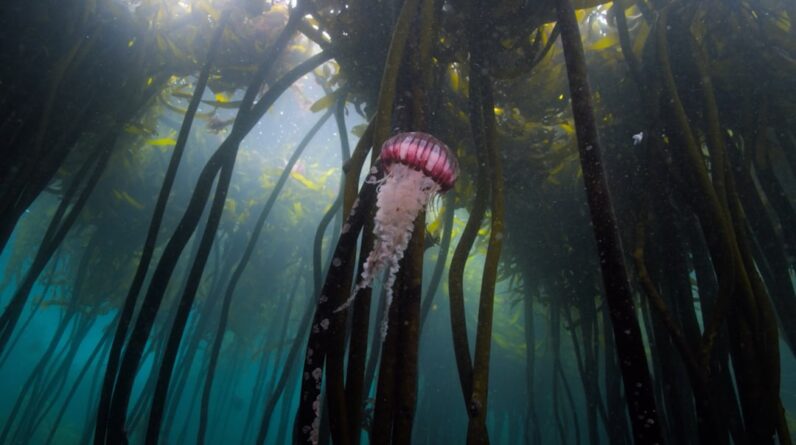
At the heart of oceanic oxygen production lies a group of microscopic organisms known as phytoplankton. These tiny, plant-like creatures are often overlooked, yet they are among the most crucial players in the Earth’s oxygen supply chain. Phytoplankton thrive in sunlit waters, where they harness sunlight to convert carbon dioxide and nutrients into energy through photosynthesis.
This process not only produces oxygen but also forms the foundation of the marine food web, supporting a diverse array of marine life. As you delve deeper into the world of phytoplankton, you’ll discover that their significance extends beyond oxygen production. These organisms are responsible for sequestering vast amounts of carbon dioxide, helping to mitigate climate change.
In fact, a single bloom of phytoplankton can produce enough oxygen to support entire ecosystems. Their ability to adapt to changing environmental conditions makes them resilient players in the ocean’s ecosystem. However, their survival is intricately linked to ocean health, making it imperative to understand how various factors impact their populations and, consequently, global oxygen levels.
The Impact of Climate Change on Ocean Oxygen Levels
Climate change poses a significant threat to ocean oxygen levels, and its effects are becoming increasingly evident. As global temperatures rise, ocean waters warm, leading to a phenomenon known as ocean deoxygenation. Warmer waters hold less dissolved oxygen, which can have dire consequences for marine life.
As you consider the implications of this warming trend, it’s essential to recognize that reduced oxygen levels can lead to hypoxic zones—areas where oxygen is so scarce that marine life struggles to survive. The impact of climate change on ocean oxygen levels is not just a distant concern; it is a pressing issue that affects ecosystems and communities worldwide. As you reflect on this reality, think about how changes in ocean chemistry can disrupt food chains and lead to the decline of fish populations that many communities rely on for sustenance.
The interconnectedness of climate change and ocean health highlights the urgency of addressing these challenges collectively. By understanding how climate change affects ocean oxygen levels, you can better appreciate the need for immediate action to protect these vital ecosystems.
The Connection Between Ocean Health and Oxygen Levels
The health of our oceans is intricately linked to their ability to produce and maintain adequate oxygen levels. Healthy oceans are characterized by diverse ecosystems that support a wide range of marine life, from coral reefs to open ocean habitats. When these ecosystems are thriving, they can effectively produce oxygen through photosynthesis and maintain balanced nutrient cycles.
However, when human activities disrupt these ecosystems—through pollution, overfishing, or habitat destruction—the consequences can be dire. As you explore this connection further, consider how pollution from land-based sources can lead to nutrient runoff that fuels harmful algal blooms. These blooms can deplete oxygen levels in surrounding waters, creating dead zones where marine life cannot survive.
The degradation of coral reefs due to climate change and ocean acidification also impacts oxygen production, as these ecosystems play a crucial role in supporting diverse marine species. By recognizing the link between ocean health and oxygen levels, you can better understand the importance of protecting marine environments for future generations.
The Relationship Between Marine Life and Oxygen in the Oceans
Marine life is intricately connected to the availability of oxygen in ocean waters. Fish, mammals, and other aquatic organisms rely on dissolved oxygen for survival; without it, their existence is threatened. As you consider this relationship, think about how various species have adapted to different oxygen levels in their environments.
Some fish thrive in well-oxygenated waters, while others have evolved to survive in low-oxygen conditions. This adaptability showcases the resilience of marine life but also highlights the fragility of these ecosystems. The decline in ocean oxygen levels poses a significant threat to marine biodiversity.
As you reflect on this issue, consider how species such as tuna and swordfish require high levels of dissolved oxygen for their metabolic processes. When oxygen levels drop due to factors like climate change or pollution, these species may migrate to find more suitable habitats or face population declines. The ripple effects of decreasing oxygen levels extend beyond individual species; entire ecosystems can be disrupted as predator-prey relationships shift and competition for resources intensifies.
Human Activities and Their Impact on Ocean Oxygen

Human activities have a profound impact on ocean oxygen levels, often leading to detrimental consequences for marine ecosystems. Industrial pollution, agricultural runoff, and urban development contribute to nutrient loading in coastal waters, resulting in harmful algal blooms that deplete oxygen levels. As you consider your own role in this equation, think about how everyday choices—such as water usage and waste disposal—can influence the health of our oceans.
Overfishing is another human activity that exacerbates the problem of declining ocean oxygen levels. When fish populations are depleted, the balance of marine ecosystems is disrupted, leading to changes in nutrient cycling and reduced oxygen production. Additionally, climate change driven by human activities is causing ocean temperatures to rise and altering circulation patterns that affect oxygen distribution in marine environments.
By understanding how your actions contribute to these challenges, you can take steps toward more sustainable practices that support ocean health.
The Consequences of Decreasing Ocean Oxygen Levels
The consequences of decreasing ocean oxygen levels are far-reaching and multifaceted. As you contemplate this issue, consider how hypoxic zones can lead to mass die-offs of marine life, disrupting entire ecosystems and threatening food security for communities that rely on fishing. The decline of commercially important species can have economic repercussions as well, impacting livelihoods and local economies dependent on healthy fish stocks.
Moreover, decreasing oxygen levels can exacerbate existing environmental challenges such as climate change and habitat degradation. As marine ecosystems struggle to adapt to low-oxygen conditions, their ability to sequester carbon diminishes, further contributing to global warming. This vicious cycle underscores the urgency of addressing declining ocean oxygen levels before they reach critical thresholds that could lead to irreversible damage.
Strategies for Protecting and Restoring Ocean Oxygen Levels
To combat the challenges posed by decreasing ocean oxygen levels, a multifaceted approach is necessary. As you consider potential strategies for protecting and restoring ocean health, think about the importance of reducing nutrient pollution through sustainable agricultural practices and improved waste management systems. Implementing buffer zones along coastlines can help filter runoff before it reaches the ocean, thereby reducing nutrient loading.
Additionally, supporting marine protected areas (MPAs) can play a crucial role in preserving biodiversity and promoting healthy ecosystems that produce adequate oxygen levels. By creating safe havens for marine life, MPAs allow populations to recover from overfishing and habitat destruction while enhancing overall ecosystem resilience. Engaging in community initiatives focused on ocean conservation can also empower individuals like yourself to make a difference at local levels.
In conclusion, understanding the importance of oceans in oxygen production is vital for appreciating their role in sustaining life on Earth. By recognizing the interconnectedness between ocean health and human activities, you can contribute to efforts aimed at protecting these invaluable ecosystems for future generations. Through collective action and informed choices, we can work towards restoring balance in our oceans and ensuring a sustainable future for all living beings.
If you are interested in learning more about the importance of preserving our environment and combating global warming, check out the article Stop Forest Burning: Save Trees and Animals. This article discusses the devastating effects of forest fires on our planet and the urgent need to protect our forests and wildlife. It is a great resource for those looking to make a positive impact and live life with a cause. Additionally, you may also be interested in reading Combatting Global Warming by Massive Tree Planting for more information on how planting trees can help mitigate the effects of climate change.
FAQs
What is the relationship between oceans and oxygen?
Oceans are the primary source of oxygen on Earth. Phytoplankton, algae, and other marine plants produce a significant amount of the world’s oxygen through photosynthesis.
How do oceans produce oxygen?
Marine plants, particularly phytoplankton, produce oxygen as a byproduct of photosynthesis. They use sunlight, carbon dioxide, and water to create energy, releasing oxygen in the process.
How much of the Earth’s oxygen comes from the oceans?
It is estimated that between 50-80% of the oxygen in the Earth’s atmosphere is produced by marine plants in the oceans.
Why are oceans crucial for maintaining oxygen levels in the atmosphere?
Oceans play a critical role in regulating the Earth’s oxygen levels. Without the oxygen produced by marine plants, the atmosphere would not have enough oxygen to support life as we know it.
What are the threats to the ocean’s ability to produce oxygen?
Climate change, ocean acidification, pollution, and overfishing are some of the major threats to the ocean’s ability to produce oxygen. These factors can disrupt marine ecosystems and reduce the productivity of marine plants.
How can we protect the ocean’s role in producing oxygen?
Protecting marine ecosystems, reducing carbon emissions, and implementing sustainable fishing practices are some of the ways to safeguard the ocean’s ability to produce oxygen. Conservation efforts and international cooperation are also crucial in preserving this vital relationship.