In an era where environmental concerns are at the forefront of global discourse, the concept of Corporate Ocean Heroes has emerged as a beacon of hope. These are businesses that not only recognize the critical state of our oceans but also take proactive steps to mitigate the damage caused by marine pollution. You may wonder what sets these companies apart from others in the corporate world.
The answer lies in their commitment to sustainability, innovation, and social responsibility. By integrating ocean conservation into their business models, they are not only contributing to a healthier planet but also setting a precedent for others to follow. As you delve deeper into the world of Corporate Ocean Heroes, you will discover that their efforts extend beyond mere compliance with environmental regulations.
These companies are pioneering initiatives that aim to restore marine ecosystems, reduce plastic waste, and promote sustainable practices across various industries. Their actions serve as a reminder that businesses can thrive while being stewards of the environment. By championing ocean health, they inspire consumers and other corporations alike to rethink their relationship with the planet and take meaningful action.
Key Takeaways
- Corporate Ocean Heroes are businesses that take action to combat marine pollution and promote sustainable practices.
- Marine pollution has a significant impact on the environment and economy, affecting marine life and coastal communities.
- Businesses like Adidas and 4ocean are taking action against marine pollution through initiatives like ocean plastic cleanup and sustainable product design.
- Innovative technologies such as ocean cleanup systems and biodegradable packaging are being developed to clean up the oceans and reduce plastic waste.
- Corporate responsibility and sustainable practices are essential for businesses to minimize their environmental impact and contribute to ocean conservation efforts.
The Impact of Marine Pollution on the Environment and Economy
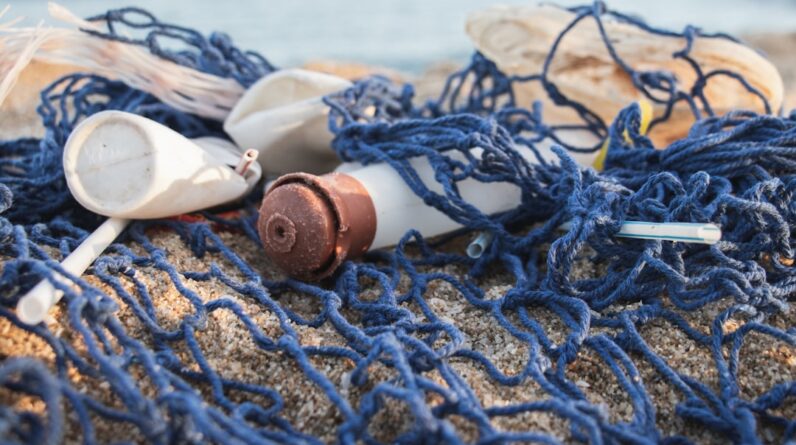
Marine pollution is a pressing issue that affects not only the health of our oceans but also the global economy. You may be surprised to learn that millions of tons of plastic waste enter the oceans each year, leading to devastating consequences for marine life and ecosystems. This pollution disrupts food chains, harms biodiversity, and contributes to the decline of vital habitats such as coral reefs.
As you consider the broader implications, it becomes clear that the degradation of marine environments can have far-reaching effects on human health and well-being. The economic ramifications of marine pollution are equally alarming. Industries such as fishing, tourism, and recreation suffer significant losses due to polluted waters and declining marine populations.
You might find it shocking that the fishing industry alone loses billions annually due to overfishing and pollution-related issues. Additionally, coastal communities that rely on tourism face challenges as polluted beaches deter visitors. The interconnectedness of environmental health and economic stability underscores the urgent need for businesses to take action against marine pollution.
Examples of Businesses Taking Action Against Marine Pollution
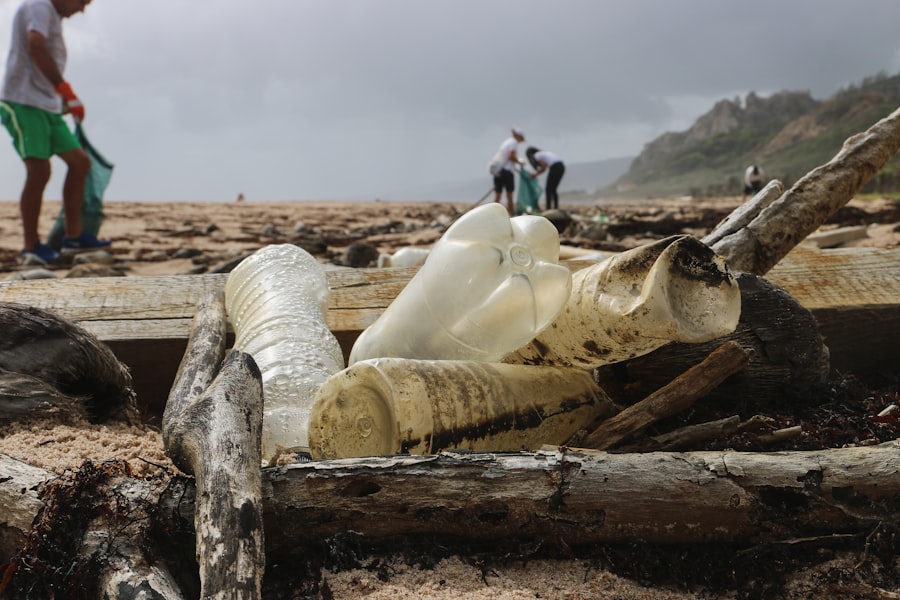
Across various sectors, numerous businesses have stepped up to combat marine pollution, demonstrating that corporate responsibility can go hand in hand with profitability. For instance, you may have heard about companies like Coca-Cola and Unilever, which have committed to reducing their plastic footprint significantly. These corporations are investing in sustainable packaging solutions and promoting recycling initiatives to minimize plastic waste entering our oceans.
Their efforts not only contribute to cleaner oceans but also resonate with consumers who increasingly prioritize sustainability in their purchasing decisions. Another inspiring example is Patagonia, an outdoor apparel company that has long been an advocate for environmental conservation. You might be interested to know that Patagonia donates a percentage of its profits to environmental causes, including ocean conservation efforts.
By aligning their business practices with their values, they have cultivated a loyal customer base that appreciates their commitment to protecting marine ecosystems. Such examples illustrate how businesses can lead by example and inspire others to join the fight against marine pollution.
Innovative Technologies and Solutions for Cleaning up the Oceans
As you explore the realm of ocean conservation, you’ll encounter a wave of innovative technologies designed to tackle marine pollution head-on. One notable advancement is the development of ocean-cleaning drones and autonomous vessels that can collect plastic waste from the water’s surface. These technologies leverage cutting-edge engineering and artificial intelligence to efficiently remove debris from our oceans, making a significant impact on pollution levels.
Moreover, you may find it fascinating that some companies are investing in biodegradable materials as alternatives to traditional plastics. These innovations not only reduce the amount of waste entering our oceans but also break down naturally over time, minimizing long-term environmental harm. As you consider these advancements, it becomes evident that technology plays a crucial role in addressing marine pollution and offers promising solutions for a cleaner future.
Corporate Responsibility and Sustainable Practices
Corporate responsibility is no longer just a buzzword; it has become an essential aspect of modern business practices. You may have noticed that consumers are increasingly demanding transparency and accountability from companies regarding their environmental impact. In response, many businesses are adopting sustainable practices that prioritize ocean health and environmental stewardship.
This shift is not merely a trend; it reflects a growing recognition that long-term success is intertwined with ecological well-being. By implementing sustainable practices such as reducing energy consumption, minimizing waste, and sourcing materials responsibly, companies can significantly reduce their environmental footprint. You might be intrigued to learn that some organizations are even adopting circular economy models, where products are designed for reuse and recycling rather than disposal.
This approach not only benefits the environment but also enhances brand loyalty among consumers who value sustainability.
Collaboration and Partnerships with Non-Profit Organizations and Governments
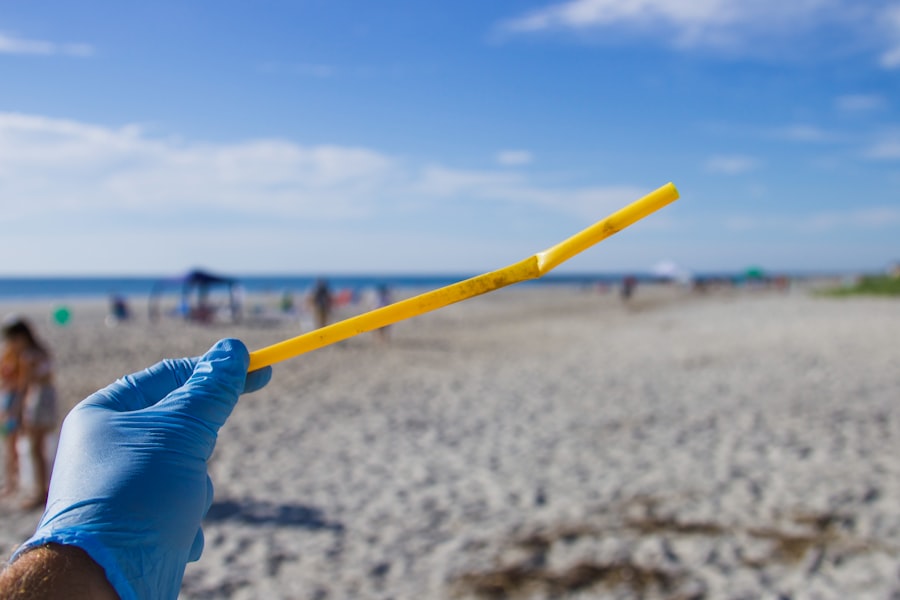
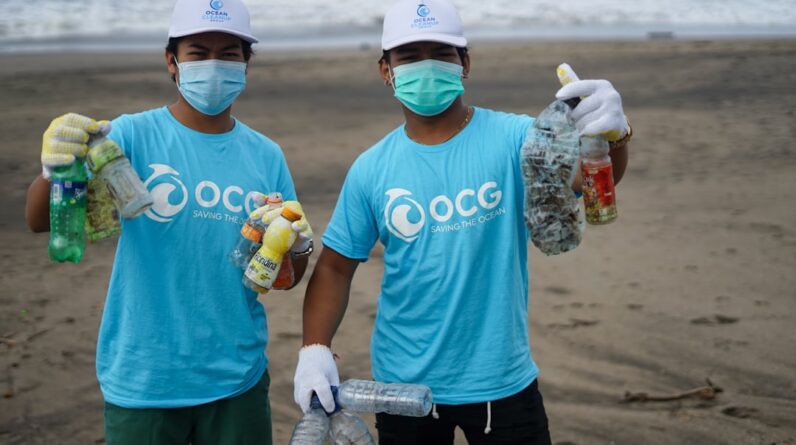
Collaboration is key in the fight against marine pollution, and many businesses are forging partnerships with non-profit organizations and government agencies to amplify their impact. You may be aware of initiatives like the Ocean Conservancy’s International Coastal Cleanup, where companies join forces with volunteers to remove trash from beaches and waterways. Such collaborations not only enhance community engagement but also raise awareness about the importance of protecting our oceans.
Furthermore, businesses are increasingly aligning their goals with governmental policies aimed at reducing marine pollution. By working together, they can advocate for stronger regulations on plastic production and waste management while also supporting initiatives that promote sustainable fishing practices. As you reflect on these partnerships, it becomes clear that collective action is essential for creating lasting change in ocean conservation efforts.
The Importance of Consumer Awareness and Support for Ocean-Friendly Businesses
As a consumer, your choices hold significant power in shaping corporate behavior. By supporting ocean-friendly businesses, you contribute to a growing demand for sustainable products and practices. You may not realize it, but every purchase you make sends a message about your values and priorities.
When you choose brands that prioritize ocean conservation, you encourage other companies to follow suit and adopt more environmentally responsible practices. Raising awareness about marine pollution is equally important in fostering a culture of sustainability. You can play an active role by educating yourself and others about the impact of plastic waste on our oceans.
Sharing information through social media or community events can inspire others to make conscious choices that benefit the environment. Your voice matters in this movement; by advocating for ocean-friendly businesses, you help create a ripple effect that can lead to significant change.
Future Challenges and Opportunities for Businesses in the Fight Against Marine Pollution
Looking ahead, businesses face both challenges and opportunities in their efforts to combat marine pollution. One significant challenge is navigating the complex landscape of regulations and consumer expectations regarding sustainability. As you consider this dynamic environment, it becomes clear that companies must remain agile and adaptable to meet evolving demands while staying true to their commitment to ocean health.
However, these challenges also present opportunities for innovation and growth. Businesses that invest in sustainable practices and technologies can differentiate themselves in a crowded marketplace while appealing to environmentally conscious consumers. You might find it exciting that as awareness of marine pollution continues to grow, there will likely be an increasing demand for solutions that address this pressing issue.
In conclusion, Corporate Ocean Heroes are leading the charge against marine pollution by embracing sustainability, innovation, and collaboration. As you reflect on your role as a consumer and advocate for ocean health, remember that every action counts in this collective effort to protect our oceans for future generations. By supporting businesses committed to making a difference, you contribute to a brighter future for our planet’s most precious resource: its oceans.
Corporate Ocean Heroes highlights the important role that businesses play in combating marine pollution, but it is also crucial to address other environmental issues such as deforestation. Planting trees is a key strategy in fighting deforestation, as discussed in the article How Does Planting Trees Help Deforestation? By understanding the interconnectedness of various environmental challenges, we can work towards a more sustainable future for our planet.
FAQs
What is marine pollution?
Marine pollution refers to the introduction of harmful substances into the ocean, such as plastic, oil, chemicals, and other waste materials, which can have detrimental effects on marine life and ecosystems.
How are businesses contributing to the fight against marine pollution?
Businesses are taking various initiatives to combat marine pollution, including reducing their use of single-use plastics, implementing sustainable packaging practices, supporting ocean cleanup efforts, and investing in technologies to minimize their environmental impact.
What are some examples of businesses leading the fight against marine pollution?
Some examples of businesses leading the fight against marine pollution include implementing sustainable fishing practices, developing biodegradable packaging materials, supporting beach clean-up initiatives, and investing in innovative technologies to reduce their environmental footprint.
Why is it important for businesses to address marine pollution?
Marine pollution not only poses a threat to marine ecosystems and biodiversity but also impacts human health and livelihoods. Businesses have a responsibility to minimize their environmental impact and contribute to the preservation of the world’s oceans.
How can consumers support businesses in their efforts to combat marine pollution?
Consumers can support businesses in their efforts to combat marine pollution by choosing products with minimal packaging, opting for reusable and recyclable materials, supporting companies with sustainable practices, and participating in beach clean-up and conservation efforts.