
The greenhouse effect is a natural phenomenon that plays a crucial role in regulating the Earth’s temperature. It occurs when certain gases in the atmosphere, known as greenhouse gases, trap heat from the sun. When sunlight reaches the Earth, some of it is absorbed, warming the planet, while the rest is reflected back into space.
Greenhouse gases, such as carbon dioxide, methane, and nitrous oxide, act like a blanket around the Earth, allowing sunlight to enter but preventing some of the heat from escaping. This process is essential for maintaining a climate that can support life as we know it. Understanding how the greenhouse effect works is vital for grasping its implications on global warming and climate change.
The balance of incoming solar radiation and outgoing heat is delicate; even slight changes can lead to significant shifts in climate patterns. As greenhouse gases accumulate in the atmosphere, they enhance this natural effect, leading to an increase in global temperatures. This phenomenon is not inherently negative; without it, our planet would be too cold to sustain life.
However, human activities have intensified this effect, leading to concerns about its long-term sustainability.
Key Takeaways
- The greenhouse effect is the process by which the Earth’s atmosphere traps heat from the sun, leading to a warming of the planet.
- Human activities such as burning fossil fuels, deforestation, and industrial processes contribute to the greenhouse effect by releasing greenhouse gases like carbon dioxide and methane into the atmosphere.
- Potential consequences of the greenhouse effect include rising global temperatures, melting ice caps, more extreme weather events, and disruptions to ecosystems and agriculture.
- Scientists study and monitor the greenhouse effect through various methods including satellite observations, ground-based measurements, and computer models to track changes in greenhouse gas concentrations and their impact on the climate.
- Individuals and governments can take steps to mitigate the greenhouse effect by reducing carbon emissions, investing in renewable energy, promoting energy efficiency, and implementing policies to limit greenhouse gas emissions.
How does human activity contribute to the greenhouse effect?
Human activities have significantly accelerated the greenhouse effect, primarily through the burning of fossil fuels, deforestation, and industrial processes. When you drive a car, use electricity generated from coal or natural gas, or heat your home with oil or gas, you are contributing to the release of carbon dioxide and other greenhouse gases into the atmosphere. These emissions have increased dramatically since the Industrial Revolution, leading to a higher concentration of greenhouse gases than ever before in Earth’s history.
Deforestation also plays a critical role in exacerbating the greenhouse effect. Trees absorb carbon dioxide as part of their natural processes, acting as carbon sinks that help mitigate climate change. When forests are cleared for agriculture or urban development, not only is this carbon storage capacity lost, but the act of cutting down trees releases stored carbon back into the atmosphere.
This dual impact—loss of absorption and increased emissions—further intensifies the greenhouse effect and contributes to global warming.
What are the potential consequences of the greenhouse effect?
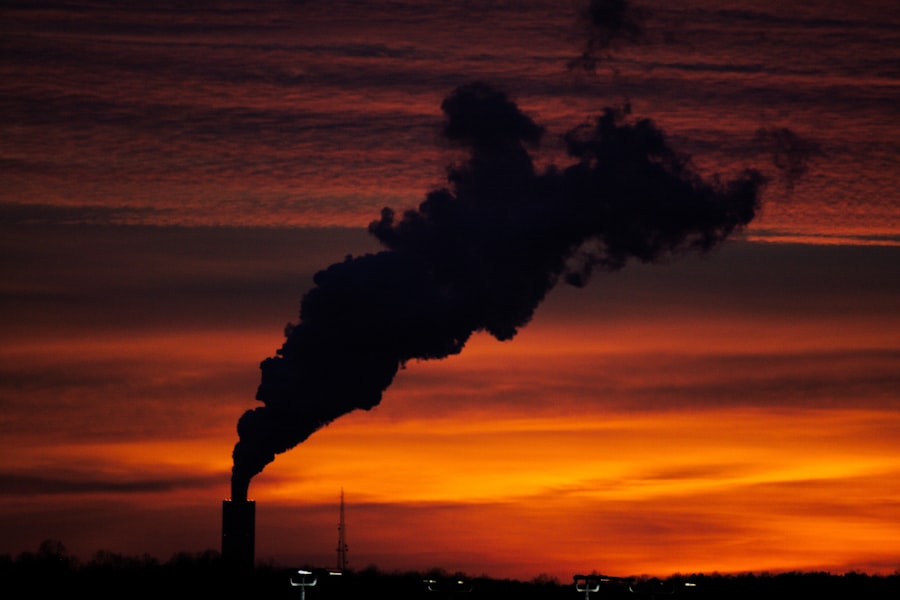
The consequences of an intensified greenhouse effect are far-reaching and potentially catastrophic. One of the most immediate impacts you may notice is the increase in global temperatures, which can lead to more frequent and severe weather events. Heatwaves, storms, floods, and droughts are becoming more common as climate patterns shift.
These extreme weather events can disrupt food production, damage infrastructure, and pose risks to human health. Moreover, rising temperatures contribute to the melting of polar ice caps and glaciers, leading to rising sea levels. If you live in coastal areas, this could mean increased flooding and loss of land.
Additionally, ecosystems are under threat as species struggle to adapt to rapidly changing conditions. Coral reefs, for instance, are particularly vulnerable to temperature changes and ocean acidification caused by increased carbon dioxide levels. The loss of biodiversity can have cascading effects on food chains and ecosystem services that humans rely on for survival.
How do scientists study and monitor the greenhouse effect?
Scientists employ a variety of methods to study and monitor the greenhouse effect and its impacts on climate change. One primary tool is satellite technology, which allows researchers to observe atmospheric conditions from space. Satellites can measure concentrations of greenhouse gases, track temperature changes across different regions, and monitor changes in land use and vegetation cover.
This data is invaluable for understanding how human activities are influencing climate patterns. In addition to satellite observations, scientists conduct ground-based measurements at various monitoring stations around the world. These stations collect data on temperature, humidity, wind patterns, and greenhouse gas concentrations over time.
By analyzing this data, researchers can identify trends and make predictions about future climate scenarios. Climate models are also developed using complex algorithms that simulate how different factors interact within the Earth’s climate system. These models help scientists understand potential outcomes based on various levels of greenhouse gas emissions.
What steps can individuals and governments take to mitigate the greenhouse effect?
Mitigating the greenhouse effect requires concerted efforts from both individuals and governments. As an individual, you can take several steps to reduce your carbon footprint. Simple actions like using energy-efficient appliances, reducing water usage, recycling materials, and opting for public transportation or carpooling can make a significant difference.
Additionally, supporting renewable energy sources such as solar or wind power can help decrease reliance on fossil fuels. Governments also play a crucial role in addressing climate change through policy-making and regulation. Implementing stricter emissions standards for industries and vehicles can help reduce greenhouse gas emissions significantly.
Investing in public transportation infrastructure encourages people to use more sustainable modes of travel. Furthermore, international cooperation is essential; agreements like the Paris Accord aim to unite countries in their efforts to limit global warming by setting emission reduction targets.
Are there natural processes that contribute to the greenhouse effect?
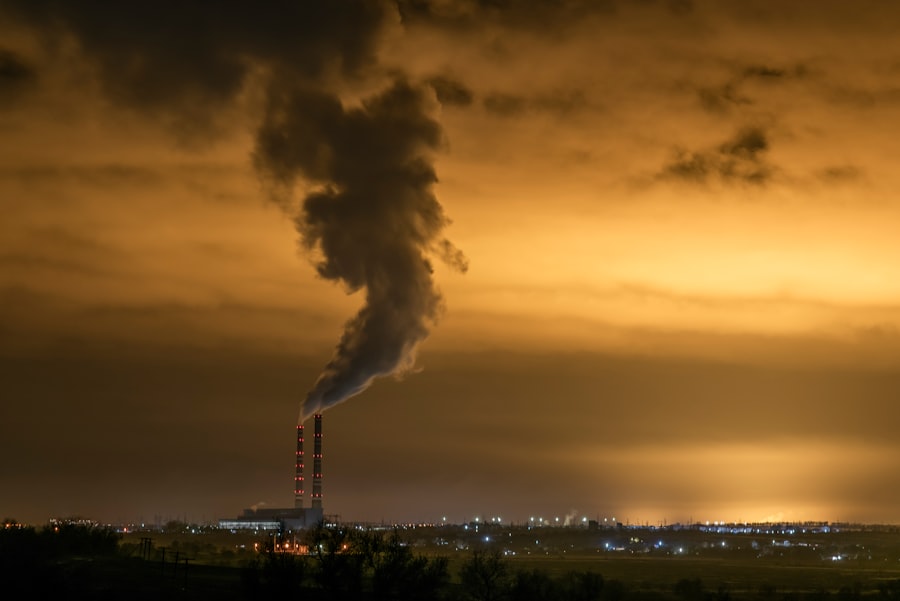
While human activities have intensified the greenhouse effect, it is important to recognize that natural processes also contribute to this phenomenon. For instance, volcanic eruptions release significant amounts of carbon dioxide and other gases into the atmosphere. These eruptions can lead to temporary increases in global temperatures due to the release of ash and gases that trap heat.
Additionally, natural phenomena such as wildfires can also contribute to greenhouse gas emissions. When forests burn, they release stored carbon dioxide back into the atmosphere. However, these natural processes are typically balanced by other mechanisms that absorb carbon dioxide over time.
For example, oceans and forests act as carbon sinks that help regulate atmospheric levels of greenhouse gases. Understanding these natural contributions is essential for developing effective strategies to combat climate change.
How does the greenhouse effect impact different regions of the world?
The impacts of the greenhouse effect are not uniform; they vary significantly across different regions of the world. In polar regions, for example, you may notice accelerated melting of ice sheets and glaciers due to rising temperatures. This not only contributes to rising sea levels but also affects local wildlife that depends on ice-covered habitats for survival.
In contrast, tropical regions may experience more intense rainfall and flooding as climate patterns shift. Changes in precipitation can disrupt agriculture and lead to food shortages in vulnerable communities. Additionally, some areas may face increased drought conditions, affecting water supply and agricultural productivity.
Understanding these regional differences is crucial for developing targeted adaptation strategies that address specific vulnerabilities.
What are the latest developments and research in understanding the greenhouse effect?
Recent developments in climate science have provided deeper insights into the complexities of the greenhouse effect and its implications for our planet’s future. Researchers are increasingly using advanced modeling techniques that incorporate artificial intelligence and machine learning to predict climate patterns more accurately. These models can analyze vast amounts of data from various sources, allowing scientists to identify trends and make more precise forecasts about future climate scenarios.
Moreover, studies are focusing on innovative solutions for carbon capture and storage technologies that aim to reduce atmospheric carbon dioxide levels directly. These technologies could play a pivotal role in mitigating climate change by capturing emissions from industrial processes before they enter the atmosphere. Ongoing research into renewable energy sources continues to advance as well; breakthroughs in solar panel efficiency and battery storage technology hold promise for transitioning away from fossil fuels.
In conclusion, understanding the greenhouse effect is essential for addressing one of the most pressing challenges facing humanity today: climate change. By recognizing how human activities contribute to this phenomenon and taking proactive steps at both individual and governmental levels, you can play a part in mitigating its impacts. As research continues to evolve, it offers hope for innovative solutions that can help us navigate this complex issue while preserving our planet for future generations.
If you are interested in learning more about how planting trees can help the environment, check out the article How Does Planting Trees Help the Environment. This article discusses the various ways in which tree planting can benefit the planet, from providing habitat for wildlife to absorbing carbon dioxide. It also explores the potential drawbacks of increased tree planting, such as the potential for unbalancing the world’s ecosystems, as discussed in the article Increased Tree Planting Will Unbalance the World’s Ecosystems.
FAQs
What is the greenhouse effect?
The greenhouse effect is a natural process that warms the Earth’s surface. It occurs when certain gases in the atmosphere trap heat from the sun, preventing it from escaping into space.
What are greenhouse gases?
Greenhouse gases are gases that contribute to the greenhouse effect by absorbing and emitting radiation within the thermal infrared range. The primary greenhouse gases in Earth’s atmosphere are water vapor, carbon dioxide, methane, nitrous oxide, and ozone.
How does the greenhouse effect impact the Earth’s climate?
The greenhouse effect is essential for maintaining the Earth’s temperature within a habitable range. However, human activities, such as burning fossil fuels and deforestation, have increased the concentration of greenhouse gases in the atmosphere, leading to an enhanced greenhouse effect and global warming.
What are the consequences of the enhanced greenhouse effect?
The consequences of the enhanced greenhouse effect include rising global temperatures, melting polar ice caps, sea level rise, more frequent and severe extreme weather events, and disruptions to ecosystems and agriculture.
What can be done to mitigate the greenhouse effect?
Mitigating the greenhouse effect requires reducing greenhouse gas emissions through measures such as transitioning to renewable energy sources, improving energy efficiency, protecting and restoring forests, and implementing policies to limit emissions from industry and transportation.