Reforestation is a critical process that involves replanting trees in areas where forests have been depleted or destroyed. As you consider the state of our planet, it becomes increasingly clear that reforestation is not merely an environmental luxury; it is a necessity for the health of our ecosystems and the well-being of future generations. Forests play a vital role in maintaining biodiversity, regulating climate, and providing resources for countless species, including humans.
When you think about the myriad benefits that forests provide, from clean air to water filtration, it’s evident that restoring these natural habitats is essential for sustaining life on Earth. Moreover, the urgency of reforestation is underscored by the alarming rates of deforestation occurring globally. Every year, millions of acres of forest are lost due to logging, agriculture, and urban development.
This loss not only threatens wildlife but also contributes to climate change by releasing stored carbon dioxide back into the atmosphere. As you reflect on these challenges, it becomes apparent that reforestation is a proactive measure that can help mitigate the effects of climate change while restoring ecological balance. By prioritizing reforestation efforts, you are participating in a global movement aimed at healing our planet and ensuring a sustainable future.
Key Takeaways
- Reforestation is crucial for combating climate change and preserving biodiversity.
- Reforestation helps in reducing carbon dioxide levels and improving air and water quality.
- Reforestation can create jobs, boost local economies, and provide sustainable resources.
- Techniques like natural regeneration, afforestation, and agroforestry are key to successful reforestation.
- Technology such as drones, satellite imaging, and GIS mapping can aid in planning and monitoring reforestation efforts.
The Environmental Benefits of Reforestation
The environmental benefits of reforestation are profound and far-reaching. When you plant trees, you are not just adding greenery to the landscape; you are enhancing biodiversity and creating habitats for countless species. Forests serve as sanctuaries for wildlife, providing food and shelter for birds, mammals, insects, and other organisms.
By reforesting degraded areas, you contribute to the restoration of these vital ecosystems, allowing flora and fauna to thrive once again. This resurgence of biodiversity is crucial for maintaining ecological balance and resilience against environmental changes. In addition to supporting wildlife, reforestation plays a significant role in combating climate change.
Trees absorb carbon dioxide from the atmosphere during photosynthesis, acting as natural carbon sinks. As you engage in reforestation efforts, you are directly contributing to the reduction of greenhouse gases and helping to mitigate global warming. Furthermore, forests regulate local climates by influencing rainfall patterns and temperature.
They also prevent soil erosion and improve water quality by filtering pollutants from runoff. By understanding these environmental benefits, you can appreciate how reforestation serves as a powerful tool in the fight against climate change and environmental degradation.
The Economic Impact of Reforestation
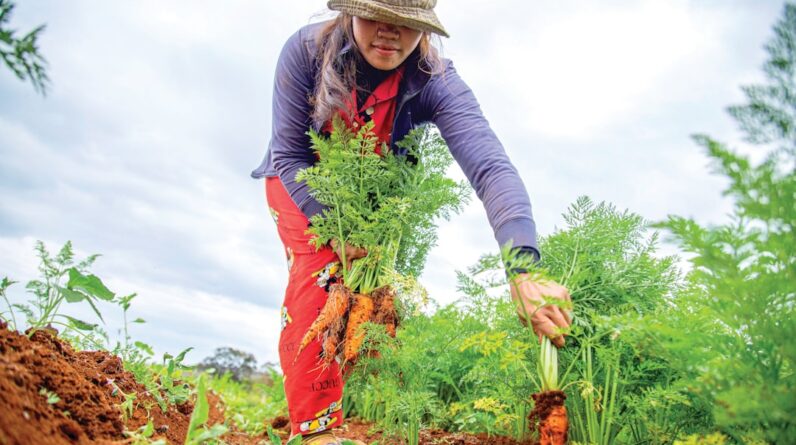
Reforestation is not only an environmental imperative but also an economic opportunity. As you delve into the economic impact of reforestation, you will find that it can create jobs and stimulate local economies. The process of planting and maintaining trees requires labor, which can provide employment opportunities in rural areas where job prospects may be limited.
This influx of jobs can lead to improved livelihoods for communities that depend on forestry-related activities. Additionally, sustainable forestry practices can generate income through timber production, non-timber forest products, and ecotourism. Moreover, investing in reforestation can yield long-term economic benefits by enhancing ecosystem services that support agriculture and fisheries.
Healthy forests contribute to soil fertility and water retention, which are essential for productive farming. As you consider the interconnectedness of ecosystems and economies, it becomes clear that reforestation can lead to increased agricultural yields and improved food security. By recognizing the economic potential of reforestation, you can advocate for policies that support sustainable land management practices and promote investment in green initiatives.
Reforestation Techniques and Strategies
When it comes to reforestation, various techniques and strategies can be employed to ensure successful outcomes. One common method is direct seeding, where seeds are sown directly into the ground in areas that have been cleared or degraded. This approach can be cost-effective and allows for natural selection to occur as seedlings compete for resources.
However, it requires careful planning regarding seed selection and timing to ensure optimal germination rates. Another effective strategy is planting nursery-grown seedlings, which allows for greater control over species selection and growth conditions. As you explore this method, you will find that it often leads to higher survival rates compared to direct seeding.
Additionally, agroforestry practices integrate trees into agricultural landscapes, providing multiple benefits such as shade for crops, improved soil health, and increased biodiversity. By understanding these techniques and strategies, you can appreciate the importance of tailored approaches that consider local conditions and community needs in reforestation efforts.
The Role of Technology in Reforestation
Technology plays an increasingly vital role in enhancing reforestation efforts around the globe. As you examine the intersection of technology and environmental restoration, you will discover innovative tools that streamline the process of planting trees and monitoring their growth. For instance, drones equipped with seed dispersal mechanisms can cover large areas quickly and efficiently, allowing for rapid reforestation in hard-to-reach locations.
This technological advancement not only saves time but also reduces labor costs associated with traditional planting methods. Furthermore, data analytics and remote sensing technologies enable researchers and conservationists to assess forest health and track changes over time. By utilizing satellite imagery and geographic information systems (GIS), you can gain insights into deforestation rates, biodiversity hotspots, and areas in need of restoration.
This data-driven approach allows for more informed decision-making and targeted interventions in reforestation projects. Embracing technology in reforestation efforts empowers you to contribute to more effective and sustainable practices that can have a lasting impact on our planet.
Community Involvement in Reforestation Efforts
Community involvement is crucial for the success of reforestation initiatives. When local communities are engaged in the planning and implementation of reforestation projects, they are more likely to take ownership of the process and ensure its sustainability. As you consider the importance of community participation, think about how local knowledge and cultural practices can inform tree selection and planting techniques.
By incorporating traditional ecological knowledge into reforestation efforts, you can enhance biodiversity while respecting the cultural heritage of indigenous peoples. Moreover, fostering community involvement creates opportunities for education and awareness about the importance of forests and conservation. Workshops, tree-planting events, and educational programs can empower individuals to take action in their own communities.
As you participate in or support these initiatives, you contribute to building a sense of stewardship among community members who recognize their role in protecting natural resources. Ultimately, community-driven reforestation efforts lead to more resilient ecosystems and stronger social bonds.
Reforestation Success Stories from Around the World
Across the globe, there are inspiring success stories that highlight the transformative power of reforestation. One notable example is the Bonn Challenge, an international effort aimed at restoring 150 million hectares of deforested land by 2020. Countries like Rwanda have made significant strides in this initiative by implementing nationwide tree-planting campaigns that have resulted in millions of trees being planted over the years.
As you learn about these successes, it becomes evident that collective action can lead to meaningful change. Another remarkable story comes from China’s Loess Plateau, where a large-scale reforestation project has transformed a barren landscape into a thriving ecosystem over the past few decades. Through sustainable land management practices and community engagement, this initiative has not only restored vegetation but also improved local livelihoods by increasing agricultural productivity.
These success stories serve as powerful reminders that with commitment and collaboration, we can reverse the damage caused by deforestation and create healthier environments for all.
How Individuals Can Contribute to Reforestation
As an individual, your contributions to reforestation efforts can make a significant difference in your community and beyond. One simple yet impactful way to get involved is by participating in local tree-planting events or organizing your own initiatives with friends or family. By dedicating time to plant trees in your area, you actively contribute to restoring green spaces while fostering a sense of community spirit.
Additionally, consider supporting organizations dedicated to reforestation through donations or volunteer work. Many non-profits focus on global reforestation efforts or specific projects that align with your values. By raising awareness about the importance of trees and advocating for sustainable practices within your social circles, you can inspire others to join the cause as well.
Every small action counts; whether it’s planting a tree in your backyard or supporting larger initiatives, your involvement plays a crucial role in creating a greener future for our planet.
Reforestation is a crucial step in combating global warming and preventing natural disasters like floods. According to a related article on Combatting Global Warming by Massive Tree Planting, planting trees on a large scale can help absorb carbon dioxide from the atmosphere and reduce the greenhouse effect. However, it is important to consider the potential drawbacks as discussed in another article on Disadvantages of Planting Trees for Climate Change, such as the impact on local ecosystems and biodiversity. Overall, reforestation remains a critical component of the green revolution we all need to address climate change and protect our planet.
FAQs
What is reforestation?
Reforestation is the process of planting trees in areas where forests have been depleted or destroyed, with the goal of restoring the ecological balance and increasing the forest cover.
Why is reforestation important?
Reforestation is important for several reasons. It helps to combat climate change by absorbing carbon dioxide from the atmosphere, it provides habitat for wildlife, helps to prevent soil erosion, and contributes to the overall health of the planet.
How does reforestation help combat climate change?
Trees absorb carbon dioxide from the atmosphere and store it as carbon, which helps to reduce the amount of greenhouse gases in the atmosphere. This process helps to mitigate climate change and its impacts.
What are the benefits of reforestation?
Reforestation has numerous benefits, including improving air and water quality, providing habitat for wildlife, supporting biodiversity, and contributing to the overall health of ecosystems.
What are some reforestation initiatives around the world?
There are many reforestation initiatives around the world, including government-led projects, non-profit organizations, and private sector initiatives. These initiatives often involve planting trees, restoring degraded forests, and implementing sustainable land management practices.