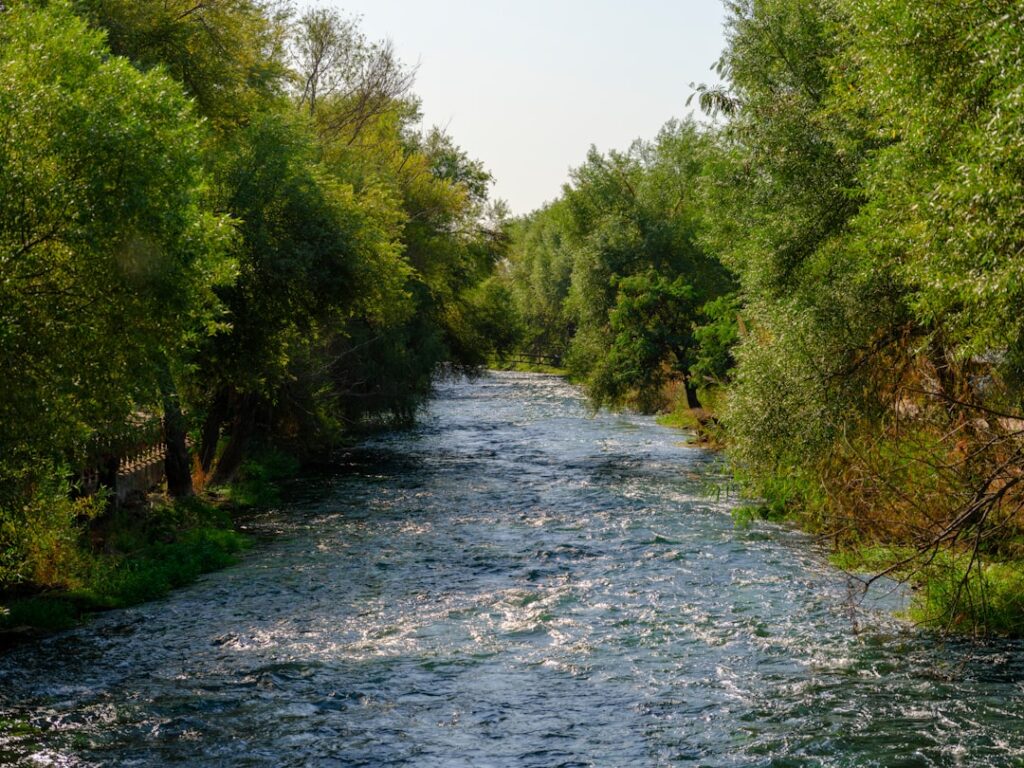
Reforestation is a vital process that involves the replanting of trees in areas where forests have been depleted. This practice is not merely about planting trees; it is about restoring ecosystems that play a crucial role in maintaining the health of watersheds. Watersheds are regions of land where all the water drains into a common body, such as a river, lake, or ocean.
The health of these watersheds is intrinsically linked to the presence of trees, which help regulate water cycles, improve water quality, and support diverse ecosystems. As you delve into the significance of reforestation, you will discover how it serves as a cornerstone for sustainable environmental management and the preservation of natural resources. The importance of reforestation extends beyond mere aesthetics or carbon sequestration.
It is a multifaceted approach that addresses various environmental challenges, including climate change, soil degradation, and loss of biodiversity. By understanding the intricate relationship between trees and watershed health, you can appreciate how reforestation initiatives can lead to more resilient ecosystems. As you explore this topic further, you will uncover the myriad benefits that come from restoring forested areas and how these efforts can contribute to a healthier planet for future generations.
Key Takeaways
- Reforestation plays a crucial role in improving watershed health by restoring tree cover and vegetation in degraded areas.
- Trees help regulate water flow, reduce erosion, and improve water quality by filtering pollutants and sediment from runoff.
- Reforestation can lead to increased water quantity and improved water quality, benefiting both human communities and ecosystems.
- Trees act as natural barriers to erosion, stabilizing soil and preventing sediment from entering waterways.
- Reforestation efforts contribute to the conservation of biodiversity by providing habitat for a variety of plant and animal species.
The Role of Trees in Watershed Function
Trees play an indispensable role in the functioning of watersheds. Their roots anchor the soil, preventing erosion and maintaining soil structure, which is essential for water retention. When you consider how trees absorb rainfall, you realize they act as natural sponges, allowing water to infiltrate the ground rather than running off into streams and rivers.
This process not only helps recharge groundwater supplies but also reduces the risk of flooding during heavy rainfall events. The canopy of trees intercepts precipitation, allowing it to evaporate slowly, which further contributes to maintaining moisture levels in the soil. Moreover, trees contribute to the purification of water as it moves through the ecosystem.
As you observe a forested watershed, you will notice that trees filter pollutants and sediments from surface runoff before they reach water bodies. This natural filtration system is crucial for maintaining water quality, as it reduces the amount of harmful substances entering rivers and lakes. Additionally, trees provide habitat for various organisms that play a role in nutrient cycling and decomposition, further enhancing the overall health of the watershed.
By recognizing the multifaceted functions of trees within watersheds, you can better understand why reforestation is essential for ecological balance.
Benefits of Reforestation on Water Quality and Quantity
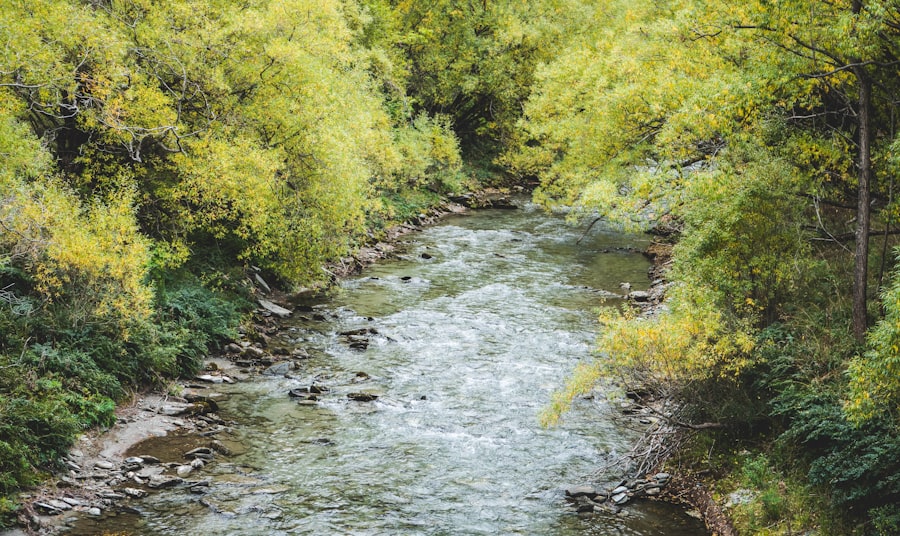
Reforestation has profound implications for both water quality and quantity. When you engage in reforestation efforts, you are not only increasing the number of trees but also enhancing the watershed’s ability to manage water resources effectively. Trees help to stabilize soil and reduce runoff, which can carry pollutants into nearby water bodies.
As a result, reforested areas often experience improved water quality due to reduced sedimentation and lower concentrations of harmful chemicals. This is particularly important for communities that rely on clean water sources for drinking and agriculture. In terms of water quantity, reforestation can significantly impact local hydrology.
By increasing tree cover, you promote greater infiltration of rainwater into the soil, which replenishes groundwater supplies. This is especially crucial in regions facing water scarcity or drought conditions. As you witness the transformation of a deforested area into a thriving forest, you may notice an increase in streamflow during dry seasons, providing a more reliable water source for both ecosystems and human use.
The interplay between reforestation and water resources highlights the importance of integrating tree planting initiatives into broader water management strategies.
Reforestation as a Tool for Erosion Control
Erosion is a significant concern in many landscapes, particularly in areas where vegetation has been removed. When you think about the impact of erosion on soil health and water quality, it becomes clear that reforestation serves as an effective tool for combating this issue. The roots of trees bind the soil together, reducing the likelihood of soil loss due to wind or water erosion.
In regions prone to heavy rainfall or steep slopes, reforested areas can act as natural barriers that protect against landslides and sediment displacement. Furthermore, reforestation can help restore degraded lands that have suffered from erosion over time. As you participate in or observe reforestation projects, you will see how newly planted trees can gradually stabilize soils and promote the recovery of native vegetation.
This process not only enhances soil health but also contributes to improved water retention and quality in surrounding areas. By addressing erosion through reforestation, you are taking proactive steps toward creating sustainable landscapes that support both human needs and ecological integrity.
Reforestation and Biodiversity Conservation
The relationship between reforestation and biodiversity conservation is profound and multifaceted. When you engage in reforestation efforts, you are not just planting trees; you are creating habitats for countless species of flora and fauna that depend on forest ecosystems for survival. Forests are among the most biodiverse ecosystems on Earth, providing shelter, food, and breeding grounds for various organisms.
As you witness the resurgence of life in a reforested area, you will appreciate how these efforts contribute to preserving genetic diversity and promoting resilient ecosystems. Moreover, reforestation can play a critical role in connecting fragmented habitats. In many regions, urbanization and agricultural expansion have led to habitat loss and isolation of wildlife populations.
By strategically planting trees and restoring forest corridors, you can help facilitate wildlife movement and gene flow between populations. This connectivity is essential for maintaining healthy ecosystems and ensuring that species can adapt to changing environmental conditions. As you explore the intersection of reforestation and biodiversity conservation, you will recognize the importance of these initiatives in fostering ecological resilience.
Challenges and Considerations in Reforestation Efforts
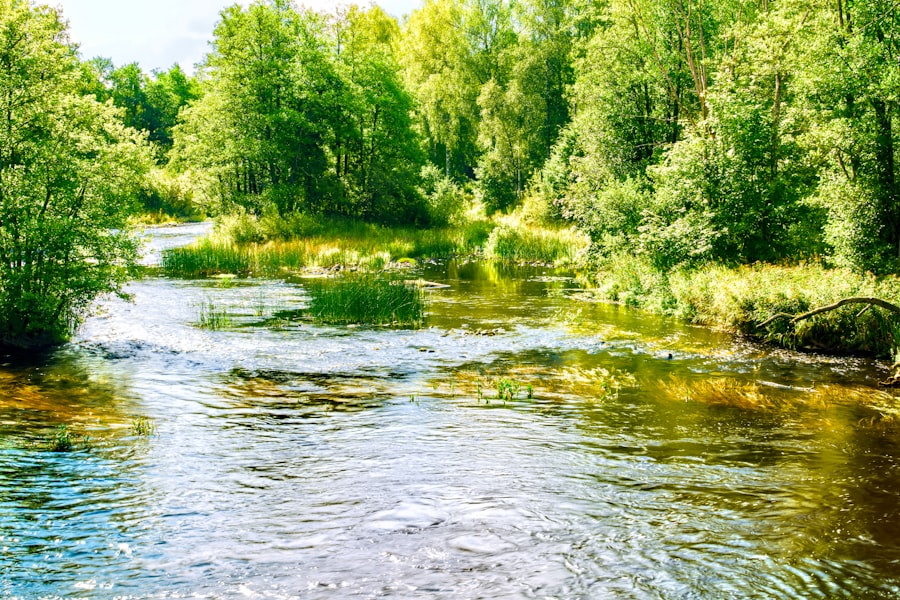
While reforestation offers numerous benefits, it is not without its challenges. One significant consideration is selecting appropriate tree species for specific environments. As you engage in reforestation projects, it is crucial to choose native species that are well-adapted to local conditions.
Planting non-native species can lead to unintended consequences, such as competition with native flora or disruption of local ecosystems. Understanding the ecological context is essential for ensuring the success of reforestation efforts. Another challenge lies in securing funding and community support for reforestation initiatives.
Many projects require substantial resources for planning, implementation, and maintenance over time. As you advocate for reforestation, consider how community involvement can enhance project sustainability. Engaging local stakeholders fosters a sense of ownership and responsibility toward the environment, increasing the likelihood of long-term success.
By addressing these challenges thoughtfully, you can contribute to more effective reforestation efforts that yield lasting benefits for watersheds.
Case Studies of Successful Reforestation Projects
Examining successful case studies can provide valuable insights into effective reforestation practices. One notable example is the Bonn Challenge, an international effort aimed at restoring 150 million hectares of deforested and degraded land by 2020. As you explore this initiative, you’ll find numerous countries participating in ambitious projects that have led to significant improvements in watershed health and biodiversity conservation.
Another inspiring case study is found in Costa Rica, where extensive reforestation efforts have transformed degraded landscapes into thriving forests over several decades. Through innovative policies such as payment for ecosystem services (PES), Costa Rica has incentivized landowners to restore forests on their properties. This approach has not only enhanced biodiversity but also improved water quality in rivers and streams across the country.
By studying these successful projects, you can glean valuable lessons about best practices in reforestation that can be applied in your own community or region.
The Future of Reforestation for Watershed Health
As you reflect on the importance of reforestation for watershed health, it becomes evident that this practice holds immense potential for addressing some of today’s most pressing environmental challenges. From improving water quality to enhancing biodiversity conservation, reforestation serves as a powerful tool for creating resilient ecosystems that benefit both people and nature. The future of our planet depends on our ability to restore degraded landscapes and protect vital resources.
In your journey toward advocating for reforestation efforts, remember that every tree planted contributes to a larger vision of sustainability and ecological balance. By engaging with local communities, supporting innovative policies, and learning from successful case studies, you can play an active role in shaping a healthier future for watersheds worldwide. Embrace the opportunity to be part of this transformative movement—your actions today can lead to a greener tomorrow for generations to come.
A related article discussing the potential consequences of increased tree planting on the world’s ecosystems can be found at this link. This article delves into the idea that while reforestation efforts are crucial for combating climate change and preserving biodiversity, there is a risk of unbalancing ecosystems if not done thoughtfully. It emphasizes the importance of considering the broader impacts of tree planting initiatives to ensure the long-term health and function of watersheds and ecosystems.
FAQs
What is reforestation?
Reforestation is the process of planting trees in areas where forests have been depleted or destroyed, with the goal of restoring the ecological balance and increasing forest cover.
How does reforestation impact watershed health?
Reforestation can have a positive impact on watershed health by reducing erosion, improving water quality, and regulating water flow. Trees help to stabilize soil, prevent sediment runoff, and filter pollutants from water, leading to healthier watersheds.
What are the benefits of reforestation on watershed function?
Reforestation can improve watershed function by increasing water retention, reducing the risk of flooding, and providing habitat for diverse plant and animal species. Trees also contribute to the cycling of nutrients and the maintenance of ecological balance within watersheds.
What are some examples of successful reforestation projects and their impact on watershed health?
Successful reforestation projects, such as those in the Brazilian Amazon and the Atlantic Forest of Brazil, have shown significant improvements in watershed health, including reduced erosion, improved water quality, and increased biodiversity. These projects have demonstrated the potential for reforestation to positively impact watershed function.
What are the challenges associated with reforestation and its impact on watershed health?
Challenges associated with reforestation include the need for long-term monitoring and maintenance of newly planted forests, as well as the potential for conflicts with existing land uses. Additionally, the selection of appropriate tree species and the consideration of local ecological conditions are important factors in ensuring the success of reforestation efforts.