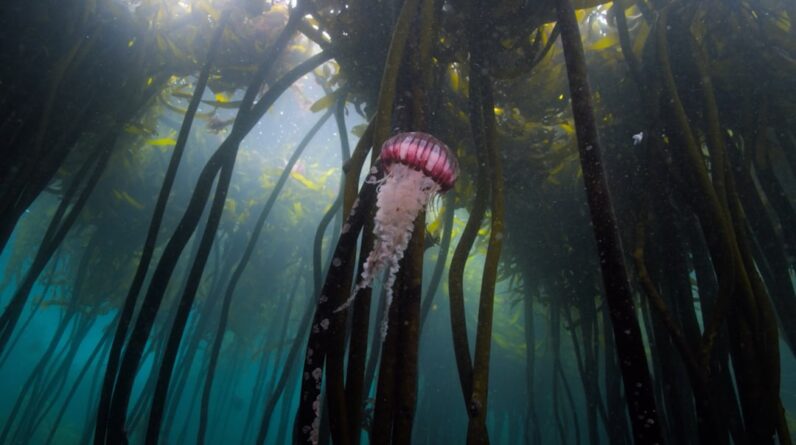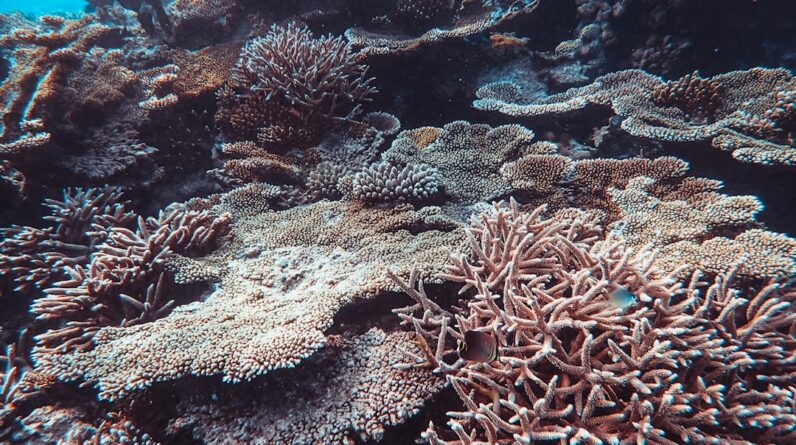
As you delve into the intricate relationship between technology and the environment, you may find yourself captivated by the role of robotic assistance in safeguarding ocean oxygen systems. The oceans, which cover over 70% of our planet, are not just vast bodies of water; they are vital ecosystems that support an incredible diversity of life. However, these ecosystems are under threat from various human activities, including pollution, climate change, and overfishing.
In this context, the integration of robotics and artificial intelligence (AI) emerges as a promising solution to monitor and protect these essential systems. By employing advanced technologies, we can enhance our understanding of ocean health and take proactive measures to ensure the sustainability of marine life. Robotic assistance in ocean conservation is not merely a futuristic concept; it is a reality that is unfolding before our eyes.
With the advent of sophisticated underwater drones and AI-driven monitoring systems, researchers and environmentalists are now equipped with tools that allow them to gather data in real-time, analyze complex patterns, and respond to threats more effectively. This article will explore the significance of ocean oxygen systems, the role of AI in monitoring these systems, the advantages of robotic assistance, and the challenges that lie ahead. As you read on, you will discover how these innovations are shaping the future of marine conservation.
Key Takeaways
- Robotic assistance plays a crucial role in protecting ocean oxygen systems by monitoring and maintaining oxygen levels.
- Ocean oxygen systems are vital for marine life and the environment, as they support diverse ecosystems and contribute to the overall health of the planet.
- Artificial intelligence is instrumental in monitoring and maintaining ocean oxygen levels, providing real-time data and analysis for effective decision-making.
- Using robotic assistance offers advantages such as efficiency, accuracy, and the ability to access hard-to-reach areas for protecting ocean oxygen systems.
- AI-powered robots and technologies, such as underwater drones and autonomous monitoring systems, are being used to safeguard ocean oxygen systems and mitigate environmental risks.
The Importance of Ocean Oxygen Systems for Marine Life and the Environment
Understanding the importance of ocean oxygen systems is crucial for appreciating why their protection is paramount. The oceans are responsible for producing approximately 50% of the Earth’s oxygen through photosynthesis carried out by phytoplankton, seaweed, and other marine plants. This process not only sustains marine life but also plays a critical role in regulating the global climate.
As you consider the interconnectedness of life on Earth, it becomes clear that a healthy ocean is essential for maintaining biodiversity and supporting human existence. Moreover, ocean oxygen levels directly influence marine ecosystems. When oxygen levels drop, a phenomenon known as hypoxia occurs, leading to “dead zones” where marine life cannot survive.
These areas can devastate local fisheries and disrupt food chains, ultimately affecting human communities that rely on these resources. By recognizing the vital role that ocean oxygen systems play in both marine and terrestrial environments, you can appreciate the urgency of protecting them from degradation.
The Role of Artificial Intelligence in Monitoring and Maintaining Ocean Oxygen Levels
Artificial intelligence has emerged as a game-changer in the field of environmental monitoring, particularly when it comes to maintaining ocean oxygen levels. With its ability to process vast amounts of data quickly and accurately, AI can identify trends and anomalies that may indicate changes in ocean health. For instance, machine learning algorithms can analyze data collected from various sensors deployed in the ocean to detect fluctuations in oxygen levels, temperature, and other critical parameters.
This capability allows researchers to respond swiftly to potential threats before they escalate into larger problems. In addition to monitoring, AI can also assist in predicting future changes in ocean oxygen systems based on historical data and current trends. By employing predictive analytics, scientists can model various scenarios related to climate change, pollution, and other factors that impact ocean health.
This foresight enables policymakers and conservationists to make informed decisions about resource management and conservation strategies. As you explore the potential of AI in this context, you will see how it empowers us to take a proactive approach to safeguarding our oceans.
Advantages of Using Robotic Assistance for Protecting Ocean Oxygen Systems
The advantages of using robotic assistance in protecting ocean oxygen systems are manifold. First and foremost, robots can access areas that are often difficult or dangerous for humans to reach. Underwater drones can navigate through deep-sea environments or hazardous regions affected by pollution without risking human life.
This capability allows for comprehensive data collection across diverse marine habitats, providing a more complete picture of ocean health. Additionally, robotic systems can operate continuously without fatigue, enabling round-the-clock monitoring of ocean conditions. This constant vigilance is crucial for detecting sudden changes in oxygen levels or other environmental factors that could signal a crisis.
Furthermore, the integration of AI with robotic technologies enhances their efficiency; these systems can autonomously adjust their operations based on real-time data analysis, ensuring that they remain effective in dynamic environments. As you consider these advantages, it becomes evident that robotic assistance is not just a supplementary tool but a vital component in the fight to protect our oceans.
Examples of AI-Powered Robots and Technologies Used in Ocean Oxygen System Protection
Several innovative examples illustrate how AI-powered robots are being utilized to protect ocean oxygen systems. One notable instance is the use of autonomous underwater vehicles (AUVs) equipped with advanced sensors that measure dissolved oxygen levels at various depths. These AUVs can traverse large areas of the ocean autonomously, collecting data that researchers can use to assess the health of marine ecosystems.
By mapping oxygen levels across different regions, scientists can identify areas at risk of hypoxia and take appropriate action. Another exciting development is the deployment of surface drones that monitor water quality and collect samples for analysis. These drones can be programmed to follow specific routes or respond to environmental changes detected by onboard sensors.
By integrating AI algorithms into their operation, these drones can optimize their sampling strategies based on real-time data, ensuring that they gather the most relevant information for assessing ocean health. As you explore these examples further, you will see how technology is revolutionizing our approach to marine conservation.
Challenges and Limitations of Using AI for Protecting Ocean Oxygen Systems
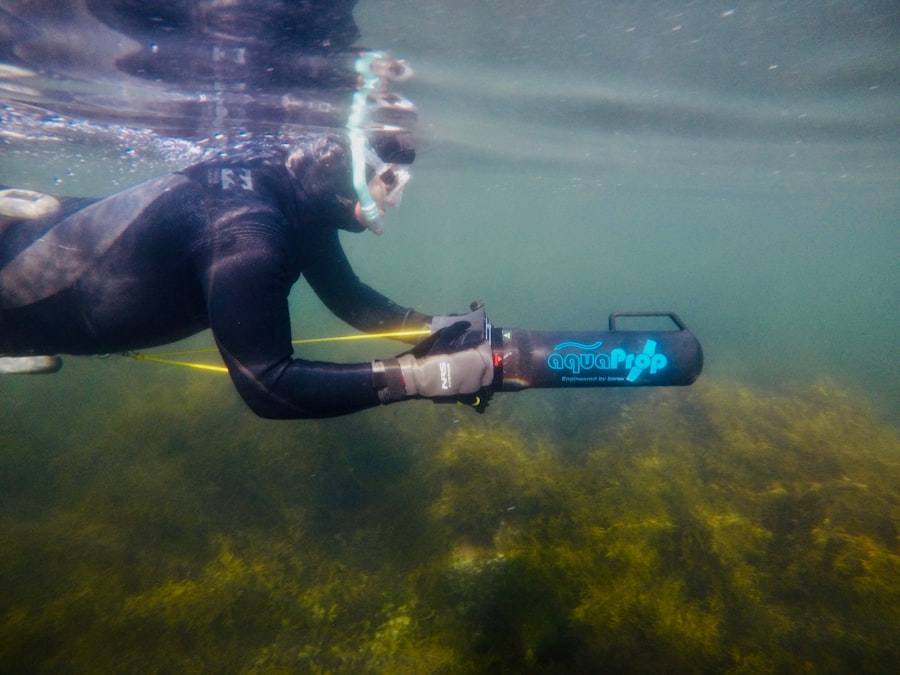
Despite the promising potential of AI in protecting ocean oxygen systems, several challenges and limitations must be addressed. One significant hurdle is the need for high-quality data to train AI algorithms effectively. In many regions, especially remote or underfunded areas, there may be insufficient historical data available for accurate modeling and prediction.
Without robust datasets, AI systems may struggle to provide reliable insights into ocean health. Additionally, there are concerns regarding the ethical implications of deploying robotic systems in natural environments. The introduction of technology into delicate ecosystems raises questions about potential disruptions to marine life and habitats.
Striking a balance between technological advancement and environmental stewardship is essential as we move forward with these initiatives. As you reflect on these challenges, it becomes clear that while AI offers exciting possibilities, careful consideration must be given to its implementation.
Future Implications and Potential Developments in AI-Driven Ocean Oxygen System Protection
Looking ahead, the future implications of AI-driven ocean oxygen system protection are vast and promising. As technology continues to evolve, we can expect even more sophisticated robotic systems capable of performing complex tasks autonomously. For instance, advancements in machine learning could lead to robots that not only monitor but also actively intervene in cases where oxygen levels drop dangerously low—potentially through targeted interventions like nutrient dispersal or habitat restoration.
Moreover, collaboration between researchers, policymakers, and technology developers will be crucial in shaping effective strategies for ocean conservation. By fostering interdisciplinary partnerships, we can leverage diverse expertise to create comprehensive solutions that address both technological and ecological challenges. As you consider these potential developments, it becomes evident that a collaborative approach will be key to harnessing the full power of AI in protecting our oceans.
The Promising Potential of Robotic Assistance in Safeguarding Ocean Oxygen Systems
In conclusion, the integration of robotic assistance into efforts aimed at protecting ocean oxygen systems holds immense promise for the future of marine conservation. As you have explored throughout this article, the importance of these systems cannot be overstated; they are vital for sustaining marine life and maintaining ecological balance on our planet. The role of artificial intelligence in monitoring and maintaining these systems enhances our ability to respond proactively to threats while providing valuable insights into ocean health.
While challenges remain in implementing these technologies effectively and ethically, the potential benefits far outweigh the obstacles. By embracing innovation and fostering collaboration among stakeholders, we can pave the way for a more sustainable future for our oceans. As you reflect on this journey through robotic assistance in ocean conservation, consider how your actions can contribute to safeguarding these vital ecosystems for generations to come.
The future is bright with possibilities—let us seize them together for the health of our planet’s oceans.
Robotic assistance is not only being utilized to protect ocean oxygen systems but also to combat deforestation on land. In a related article, How Does Planting Trees Help Deforestation?, the importance of reforestation efforts in preserving ecosystems and combating climate change is discussed. By using AI technology to plant trees efficiently and strategically, we can help restore forests and mitigate the negative impacts of deforestation. Just as AI is being used to protect ocean oxygen systems, it can also play a crucial role in reforestation efforts to save our planet.
FAQs
What is robotic assistance in protecting ocean oxygen systems?
Robotic assistance refers to the use of artificial intelligence (AI) and robotics to monitor, maintain, and protect ocean oxygen systems. This technology helps in the preservation of marine ecosystems and the prevention of oxygen depletion in the oceans.
How does AI help in protecting ocean oxygen systems?
AI helps in protecting ocean oxygen systems by enabling robotic devices to collect data, monitor oxygen levels, and detect potential threats to marine environments. AI algorithms can analyze large amounts of data to identify patterns and trends, allowing for proactive measures to be taken to protect ocean oxygen systems.
What are the benefits of using robotic assistance in protecting ocean oxygen systems?
Using robotic assistance in protecting ocean oxygen systems allows for continuous monitoring and maintenance of marine environments, which helps in early detection of oxygen depletion and other environmental threats. This proactive approach can lead to better conservation of marine ecosystems and the preservation of ocean oxygen levels.
What are some examples of robotic devices used for protecting ocean oxygen systems?
Examples of robotic devices used for protecting ocean oxygen systems include autonomous underwater vehicles (AUVs), remotely operated vehicles (ROVs), and underwater drones equipped with AI technology. These devices can navigate underwater environments, collect data, and perform tasks to safeguard ocean oxygen systems.
How does robotic assistance contribute to the overall health of the oceans?
Robotic assistance contributes to the overall health of the oceans by providing real-time monitoring and intervention capabilities to protect ocean oxygen systems. This helps in maintaining the balance of marine ecosystems, supporting biodiversity, and preserving the essential role of oceans in regulating the Earth’s oxygen levels.