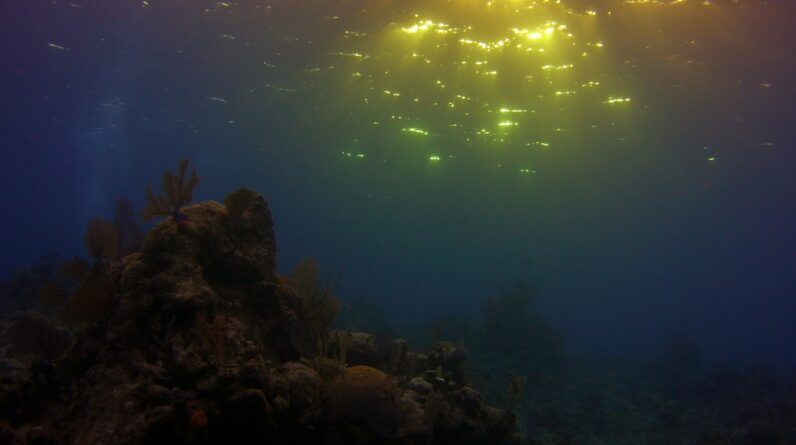
As you gaze out at the vast expanse of the ocean, it’s easy to overlook the hidden dangers lurking beneath the surface. Ocean pollution is a pressing issue that affects not only marine life but also human health and the global ecosystem. Every year, millions of tons of plastic waste, chemicals, and other pollutants find their way into the oceans, creating a toxic environment for countless species.
This pollution disrupts the delicate balance of marine ecosystems, leading to the decline of fish populations, coral reefs, and other vital habitats. The consequences of this pollution extend beyond the water; they ripple through the food chain, ultimately affecting your health and the health of future generations. You may not realize it, but your daily choices contribute to this growing problem.
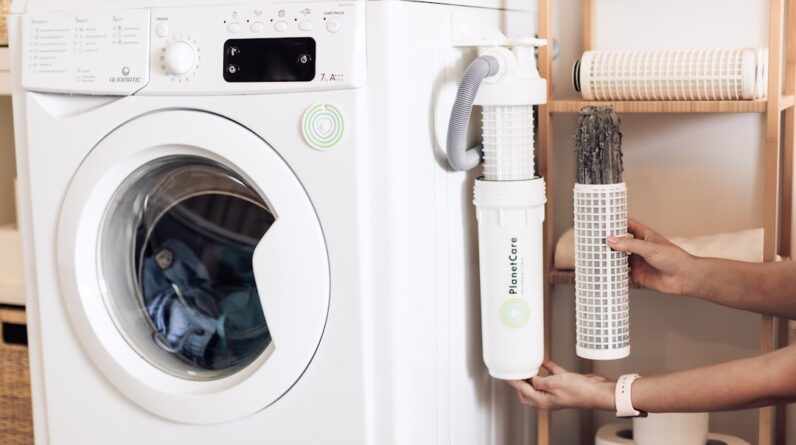
From the products you use to the waste you generate, every action has a ripple effect on the environment. For instance, microplastics—tiny plastic particles that result from the breakdown of larger plastic items—have infiltrated even the most remote areas of the ocean. These particles are consumed by marine life, which can lead to bioaccumulation of toxins in fish that you might eat.
Understanding the impact of ocean pollution is crucial for making informed decisions that can help mitigate this crisis. By recognizing how your habits influence ocean health, you can take steps to reduce your footprint and advocate for cleaner oceans.
Key Takeaways
- Ocean pollution has a significant impact on marine life and ecosystems, leading to devastating consequences for the environment.
- Consumers can identify ocean-safe products by looking for certifications and labels that indicate sustainable and eco-friendly practices.
- Choosing sustainable packaging, such as biodegradable or recyclable materials, can help reduce the amount of plastic and waste entering the ocean.
- Supporting eco-friendly brands that prioritize environmental conservation and ethical practices can contribute to the protection of the ocean.
- Avoiding harmful chemicals in personal care and household products can prevent them from entering the ocean and harming marine life.
Identifying Ocean-Safe Products
When it comes to making environmentally conscious choices, identifying ocean-safe products is a vital step in your journey toward sustainability. These products are designed with minimal environmental impact in mind, ensuring that they do not contribute to ocean pollution. Look for items that are biodegradable or made from natural materials, as these are less likely to harm marine ecosystems when they eventually break down.
For example, opting for bamboo toothbrushes instead of plastic ones can significantly reduce your contribution to plastic waste in the ocean. In addition to choosing biodegradable options, consider products that are free from harmful chemicals. Many conventional cleaning supplies and personal care items contain substances that can leach into waterways and harm marine life.
By selecting ocean-safe alternatives—such as eco-friendly detergents and organic skincare products—you can help protect aquatic ecosystems while still enjoying effective and safe products. Educating yourself about the ingredients in the products you use is essential; this knowledge empowers you to make choices that align with your values and contribute positively to ocean health.
Choosing Sustainable Packaging

The packaging of products you purchase plays a significant role in ocean pollution. Traditional packaging materials, particularly plastics, often end up in landfills or directly in the ocean, where they can take hundreds of years to decompose. By choosing sustainable packaging options, you can help reduce this burden on our oceans.
Look for products packaged in recyclable materials or those that utilize innovative solutions like compostable packaging made from plant-based materials. These alternatives not only minimize waste but also encourage companies to adopt more sustainable practices. Moreover, consider supporting brands that prioritize sustainable packaging in their business models.
Many companies are now committed to reducing their environmental impact by using minimal packaging or implementing take-back programs for their products. By choosing to buy from these brands, you send a message that consumers value sustainability and are willing to support businesses that align with these principles. Your purchasing power can drive change in the industry, encouraging more companies to adopt eco-friendly packaging solutions that protect our oceans.
Supporting Eco-Friendly Brands
In a world where consumer choices shape market trends, supporting eco-friendly brands is one of the most impactful actions you can take for ocean conservation. These brands prioritize sustainability in their operations, from sourcing materials to manufacturing processes and distribution methods. By choosing to buy from companies that demonstrate a commitment to environmental responsibility, you contribute to a growing movement that values ecological integrity over profit margins.
When selecting eco-friendly brands, look for certifications or labels that indicate their commitment to sustainability. Certifications such as Fair Trade, Organic, or B Corp status can provide assurance that a brand adheres to rigorous environmental and social standards. Additionally, many eco-friendly brands actively engage in initiatives aimed at protecting marine environments, such as beach clean-ups or partnerships with conservation organizations.
By supporting these brands, you not only make a positive impact on ocean health but also inspire others in your community to consider their purchasing decisions more carefully.
Avoiding Harmful Chemicals
The presence of harmful chemicals in everyday products poses a significant threat to ocean health. Many household items—ranging from cleaning supplies to personal care products—contain toxic substances that can wash into waterways and ultimately reach the ocean. These chemicals can disrupt marine ecosystems, harm aquatic life, and even enter the food chain, affecting your health as well.
To combat this issue, it’s essential to educate yourself about the ingredients in the products you use and seek out safer alternatives. One effective strategy is to opt for natural or organic products whenever possible. These items typically contain fewer harmful chemicals and are less likely to contribute to ocean pollution.
Additionally, consider making your own cleaning supplies using simple ingredients like vinegar and baking soda; this not only reduces your exposure to toxic substances but also minimizes waste associated with commercial packaging. By being mindful of the chemicals you bring into your home, you can play a crucial role in protecting our oceans from harmful pollutants.
Minimizing Single-Use Plastics

Single-use plastics are one of the most significant contributors to ocean pollution today. Items like plastic bags, straws, and water bottles are used briefly but persist in the environment for hundreds of years after disposal. As you navigate your daily life, consider ways to minimize your reliance on these disposable items.
Simple changes—such as carrying a reusable water bottle or using cloth bags for shopping—can significantly reduce your plastic footprint. Moreover, advocating for policies that limit single-use plastics can amplify your impact on ocean conservation efforts. Many communities are beginning to implement bans on plastic bags and straws, reflecting a growing awareness of the need for change.
By supporting these initiatives and encouraging others to do the same, you contribute to a collective movement aimed at reducing plastic waste and protecting marine environments. Your actions can inspire others to rethink their habits and join you in making more sustainable choices.
Selecting Certified Sustainable Seafood
As a consumer, your choices at the grocery store or restaurant can have profound implications for ocean health—especially when it comes to seafood consumption. Overfishing and unsustainable fishing practices have led to significant declines in fish populations and disrupted marine ecosystems worldwide. To ensure that your seafood choices support rather than harm ocean health, look for certified sustainable seafood options.
Organizations like the Marine Stewardship Council (MSC) and the Aquaculture Stewardship Council (ASC) provide certifications for seafood that meets strict sustainability criteria. By choosing seafood with these labels, you can be confident that it has been sourced responsibly and contributes positively to marine conservation efforts. Additionally, consider diversifying your seafood choices by exploring lesser-known species that are abundant and sustainably harvested; this helps alleviate pressure on overfished populations while introducing new flavors into your diet.
Taking Action for Ocean Conservation
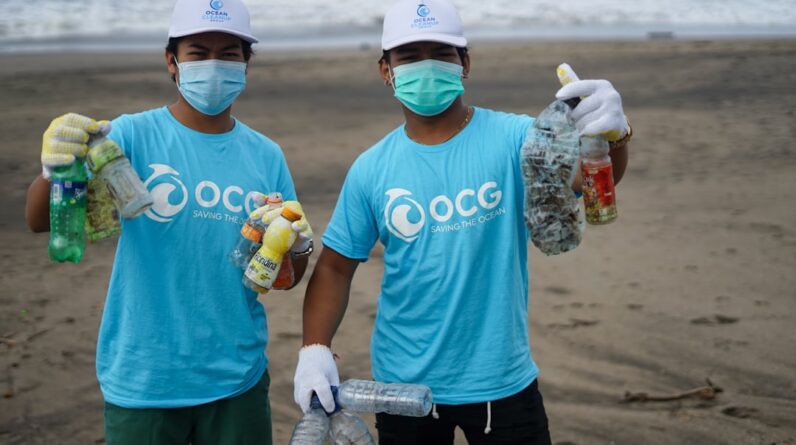
Taking action for ocean conservation goes beyond individual choices; it involves engaging with your community and advocating for policies that protect marine environments. You can participate in local beach clean-ups or volunteer with organizations dedicated to preserving ocean health. These hands-on experiences not only contribute directly to conservation efforts but also foster a deeper connection with the natural world around you.
Furthermore, consider using your voice to raise awareness about ocean issues within your social circles or online platforms. Sharing information about the importance of reducing plastic waste or supporting sustainable practices can inspire others to take action as well. By fostering conversations about ocean conservation and encouraging collective efforts, you amplify your impact and contribute to a broader movement dedicated to protecting our oceans for future generations.
Your commitment to these causes can create a ripple effect that inspires others to join you in safeguarding our planet’s most precious resource: its oceans.
If you are interested in learning more about the importance of healthy forests for biodiversity, you should check out the article Biodiversity Reservoir by Having Healthy Forest. This article discusses how forests play a crucial role in supporting a wide range of plant and animal species, making them essential for maintaining biodiversity. By understanding the connection between healthy forests and biodiversity, conscious consumers can make more informed choices when it comes to ocean-safe shopping.
FAQs
What is ocean-safe shopping?
Ocean-safe shopping refers to making purchasing decisions that minimize the negative impact on the ocean and marine life. This includes choosing products that are sustainably sourced, use minimal packaging, and do not contain harmful chemicals that can pollute the ocean.
Why is ocean-safe shopping important?
The ocean is a vital part of the Earth’s ecosystem, providing food, regulating the climate, and supporting a diverse range of marine life. By making ocean-safe shopping choices, consumers can help reduce pollution, protect marine habitats, and support sustainable fishing practices.
What are some examples of ocean-safe products?
Ocean-safe products include items that are made from sustainable materials, such as bamboo or recycled plastic, and are free from harmful chemicals like microplastics and oxybenzone. Additionally, products that are certified by organizations like the Marine Stewardship Council or the Global Organic Textile Standard are considered ocean-safe.
How can consumers identify ocean-safe products?
Consumers can look for certifications and labels on products that indicate they are ocean-safe. Additionally, they can research brands and companies to learn about their sustainability practices and commitment to ocean conservation.
What are some tips for conscious consumers to shop ocean-safe?
Conscious consumers can shop ocean-safe by choosing products with minimal packaging, avoiding single-use plastics, supporting brands with sustainable and ethical practices, and reducing their overall consumption of goods. Additionally, consumers can educate themselves about the environmental impact of different products and make informed purchasing decisions.