
When you think about the environment, the intricate relationship between forests and soils may not be the first thing that comes to mind. However, these two elements are deeply interconnected, forming a vital ecosystem that supports life on Earth. Healthy forests and healthy soils are not just beneficial; they are essential for maintaining biodiversity, regulating climate, and providing resources for human survival.
As you delve into this topic, you will discover how these two components work in tandem to create a balanced ecosystem that sustains both flora and fauna. Forests serve as the lungs of our planet, absorbing carbon dioxide and releasing oxygen while providing habitat for countless species. Meanwhile, soils act as the foundation of terrestrial ecosystems, supporting plant growth and influencing water cycles.
The health of one directly impacts the other, creating a symbiotic relationship that is crucial for ecological stability. Understanding this connection is vital for anyone interested in environmental conservation, agriculture, or simply appreciating the natural world around them.
Key Takeaways
- Healthy forests and healthy soils are essential for the overall well-being of the environment and the planet.
- Forests play a crucial role in maintaining soil health by preventing erosion, regulating water flow, and providing organic matter.
- Soil health directly impacts the health and productivity of forests, influencing factors such as nutrient availability and tree growth.
- Biodiversity in forests is vital for soil health, as it contributes to nutrient cycling, soil structure, and overall ecosystem resilience.
- Human activities such as deforestation, agriculture, and urbanization have significant negative impacts on forests and soils, leading to degradation and loss of biodiversity.
The Role of Forests in Soil Health
Forests play a pivotal role in maintaining soil health through various mechanisms. As trees grow, their roots penetrate the soil, creating channels that enhance aeration and water infiltration. This root system not only stabilizes the soil but also prevents erosion, which can lead to nutrient loss and degradation.
When you walk through a forest, you may notice the rich, dark soil beneath your feet; this is often a result of organic matter from fallen leaves and decomposing plant material that enriches the soil. Moreover, forests contribute to soil health by fostering a diverse array of microorganisms. These tiny organisms break down organic matter, releasing essential nutrients back into the soil.
This process not only nourishes plants but also enhances soil structure, making it more resilient to environmental stressors such as drought or heavy rainfall. By maintaining healthy forests, you are indirectly supporting the intricate web of life that thrives within the soil.
How Soil Health Impacts Forests

Just as forests contribute to soil health, the condition of the soil significantly impacts forest ecosystems. Healthy soils provide the necessary nutrients and water that trees need to grow and thrive. When soil is rich in organic matter and has a balanced pH, trees can access essential minerals that promote robust growth.
Conversely, poor soil health can lead to stunted growth, increased susceptibility to pests and diseases, and ultimately, forest decline. Soil compaction is another factor that can adversely affect forests. When soil becomes compacted due to heavy machinery or foot traffic, it restricts root growth and limits water infiltration.
This can create a vicious cycle where stressed trees become more vulnerable to environmental challenges. As you consider the health of forests, it’s crucial to recognize that maintaining healthy soils is fundamental to ensuring their longevity and resilience.
The Importance of Biodiversity in Forests for Soil Health
Biodiversity is a cornerstone of both forest and soil health. A diverse array of plant species contributes to a more complex root system, which enhances soil structure and nutrient cycling. When you explore a biodiverse forest, you may notice various tree species coexisting alongside shrubs, herbs, and fungi.
This variety not only creates a more resilient ecosystem but also supports a wider range of soil organisms that contribute to nutrient availability. In addition to plants, animals play a significant role in maintaining soil health within forests. Earthworms, insects, and other organisms aerate the soil and break down organic matter, enriching it further.
The presence of diverse species ensures that ecosystems can adapt to changes and recover from disturbances. As you reflect on the importance of biodiversity in forests, consider how it directly influences the health of soils and the overall stability of ecosystems.
Human Activities and Their Impact on Forests and Soils
Human activities have had profound effects on both forests and soils across the globe. Deforestation for agriculture, urban development, and logging has led to significant loss of forest cover, disrupting the delicate balance between trees and soil health. When forests are cleared, the protective canopy is removed, exposing soils to erosion and degradation.
This not only affects local ecosystems but also contributes to global issues such as climate change. Agricultural practices can also impact soil health negatively. Intensive farming often leads to soil depletion through overuse of chemical fertilizers and pesticides.
These practices can harm beneficial microorganisms in the soil, leading to reduced fertility over time. As you consider your own impact on the environment, it’s essential to recognize how everyday choices can contribute to the degradation of forests and soils.
Sustainable Practices for Maintaining Healthy Forests and Soils
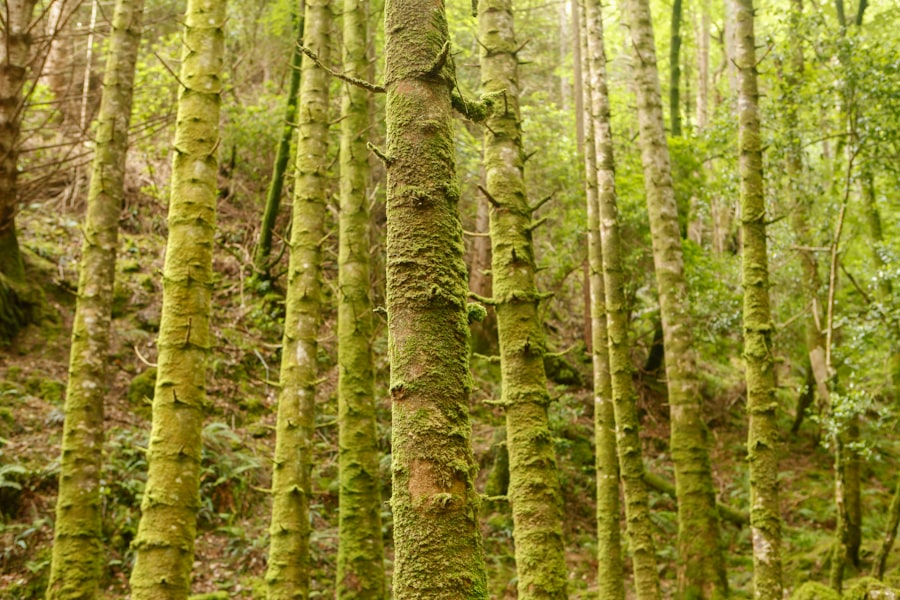
To combat the negative impacts of human activities on forests and soils, adopting sustainable practices is crucial. Reforestation efforts can help restore degraded areas while promoting biodiversity and improving soil health. By planting native tree species that are well-adapted to local conditions, you can contribute to creating resilient ecosystems that support both wildlife and human needs.
In agriculture, implementing practices such as crop rotation, cover cropping, and reduced tillage can enhance soil health while maintaining productivity. These methods promote biodiversity in both crops and soil organisms, leading to healthier ecosystems overall. As you explore sustainable practices in your own life or community, consider how small changes can lead to significant improvements in forest and soil health.
The Connection Between Healthy Forests, Healthy Soils, and Climate Change
The relationship between healthy forests, healthy soils, and climate change is increasingly recognized as critical in addressing global warming. Forests act as carbon sinks, absorbing carbon dioxide from the atmosphere and storing it in both biomass and soils. When forests are healthy and thriving, they play a vital role in mitigating climate change by reducing greenhouse gas concentrations.
Conversely, when forests are degraded or destroyed, carbon stored in trees and soils is released back into the atmosphere, exacerbating climate change. Healthy soils also contribute to climate resilience by improving water retention and reducing runoff during extreme weather events. As you consider the broader implications of forest and soil health on climate change, it becomes clear that protecting these ecosystems is essential for a sustainable future.
The Need for Conservation and Restoration Efforts
In conclusion, the intricate relationship between healthy forests and healthy soils cannot be overstated. Both elements are essential for maintaining biodiversity, regulating climate, and supporting life on Earth. As you reflect on this connection, it becomes evident that conservation and restoration efforts are paramount in ensuring the longevity of these ecosystems.
By advocating for sustainable practices in your community and supporting initiatives aimed at protecting forests and improving soil health, you can contribute to a healthier planet. The choices you make today can have lasting impacts on future generations. Embrace the responsibility of being a steward of the environment; after all, healthy forests and healthy soils are not just vital for nature—they are essential for humanity’s survival as well.
If you are interested in learning more about the benefits of planting trees for the environment, check out the article Advantages of Planting Trees for Climate Change. This article delves into how planting trees can help combat climate change and improve the health of our planet. It further emphasizes the importance of healthy forests in maintaining healthy soils and overall ecosystem balance.
FAQs
What is the connection between healthy forests and healthy soils?
Healthy forests play a crucial role in maintaining healthy soils. The roots of trees and other plants in forests help to stabilize the soil, prevent erosion, and promote the absorption of water. This, in turn, helps to maintain soil fertility and prevent nutrient loss.
How do healthy forests contribute to soil health?
Healthy forests contribute to soil health by providing organic matter in the form of fallen leaves, branches, and other plant material. This organic matter helps to improve soil structure, retain moisture, and provide essential nutrients for soil organisms and plants.
What are the benefits of healthy soils for forests?
Healthy soils provide a supportive environment for the growth of trees and other plants in forests. They also help to maintain biodiversity, support wildlife habitats, and contribute to the overall resilience of forest ecosystems.
How can forest management practices impact soil health?
Forest management practices, such as clear-cutting, improper logging techniques, and excessive soil compaction from heavy machinery, can have negative impacts on soil health. These practices can lead to erosion, loss of organic matter, and disruption of soil structure.
What are some ways to promote the connection between healthy forests and healthy soils?
Promoting sustainable forest management practices, such as selective logging and reforestation, can help to maintain healthy forests and preserve soil health. Additionally, implementing measures to prevent soil erosion, such as planting cover crops and maintaining buffer zones, can also contribute to the connection between healthy forests and healthy soils.