



Ocean anoxia refers to a condition where the levels of dissolved oxygen in the water drop to critically low levels, rendering it inhospitable for most marine life. This phenomenon is not merely a scientific curiosity; it poses a significant threat to the health of our oceans and, by extension, the planet. As you delve into the complexities of ocean anoxia, you will discover that it is a multifaceted issue influenced by various environmental factors, human activities, and natural processes.
Understanding ocean anoxia is crucial for grasping the broader implications it has on marine ecosystems and global climate patterns. The oceans cover more than 70% of the Earth’s surface and are vital for sustaining life. They act as a carbon sink, regulate climate, and provide food and livelihoods for billions of people.
However, the increasing frequency and intensity of ocean anoxia events signal a troubling trend that cannot be ignored. As you explore this topic further, you will uncover the intricate relationships between oxygen levels, marine biodiversity, and the overall health of oceanic systems. The urgency to address ocean anoxia is underscored by its potential to disrupt food chains, alter habitats, and contribute to broader ecological imbalances.
Key Takeaways
- Ocean anoxia is a condition where there is a severe depletion of oxygen in the ocean, leading to harmful effects on marine life and ecosystems.
- The impact of ocean anoxia on marine life includes mass extinctions, changes in species composition, and disruptions to food webs.
- Prehistoric evidence of ocean anoxia can be seen in the fossil record, with past events linked to major extinction events in Earth’s history.
- Modern-day signs of ocean anoxia include dead zones, where oxygen levels are too low to support most marine life, and the spread of harmful algal blooms.
- The causes of ocean anoxia are primarily linked to human activities, such as nutrient pollution from agriculture and industrial activities, as well as climate change.
The Impact of Ocean Anoxia on Marine Life
The consequences of ocean anoxia are profound and far-reaching, particularly for marine life. When oxygen levels plummet, many species struggle to survive. Fish, crustaceans, and other aerobic organisms require sufficient oxygen to thrive; without it, they may experience stress, suffocation, or even death.
You may find it alarming that entire ecosystems can collapse as a result of these low-oxygen conditions. For instance, species that are unable to migrate to more oxygen-rich waters face dire consequences, leading to population declines and shifts in community structures. Moreover, the impact of ocean anoxia extends beyond individual species.
It disrupts food webs and alters predator-prey dynamics. As certain species die off or migrate, their predators may also suffer from food shortages. This cascading effect can lead to a significant loss of biodiversity in affected areas.
You might be surprised to learn that some regions have experienced “dead zones,” where marine life is virtually absent due to prolonged anoxic conditions. These dead zones not only affect marine organisms but also have economic implications for fisheries and coastal communities that rely on healthy ocean ecosystems.
Prehistoric Evidence of Ocean Anoxia

To fully appreciate the implications of ocean anoxia today, it is essential to look back at prehistoric evidence that highlights its historical occurrence. Geological records indicate that ocean anoxia has been a recurring phenomenon throughout Earth’s history, often linked to mass extinction events. For example, during the Late Devonian period, significant anoxic events contributed to the decline of marine biodiversity.
As you examine these ancient occurrences, you will see patterns that suggest a connection between climate change, oceanic conditions, and the health of marine ecosystems. Fossil records reveal that periods of widespread anoxia often coincide with elevated levels of carbon dioxide in the atmosphere and significant changes in sea temperature. These findings suggest that the Earth has experienced natural cycles of anoxia driven by climatic shifts.
However, what sets today’s situation apart is the unprecedented rate at which human activities are altering the environment. As you reflect on this historical context, consider how past events can inform our understanding of current trends and the potential future of our oceans.
Modern-day Signs of Ocean Anoxia
In recent decades, scientists have observed alarming signs of ocean anoxia across various regions of the globe. You may have heard about the Gulf of Mexico’s “dead zone,” which has expanded significantly due to nutrient runoff from agricultural practices. This area experiences severe hypoxia during summer months, leading to massive fish kills and a decline in marine biodiversity.
Such modern-day manifestations of ocean anoxia serve as stark reminders of the urgent need for action. Additionally, other regions are experiencing similar phenomena. The Baltic Sea has been plagued by recurrent anoxic events, affecting its unique marine life and disrupting local fisheries.
You might find it concerning that these occurrences are not isolated incidents but rather part of a larger trend linked to human-induced changes in land use and climate patterns. As you explore these modern signs of ocean anoxia, consider how they reflect broader environmental challenges and the interconnectedness of ecosystems worldwide.
The Causes of Ocean Anoxia
Understanding the causes of ocean anoxia is crucial for developing effective solutions. One primary driver is nutrient pollution, particularly from agricultural runoff containing fertilizers rich in nitrogen and phosphorus. When these nutrients enter coastal waters, they stimulate excessive algal blooms that consume oxygen as they decompose.
You may find it surprising that this process can lead to rapid declines in oxygen levels, creating conditions conducive to anoxia. Climate change also plays a significant role in exacerbating ocean anoxia. Rising sea temperatures can reduce the solubility of oxygen in water while stratifying layers within the ocean, preventing oxygen-rich surface waters from mixing with deeper layers.
This stratification can create “dead zones” where oxygen levels remain critically low for extended periods. As you consider these causes, it becomes evident that addressing ocean anoxia requires a multifaceted approach that tackles both nutrient pollution and climate change.
The Consequences of Ignoring Ocean Anoxia
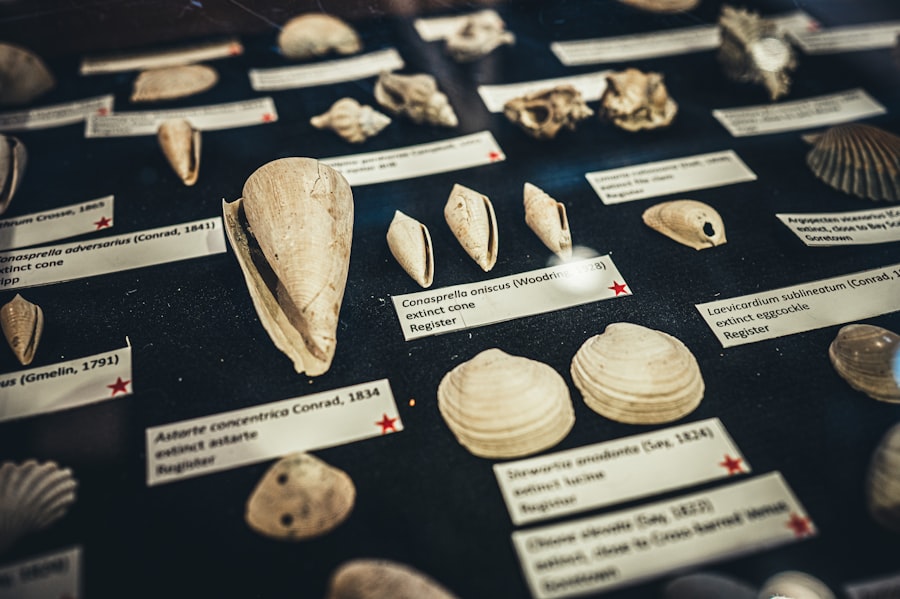
Ignoring the issue of ocean anoxia could have dire consequences for both marine ecosystems and human societies. The loss of biodiversity resulting from anoxic conditions can destabilize entire food webs, leading to declines in fish populations that are vital for commercial fisheries and local economies. You may be surprised to learn that many coastal communities depend on healthy marine ecosystems for their livelihoods; thus, the repercussions of ignoring ocean anoxia extend beyond environmental concerns.
Furthermore, the economic implications are significant. As fish stocks dwindle due to habitat degradation and declining oxygen levels, fishing industries may face severe challenges. This could lead to job losses and increased food insecurity for communities reliant on seafood as a primary source of nutrition.
As you contemplate these consequences, consider how addressing ocean anoxia is not just an environmental imperative but also a social and economic necessity.
Solutions to Prevent Ocean Anoxia
Addressing ocean anoxia requires concerted efforts at multiple levels—local, national, and global. One effective strategy involves reducing nutrient pollution through better agricultural practices. Implementing sustainable farming techniques such as crop rotation, cover cropping, and precision fertilization can significantly decrease runoff into waterways.
You might find it encouraging that many farmers are already adopting these practices to protect water quality while maintaining productivity. In addition to agricultural reforms, enhancing wastewater treatment processes can help mitigate nutrient loading in coastal areas. Upgrading treatment facilities to remove excess nitrogen and phosphorus before they enter oceans is crucial for preventing algal blooms and subsequent hypoxic conditions.
You may also consider supporting policies aimed at protecting coastal ecosystems such as wetlands and mangroves, which play a vital role in filtering pollutants and maintaining water quality.
The Urgency of Addressing Ocean Anoxia
In conclusion, the urgency of addressing ocean anoxia cannot be overstated. As you have explored throughout this article, the impacts on marine life are profound and far-reaching, with consequences that extend into human societies and economies. The historical context reveals that ocean anoxia is not a new phenomenon; however, the current rate at which it is occurring is unprecedented due to human activities.
As stewards of the planet, it is your responsibility to advocate for sustainable practices that protect our oceans from further degradation. By understanding the causes and consequences of ocean anoxia, you can contribute to solutions that promote healthier marine ecosystems for future generations. The time to act is now; our oceans—and all life dependent on them—are counting on us to make informed choices that prioritize their well-being.
A related article discussing the disadvantages of planting trees for climate change can be found at