



Reforestation plays a crucial role in maintaining the health of our planet. As you may know, forests are vital ecosystems that provide numerous benefits, including carbon sequestration, habitat for wildlife, and resources for human communities. When you consider the alarming rates of deforestation occurring worldwide, the need for reforestation becomes even more pressing.
By restoring forests, you not only help combat climate change but also contribute to the restoration of biodiversity and the stabilization of local climates. Moreover, reforestation can significantly enhance soil quality and prevent erosion. When trees are planted, their roots help bind the soil together, reducing the risk of landslides and maintaining the integrity of the land.
This is particularly important in areas that have been stripped of their natural vegetation. You might also appreciate that reforestation can improve water quality by filtering pollutants and regulating water cycles. In essence, reforestation is not just about planting trees; it’s about revitalizing entire ecosystems and ensuring a sustainable future for generations to come.
Key Takeaways
- Reforestation is crucial for restoring and maintaining healthy ecosystems, combating climate change, and preserving biodiversity.
- Poor reforestation practices can lead to soil erosion, loss of biodiversity, and increased vulnerability to natural disasters.
- “Green deserts” are monoculture plantations that lack biodiversity and disrupt natural ecosystems, leading to negative impacts on soil health and wildlife.
- Biodiversity plays a key role in successful reforestation by promoting ecosystem resilience, nutrient cycling, and overall ecosystem health.
- Monoculture plantations can lead to increased susceptibility to pests and diseases, as well as reduced resilience to environmental changes.
The Risks of Poor Reforestation Practices
While reforestation is essential, it is equally important to recognize that not all reforestation efforts are beneficial. Poor reforestation practices can lead to a host of environmental issues that may outweigh the intended benefits. For instance, if you were to plant non-native species in an area, you could inadvertently disrupt local ecosystems.
These species may outcompete native flora, leading to a decline in biodiversity and altering the habitat for local fauna. This highlights the importance of selecting appropriate species that are well-suited to the local environment. Additionally, poorly planned reforestation projects can result in soil degradation and water scarcity.
If you were to plant trees too densely or in unsuitable locations, you might find that the soil becomes depleted of nutrients or that water resources are over-extracted. This can create a cycle of degradation that is difficult to reverse. Therefore, it is crucial to approach reforestation with careful planning and consideration of ecological principles to ensure that the efforts yield positive outcomes.
The Concept of “Green Deserts” and Their Impact on Ecosystems
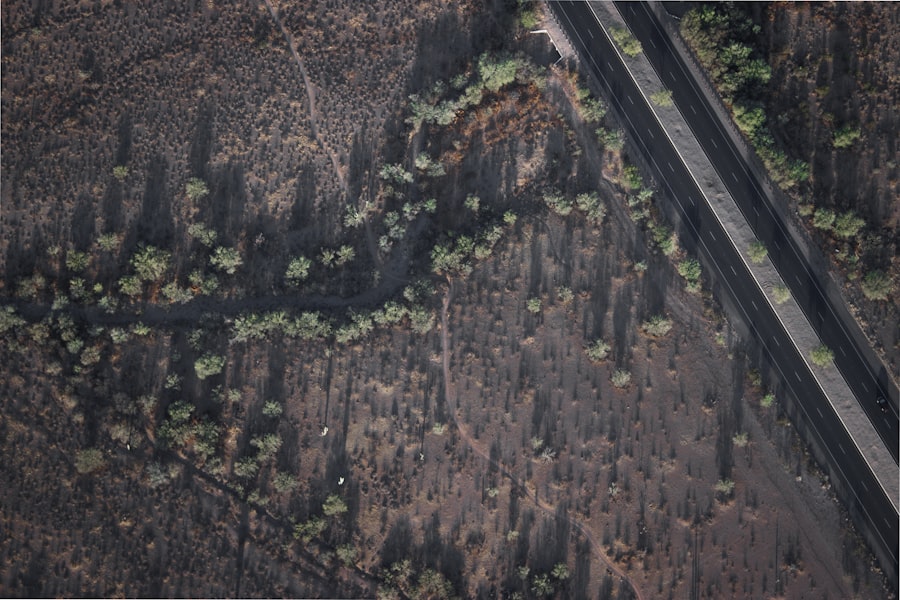
The term “green deserts” refers to areas where monoculture plantations have replaced diverse ecosystems. While these plantations may appear lush and green from a distance, they often lack the complexity and resilience of natural forests. If you were to walk through a green desert, you would notice a stark absence of biodiversity; there would be few species of plants and animals present.
This lack of variety can lead to a fragile ecosystem that is more susceptible to pests, diseases, and climate fluctuations. Green deserts can also disrupt local water cycles and soil health. When you replace a diverse forest with a single species, you may find that the soil becomes less fertile over time due to the depletion of specific nutrients.
Furthermore, these plantations often require significant amounts of water and chemical inputs, which can lead to further environmental degradation. Understanding the implications of green deserts is essential for anyone involved in reforestation efforts, as it underscores the need for diversity in planting strategies.
The Role of Biodiversity in Reforestation
Biodiversity is a cornerstone of healthy ecosystems, and its role in reforestation cannot be overstated. When you incorporate a variety of species into your reforestation projects, you create a more resilient ecosystem capable of withstanding environmental stressors. Diverse plant species can support a wider range of animal life, from pollinators to larger mammals, thereby enhancing the overall health of the ecosystem.
This interconnectedness is vital for maintaining ecological balance. Moreover, biodiversity contributes to ecosystem services such as pest control, pollination, and nutrient cycling. If you were to focus on planting a single species, you might miss out on these critical services that diverse ecosystems provide.
By fostering biodiversity in your reforestation efforts, you not only enhance the resilience of the ecosystem but also create a more sustainable environment for future generations. It’s essential to recognize that every species plays a role in maintaining the delicate balance of nature.
The Dangers of Monoculture Plantations
Monoculture plantations pose significant risks to both the environment and local communities. When you plant a single species over large areas, you create an ecosystem that lacks resilience and adaptability. This makes it more vulnerable to diseases and pests that can decimate entire crops or forests.
If you were to rely solely on monoculture for timber or agricultural production, you might find yourself facing economic instability due to crop failures or market fluctuations. Additionally, monoculture plantations often require heavy inputs of fertilizers and pesticides to maintain productivity. This reliance on chemicals can lead to soil degradation and water pollution, affecting not only the immediate area but also surrounding ecosystems.
You may also consider the social implications; monoculture practices can displace local communities and disrupt traditional land-use practices. Therefore, it is crucial to advocate for diverse planting strategies that prioritize ecological health over short-term economic gains.
The Impact of Poor Reforestation on Climate Change
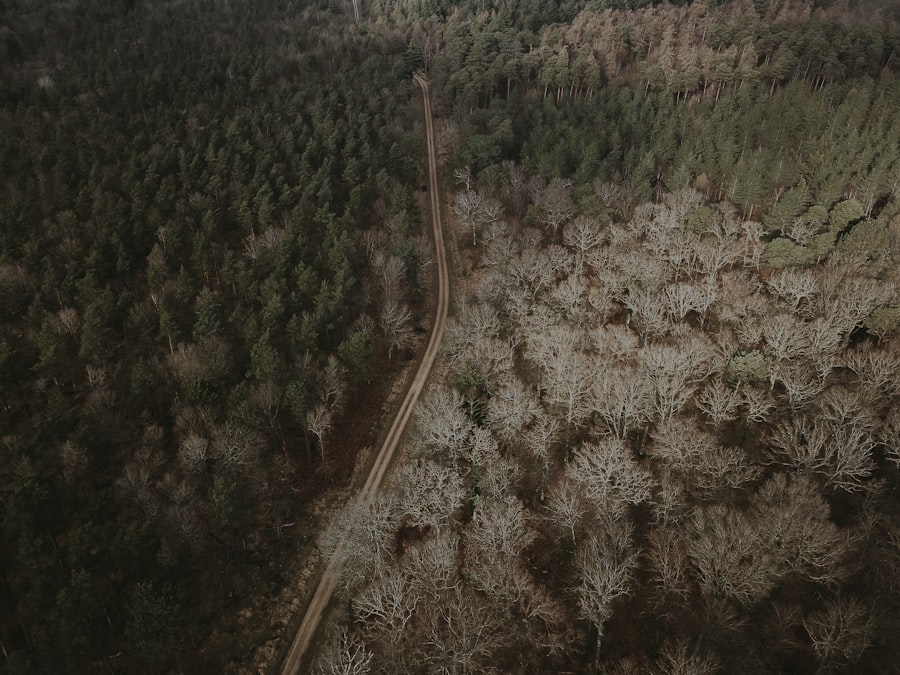
The consequences of poor reforestation practices extend beyond local ecosystems; they also have significant implications for climate change. If you engage in reforestation without considering ecological principles, you may inadvertently contribute to greenhouse gas emissions rather than mitigate them. For example, planting non-native species or failing to maintain soil health can release carbon stored in the soil back into the atmosphere, exacerbating climate change.
Furthermore, poorly executed reforestation projects can lead to deforestation elsewhere as land is cleared for agriculture or development. This cycle of destruction undermines global efforts to combat climate change and highlights the importance of sustainable practices in reforestation initiatives. By prioritizing ecological integrity in your reforestation efforts, you can play a vital role in sequestering carbon and promoting climate resilience.
Strategies for Sustainable Reforestation
To ensure successful reforestation efforts, it is essential to adopt sustainable practices that prioritize ecological health and community involvement. One effective strategy is to conduct thorough assessments of local ecosystems before initiating any planting projects. By understanding the native flora and fauna, you can select appropriate species that will thrive in the environment while supporting local biodiversity.
Community engagement is another critical component of sustainable reforestation. If you involve local communities in planning and implementing reforestation projects, you can foster a sense of ownership and responsibility toward the land. This collaboration can lead to more effective management practices and ensure that the needs of local populations are met.
Additionally, incorporating agroforestry techniques—where trees are integrated into agricultural systems—can provide economic benefits while enhancing ecological health.
The Future of Reforestation: Balancing Economic and Ecological Needs
As we look toward the future of reforestation, it is essential to strike a balance between economic development and ecological sustainability. You may find that many communities rely on forest resources for their livelihoods; therefore, it is crucial to develop strategies that support both economic growth and environmental health. Sustainable forestry practices can provide timber and non-timber products while ensuring that ecosystems remain intact.
Innovative approaches such as payment for ecosystem services (PES) can incentivize landowners to engage in sustainable practices that benefit both their communities and the environment. By recognizing the value of ecosystem services—such as carbon sequestration, water filtration, and biodiversity conservation—you can encourage investment in reforestation efforts that align with economic goals. In conclusion, reforestation is an essential tool for combating climate change and restoring ecosystems; however, it must be approached with care and consideration for ecological principles.
By understanding the risks associated with poor practices and advocating for biodiversity and sustainable strategies, you can contribute to a healthier planet for future generations. Balancing economic needs with ecological integrity will be key as we navigate the challenges ahead in our quest for a sustainable future.