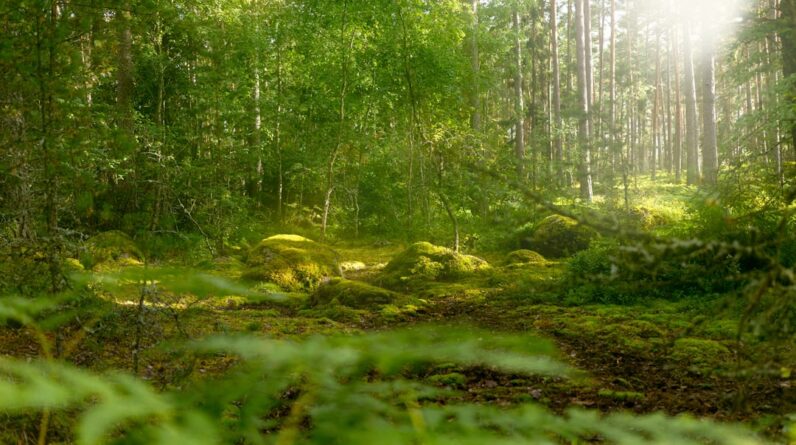
Tree planting is not merely an act of placing a sapling in the ground; it is a commitment to nurturing life and fostering a healthier planet. As you engage in this vital activity, you contribute to the restoration of ecosystems, the enhancement of biodiversity, and the mitigation of climate change. Trees play a crucial role in absorbing carbon dioxide, releasing oxygen, and providing habitats for countless species.
By planting trees, you are actively participating in a global effort to combat environmental degradation and promote sustainability. Moreover, the act of planting trees can have profound social and economic implications. Communities that prioritize tree planting often experience improved air quality, reduced urban heat, and enhanced aesthetic appeal.
As you plant trees, you are not only investing in the environment but also in the well-being of your community. The shade provided by trees can lower energy costs, while their presence can increase property values. Thus, tree planting is a multifaceted endeavor that benefits both the planet and society at large.
Key Takeaways
- Tree planting is important for environmental conservation and combating climate change
- The right location for planting trees is crucial for their growth and survival
- Choosing the right tree species for the specific location and climate is essential for successful tree planting
- Proper care and maintenance, including watering and pruning, are important for the health of newly planted trees
- Tree planting has a positive impact on the environment by improving air quality, reducing erosion, and providing habitat for wildlife
The Right Location for Planting Trees
Selecting the right location for planting trees is crucial to their survival and growth. You must consider factors such as soil type, sunlight exposure, and proximity to existing structures. Ideally, you want to choose a site that offers ample sunlight, as most tree species thrive in bright conditions.
However, it is equally important to ensure that the location has well-draining soil to prevent waterlogging, which can lead to root rot and other issues. Additionally, think about the long-term implications of your chosen location. As trees mature, they will require space to grow both above and below ground.
You should avoid planting too close to buildings, power lines, or other infrastructure that could be damaged by the tree’s growth. By carefully assessing the site and considering these factors, you can set your trees up for success and ensure they flourish for years to come.
Choosing the Right Tree Species
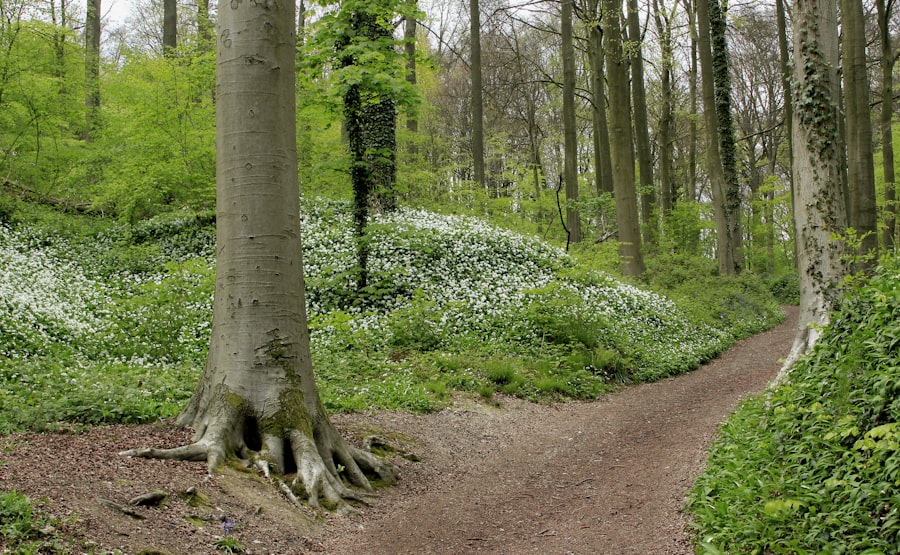
When it comes to tree planting, selecting the right species is paramount. You need to consider your local climate, soil conditions, and the specific purpose you have in mind for the trees. Native species are often the best choice because they are adapted to local conditions and provide essential habitats for local wildlife.
By choosing native trees, you can help maintain the ecological balance in your area while also ensuring that your trees thrive. In addition to native species, think about the characteristics you desire in your trees. Do you want fast-growing trees that provide quick shade?
Or perhaps you prefer slow-growing varieties that offer unique aesthetics? Researching different species will help you make informed decisions that align with your goals. By taking the time to choose the right tree species, you can create a vibrant landscape that enhances both your environment and your community.
The Importance of Proper Care and Maintenance
Once you’ve planted your trees, proper care and maintenance become essential for their survival and growth. You must be diligent in watering them during dry spells, especially in their early years when they are establishing their root systems. Mulching around the base of the tree can help retain moisture and suppress weeds that compete for nutrients.
Regularly checking for pests or diseases is also crucial; early detection can make a significant difference in managing any issues that arise. In addition to watering and pest management, pruning is an important aspect of tree care. Pruning helps shape the tree and encourages healthy growth by removing dead or diseased branches.
It also improves air circulation within the canopy, reducing the risk of fungal infections. By committing to regular maintenance, you ensure that your trees not only survive but thrive, contributing positively to your environment for generations to come.
The Impact of Tree Planting on the Environment
The environmental impact of tree planting is profound and far-reaching. Trees act as natural air filters, absorbing pollutants and improving air quality. As you plant more trees, you contribute to a decrease in greenhouse gases, which is vital in combating climate change.
Additionally, trees play a significant role in water conservation by reducing runoff and promoting groundwater recharge. Their root systems help stabilize soil, preventing erosion and maintaining healthy ecosystems. Furthermore, trees provide essential habitats for wildlife, supporting biodiversity in your area.
By creating green spaces through tree planting, you encourage various species to thrive, from birds to insects. This biodiversity is crucial for maintaining ecological balance and resilience against environmental changes. Your efforts in tree planting can lead to healthier ecosystems that benefit not only wildlife but also human communities.
Overcoming Challenges in Tree Planting
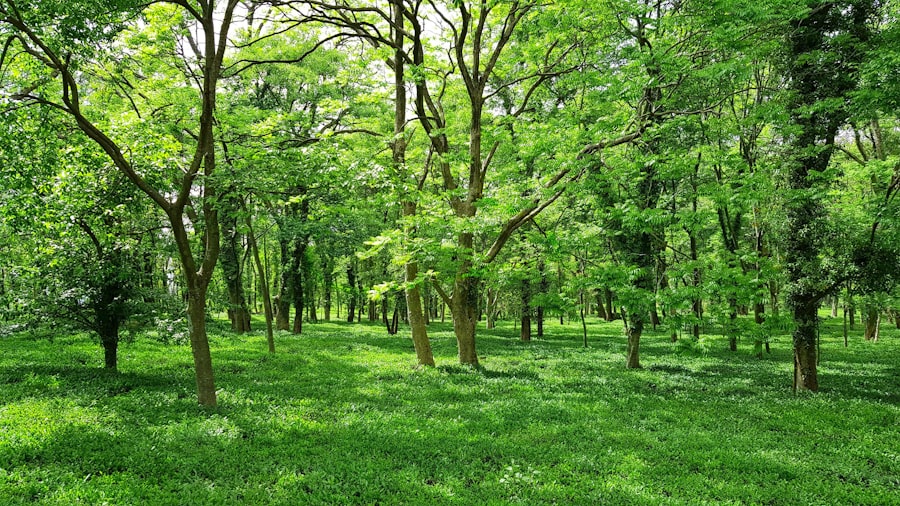
While tree planting is a rewarding endeavor, it is not without its challenges. You may encounter obstacles such as poor soil conditions, extreme weather events, or even local wildlife that may threaten young saplings. To overcome these challenges, it is essential to be prepared and informed.
Conducting soil tests can help you understand what amendments may be necessary for optimal growth. Additionally, selecting resilient tree species that can withstand local climate conditions will increase your chances of success. Another challenge you might face is community engagement and support.
Sometimes, people may not understand the importance of tree planting or may be resistant to change. To address this issue, consider organizing community events or educational workshops that highlight the benefits of trees. By fostering a sense of community involvement and awareness, you can create a supportive environment for your tree planting initiatives.
The Benefits of Planting 100 Trees
Planting 100 trees may seem like a daunting task, but the benefits are immense and far-reaching. First and foremost, this initiative can significantly enhance local biodiversity by providing habitats for various species. Each tree planted contributes to a larger ecosystem that supports wildlife and promotes ecological balance.
As you plant these trees, you are creating a legacy that will benefit future generations. Moreover, consider the social impact of planting 100 trees within your community. This initiative can serve as a catalyst for community engagement and collaboration.
It can inspire others to take action and participate in environmental stewardship efforts. The visual transformation of an area with 100 new trees can also improve mental well-being among residents by providing green spaces for relaxation and recreation. Ultimately, this endeavor not only enriches the environment but also strengthens community bonds.
Tips for Others Interested in Tree Planting
If you’re inspired to embark on your own tree planting journey, there are several tips to keep in mind that will enhance your experience and increase your chances of success. First, start small; whether it’s one tree or a few saplings at a time, every effort counts. As you gain confidence and knowledge about tree care and maintenance, you can gradually expand your efforts.
Engaging with local organizations or community groups focused on environmental initiatives can also provide valuable resources and support. These groups often have experience with tree planting projects and can offer guidance on best practices or even assist with organizing events. Additionally, consider documenting your journey through photos or journals; this not only helps track progress but also inspires others who may be interested in joining your cause.
In conclusion, tree planting is an impactful endeavor that requires careful consideration of location, species selection, maintenance practices, and community involvement. By understanding its importance and embracing the challenges it presents, you can contribute positively to both the environment and society as a whole. Whether you’re planting one tree or aiming for a hundred, every effort counts toward creating a greener future for all.
After planting 100 trees, I realized the significant impact that reforestation can have on combating deforestation. I came across an insightful article on this article.
FAQs
What motivated you to plant 100 trees?
The motivation behind planting 100 trees was to contribute to environmental conservation and combat climate change.
What were the challenges you faced while planting the trees?
Some of the challenges faced while planting the trees included finding suitable locations, obtaining the necessary permissions, and ensuring the survival of the newly planted trees.
What did you learn from planting 100 trees?
Planting 100 trees provided valuable insights into the importance of reforestation, the impact of individual actions on the environment, and the significance of long-term tree care and maintenance.
How did planting 100 trees contribute to the environment?
Planting 100 trees helped to improve air quality, reduce carbon dioxide levels, restore wildlife habitats, and enhance overall biodiversity in the area.
What advice would you give to others interested in planting trees?
It is important to carefully select tree species that are native to the area, plan for long-term tree care, and collaborate with local communities and organizations to maximize the impact of tree planting efforts.