
Reforestation plays a crucial role in the preservation and enhancement of wildlife habitats. As you may know, forests are home to a vast array of species, providing them with food, shelter, and breeding grounds. When deforestation occurs, these habitats are destroyed, leading to a decline in biodiversity.
By replanting trees and restoring forested areas, you can help create a more stable environment for wildlife to thrive. This process not only aids in the recovery of endangered species but also supports the overall health of ecosystems. Moreover, reforestation contributes to the restoration of ecological balance.
Forests act as carbon sinks, absorbing carbon dioxide from the atmosphere and mitigating climate change. When you engage in reforestation efforts, you are not only helping wildlife but also addressing global environmental issues. The interconnectedness of species within these ecosystems means that when you restore one part of the habitat, you are indirectly supporting countless others.
Thus, reforestation is not merely an act of planting trees; it is a vital step toward ensuring the survival of diverse wildlife populations.
Key Takeaways
- Reforestation is crucial for providing habitats and food sources for wildlife, and for restoring ecological balance.
- Habitats play a vital role in wildlife conservation by providing shelter, food, and breeding grounds for various species.
- Selecting the right tree species is essential for reforestation projects to ensure that they meet the specific needs of local wildlife.
- Best practices and techniques for implementing reforestation projects include careful planning, proper site preparation, and maintenance of newly planted trees.
- Monitoring and evaluating the impact of reforestation on wildlife is important for assessing the success of the project and making necessary adjustments.
Understanding the Role of Habitats in Wildlife Conservation
Habitats serve as the foundation for wildlife conservation, providing the necessary resources for animals to survive and reproduce. Each species has specific habitat requirements, and understanding these needs is essential for effective conservation efforts. As you delve into wildlife conservation, you will discover that preserving existing habitats is just as important as creating new ones.
Healthy habitats support food chains, maintain genetic diversity, and offer refuge from predators and environmental changes. In your journey to understand habitats, consider the various types of ecosystems that exist, such as forests, wetlands, grasslands, and deserts. Each ecosystem has its unique characteristics and species that depend on it.
By recognizing the importance of these habitats, you can better appreciate the delicate balance that sustains wildlife populations. Conservation strategies must focus on protecting these environments from degradation and fragmentation, ensuring that wildlife can continue to thrive in their natural settings.
Selecting the Right Tree Species for Reforestation Projects

Choosing the appropriate tree species for reforestation is a critical step in ensuring the success of your project. You must consider factors such as local climate, soil type, and the specific needs of the wildlife you aim to support. Native tree species are often the best choice, as they have evolved alongside local fauna and flora, creating a harmonious ecosystem.
By selecting native trees, you can help restore the natural balance and provide food and shelter for indigenous wildlife. Additionally, it is essential to think about the long-term sustainability of your reforestation efforts. Some tree species grow faster than others or are more resilient to pests and diseases.
As you plan your project, consider incorporating a mix of species to enhance biodiversity and resilience against environmental changes. This diversity not only benefits wildlife but also contributes to the overall health of the forest ecosystem. By carefully selecting tree species, you can create a thriving habitat that supports both wildlife and the environment.
Implementing Reforestation Projects: Best Practices and Techniques
When it comes to implementing reforestation projects, following best practices can significantly increase your chances of success. Start by conducting thorough research on the area where you plan to plant trees. Assess the soil quality, existing vegetation, and local climate conditions to determine the most suitable approach for your project.
Engaging with local experts or organizations can provide valuable insights and help you avoid common pitfalls. Once you have a solid plan in place, consider using techniques such as direct seeding or planting seedlings. Direct seeding involves sowing seeds directly into the ground, which can be a cost-effective method for large areas.
On the other hand, planting seedlings allows for more control over growth conditions and can lead to quicker establishment of trees. Whichever method you choose, ensure that you monitor soil moisture levels and provide adequate care during the early stages of growth. By following these best practices, you can maximize the impact of your reforestation efforts on wildlife habitats.
Monitoring and Evaluating the Impact of Reforestation on Wildlife
Monitoring and evaluating the impact of your reforestation project is essential for understanding its effectiveness in supporting wildlife populations. You should establish clear metrics to assess changes in biodiversity, habitat quality, and wildlife behavior over time. Regular surveys can help you track the progress of your project and identify any challenges that may arise.
This data will not only inform your current efforts but also contribute to future reforestation initiatives. In addition to quantitative measures, qualitative assessments can provide valuable insights into how wildlife interacts with the newly restored habitat. Observing animal behavior and population dynamics can reveal how well your reforestation efforts are meeting their goals.
Engaging with local researchers or conservation organizations can enhance your monitoring efforts by providing expertise and resources. By systematically evaluating your project’s impact, you can make informed decisions that benefit both wildlife and the environment.
Engaging Local Communities in Reforestation Efforts
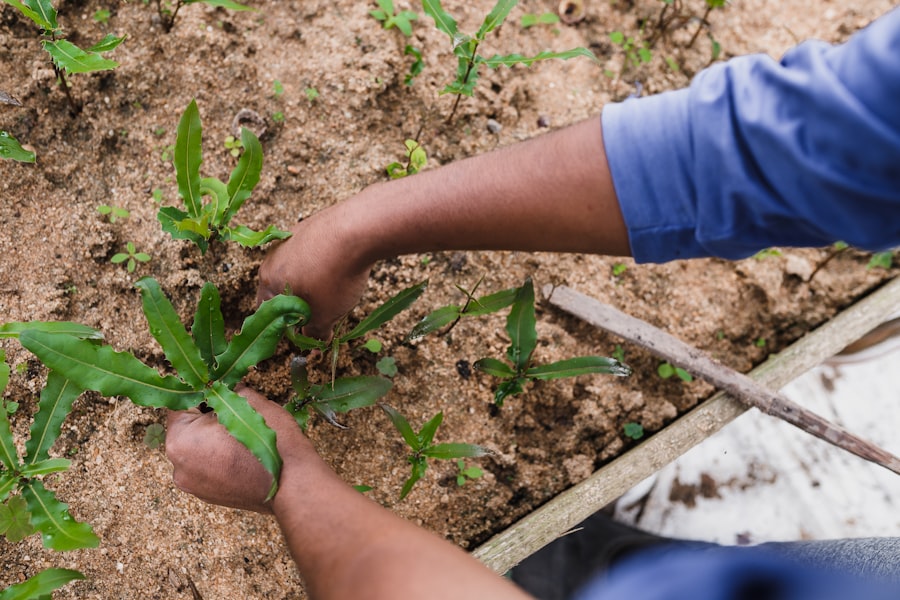
Engaging local communities in reforestation efforts is vital for ensuring long-term success and sustainability. When communities are involved in the planning and implementation of projects, they are more likely to take ownership and responsibility for the outcomes. You can foster this engagement by organizing workshops or informational sessions that educate community members about the importance of reforestation for wildlife conservation.
Additionally, consider creating opportunities for community members to participate in hands-on activities such as tree planting or habitat restoration events. These experiences not only build a sense of community but also instill a deeper appreciation for local ecosystems. By involving local residents in your reforestation efforts, you can create a network of advocates who are committed to protecting wildlife habitats for future generations.
Success Stories: Reforestation Projects and Wildlife Rehabilitation
Across the globe, numerous success stories highlight the positive impact of reforestation projects on wildlife rehabilitation. For instance, in Costa Rica, extensive reforestation efforts have led to a remarkable recovery of various species, including howler monkeys and scarlet macaws. By restoring degraded lands with native tree species, these projects have created vital corridors for wildlife movement and improved overall biodiversity.
Another inspiring example comes from China’s Loess Plateau, where large-scale reforestation initiatives have transformed barren landscapes into thriving ecosystems. This restoration has not only benefited local wildlife but has also improved soil quality and water retention in the region. These success stories demonstrate that with dedication and proper planning, reforestation can lead to significant improvements in wildlife populations and ecosystem health.
The Future of Reforestation: Innovations and Opportunities for Wildlife Conservation
As we look toward the future of reforestation, innovations in technology and sustainable practices present exciting opportunities for wildlife conservation. Advances in drone technology allow for efficient mapping of potential reforestation sites and even aerial seeding in hard-to-reach areas. These tools can streamline the process and increase the scale at which reforestation projects can be implemented.
Furthermore, integrating community-based approaches with scientific research can enhance the effectiveness of reforestation efforts. By leveraging local knowledge alongside modern conservation techniques, you can create more resilient ecosystems that support diverse wildlife populations. The future holds great promise for reforestation as a powerful tool for wildlife conservation—one that combines innovation with community engagement to create lasting change for our planet’s ecosystems.
If you are interested in learning more about the importance of healthy forests for biodiversity, you should check out the article Biodiversity Reservoir by Having Healthy Forest. This article discusses how forests serve as crucial habitats for a wide variety of plant and animal species, highlighting the need for reforestation efforts like those described in “Reforesting for Wildlife: Creating Habitats with Purpose.”
FAQs
What is reforesting for wildlife?
Reforesting for wildlife is the process of planting trees and restoring natural habitats to create suitable environments for various species of wildlife to thrive.
Why is reforesting for wildlife important?
Reforesting for wildlife is important because it helps to restore and protect natural habitats for various species of wildlife, which in turn helps to maintain biodiversity and ecological balance.
How does reforesting for wildlife benefit the environment?
Reforesting for wildlife benefits the environment by improving air and water quality, reducing soil erosion, and mitigating the effects of climate change through carbon sequestration.
What are some common techniques used in reforesting for wildlife?
Common techniques used in reforesting for wildlife include planting native tree species, creating wildlife corridors, and implementing sustainable land management practices.
What are some examples of wildlife that benefit from reforestation efforts?
Wildlife that benefit from reforestation efforts include birds, mammals, insects, and other species that rely on forest habitats for food, shelter, and breeding grounds.