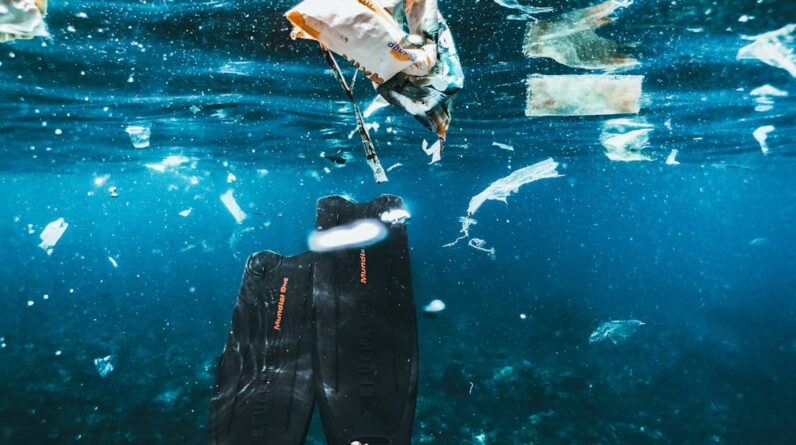
Cleaning our oceans is not just an environmental concern; it is a necessity for the health of our planet and future generations. The oceans cover over 70% of the Earth’s surface and are vital to sustaining life. They regulate climate, provide food, and support a diverse range of ecosystems.
When you think about the oceans, consider how they are interconnected with every aspect of life on Earth. From the air you breathe to the water you drink, the oceans play a crucial role in maintaining the balance of our environment. Therefore, cleaning our oceans is essential for preserving biodiversity and ensuring that marine habitats remain healthy and vibrant.
Moreover, the oceans are a source of livelihood for millions of people worldwide. Fishing, tourism, and recreation are just a few industries that rely heavily on clean and healthy ocean waters. When you engage in ocean cleanup efforts, you are not only protecting marine life but also supporting the economies that depend on these resources.
The health of our oceans directly impacts food security and economic stability for coastal communities. By prioritizing ocean cleanup, you contribute to a sustainable future where both nature and humanity can thrive together.
Key Takeaways
- Cleaning our oceans is crucial for the health of marine life and the overall ecosystem
- Pollution has a devastating impact on marine life, leading to habitat destruction and species endangerment
- Getting involved in ocean cleanup efforts can be as simple as participating in beach cleanups or supporting conservation organizations
- Using eco-friendly cleaning products is essential for minimizing the environmental impact of ocean cleanup efforts
- Organizing a community beach cleanup is a great way to make a tangible difference in reducing ocean pollution
The Impact of Pollution on Marine Life
Pollution poses a significant threat to marine life, affecting everything from the smallest plankton to the largest whales. When you consider the various forms of pollution—plastic waste, chemical runoff, and oil spills—you begin to understand the devastating effects they have on ocean ecosystems. Marine animals often ingest plastic debris, mistaking it for food, which can lead to malnutrition, internal injuries, or even death.
Additionally, toxic substances can accumulate in the bodies of marine organisms, disrupting their reproductive systems and leading to population declines. The ripple effect of pollution can be felt throughout the food chain, ultimately impacting human health as well. Furthermore, pollution alters the delicate balance of marine ecosystems.
Coral reefs, often referred to as the “rainforests of the sea,” are particularly vulnerable to pollution. When you think about coral bleaching caused by rising water temperatures and nutrient runoff, it becomes clear that pollution can lead to the destruction of entire habitats. This not only affects the species that rely on coral reefs for shelter and food but also diminishes the beauty and biodiversity that attract tourists and researchers alike.
By understanding the impact of pollution on marine life, you can better appreciate the urgency of ocean cleanup initiatives.
Ways to Get Involved in Ocean Cleanup Efforts

Getting involved in ocean cleanup efforts is easier than you might think. One of the most effective ways to contribute is by participating in local beach cleanups. Many organizations host regular events where volunteers gather to remove trash from shorelines.
By joining these efforts, you not only help clean up your local environment but also raise awareness about the importance of keeping our oceans clean. You can check community boards or social media platforms for upcoming events in your area. Bringing friends or family along can make it a fun and rewarding experience while fostering a sense of community.
In addition to beach cleanups, you can also advocate for policy changes that promote ocean conservation. Writing letters to your local representatives or participating in campaigns aimed at reducing plastic use can amplify your voice in the fight against ocean pollution. Educating yourself and others about sustainable practices is another impactful way to get involved.
You can host workshops or discussions in your community to share knowledge about ocean conservation and inspire others to take action. Every small effort counts, and by engaging with your community, you can create a ripple effect that leads to significant change.
Eco-Friendly Cleaning Products for Ocean Cleanup
When it comes to cleaning up our oceans, using eco-friendly cleaning products is essential. Traditional cleaning agents often contain harmful chemicals that can leach into waterways and contribute to pollution. By opting for biodegradable and non-toxic alternatives, you can minimize your impact on marine ecosystems while still maintaining a clean environment at home.
Look for products that are labeled as environmentally friendly or consider making your own cleaning solutions using natural ingredients like vinegar, baking soda, and essential oils. In addition to household cleaning products, consider the impact of personal care items such as shampoos, soaps, and detergents. Many conventional products contain microbeads or harmful chemicals that can wash into the ocean during use.
By choosing brands that prioritize sustainability and transparency in their ingredient sourcing, you contribute to reducing pollution at its source. Supporting companies that are committed to eco-friendly practices not only helps protect marine life but also encourages more businesses to adopt sustainable methods.
Organizing a Community Beach Cleanup
Organizing a community beach cleanup can be a fulfilling way to make a tangible difference in your local environment. Start by gathering a group of like-minded individuals who share your passion for ocean conservation. You can reach out to local schools, environmental organizations, or social media groups to spread the word about your initiative.
Once you have a team in place, choose a date and location for the cleanup, ensuring that it aligns with local regulations and tide schedules. Promoting your event is crucial for attracting volunteers. Create flyers or social media posts that highlight the importance of ocean cleanup and provide details about what participants should bring—such as gloves, trash bags, and water bottles.
On the day of the event, make sure to have a plan in place for sorting and disposing of collected waste responsibly. Afterward, consider hosting a small gathering to celebrate your efforts and discuss ways to continue advocating for ocean conservation in your community.
Supporting Organizations and Initiatives for Ocean Conservation

Supporting organizations dedicated to ocean conservation is another impactful way to contribute to cleaning our oceans. Many non-profits focus on various aspects of marine protection, from research and education to direct action initiatives like beach cleanups and wildlife rescue efforts. By donating your time or resources to these organizations, you help amplify their mission and expand their reach in protecting marine ecosystems.
You can also participate in fundraising events or awareness campaigns organized by these groups. Whether it’s attending a gala dinner or joining an online fundraiser, your involvement can help raise critical funds needed for research and conservation projects. Additionally, spreading awareness about these organizations through social media or word-of-mouth can encourage others to get involved as well.
By supporting established initiatives, you become part of a larger movement dedicated to preserving our oceans for future generations.
The Role of Government and Policy in Ocean Cleanup
Government policies play a crucial role in shaping the future of our oceans. Legislation aimed at reducing plastic waste, regulating fishing practices, and protecting marine habitats is essential for effective ocean cleanup efforts. As an engaged citizen, you have the power to influence these policies by advocating for stronger environmental regulations at local, national, and international levels.
Writing letters to your representatives or participating in public forums can help raise awareness about the importance of ocean conservation. Moreover, governments can allocate funding for research and cleanup initiatives that target specific areas affected by pollution. Supporting policies that promote sustainable practices within industries such as fishing and tourism is vital for long-term ocean health.
By staying informed about current legislation related to ocean conservation and actively participating in advocacy efforts, you contribute to creating a more sustainable future for our oceans.
Tips for Reducing Plastic Waste and Pollution in Daily Life
Reducing plastic waste in your daily life is one of the most effective ways you can contribute to ocean cleanup efforts. Start by evaluating your consumption habits—consider using reusable bags when shopping, opting for glass or stainless steel containers instead of single-use plastics, and choosing products with minimal packaging. Small changes in your daily routine can significantly reduce the amount of plastic waste that ends up in landfills and ultimately makes its way into our oceans.
Additionally, be mindful of your recycling practices. Familiarize yourself with local recycling guidelines to ensure that you are disposing of materials correctly. Educating yourself about which items are recyclable can help prevent contamination in recycling streams.
You might also consider participating in local recycling programs or initiatives aimed at reducing plastic waste within your community. By making conscious choices every day, you play an essential role in protecting our oceans from pollution while inspiring others to do the same. In conclusion, cleaning our oceans is an urgent task that requires collective action from individuals, communities, governments, and organizations alike.
By understanding the importance of this issue and taking steps to get involved—whether through beach cleanups, supporting eco-friendly products, or advocating for policy changes—you contribute significantly to preserving marine ecosystems for future generations. Your efforts matter; every action counts in the fight against ocean pollution.
If you’re interested in learning more about the positive impact of tree planting on the environment, check out this article on preventing floods by massive tree planting. It discusses how planting trees can help prevent floods and protect our communities. Additionally, you may want to read about how planting trees helps combat deforestation and how reforestation benefits the environment. These articles provide valuable insights into the importance of tree planting for a healthier planet.
FAQs
What are the main sources of ocean pollution?
The main sources of ocean pollution include plastic waste, industrial discharge, agricultural runoff, and oil spills.
How does ocean pollution affect marine life?
Ocean pollution can harm marine life through ingestion of plastic, entanglement in debris, and exposure to toxic chemicals. It can also disrupt ecosystems and food chains.
What are some eco-friendly ways to clean our oceans?
Eco-friendly ways to clean our oceans include organizing beach clean-ups, reducing plastic use, supporting legislation to regulate pollution, and promoting sustainable fishing practices.
What role can individuals play in cleaning our oceans?
Individuals can contribute to cleaning our oceans by reducing their plastic consumption, properly disposing of waste, supporting eco-friendly products, and participating in local clean-up efforts.
What are some organizations working to clean our oceans?
There are several organizations working to clean our oceans, including The Ocean Cleanup, Ocean Conservancy, Surfrider Foundation, and 4ocean. These organizations focus on research, advocacy, and direct clean-up efforts.