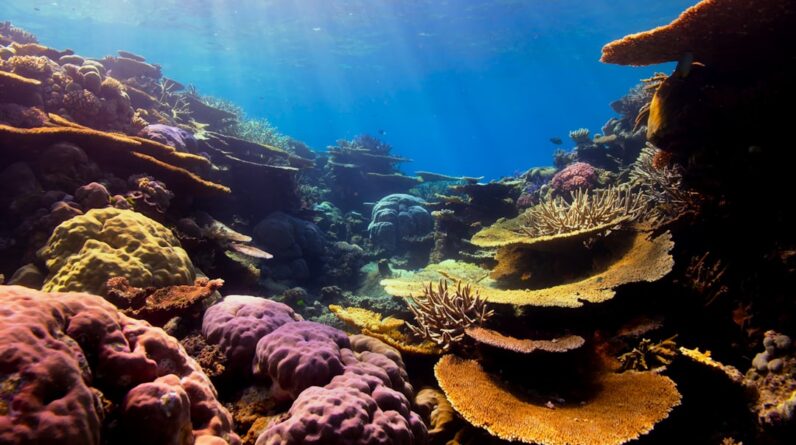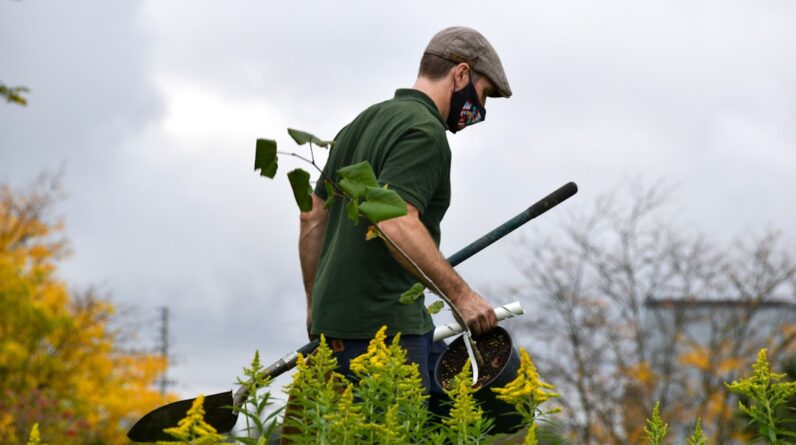
Reforestation plays a crucial role in combating water pollution, a pressing issue that affects ecosystems and human health alike. When you consider the myriad ways in which trees contribute to environmental stability, it becomes clear that their presence is vital for maintaining clean water sources. Trees act as natural filters, absorbing pollutants and preventing them from entering waterways.
By restoring forested areas, you not only enhance biodiversity but also create a buffer that protects water bodies from harmful contaminants. This is particularly important in urban areas where industrial runoff and sewage can severely degrade water quality. Moreover, reforestation helps to mitigate the effects of climate change, which is increasingly linked to water pollution.
As temperatures rise and weather patterns shift, the risk of flooding and erosion increases, leading to more sediment and pollutants being washed into rivers and lakes. By planting trees, you can help stabilize the soil and reduce the likelihood of these events. The roots of trees bind the soil together, making it less susceptible to erosion and ensuring that the water that flows into nearby bodies remains cleaner.
Thus, reforestation is not just an environmental initiative; it is a necessary strategy for safeguarding our water resources.
Key Takeaways
- Reforestation plays a crucial role in controlling water pollution by reducing runoff and filtering contaminants.
- Trees help prevent soil erosion and sedimentation by stabilizing the soil with their roots and reducing the impact of rainfall on the ground.
- Reforestation contributes to filtering and purifying water by trapping pollutants and improving water quality.
- Deforestation has a negative impact on water quality and sedimentation, leading to increased pollution and degradation of aquatic ecosystems.
- Successful reforestation projects have shown significant improvements in water quality and the restoration of healthy aquatic ecosystems.
How Trees Help Prevent Soil Erosion and Sedimentation
Trees are nature’s engineers, playing a pivotal role in preventing soil erosion and sedimentation. When you think about the impact of heavy rainfall or rapid snowmelt, it becomes evident that without trees, soil can easily wash away, leading to significant land degradation. The extensive root systems of trees anchor the soil in place, reducing the speed at which water flows over the land.
This anchoring effect is essential in maintaining the integrity of the landscape and preventing the loss of fertile topsoil, which is crucial for agriculture and natural ecosystems alike. In addition to stabilizing soil, trees also help to slow down water runoff. When rain falls on a forested area, the canopy intercepts much of the precipitation, allowing it to drip slowly to the ground rather than rushing off in torrents.
This gradual absorption not only reduces erosion but also allows for better infiltration of water into the soil. As a result, groundwater levels are replenished, and the risk of flooding downstream is diminished. By understanding these processes, you can appreciate how reforestation serves as a natural solution to combat soil erosion and sedimentation, ultimately leading to healthier waterways.
The Role of Reforestation in Filtering and Purifying Water
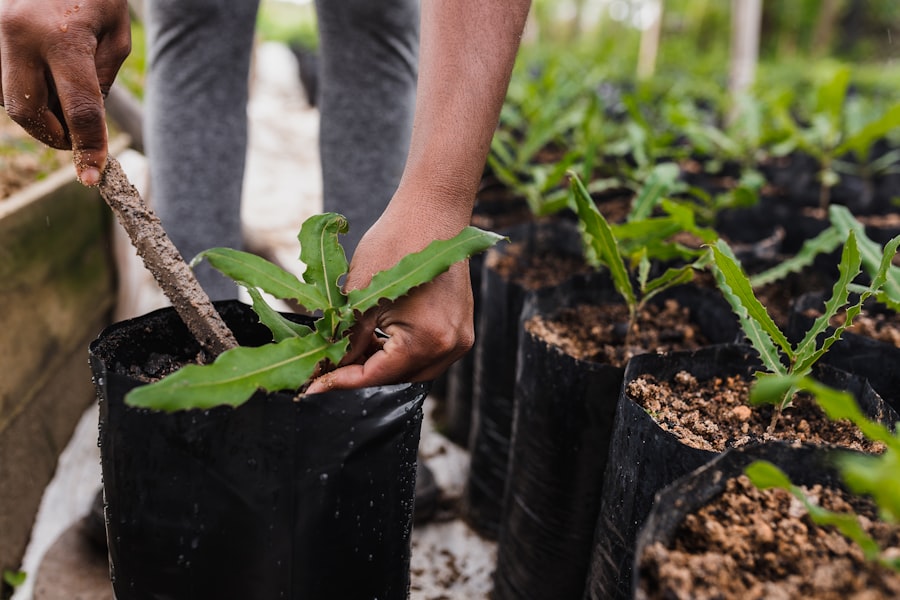
Reforestation is instrumental in filtering and purifying water before it reaches rivers and lakes. Trees and their associated vegetation act as natural barriers that trap pollutants such as heavy metals, pesticides, and nutrients from agricultural runoff. When you walk through a forest, you may notice how the underbrush and leaf litter absorb excess nutrients and contaminants, preventing them from leaching into nearby water sources.
This natural filtration system is essential for maintaining water quality, especially in areas where agricultural practices are prevalent. Furthermore, the presence of trees enhances the overall health of watersheds. As you delve deeper into the mechanics of how trees interact with water systems, you’ll find that they contribute to the hydrological cycle by facilitating evaporation and transpiration.
This process not only helps regulate local climates but also ensures that water is cycled efficiently through ecosystems. By reforesting areas that have been stripped of their tree cover, you can significantly improve the quality of water that flows into rivers and lakes, benefiting both wildlife and human populations.
The Impact of Deforestation on Water Quality and Sedimentation
Deforestation has dire consequences for water quality and sedimentation levels in nearby bodies of water. When trees are removed from an area, the protective cover they provide is lost, leading to increased runoff and erosion. You may not realize it, but this loss can result in a cascade of negative effects on aquatic ecosystems.
Without trees to stabilize the soil, sediments can wash into rivers and lakes, clouding the water and smothering aquatic habitats. This sedimentation can disrupt the delicate balance of life in these ecosystems, affecting everything from fish populations to plant growth. Moreover, deforestation often leads to an increase in pollutants entering waterways.
As you consider the implications of land clearing for agriculture or urban development, it’s important to recognize that these activities often introduce fertilizers, pesticides, and other harmful substances into the environment. Without trees to filter these contaminants, they can easily make their way into streams and rivers, degrading water quality and posing risks to both human health and wildlife. Understanding the impact of deforestation on water systems underscores the urgent need for reforestation efforts aimed at restoring balance to our ecosystems.
Case Studies of Successful Reforestation Projects
Examining successful reforestation projects can provide valuable insights into how these initiatives can effectively improve water quality. One notable example is the reforestation efforts in Costa Rica, where extensive programs have been implemented to restore degraded lands. By planting native tree species across various regions, Costa Rica has seen significant improvements in watershed health.
The reforested areas have not only enhanced biodiversity but have also led to cleaner rivers and improved water availability for local communities. Another compelling case study comes from Ethiopia’s Green Legacy Initiative, which aims to combat deforestation by planting billions of trees across the country. This ambitious project has garnered international attention for its focus on restoring ecosystems while addressing climate change challenges.
As you explore these case studies, you’ll find that successful reforestation not only improves water quality but also fosters community engagement and economic development through sustainable practices. These examples serve as powerful reminders of what can be achieved when communities come together to prioritize environmental restoration.
The Connection Between Reforestation and Healthy Aquatic Ecosystems
The connection between reforestation and healthy aquatic ecosystems is profound and multifaceted. When you consider how forests interact with waterways, it becomes clear that trees play an essential role in maintaining ecological balance. Forested areas provide critical habitat for numerous species that rely on clean water for survival.
By reforesting riverbanks and wetlands, you create a buffer zone that supports diverse wildlife while simultaneously protecting water quality. Additionally, healthy aquatic ecosystems are vital for human well-being. Clean rivers and lakes provide drinking water, recreational opportunities, and support local economies through fishing and tourism.
When you engage in reforestation efforts, you are not only contributing to environmental health but also ensuring that future generations have access to these essential resources. The symbiotic relationship between forests and aquatic ecosystems highlights the importance of integrated conservation strategies that prioritize both land and water management.
Government Policies and Initiatives for Reforestation and Water Pollution Control
Government policies play a pivotal role in promoting reforestation as a means of controlling water pollution. Many countries have recognized the importance of sustainable land management practices and have implemented initiatives aimed at restoring forested areas. For instance, you may find that various nations have established financial incentives for landowners who engage in reforestation efforts or adopt sustainable agricultural practices that minimize runoff.
In addition to financial incentives, governments often collaborate with non-profit organizations and local communities to develop comprehensive reforestation programs. These initiatives may include educational campaigns aimed at raising awareness about the benefits of trees for water quality or providing technical assistance for planting native species. By supporting such policies, you can contribute to a larger movement focused on environmental restoration and pollution control.
How Individuals Can Contribute to Reforestation Efforts for Water Quality Improvement
As an individual, your contributions to reforestation efforts can have a significant impact on improving water quality in your community. One effective way to get involved is by participating in local tree-planting events or supporting organizations dedicated to reforestation initiatives. By volunteering your time or donating resources, you can help restore degraded lands while fostering a sense of community stewardship.
Additionally, you can advocate for sustainable practices within your own lifestyle. Simple actions such as reducing plastic use or supporting local farmers who practice environmentally friendly agriculture can contribute to cleaner waterways. By spreading awareness about the importance of reforestation for water quality improvement among your friends and family, you can inspire others to take action as well.
Every small effort counts when it comes to protecting our precious water resources through reforestation initiatives. In conclusion, reforestation is an essential strategy for controlling water pollution and ensuring healthy ecosystems. By understanding its importance in preventing soil erosion, filtering pollutants, and supporting aquatic life, you can appreciate how vital trees are to our environment.
Through collective efforts at both governmental and individual levels, we can work towards restoring our forests and safeguarding our water resources for generations to come.
If you are interested in learning more about the importance of healthy forests and their impact on biodiversity, I recommend checking out the article Biodiversity Reservoir by Having Healthy Forest. This article delves into how reforestation efforts can create a thriving ecosystem that supports a wide variety of plant and animal species. It also highlights the role that forests play in maintaining a balanced and sustainable environment.
FAQs
What is reforestation?
Reforestation is the process of planting trees in areas where forests have been depleted or destroyed. It aims to restore the ecological balance and improve the quality of the environment.
How does reforestation help control water pollution?
Reforestation helps control water pollution by reducing the amount of pollutants that enter water bodies. Trees act as natural filters, trapping pollutants and preventing them from reaching streams, rivers, and lakes.
How does reforestation help control sedimentation?
Reforestation helps control sedimentation by stabilizing soil and preventing erosion. Tree roots hold soil in place, reducing the amount of sediment that is washed into water bodies during rainfall and runoff.
What are the benefits of reforestation for water quality?
Reforestation improves water quality by reducing the amount of sediment, nutrients, and pollutants that enter water bodies. It also helps to regulate water flow and maintain healthy aquatic ecosystems.
What are some examples of reforestation projects aimed at controlling water pollution and sedimentation?
Examples of reforestation projects include planting trees along riverbanks, restoring riparian zones, and creating buffer strips between agricultural land and water bodies. These projects help to protect water quality and reduce sedimentation.