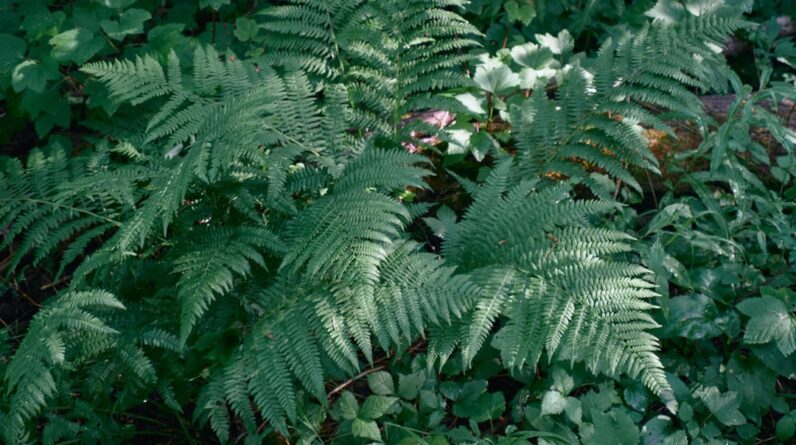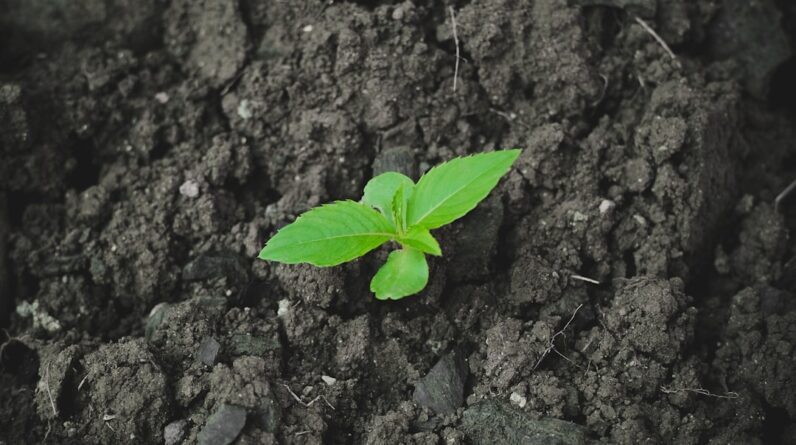
Forests play a crucial role in regulating water systems, acting as natural sponges that absorb rainfall and release it slowly into the atmosphere and waterways. When you think about forests, you might picture towering trees and lush undergrowth, but their significance extends far beyond aesthetics. They are vital for maintaining the hydrological cycle, which is essential for sustaining life on Earth.
As rain falls, forests intercept a significant portion of it, allowing for gradual infiltration into the soil rather than immediate runoff. This process not only helps to maintain local water tables but also ensures that rivers and streams receive a steady flow of water throughout the year. Moreover, forests contribute to the purification of water.
As water filters through the soil and forest litter, it is naturally cleansed of pollutants and sediments. This filtration process is essential for maintaining the quality of water that eventually reaches rivers, lakes, and aquifers. When you consider the increasing demand for clean water due to population growth and industrial activities, the role of forests in water regulation becomes even more critical.
By preserving these ecosystems, you are not only protecting biodiversity but also ensuring that future generations have access to clean and reliable water sources.
Key Takeaways
- Forests play a crucial role in regulating water flow and quality, making them essential for sustainable water management.
- Trees act as natural filters, helping to maintain water quality by trapping pollutants and sediment.
- Deforestation can lead to decreased water supply, as trees play a key role in regulating the water cycle and maintaining soil moisture.
- Forests help prevent flooding and erosion by absorbing and slowing down the movement of water, reducing the risk of natural disasters.
- Forests are vital for groundwater recharge, as they help to replenish underground water sources and maintain water levels in aquifers.
- Riparian zones, the areas along rivers and streams, are important for water regulation and are heavily influenced by the presence of forests.
- Forest conservation is essential for sustainable water management, as it helps to maintain the natural processes that regulate water flow and quality.
- Individuals can support forest protection for water regulation by participating in reforestation efforts, reducing their carbon footprint, and advocating for sustainable land use policies.
The Role of Trees in Maintaining Water Quality
Trees are often referred to as the lungs of the Earth, but they also serve as vital guardians of water quality. Their root systems stabilize the soil, preventing erosion and reducing sedimentation in nearby water bodies. When you walk through a forest, you may notice how the ground is often covered with a rich layer of organic matter.
This layer acts as a natural filter, trapping pollutants and preventing them from entering streams and rivers. The leaves and branches of trees also intercept rainfall, allowing water to evaporate slowly rather than rushing into waterways, which can lead to flooding and increased turbidity. In addition to physical filtration, trees contribute to chemical processes that enhance water quality.
They absorb excess nutrients, such as nitrogen and phosphorus, which can lead to algal blooms if they enter aquatic systems unchecked. By taking up these nutrients, trees help maintain a balanced ecosystem both on land and in water. When you consider the impact of agricultural runoff and urban development on water quality, the importance of trees in mitigating these effects cannot be overstated.
By supporting tree growth and forest health, you are actively participating in the preservation of clean water resources.
The Impact of Deforestation on Water Supply
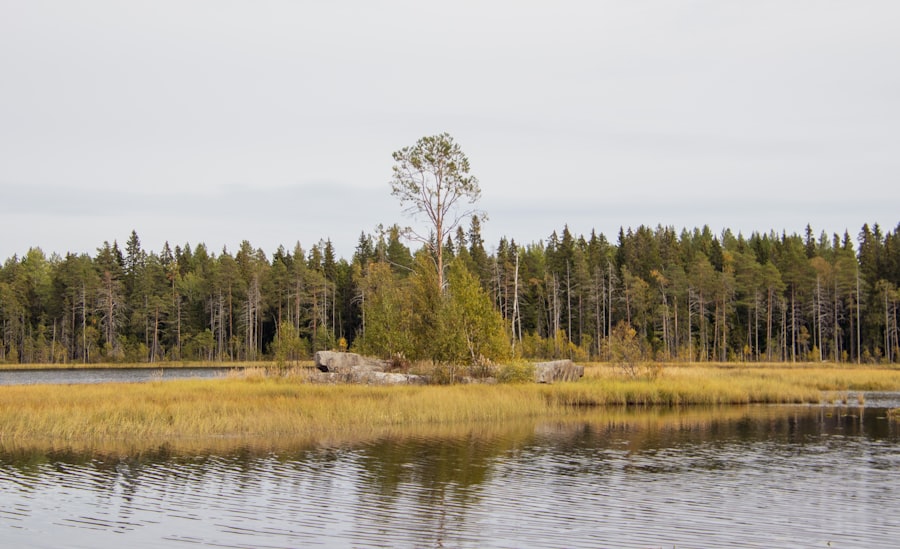
Deforestation poses a significant threat to global water supplies, disrupting the delicate balance that forests maintain within ecosystems. When trees are removed, the soil loses its protective cover, leading to increased erosion and runoff. This not only diminishes the land’s ability to retain moisture but also results in sediment-laden waters that can choke rivers and streams.
As you reflect on the consequences of deforestation, consider how it affects not just local communities but entire regions that rely on consistent water sources for agriculture, drinking, and industry. Furthermore, deforestation can lead to altered precipitation patterns. Forests play a role in influencing local weather systems by releasing moisture into the atmosphere through transpiration.
When large areas of forest are cleared, this process is disrupted, potentially leading to drier conditions and reduced rainfall in surrounding areas. The loss of trees can create a vicious cycle where diminished water supply leads to further land degradation and deforestation as communities struggle to adapt. Understanding these interconnected issues highlights the urgent need for sustainable land management practices that prioritize forest conservation.
How Forests Help to Prevent Flooding and Erosion
Forests serve as natural barriers against flooding and erosion, providing essential protection for both ecosystems and human settlements. When heavy rains occur, forests absorb significant amounts of water, reducing the volume that flows into rivers and streams. This absorption capacity helps mitigate the risk of flooding downstream, protecting homes, infrastructure, and agricultural lands from potential damage.
As you consider your own community’s vulnerability to flooding, think about how nearby forests could play a role in safeguarding against such disasters. In addition to flood prevention, forests are instrumental in controlling soil erosion. The root systems of trees bind soil together, creating a stable environment that resists erosion from wind and water.
Without this natural protection, soils can be washed away during heavy rains or blown away during dry spells, leading to loss of arable land and degradation of habitats. By maintaining healthy forest ecosystems, you contribute to a more resilient landscape that can withstand extreme weather events while preserving vital resources for future generations.
The Connection Between Forests and Groundwater Recharge
Groundwater is an essential resource for many communities around the world, providing drinking water and irrigation for agriculture. Forests play a pivotal role in recharging groundwater supplies by facilitating the infiltration of rainwater into the soil. When you walk through a forest after a rainstorm, you may notice how the ground absorbs moisture rather than allowing it to run off immediately.
This process is crucial for replenishing aquifers that supply wells and springs. Moreover, healthy forests help maintain the quality of groundwater by filtering out contaminants as water percolates through the soil layers. The diverse plant life found in forests contributes to this filtration process by absorbing excess nutrients and pollutants before they can reach groundwater sources.
As you consider your own water usage and its sustainability, remember that supporting forest conservation efforts directly impacts groundwater recharge and quality. By advocating for policies that protect forests, you are helping ensure that clean groundwater remains available for all.
The Role of Riparian Zones in Water Regulation
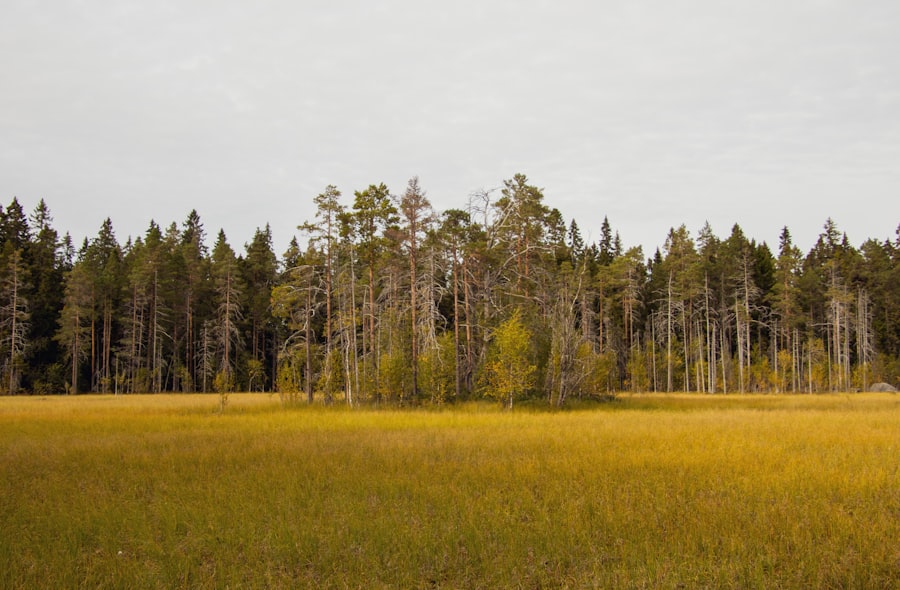
Riparian zones—areas adjacent to rivers and streams—are critical components of forest ecosystems that significantly influence water regulation. These zones are often characterized by lush vegetation that stabilizes banks and provides habitat for diverse wildlife. When you think about riparian zones, consider how they act as buffers between land and water bodies, filtering pollutants before they enter aquatic systems.
The roots of plants in these areas help hold soil in place, reducing erosion while also enhancing water quality. Additionally, riparian zones play a vital role in maintaining streamflow during dry periods. The vegetation in these areas helps retain moisture in the soil, releasing it gradually into nearby waterways.
This process ensures that rivers maintain a consistent flow even during times of drought. As you reflect on your local waterways, consider how protecting riparian zones can enhance both ecological health and community resilience against climate variability.
The Importance of Forest Conservation for Sustainable Water Management
As global populations continue to grow and climate change intensifies, the importance of forest conservation for sustainable water management cannot be overstated. Healthy forests provide numerous ecosystem services that are essential for maintaining clean water supplies and regulating hydrological cycles. By prioritizing conservation efforts, you contribute to a more sustainable future where both people and nature can thrive together.
Investing in forest conservation also means supporting biodiversity, which is crucial for ecosystem resilience. Diverse plant and animal species contribute to healthier forests that can better withstand environmental stressors such as pests or climate fluctuations. When you advocate for policies that protect forests or participate in reforestation initiatives, you are playing an active role in ensuring that these vital ecosystems continue to function effectively in regulating water resources.
How Individuals Can Support the Protection of Forests for Water Regulation
You have the power to make a difference when it comes to supporting forest protection for water regulation. One effective way is by educating yourself and others about the importance of forests in maintaining clean water supplies. Sharing this knowledge within your community can inspire collective action toward conservation efforts.
Additionally, consider participating in local tree-planting initiatives or supporting organizations dedicated to reforestation projects. Another impactful way to support forest conservation is by making sustainable choices in your daily life. Opting for products made from sustainably sourced materials or reducing your consumption of single-use plastics can help lessen the pressure on forest ecosystems.
By being mindful of your environmental footprint, you contribute to a broader movement aimed at preserving forests for future generations while ensuring clean water remains accessible for all. In conclusion, forests are indispensable allies in regulating water resources and maintaining ecological balance. Their multifaceted roles—from improving water quality to preventing flooding—underscore the urgent need for their protection.
By understanding these connections and taking action at both individual and community levels, you can help safeguard our planet’s precious forests and ensure sustainable water management for years to come.
If you are interested in learning more about how planting trees can help the environment, check out the article How Does Planting Trees Help the Environment. This article discusses the various ways in which trees contribute to a healthier planet and the importance of reforestation efforts. It complements the message of The River Keepers by highlighting the crucial role that forests play in regulating our water supply and overall ecosystem health. Visit livelifewithacause.org to read more about environmental conservation and ways to make a positive impact on our planet.
FAQs
What is the role of forests in regulating our water supply?
Forests play a crucial role in regulating our water supply by acting as natural filters and sponges. They help to purify water, reduce erosion, and maintain a steady flow of clean water to rivers and streams.
How do forests help to purify water?
Forests help to purify water by trapping and filtering out pollutants and sediments. The roots of trees and other vegetation also help to absorb excess nutrients and chemicals, improving water quality.
How do forests reduce erosion and maintain a steady flow of clean water?
Forests help to reduce erosion by stabilizing soil with their root systems and preventing sediment from washing into waterways. They also help to maintain a steady flow of clean water by releasing it slowly over time, which helps to prevent flooding and drought.
What are some of the other benefits of forests for water supply?
In addition to regulating water supply, forests also help to recharge groundwater, reduce the risk of landslides and floods, and provide habitat for a diverse range of species that contribute to healthy ecosystems.
What are some threats to forests and their ability to regulate water supply?
Deforestation, urbanization, and climate change are some of the major threats to forests and their ability to regulate water supply. These activities can lead to soil erosion, loss of habitat, and changes in precipitation patterns, which can impact water quality and availability.