As you gaze out at the vast expanse of the ocean, it’s easy to overlook the intricate balance of life that thrives beneath the surface. However, the oceans are facing a significant challenge: oxygen depletion. This phenomenon, often referred to as hypoxia, occurs when oxygen levels in the water drop to a point that is detrimental to marine life.
The causes of this depletion are multifaceted, ranging from climate change and nutrient runoff to overfishing and pollution. As you delve deeper into this issue, you will discover how these factors intertwine to create a pressing environmental crisis that threatens not only marine ecosystems but also the health of our planet. The implications of declining oxygen levels in the ocean are profound.
Marine organisms, from the smallest plankton to the largest whales, rely on oxygen for survival. When oxygen levels fall, it can lead to dead zones—areas where marine life cannot thrive. These dead zones are expanding globally, and their presence is a stark reminder of the urgent need for action.
Understanding the challenges posed by ocean oxygen depletion is crucial for developing effective solutions and ensuring the health of our oceans for future generations.
Key Takeaways
- Ocean oxygen depletion is a significant challenge affecting marine life and ecosystems.
- Marine life is impacted by ocean oxygen depletion, leading to habitat loss and species displacement.
- The technology sector is actively developing solutions to address ocean oxygen depletion, including innovative monitoring and data collection methods.
- Advancements in technology are enabling the development of innovative technologies for oxygen generation in the ocean.
- Collaborative efforts and partnerships in the technology sector are crucial for addressing ocean oxygen depletion and preserving ocean health.
Impact of Ocean Oxygen Depletion on Marine Life
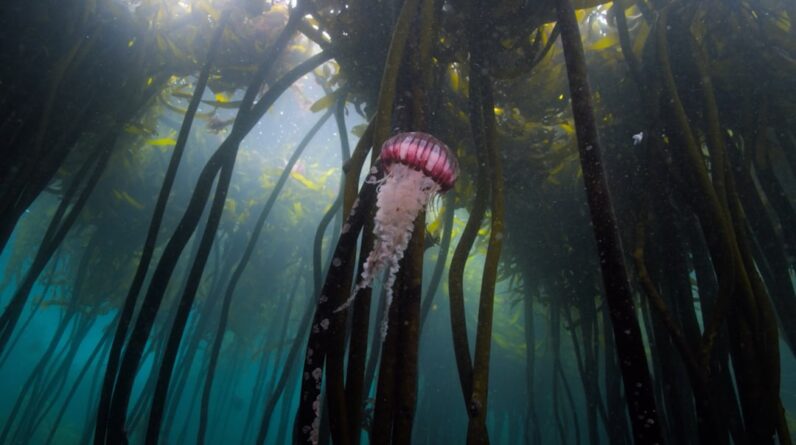
The impact of ocean oxygen depletion on marine life is both immediate and far-reaching. As you consider the various species that inhabit the ocean, it becomes clear that many are highly sensitive to changes in oxygen levels. Fish, for instance, require sufficient oxygen to survive and reproduce.
When oxygen levels drop, fish may experience stress, reduced growth rates, and even mortality. This not only affects individual species but also disrupts entire ecosystems, leading to shifts in population dynamics and biodiversity loss. Moreover, the consequences extend beyond just fish.
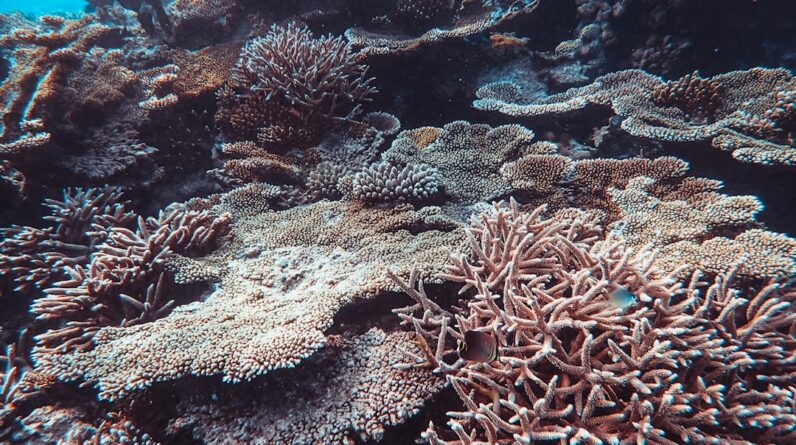
Marine mammals, crustaceans, and even coral reefs are affected by hypoxic conditions. Coral reefs, often referred to as the “rainforests of the sea,” are particularly vulnerable. They rely on a delicate balance of nutrients and oxygen to thrive.
When oxygen levels decline, coral bleaching can occur, leading to widespread reef degradation. As you reflect on these impacts, it becomes evident that ocean oxygen depletion poses a significant threat to marine biodiversity and the overall health of ocean ecosystems.
Current Technological Solutions in the Technology Sector
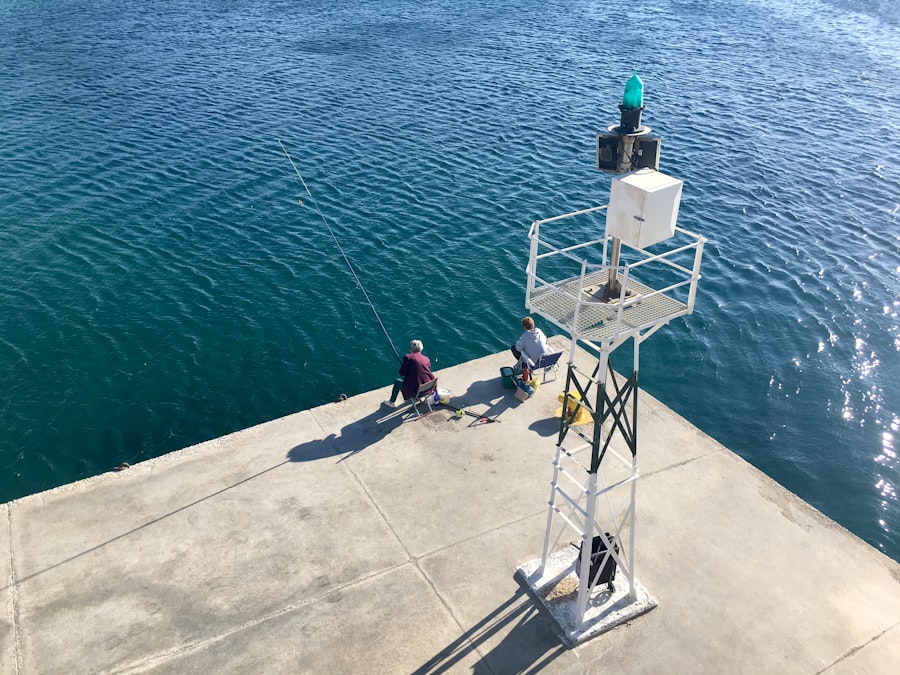
In response to the challenges posed by ocean oxygen depletion, various technological solutions have emerged within the technology sector. One notable approach involves the development of advanced monitoring systems that can track changes in oxygen levels in real-time. These systems utilize sensors and satellite technology to provide valuable data on ocean conditions, enabling researchers and policymakers to make informed decisions regarding marine conservation efforts.
Additionally, innovative filtration systems are being designed to reduce nutrient runoff from agricultural practices, which is a major contributor to hypoxia. By employing technologies such as bioreactors and constructed wetlands, these systems can help mitigate the influx of excess nutrients into coastal waters. As you explore these technological advancements, it becomes clear that they play a vital role in addressing the root causes of ocean oxygen depletion and fostering healthier marine environments.
Advancements in Monitoring and Data Collection
Advancements in monitoring and data collection have revolutionized our understanding of ocean health and oxygen levels. You may be surprised to learn that autonomous underwater vehicles (AUVs) are now being deployed to gather data from remote areas of the ocean that were previously difficult to access. These AUVs are equipped with sophisticated sensors that measure temperature, salinity, and dissolved oxygen levels, providing researchers with a comprehensive view of ocean conditions.
Moreover, satellite technology has made it possible to monitor large-scale changes in oceanic oxygen levels from space. By analyzing satellite imagery and data, scientists can identify trends and patterns related to hypoxia and its causes. This wealth of information is invaluable for developing targeted strategies to combat ocean oxygen depletion.
As you consider these advancements, it becomes evident that technology is playing a crucial role in enhancing our understanding of ocean ecosystems and informing conservation efforts.
Innovative Technologies for Oxygen Generation in the Ocean
In addition to monitoring solutions, innovative technologies aimed at generating oxygen in the ocean are gaining traction. One promising approach involves the use of artificial upwelling systems that bring nutrient-rich waters from the depths of the ocean to the surface. This process not only stimulates phytoplankton growth—organisms that produce oxygen through photosynthesis—but also enhances overall marine productivity.
Another exciting development is the exploration of bioengineering techniques to enhance natural processes that generate oxygen in marine environments. For instance, researchers are investigating ways to optimize algal blooms, which can significantly increase oxygen production when managed sustainably. As you delve into these innovative technologies, you will find that they hold great potential for restoring balance to oxygen-depleted areas and promoting healthier marine ecosystems.
Collaborative Efforts and Partnerships in the Technology Sector
Addressing ocean oxygen depletion requires collaboration across various sectors, including government agencies, research institutions, and private companies. You may be interested to know that numerous partnerships have formed with the goal of tackling this pressing issue. For example, initiatives like the Ocean Oxygen Network bring together scientists and technologists to share data and develop innovative solutions collaboratively.
These partnerships often focus on integrating technology with traditional conservation practices. By combining scientific expertise with local knowledge and community engagement, stakeholders can create more effective strategies for managing marine resources. As you explore these collaborative efforts, it becomes clear that collective action is essential for addressing the complex challenges posed by ocean oxygen depletion.
Future Prospects and Challenges in Addressing Ocean Oxygen Depletion
Looking ahead, the prospects for addressing ocean oxygen depletion are both promising and challenging. On one hand, advancements in technology offer new tools and methodologies for monitoring and mitigating hypoxia. However, significant obstacles remain. Climate change continues to exacerbate conditions that lead to oxygen depletion, making it imperative for global efforts to reduce greenhouse gas emissions. Furthermore, public awareness and engagement are crucial for driving change at both local and global levels. You may find it inspiring that grassroots movements are emerging worldwide, advocating for sustainable practices and policies that protect marine environments. As you consider these future prospects and challenges, it becomes evident that a multifaceted approach—combining technology, policy reform, and community involvement—is essential for preserving ocean health.
The Role of Technology in Preserving Ocean Health
In conclusion, technology plays a pivotal role in addressing the challenges posed by ocean oxygen depletion. From advanced monitoring systems to innovative solutions for oxygen generation, technological advancements are helping us better understand and combat this pressing issue. However, as you reflect on the complexities of this problem, it is clear that technology alone cannot solve it; collaborative efforts across sectors are essential.
As you continue your journey toward understanding ocean health, remember that each action counts—whether it’s advocating for sustainable practices or supporting technological innovations aimed at preserving our oceans. The future of marine ecosystems depends on our collective commitment to safeguarding these vital resources for generations to come. By harnessing technology alongside community engagement and policy reform, we can work together to ensure a healthier future for our oceans and all who depend on them.
One related article that complements the discussion on Technology Sector Solutions for Ocean Oxygen Challenges is “How Can Trees Save the Earth from Global Warming” from Live Life with a Cause. This article explores the crucial role that trees play in mitigating the effects of global warming and emphasizes the importance of reforestation efforts in combating climate change. By highlighting the interconnectedness of environmental issues and the potential solutions that nature provides, this article offers valuable insights into the broader context of sustainability and conservation efforts.
FAQs
What are the challenges related to ocean oxygen levels in the technology sector?
The challenges related to ocean oxygen levels in the technology sector include the development of innovative solutions to monitor and address declining oxygen levels in the ocean, as well as the impact of climate change and pollution on ocean oxygen levels.
How can technology be used to monitor and address declining ocean oxygen levels?
Technology can be used to develop advanced sensors and monitoring systems to track ocean oxygen levels in real-time. Additionally, innovative solutions such as artificial oxygenation systems and carbon capture technologies can be developed to address declining ocean oxygen levels.
What role does the technology sector play in addressing ocean oxygen challenges?
The technology sector plays a crucial role in developing and implementing solutions to address declining ocean oxygen levels. This includes the development of advanced monitoring systems, artificial oxygenation technologies, and sustainable energy solutions to mitigate the impact of climate change on ocean oxygen levels.
What are some examples of technology sector solutions for ocean oxygen challenges?
Examples of technology sector solutions for ocean oxygen challenges include the development of autonomous underwater vehicles equipped with oxygen sensors, the implementation of artificial oxygenation systems in areas with low oxygen levels, and the use of carbon capture and storage technologies to reduce carbon emissions and mitigate the impact of climate change on ocean oxygen levels.