The oceans are often referred to as the lungs of our planet, and for good reason. They produce a significant portion of the oxygen that sustains life on Earth. It is estimated that around 50% to 80% of the oxygen we breathe comes from marine photosynthetic organisms, primarily phytoplankton.
These microscopic plants, along with seaweed and other marine vegetation, play a crucial role in maintaining the balance of oxygen in our atmosphere. Without healthy oceans, the very air you breathe would be drastically altered, leading to dire consequences for all living beings. Moreover, ocean oxygen is not just vital for sustaining life; it also plays a critical role in regulating the Earth’s climate.
The oceans absorb carbon dioxide from the atmosphere, helping to mitigate the effects of climate change. This natural process is essential for maintaining a stable environment. As you consider the interconnectedness of life on Earth, it becomes clear that the health of our oceans directly impacts your own well-being and that of future generations.
Protecting ocean oxygen levels is not merely an environmental concern; it is a matter of survival for all species, including humans.
Key Takeaways
- Ocean oxygen is crucial for the survival of marine life and the overall health of the ocean ecosystem.
- Threats to ocean oxygen levels include climate change, pollution, and nutrient runoff from agriculture and urban areas.
- Decreased ocean oxygen can lead to the loss of marine habitats, decline in fish populations, and disruption of the food chain.
- Phytoplankton play a vital role in oxygen production through photosynthesis, contributing to nearly half of the world’s oxygen supply.
- Human activities such as overfishing, coastal development, and carbon emissions are major contributors to the decline in ocean oxygen levels.
Threats to Ocean Oxygen Levels
Despite its importance, ocean oxygen levels are under threat from various human-induced factors. One of the most significant threats is eutrophication, a process driven by nutrient pollution from agricultural runoff and wastewater discharge. When excess nutrients, particularly nitrogen and phosphorus, enter the ocean, they stimulate the rapid growth of algae blooms.
While these blooms may seem harmless at first glance, they can lead to hypoxic conditions—areas where oxygen levels are severely depleted. As these algae die and decompose, they consume vast amounts of oxygen, creating “dead zones” where marine life struggles to survive. Climate change also poses a substantial threat to ocean oxygen levels.
Rising sea temperatures can reduce the solubility of oxygen in water, making it harder for marine organisms to access this essential resource. Additionally, warmer waters can alter ocean circulation patterns, further impacting the distribution of oxygen-rich waters. As you reflect on these threats, it becomes evident that the health of our oceans is intricately linked to broader environmental issues.
Addressing these challenges requires a concerted effort from individuals, communities, and governments alike.
Impact of Decreased Ocean Oxygen on Marine Life
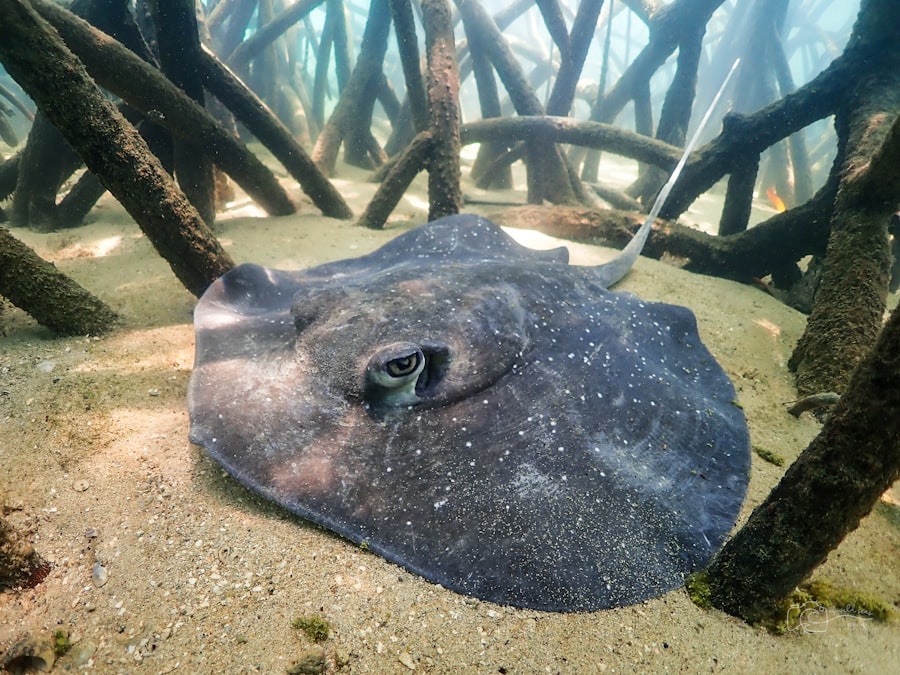
The consequences of decreased ocean oxygen levels are profound and far-reaching. Marine life is intricately adapted to specific oxygen levels, and even slight reductions can have devastating effects on various species. Fish, for instance, rely on dissolved oxygen in the water to survive.
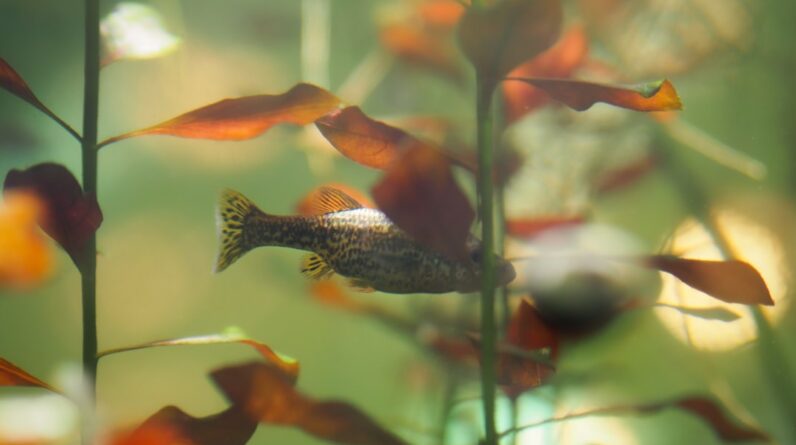
When oxygen levels drop, fish may experience stress, reduced growth rates, and even mortality. Species that are particularly sensitive to low oxygen conditions, such as certain types of shrimp and crabs, may face extinction if current trends continue. Beyond individual species, entire ecosystems are at risk when ocean oxygen levels decline.
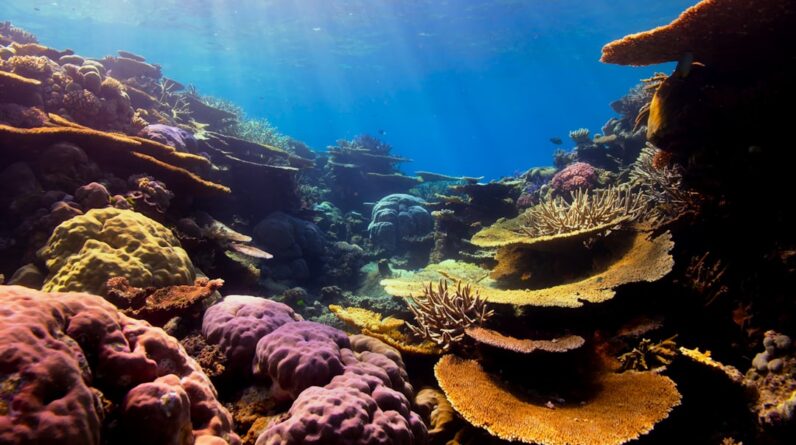
Coral reefs, which are among the most biodiverse ecosystems on the planet, are particularly vulnerable to hypoxia. These vibrant underwater structures rely on a delicate balance of nutrients and oxygen to thrive. When oxygen levels drop, coral bleaching can occur, leading to widespread die-offs and a loss of habitat for countless marine organisms.
As you consider the intricate web of life in our oceans, it becomes clear that protecting ocean oxygen is essential for preserving biodiversity and maintaining healthy ecosystems.
The Role of Phytoplankton in Oxygen Production
Phytoplankton are often overlooked in discussions about ocean health, yet they are among the most critical players in oxygen production. These microscopic organisms form the foundation of the marine food web and are responsible for producing an estimated 50% of the Earth’s oxygen through photosynthesis. By converting sunlight into energy and releasing oxygen as a byproduct, phytoplankton not only support marine life but also contribute significantly to the global oxygen supply.
The health of phytoplankton populations is directly linked to ocean conditions such as temperature, nutrient availability, and light penetration. Changes in these factors can lead to shifts in phytoplankton communities, affecting their ability to produce oxygen effectively. As you contemplate the role of these tiny organisms, it becomes evident that their well-being is crucial for maintaining healthy ocean ecosystems and ensuring a stable supply of oxygen for all life forms on Earth.
Human Activities Affecting Ocean Oxygen
Human activities have a profound impact on ocean oxygen levels, often exacerbating existing environmental challenges. Industrial pollution is one major contributor to declining oxygen levels in coastal waters. Heavy metals, chemicals, and other pollutants can disrupt marine ecosystems and harm phytoplankton populations.
Additionally, overfishing practices can lead to imbalances in marine food webs, further stressing fish populations and reducing their resilience to low-oxygen conditions. Agricultural practices also play a significant role in affecting ocean oxygen levels. The use of fertilizers can lead to nutrient runoff into rivers and eventually into the ocean.
This nutrient influx stimulates algal blooms that can deplete oxygen levels when they decay. As you consider your own lifestyle choices and their broader implications, it becomes clear that every action counts in the fight against ocean degradation. Understanding how human activities impact ocean health is essential for fostering a sense of responsibility toward our planet.
The Need for Ocean Oxygen Conservation

Conserving ocean oxygen is not just an environmental imperative; it is essential for sustaining life on Earth as we know it. The interconnectedness of ecosystems means that changes in one area can have cascading effects throughout the entire biosphere. By prioritizing ocean oxygen conservation efforts, you contribute to the overall health of our planet and help ensure that future generations inherit a world rich in biodiversity and natural resources.
Moreover, conserving ocean oxygen aligns with global efforts to combat climate change and promote sustainable development. Healthy oceans act as carbon sinks, absorbing excess carbon dioxide from the atmosphere and helping mitigate climate change impacts. By recognizing the importance of ocean oxygen conservation in addressing broader environmental challenges, you can play an active role in promoting policies and practices that protect our oceans for years to come.
Solutions for Protecting Ocean Oxygen Levels
Addressing the threats to ocean oxygen levels requires a multifaceted approach that involves collaboration among governments, organizations, and individuals. One effective solution is implementing stricter regulations on nutrient runoff from agriculture and wastewater treatment facilities. By reducing nutrient pollution entering coastal waters, we can help prevent harmful algal blooms and protect marine ecosystems.
Additionally, promoting sustainable fishing practices is crucial for maintaining healthy fish populations and ensuring their resilience to low-oxygen conditions. Establishing marine protected areas can also provide safe havens for vulnerable species while allowing ecosystems to recover from human impacts. As you consider these solutions, remember that collective action is key; advocating for policies that prioritize ocean health can lead to meaningful change.
Individual Actions to Support Ocean Oxygen Conservation
While large-scale solutions are essential for protecting ocean oxygen levels, individual actions also play a vital role in conservation efforts. You can start by making conscious choices in your daily life that reduce your environmental footprint. Simple actions like reducing plastic use, conserving water, and supporting sustainable seafood initiatives can contribute to healthier oceans.
Educating yourself and others about the importance of ocean health is another powerful way to make a difference. By raising awareness within your community about the threats facing our oceans and advocating for conservation efforts, you can inspire collective action toward protecting this invaluable resource. Remember that every small action counts; by taking steps to support ocean oxygen conservation, you contribute to a healthier planet for all living beings.
The Ocean’s Oxygen: A Silent Guardian We Must Protect highlights the crucial role that oceans play in producing oxygen and regulating the Earth’s climate. A related article that further emphasizes the importance of protecting the environment is How Does Planting Trees Help the Environment?. This article discusses the benefits of tree planting in combating climate change, improving air quality, and preserving biodiversity. By understanding the interconnectedness of our ecosystems, we can work towards creating a sustainable future for our planet.
FAQs
What is the importance of ocean oxygen?
Oxygen in the ocean is crucial for the survival of marine life. It is essential for the respiration of fish, plants, and other organisms, and plays a key role in the ocean’s food web.
How is ocean oxygen produced?
Ocean oxygen is primarily produced through photosynthesis by marine plants, such as phytoplankton and seaweed. These plants use sunlight to convert carbon dioxide and water into oxygen and glucose.
What are the threats to ocean oxygen levels?
Climate change, pollution, and nutrient runoff from agriculture are some of the main threats to ocean oxygen levels. These factors can lead to ocean acidification, algal blooms, and dead zones, all of which can deplete oxygen in the water.
How can we protect ocean oxygen levels?
Protecting and preserving marine ecosystems, reducing carbon emissions, and implementing sustainable fishing practices are some of the ways to protect ocean oxygen levels. Additionally, reducing pollution and nutrient runoff can help maintain healthy oxygen levels in the ocean.