Have you ever wondered how the loss of our forests impacts global warming? If so, you’re not alone. The topic of deforestation and its contribution to climate change is more pressing than ever. This issue not only affects the environment but also has significant social and economic ramifications. Let’s take a closer look at how deforestation plays a critical role in accelerating global warming.

Deforestation Defined
What is Deforestation?
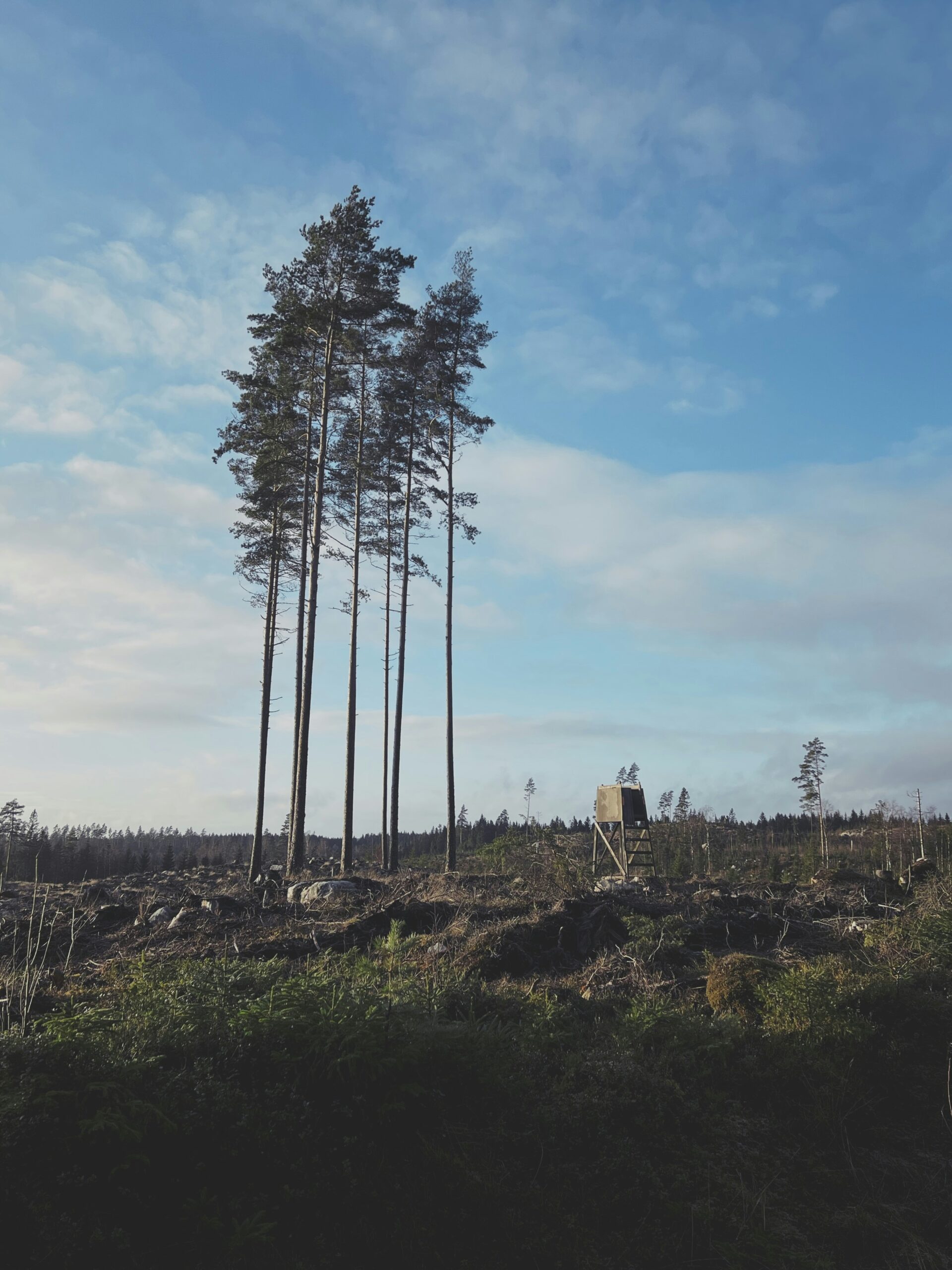
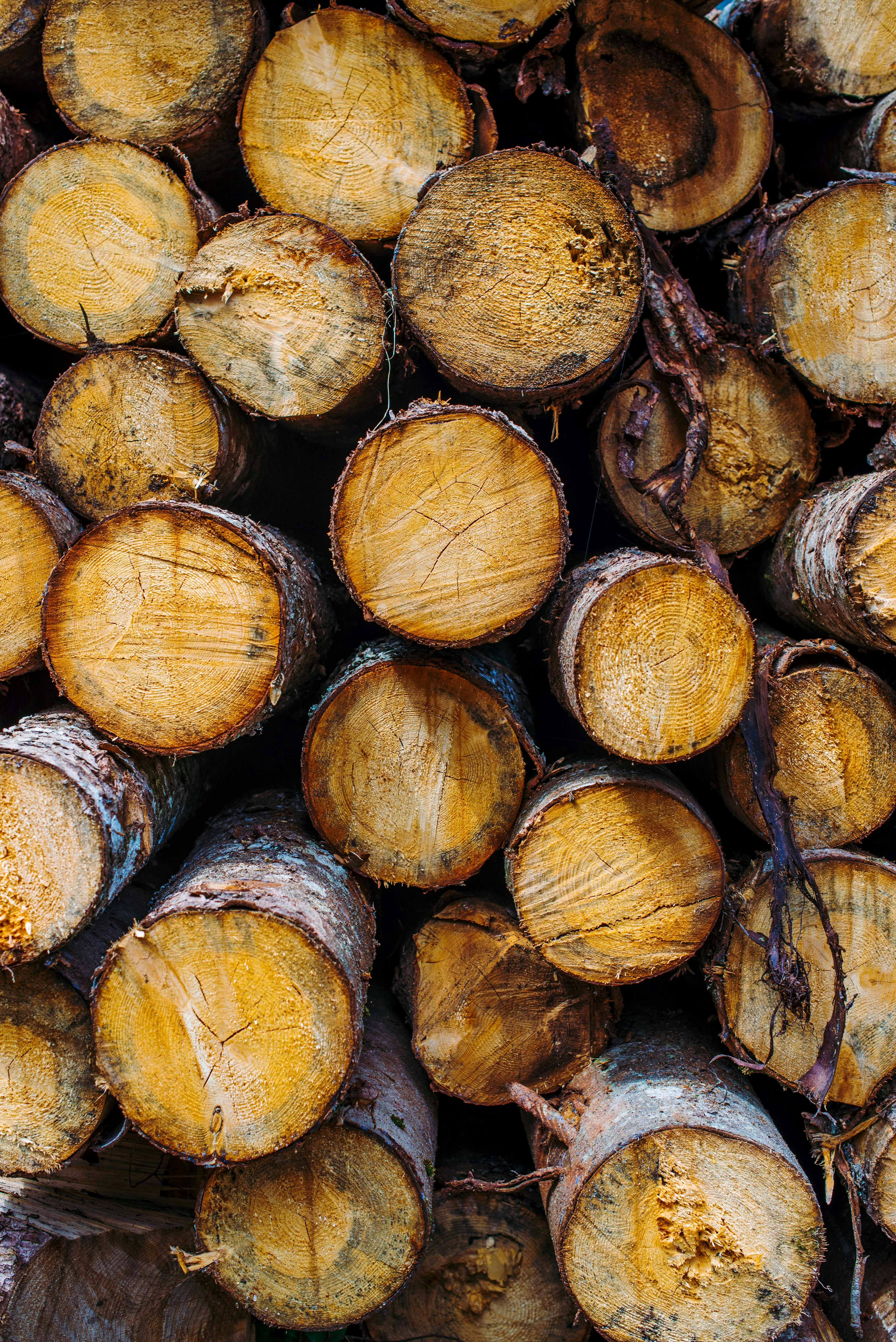
Deforestation refers to the large-scale removal of forests, often resulting in damaged ecosystems and loss of biodiversity. Trees are cut down for various reasons, including agriculture, logging, and urban development. When forests are cleared, they lose their ability to absorb carbon dioxide (CO₂), one of the greenhouse gases responsible for global warming.
Types of Deforestation
Understanding the different forms of deforestation can clarify its overall impact. There are primarily three types:
| Type of Deforestation | Description |
|---|---|
| Clear-Cutting | Entire forests are cut down, leaving no trees behind. |
| Selective Cutting | Only specific types or ages of trees are removed. |
| Slash-and-Burn | Trees are cut down and then burned to clear the area. |
Causes of Deforestation
There are several driving factors behind deforestation, including:
- Agricultural Expansion: Farmland often replaces forests to grow crops or raise livestock.
- Logging: Trees are harvested for timber and paper products.
- Urbanization: Expanding cities and towns encroach upon forested areas.
- Infrastructure Development: Building roads, dams, and other structures necessitates clearing forests.
The Greenhouse Effect and Global Warming
What is the Greenhouse Effect?
The greenhouse effect is a natural process that warms the Earth’s surface. When the sun’s energy reaches the Earth, some of this energy is reflected back into space and the rest is absorbed. This absorbed energy warms the atmosphere, and the Earth releases it in the form of infrared radiation.
How Does Deforestation Impact the Greenhouse Effect?
Trees play a crucial role in the carbon cycle by absorbing CO₂ during photosynthesis. When trees are cut down and burned or left to decompose, the carbon stored in them is released back into the atmosphere. This increase in CO₂ levels enhances the greenhouse effect, trapping more heat and thereby contributing to global warming.
| Component | Role in the Greenhouse Effect |
|---|---|
| Carbon Dioxide (CO₂) | Absorbs heat and contributes to global warming. |
| Methane (CH₄) | More potent than CO₂ but less prevalent. |
| Nitrous Oxide (N₂O) | Produced by agricultural and industrial activities. |
The Carbon Cycle
The carbon cycle is the process by which carbon is exchanged among the atmosphere, land, and oceans. This cycle is crucial for maintaining a balance that supports life on Earth. Deforestation disrupts this balance by:
- Increasing CO₂ Levels: Less CO₂ is absorbed by forests, leading to higher atmospheric concentrations.
- Altering Soil Composition: The removal of trees affects soil quality and its ability to store carbon.
- Impacting Water Cycles: Trees help regulate the water cycle, affecting local and global climate patterns.
Environmental Impacts of Deforestation
Loss of Biodiversity
Forests are home to approximately 80% of the world’s terrestrial species. The destruction of these habitats can lead to species extinction and loss of biodiversity, disrupting ecosystems and making them unable to perform essential functions.
Changes in Water Cycles
Trees play a key role in water cycles by absorbing and releasing water through transpiration. Deforestation can lead to:
- Reduced Rainfall: Fewer trees lead to less moisture being released into the atmosphere.
- Increased Runoff: Without trees to absorb water, more rainwater runs off into rivers and oceans, carrying soil and nutrients with it.
- Soil Erosion: The loss of tree roots to hold the soil in place results in increased soil erosion, which further degrades the land.
Soil Degradation
Healthy soil is vital for agriculture and natural ecosystems. Deforestation leads to soil degradation via:
- Erosion: The removal of tree cover exposes soil to the elements, making it prone to erosion.
- Nutrient Loss: Deforestable land loses essential nutrients that support plant growth.
- Desertification: Over time, degraded soil can become desert-like, unsuitable for most forms of life.
Social and Economic Impacts
Impact on Indigenous Communities
Many indigenous communities rely on forests for their livelihoods and cultural practices. Deforestation can displace these communities, disrupting their way of life and leading to social inequalities.
Economic Consequences
While deforestation can generate short-term economic benefits, such as timber and agricultural products, the long-term consequences can be damaging. The loss of ecosystem services, such as flood control and air purification, can have severe economic impacts.
| Consequence | Description |
|---|---|
| Loss of Livelihoods | Communities dependent on forests lose their source of income. |
| Increased Natural Disasters | Floods and landslides become more common due to altered landscapes. |
| Health Issues | Poor air and water quality can lead to increased health problems. |
Mitigation Strategies
Afforestation and Reforestation
One of the most effective ways to combat deforestation is through afforestation (planting trees in non-forested areas) and reforestation (restoring degraded forests). These practices help:
- Sequester Carbon: Newly planted trees absorb CO₂, reducing atmospheric levels.
- Restore Ecosystems: Reforestation helps restore biodiversity and ecosystem functions.
- Improve Soil and Water Quality: Trees help bind the soil and regulate water cycles.
Sustainable Land Management
Adopting sustainable land management practices can also mitigate the impacts of deforestation. Some strategies include:
- Agroforestry: Integrating trees into agricultural systems to improve productivity and sustainability.
- Selective Logging: Only cutting down specific trees to minimize environmental impact.
- Conservation Agriculture: Techniques like crop rotation and minimal tillage to maintain soil health.
Policy and Legislation
Effective policies and legislation are crucial for managing deforestation. Governments and organizations can:
- Implement Regulations: Enforce laws that protect forest areas.
- Promote Conservation: Support conservation projects and protected areas.
- Encourage Sustainable Practices: Provide incentives for businesses and communities to adopt sustainable practices.
International Efforts
Deforestation is a global issue that requires international cooperation. Various international efforts include:
- The Paris Agreement: An international treaty aiming to limit global warming by reducing greenhouse gas emissions.
- REDD+: A United Nations program that rewards countries for reducing emissions from deforestation and forest degradation.
- Bilateral Agreements: Countries working together to protect forests and promote sustainable development.
Personal Actions You Can Take
Reduce, Reuse, Recycle
One of the simplest ways you can combat deforestation is by adopting the three R’s in your daily life. Reducing your consumption of paper and wood products, reusing items whenever possible, and recycling can significantly lessen the demand for new materials that contribute to deforestation.
Support Sustainable Products
Opting for products certified by organizations like the Forest Stewardship Council (FSC) ensures that the items you purchase come from responsibly managed forests. Look for labels indicating the product is environmentally friendly and sustainably sourced.
Advocate for Change
Use your voice to advocate for policies and practices that protect our forests. Get involved with local environmental groups, contact your legislators, and use social media to spread awareness about the importance of preserving forests.
Plant Trees
Whether it’s participating in local tree-planting initiatives or planting trees in your backyard, every tree counts. This simple act contributes to carbon sequestration and helps restore local ecosystems.
Conclusion
Understanding and addressing the role of deforestation in global warming is vital for the health of our planet. By comprehending the science behind it, recognizing the impacts, and taking both collective and individual actions, you can help mitigate this pressing issue. The heat is indeed on, but together we can unmask and combat deforestation’s role in global warming effectively. Your actions today contribute to a more sustainable and healthier world for generations to come.