


The oceans are often referred to as the lungs of our planet, and for good reason. They play a crucial role in producing the oxygen that sustains life on Earth. Approximately 50% to 80% of the oxygen we breathe comes from the ocean, primarily through a process called photosynthesis.
This process is carried out by microscopic organisms known as phytoplankton, which thrive in the sunlit surface waters of the ocean. As these tiny plants absorb sunlight and carbon dioxide, they release oxygen as a byproduct, contributing significantly to the atmospheric oxygen levels that support both marine and terrestrial life. Understanding ocean oxygen production is essential for grasping the intricate balance of our planet’s ecosystems.
The health of our oceans directly influences the air we breathe, the climate we experience, and the biodiversity that flourishes both in water and on land. As you delve deeper into this topic, you will uncover the complex interactions between oceanic processes and global environmental health, highlighting the importance of safeguarding these vital systems for future generations.
Key Takeaways
- Ocean oxygen production is vital for marine life and human survival, as it supports the health of the oceans and the atmosphere.
- Climate change is causing a decline in ocean oxygen levels, leading to serious consequences for marine ecosystems and biodiversity.
- Phytoplankton play a crucial role in oxygen production through photosynthesis, and their decline can significantly impact ocean oxygen levels.
- Declining ocean oxygen levels can lead to dead zones, loss of biodiversity, and disruptions in marine food chains, affecting both marine life and human communities.
- The link between ocean oxygen and marine life highlights the interconnectedness of ecosystems and the importance of preserving ocean oxygen levels for the health of the planet.
The Impact of Climate Change on Ocean Oxygen Levels
Climate change poses a significant threat to ocean oxygen levels, primarily through rising temperatures and increased stratification of ocean waters. As global temperatures rise, surface waters warm, leading to a phenomenon known as thermal stratification. This process creates distinct layers in the ocean, with warmer water sitting atop cooler, denser water.
Such stratification can inhibit the mixing of oxygen-rich surface waters with deeper layers, resulting in reduced oxygen availability in those depths. Consequently, this can lead to hypoxic conditions—areas where oxygen levels are too low to support most marine life. Moreover, climate change also affects ocean circulation patterns, which are vital for distributing nutrients and oxygen throughout marine ecosystems.
Altered currents can disrupt the natural flow of oxygen-rich waters to areas that rely on these nutrients for survival. As you consider these impacts, it becomes clear that climate change is not just an abstract concept; it has tangible effects on the very air you breathe and the health of our oceans.
The Role of Phytoplankton in Oxygen Production

Phytoplankton are often overlooked in discussions about ocean health, yet they are among the most critical players in oxygen production. These microscopic organisms form the base of the marine food web and are responsible for a significant portion of global photosynthesis. By harnessing sunlight and converting carbon dioxide into organic matter, phytoplankton not only produce oxygen but also sequester carbon, helping to mitigate climate change.
The diversity of phytoplankton species is astounding, with thousands of different types existing in various oceanic environments. Each species has its own unique adaptations that allow it to thrive in specific conditions, from nutrient-rich coastal waters to the open ocean’s vast expanses. As you explore their role further, you will appreciate how vital these tiny organisms are not only for oxygen production but also for maintaining the overall health of marine ecosystems.
The Consequences of Declining Ocean Oxygen Levels
The decline in ocean oxygen levels has far-reaching consequences that extend beyond marine life. Hypoxic zones, often referred to as “dead zones,” can lead to mass die-offs of fish and other marine organisms that cannot survive in low-oxygen environments. This loss of biodiversity disrupts entire ecosystems and can have cascading effects on food webs, ultimately impacting human communities that rely on fishing and other marine resources for their livelihoods.
Additionally, declining oxygen levels can exacerbate other environmental issues, such as harmful algal blooms. These blooms thrive in nutrient-rich waters and can produce toxins that further threaten marine life and human health. As you consider these consequences, it becomes evident that maintaining healthy ocean oxygen levels is not just an environmental concern; it is a matter of social and economic stability for communities around the world.
The Link Between Ocean Oxygen and Marine Life
The relationship between ocean oxygen levels and marine life is intricate and deeply interconnected. Many species depend on specific oxygen concentrations to thrive; for instance, fish like cod and flounder require well-oxygenated waters to survive and reproduce. When oxygen levels drop, these species may migrate to find more suitable habitats or face population declines due to increased stress and mortality rates.
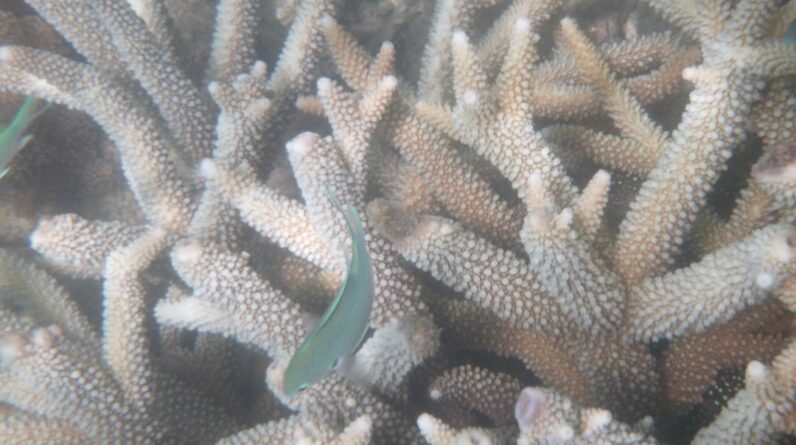
Moreover, the impact of declining oxygen levels extends beyond individual species; entire ecosystems can shift dramatically as certain organisms struggle to adapt. Coral reefs, which are among the most biodiverse ecosystems on Earth, are particularly vulnerable to changes in oxygen levels. As you reflect on this connection between ocean health and marine biodiversity, it becomes clear that protecting ocean oxygen is essential for preserving the rich tapestry of life beneath the waves.
Human Activities and Their Contribution to Ocean Oxygen Depletion

Human activities play a significant role in exacerbating ocean oxygen depletion. Agricultural runoff containing fertilizers leads to nutrient pollution in coastal waters, promoting algal blooms that consume vast amounts of oxygen when they decompose. This process creates hypoxic conditions that can devastate local marine life and disrupt fishing industries.
Additionally, climate change driven by fossil fuel consumption contributes to rising sea temperatures and altered ocean circulation patterns. These changes further diminish oxygen levels in many regions. As you consider your own impact on these issues, it becomes apparent that individual actions—such as reducing carbon footprints and supporting sustainable agricultural practices—can collectively make a difference in preserving ocean health.
Solutions to Protect and Restore Ocean Oxygen Production
Addressing the challenges posed by declining ocean oxygen levels requires a multifaceted approach that includes both policy changes and individual actions. One effective strategy is to implement better land-use practices that minimize nutrient runoff into waterways. This can involve promoting sustainable agriculture techniques, such as crop rotation and reduced fertilizer use, which help maintain soil health while protecting aquatic ecosystems.
Additionally, investing in marine protected areas (MPAs) can help restore and preserve critical habitats that support phytoplankton growth and overall ocean health. By creating safe zones where fishing and other disruptive activities are limited or prohibited, we can allow ecosystems to recover and thrive. As you explore these solutions further, consider how your choices—whether through advocacy or lifestyle changes—can contribute to a healthier ocean environment.
The Importance of Ocean Oxygen for Human Survival
The significance of ocean oxygen production extends far beyond marine ecosystems; it is fundamentally linked to human survival. The oxygen generated by phytoplankton not only supports marine life but also plays a crucial role in maintaining atmospheric balance. A decline in oceanic oxygen production could lead to increased carbon dioxide levels in the atmosphere, exacerbating climate change and its associated impacts on weather patterns, agriculture, and human health.
Furthermore, many coastal communities depend on healthy oceans for their livelihoods through fishing, tourism, and recreation. The degradation of marine ecosystems due to declining oxygen levels threatens these industries and the cultural identities tied to them. As you reflect on this interconnectedness between ocean health and human well-being, it becomes clear that protecting ocean oxygen production is not just an environmental imperative; it is essential for ensuring a sustainable future for all life on Earth.