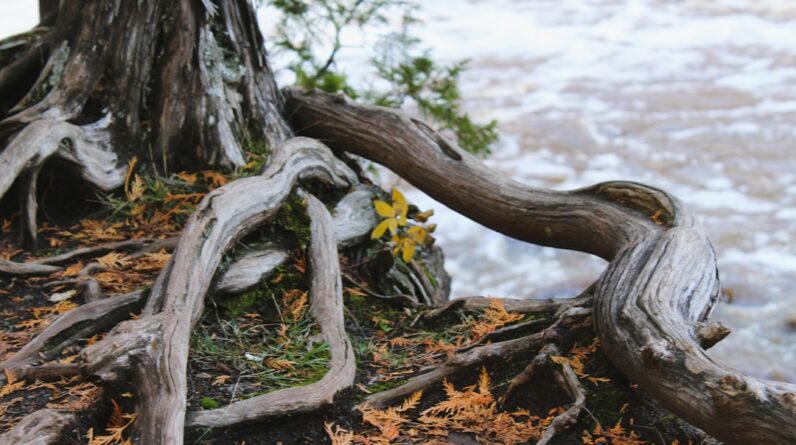
When you think about reforestation, the choice of species to plant is crucial. Native species play a vital role in restoring ecosystems that have been damaged by deforestation, climate change, and urbanization. By selecting plants that are indigenous to a particular area, you ensure that the reforested land is more likely to thrive.
These species have evolved over thousands of years, adapting to local soil types, climate conditions, and interactions with other organisms. This deep-rooted connection to their environment makes them more resilient and better suited for survival than non-native species. Moreover, using native species in reforestation efforts helps maintain the ecological balance of the area.
When you plant native trees, shrubs, and plants, you are not just adding greenery; you are also providing habitat for local wildlife. Birds, insects, and mammals rely on these native plants for food and shelter. By fostering a diverse ecosystem, you contribute to the overall health of the environment, which is essential for combating climate change and preserving biodiversity.
In essence, the importance of native species in reforestation cannot be overstated; they are the backbone of healthy ecosystems.
Key Takeaways
- Native species play a crucial role in reforestation by promoting ecosystem resilience and biodiversity
- Using native species in reforestation provides ecological benefits such as improved soil health and water retention
- Non-native species in reforestation can pose challenges such as invasive tendencies and disruption of local ecosystems
- Native species play a key role in restoring biodiversity by providing habitat and food sources for local wildlife
- The use of native species in reforestation can have positive economic and social impacts, such as creating jobs and preserving cultural heritage
Ecological Benefits of Using Native Species
The ecological benefits of using native species in reforestation are manifold. First and foremost, native plants are adapted to local conditions, which means they require less water and fewer resources to thrive. This adaptability not only reduces the need for irrigation but also minimizes the use of fertilizers and pesticides, which can be harmful to the environment.
When you choose native species, you are promoting a more sustainable approach to land management that aligns with natural processes. Additionally, native species support a wide range of wildlife. They provide food sources for pollinators like bees and butterflies, as well as habitat for birds and small mammals.
This interconnectedness fosters a robust ecosystem where various species can coexist and thrive. By planting native flora, you are essentially creating a sanctuary for local fauna, which in turn helps maintain the ecological balance. The presence of diverse species can also enhance soil health and improve water quality, further contributing to a thriving environment.
Challenges of Using Non-Native Species in Reforestation

While it may seem tempting to use non-native species for reforestation due to their rapid growth or aesthetic appeal, there are significant challenges associated with this approach. One of the primary concerns is that non-native species can become invasive. When introduced into a new environment, these plants may outcompete native flora for resources such as sunlight, water, and nutrients.
This competition can lead to a decline in native plant populations, disrupting the delicate balance of the ecosystem. Furthermore, non-native species often lack the necessary relationships with local wildlife. Many animals have evolved to depend on specific native plants for food and shelter; when these plants are replaced by non-natives, it can lead to a decline in local wildlife populations.
This loss of biodiversity can have cascading effects throughout the ecosystem, ultimately undermining the very goals of reforestation efforts. Therefore, while non-native species may offer short-term benefits, their long-term impact can be detrimental to both the environment and local communities.
Role of Native Species in Restoring Biodiversity
Restoring biodiversity is one of the most critical goals of reforestation, and native species are at the forefront of this effort. When you plant native trees and shrubs, you are not just adding greenery; you are revitalizing entire ecosystems that have been disrupted by human activity. Native species provide essential habitats for various organisms, from insects to larger mammals, creating a web of life that supports ecological resilience.
Moreover, native plants contribute to genetic diversity within ecosystems. This diversity is crucial for adaptation to changing environmental conditions, such as climate change or disease outbreaks. By fostering a rich tapestry of native flora, you enhance the ability of ecosystems to withstand disturbances and recover from them.
In this way, native species serve as a foundation for restoring biodiversity and ensuring that ecosystems remain vibrant and functional for generations to come.
Economic and Social Impacts of Using Native Species
The economic and social impacts of using native species in reforestation efforts are significant and far-reaching. From an economic perspective, investing in native species can lead to sustainable forestry practices that benefit local communities. By promoting the growth of indigenous plants, you create opportunities for eco-tourism and sustainable harvesting practices that can provide income while preserving natural resources.
Socially, engaging communities in reforestation projects that focus on native species fosters a sense of stewardship and connection to the land. When people participate in planting native trees or restoring local habitats, they develop a deeper understanding of their environment and its importance. This engagement can lead to increased awareness about conservation issues and inspire future generations to prioritize sustainability.
Ultimately, using native species in reforestation not only benefits the environment but also strengthens community ties and promotes economic resilience.
Successful Examples of Reforestation Using Native Species

There are numerous successful examples around the world where reforestation efforts using native species have yielded impressive results. One notable case is the restoration of the Atlantic Forest in Brazil. Once one of the most biodiverse regions on Earth, this forest suffered extensive deforestation due to agriculture and urban development.
However, initiatives focused on planting native tree species have led to significant ecological recovery. The reintroduction of indigenous flora has helped restore habitats for endangered wildlife while also improving local air quality and water resources. Another inspiring example is found in New Zealand’s efforts to restore its unique ecosystems through the use of native species.
The country has faced challenges with invasive species that threaten its indigenous flora and fauna. However, community-led initiatives have successfully planted millions of native trees across various regions. These efforts not only enhance biodiversity but also provide economic opportunities through eco-tourism and sustainable land management practices.
Such examples demonstrate that when communities prioritize native species in reforestation efforts, they can achieve remarkable ecological and social outcomes.
Strategies for Promoting the Use of Native Species in Reforestation
To promote the use of native species in reforestation effectively, several strategies can be employed. Education plays a crucial role; raising awareness about the benefits of native plants can inspire individuals and communities to take action. Workshops, community events, and educational programs can help people understand why native species are essential for ecological health and how they can contribute to reforestation efforts.
Collaboration among various stakeholders is also vital for success. Governments, non-profit organizations, and local communities should work together to create policies that support the use of native species in reforestation projects. Incentives such as grants or tax breaks for landowners who choose to plant native trees can encourage more people to participate in these initiatives.
Additionally, establishing nurseries that specialize in native plants can ensure that communities have access to the resources they need for successful reforestation.
Future Outlook for Reforestation Efforts with Native Species
Looking ahead, the future outlook for reforestation efforts using native species appears promising but requires ongoing commitment and innovation. As awareness about climate change and biodiversity loss continues to grow, more individuals and organizations are recognizing the importance of sustainable practices in land management. This shift in mindset is likely to drive increased interest in using native species for reforestation.
Technological advancements also hold great potential for enhancing reforestation efforts with native species. Innovations such as drone technology for seed dispersal or genetic research aimed at improving plant resilience could revolutionize how we approach reforestation projects. By combining traditional ecological knowledge with modern science, you can create more effective strategies for restoring ecosystems.
In conclusion, prioritizing native species in reforestation is not just an environmental necessity; it is a pathway toward sustainable development that benefits both nature and society. By understanding their importance and advocating for their use, you contribute to a healthier planet for future generations.
In a related article on how planting trees helps combat climate change, it is emphasized that reforestation plays a crucial role in sequestering carbon dioxide from the atmosphere. By planting native species in reforestation efforts, we can not only restore ecosystems but also contribute to mitigating the effects of climate change. This highlights the importance of using native species in successful reforestation projects, as discussed in the article on The Role of Native Species in Successful Reforestation.
FAQs
What is reforestation?
Reforestation is the process of restoring and replanting forests that have been depleted or destroyed, with the goal of creating a healthy and sustainable ecosystem.
What are native species?
Native species are plants and animals that naturally occur and have evolved in a specific region or ecosystem. They are well-adapted to the local climate, soil, and other environmental conditions.
Why are native species important in reforestation?
Native species play a crucial role in reforestation because they are best suited to the local environment and provide important ecological functions. They support biodiversity, provide habitat for wildlife, and contribute to the overall health and resilience of the ecosystem.
How do native species contribute to successful reforestation?
Native species contribute to successful reforestation by promoting ecosystem stability, enhancing soil fertility, and providing food and shelter for native wildlife. They also help to prevent the spread of invasive species and maintain the natural balance of the ecosystem.
What are the challenges of using non-native species in reforestation?
Using non-native species in reforestation can lead to negative ecological impacts, such as the displacement of native species, reduced biodiversity, and increased vulnerability to pests and diseases. Non-native species may also fail to thrive in the local environment, leading to reforestation efforts that are less successful and sustainable.