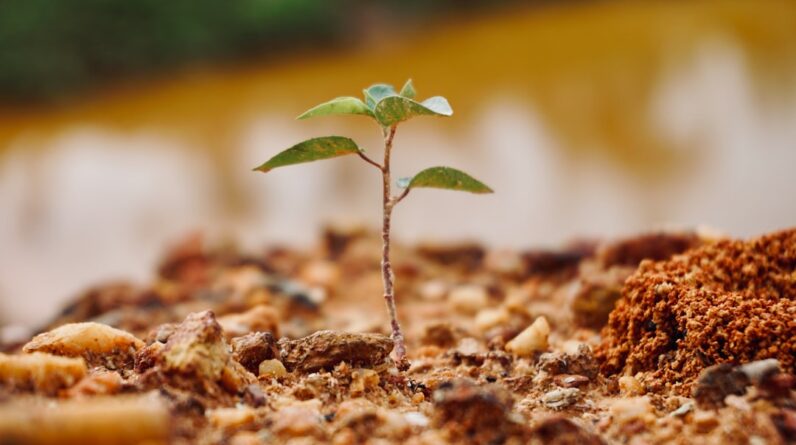
Reforestation plays a crucial role in the global effort to combat climate change. As you may know, the increasing levels of greenhouse gases in the atmosphere are primarily responsible for the warming of our planet. Reforestation, the process of planting trees in areas where forests have been depleted, serves as a natural and effective strategy to mitigate these effects.
By restoring forests, you not only help to absorb carbon dioxide but also contribute to the overall health of ecosystems. This multifaceted approach is essential for creating a sustainable future, as it addresses both climate change and biodiversity loss simultaneously. Moreover, reforestation is not just about planting trees; it involves restoring entire ecosystems.
When you engage in reforestation efforts, you are also revitalizing soil health, improving water quality, and enhancing habitat for countless species. This holistic approach is vital for maintaining ecological balance and ensuring that natural systems can continue to function effectively. As you consider the importance of reforestation, it becomes clear that it is a key component in the broader strategy of climate mitigation, offering a pathway toward a more resilient and sustainable planet.
Key Takeaways
- Reforestation plays a crucial role in mitigating climate change by absorbing carbon dioxide and releasing oxygen, helping to reduce the overall concentration of greenhouse gases in the atmosphere.
- Trees are essential for carbon sequestration, as they absorb and store carbon dioxide from the atmosphere, helping to mitigate the effects of climate change.
- Deforestation has a significant impact on climate change, as it leads to the release of stored carbon and reduces the overall capacity for carbon sequestration.
- Reforestation not only helps to mitigate climate change but also contributes to biodiversity conservation, providing habitats for various species and supporting ecosystem health.
- Reforestation initiatives have a positive impact on local communities, providing employment opportunities, improving air and water quality, and enhancing overall well-being. The future of reforestation efforts is crucial in addressing climate change and ensuring a sustainable future for the planet.
How Reforestation Helps Reduce Greenhouse Gas Emissions
When you think about reforestation, one of the most significant benefits that come to mind is its ability to reduce greenhouse gas emissions. Trees act as natural carbon sinks, absorbing carbon dioxide from the atmosphere during photosynthesis. This process not only helps to lower the concentration of greenhouse gases but also contributes to the overall health of the planet.
By planting trees, you are directly participating in a solution that can help reverse some of the damage caused by human activities. In addition to absorbing carbon dioxide, reforestation can also help to prevent further emissions. Deforestation often leads to soil degradation and erosion, which can release stored carbon back into the atmosphere.
By restoring forests, you are not only capturing carbon but also protecting existing carbon stocks. This dual action makes reforestation an essential tool in the fight against climate change. As you engage with this topic, consider how your actions can contribute to reducing emissions and fostering a healthier environment for future generations.
The Role of Trees in Carbon Sequestration
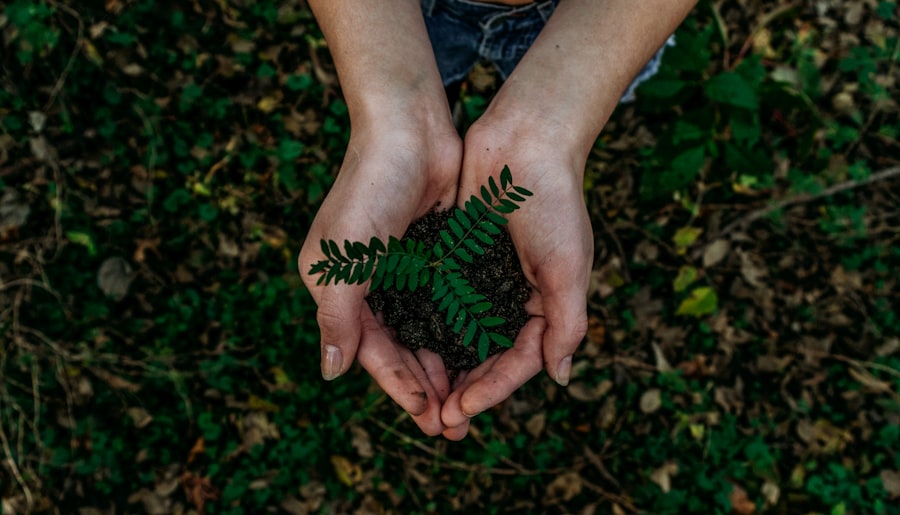
Trees play an indispensable role in carbon sequestration, which is the long-term storage of carbon dioxide or other forms of carbon to mitigate climate change. When you plant a tree, you are initiating a process that can sequester carbon for decades or even centuries. The biomass of trees—roots, trunks, branches, and leaves—stores significant amounts of carbon, effectively removing it from the atmosphere.
This natural process is vital for maintaining a balanced carbon cycle and combating global warming. Furthermore, different species of trees have varying capacities for carbon sequestration. As you delve deeper into reforestation efforts, it’s important to consider the selection of tree species based on their growth rates and carbon storage potential.
Fast-growing species can sequester carbon more quickly, while slower-growing trees may store more carbon over their lifetimes. By understanding these dynamics, you can make informed decisions about which trees to plant and how to maximize their impact on climate mitigation.
Reforestation as a Natural Solution to Climate Change
Reforestation stands out as a natural solution to climate change due to its ability to address multiple environmental challenges simultaneously. When you participate in reforestation projects, you are not only helping to combat climate change but also enhancing biodiversity, improving air quality, and restoring degraded lands. This interconnectedness highlights the importance of viewing reforestation as part of a larger ecosystem management strategy rather than a standalone solution.
Additionally, reforestation can provide economic benefits to local communities. By creating jobs in tree planting and forest management, you contribute to sustainable livelihoods while promoting environmental stewardship. This dual benefit underscores the potential of reforestation as a holistic approach to addressing climate change and fostering community resilience.
As you reflect on these aspects, consider how your involvement in reforestation initiatives can create lasting positive impacts on both the environment and society.
The Impact of Deforestation on Climate Change
Deforestation has far-reaching consequences for our planet’s climate system. When forests are cleared for agriculture, urban development, or logging, the stored carbon within trees is released back into the atmosphere as carbon dioxide. This process significantly contributes to global warming and disrupts local weather patterns.
As you contemplate the implications of deforestation, it becomes evident that protecting existing forests is just as crucial as planting new ones. Moreover, deforestation leads to habitat loss for countless species, further exacerbating biodiversity decline. The loss of biodiversity can weaken ecosystems and diminish their ability to adapt to changing climate conditions.
As you consider your role in this issue, think about how supporting policies that protect forests and promote sustainable land use can help mitigate the adverse effects of deforestation on climate change.
Reforestation and Biodiversity Conservation
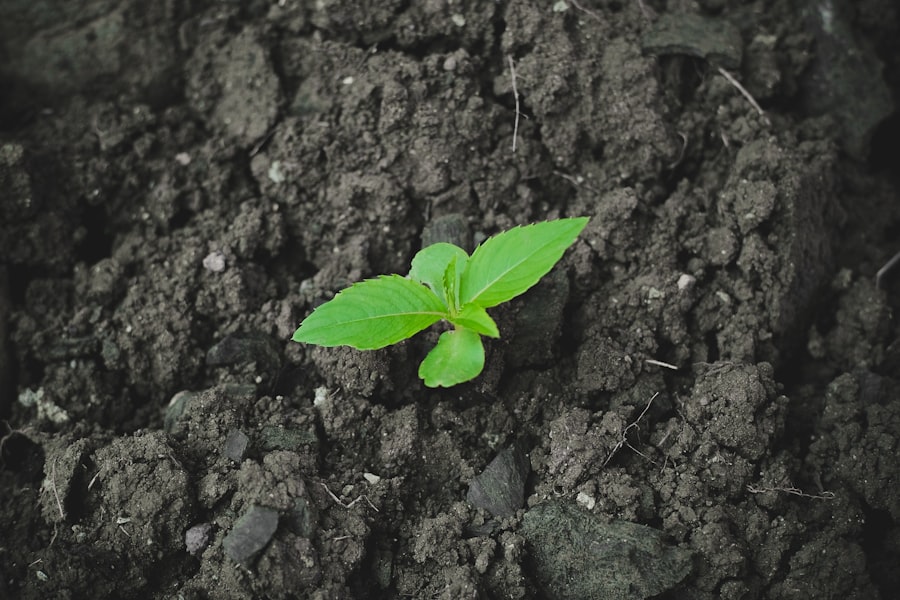
Reforestation is not only vital for climate mitigation but also plays a significant role in biodiversity conservation. When you restore forests, you create habitats for various plant and animal species that may have been displaced due to deforestation or habitat degradation. This restoration process helps maintain ecological balance and promotes resilience within ecosystems.
By participating in reforestation efforts, you contribute to preserving biodiversity and ensuring that ecosystems remain functional and diverse. Additionally, diverse forests are more resilient to climate change impacts such as droughts and pests. When you plant a variety of tree species, you enhance the overall health of the forest ecosystem, making it better equipped to withstand environmental stressors.
This interconnectedness between reforestation and biodiversity conservation highlights the importance of adopting a holistic approach when addressing environmental challenges. As you engage with these concepts, consider how your actions can support both climate mitigation and biodiversity preservation.
Reforestation Initiatives and Their Impact on Local Communities
Reforestation initiatives often have profound impacts on local communities, providing both environmental and socio-economic benefits. When you participate in or support these initiatives, you help create jobs in tree planting, forest management, and ecotourism. These opportunities can uplift communities economically while fostering a sense of stewardship toward the environment.
As local residents become involved in reforestation efforts, they develop a deeper connection to their natural surroundings and recognize the importance of preserving them for future generations. Moreover, reforestation can improve local ecosystems by enhancing soil quality and water retention. Healthier ecosystems lead to increased agricultural productivity and better access to clean water resources for communities.
As you reflect on these benefits, consider how supporting reforestation initiatives can create a ripple effect that extends beyond environmental restoration to improve the quality of life for people living in those areas.
The Future of Reforestation and Climate Mitigation Efforts
Looking ahead, the future of reforestation as a climate mitigation strategy appears promising yet challenging. As awareness grows about the importance of trees in combating climate change, more individuals and organizations are becoming involved in reforestation efforts worldwide. However, challenges such as land availability, funding constraints, and climate variability must be addressed to ensure successful outcomes.
As you think about your role in this movement, consider how advocating for policies that support reforestation can help overcome these obstacles. Furthermore, technological advancements are paving the way for innovative approaches to reforestation. From drone-assisted tree planting to genetic research aimed at developing resilient tree species, these developments hold great potential for enhancing reforestation efforts.
As you stay informed about these advancements, think about how they can be integrated into existing initiatives to maximize their effectiveness in mitigating climate change. In conclusion, reforestation is an essential component of climate mitigation strategies that offers numerous benefits for both the environment and local communities. By understanding its importance and actively participating in reforestation efforts, you can contribute to creating a more sustainable future for our planet.
Whether through direct involvement or advocacy for supportive policies, your actions can make a meaningful difference in addressing one of the most pressing challenges of our time: climate change.
If you are interested in learning more about the impact of trees on the environment, check out the article “How Can Trees Save the Earth from Global Warming” on Live Life with a Cause. This article delves deeper into the ways in which reforestation can help mitigate climate change and offers valuable insights into the importance of preserving our forests for a sustainable future.
FAQs
What is reforestation?
Reforestation is the process of planting trees in areas where forests have been depleted or destroyed. It is a crucial part of efforts to restore and maintain healthy ecosystems.
How does reforestation help mitigate climate change?
Reforestation helps mitigate climate change by absorbing carbon dioxide from the atmosphere through the process of photosynthesis. Trees store carbon in their biomass, which helps to reduce the concentration of greenhouse gases in the atmosphere.
What are the other benefits of reforestation?
Reforestation provides a range of environmental, social, and economic benefits. It helps to conserve biodiversity, improve soil and water quality, and provide habitat for wildlife. It also offers opportunities for sustainable livelihoods and can contribute to the resilience of communities in the face of climate change.
What are some reforestation initiatives around the world?
There are numerous reforestation initiatives around the world, including large-scale government-led projects, community-based efforts, and private sector initiatives. These initiatives often focus on restoring degraded landscapes, protecting watersheds, and enhancing biodiversity.
What are some challenges associated with reforestation?
Challenges associated with reforestation include securing land for planting, selecting appropriate tree species, ensuring long-term maintenance and protection of newly planted forests, and addressing competing land uses and interests. Additionally, the impacts of climate change, such as changing precipitation patterns and increased frequency of extreme weather events, can pose challenges to successful reforestation efforts.