Have you ever wondered how the clearing of forests contributes to the warming of our planet? If you’re concerned about global warming, it’s important to understand the nuances of deforestation and its impact on our environment. In this article, we’ll unpack the complex relationship between deforestation and climate change, shedding light on how this widespread practice exacerbates global warming.
What is Deforestation?
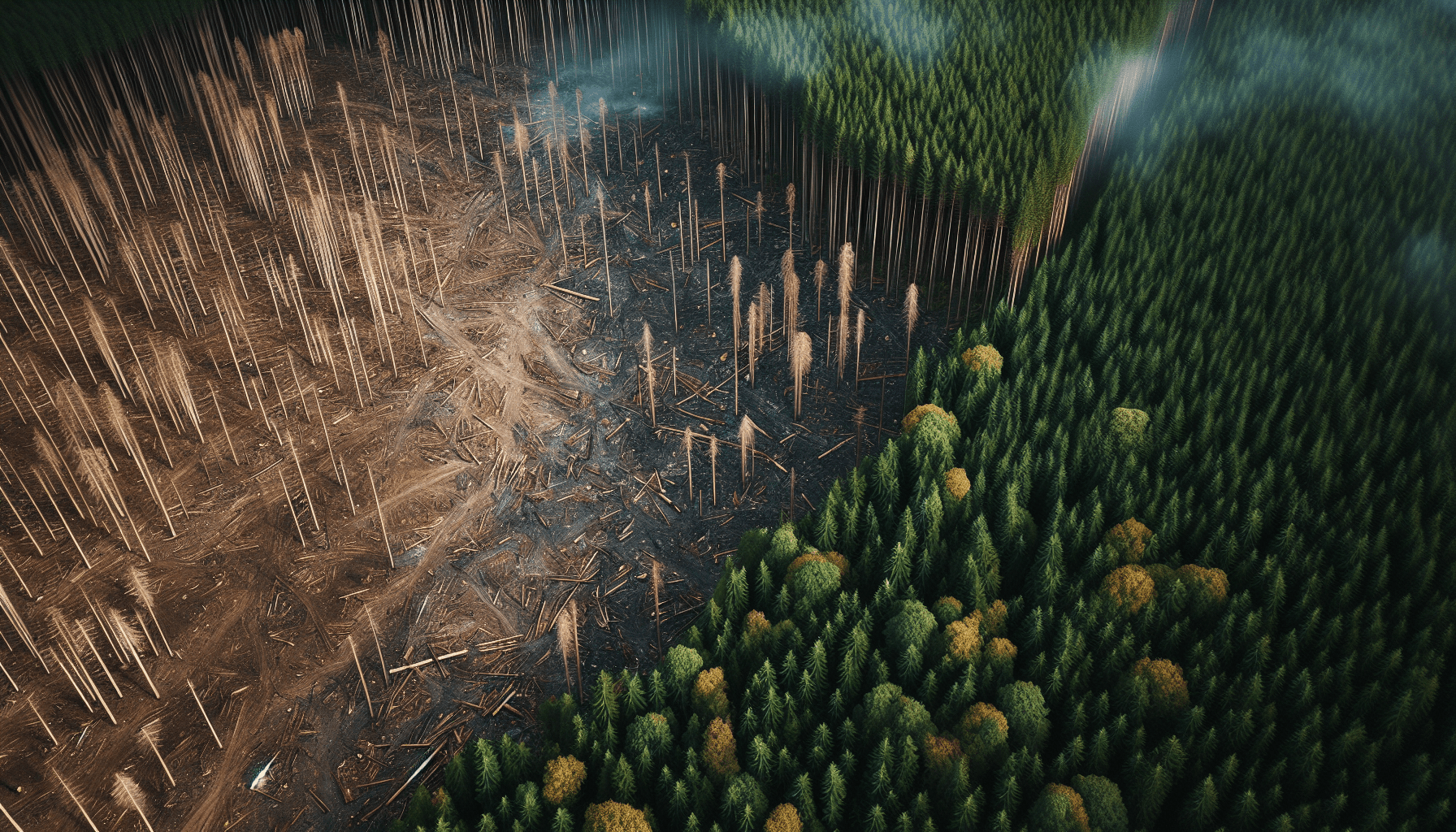
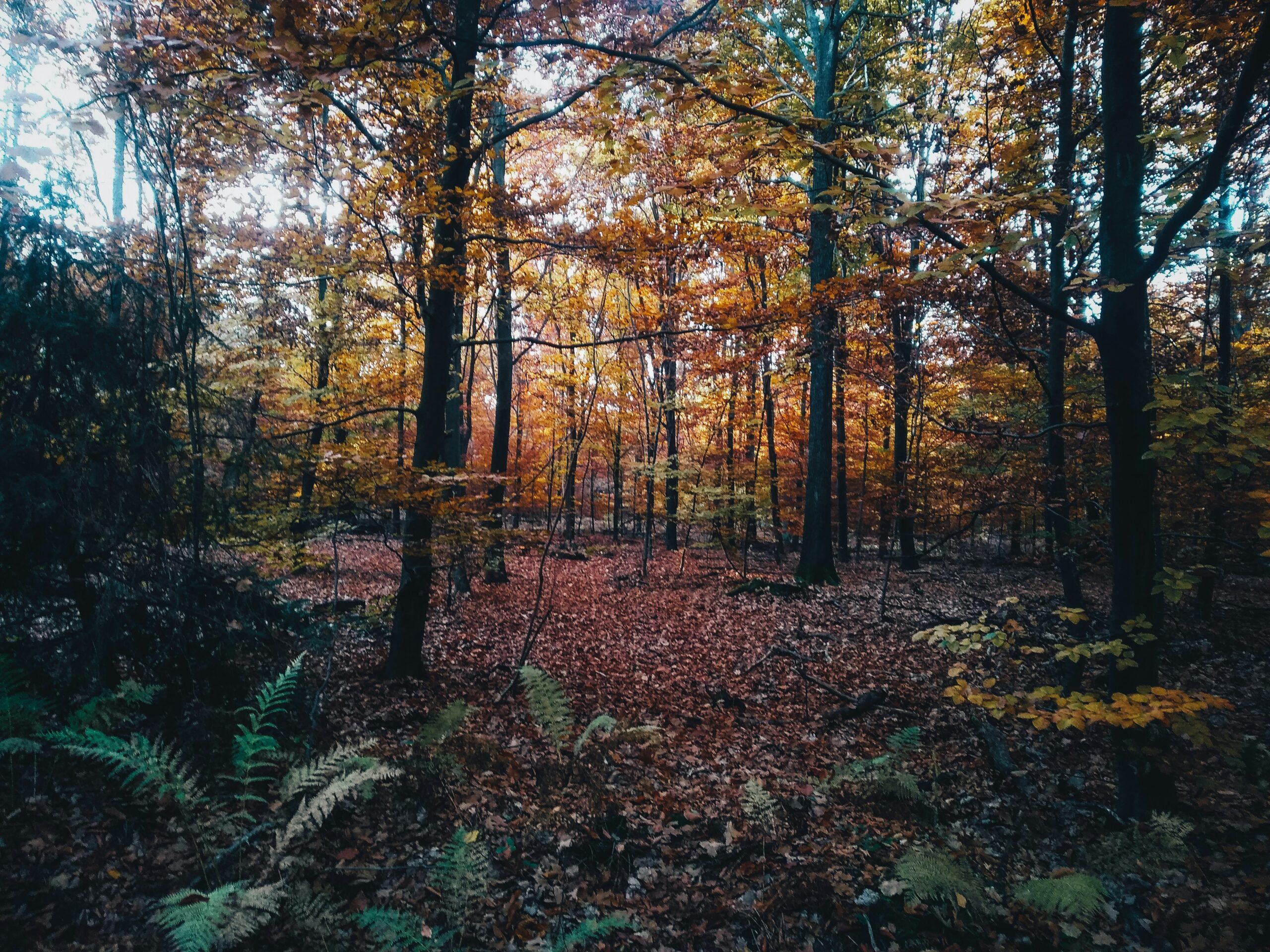
Deforestation refers to the large-scale removal of forests, which involves clearing trees to make way for agricultural activities, urban development, and other land uses. This process transforms forested areas into non-forested ones, leading to significant ecological changes and global repercussions.
The Causes of Deforestation
Several factors drive deforestation, and understanding them is crucial to addressing the issue. Here are some of the most common causes:
- Agricultural Expansion: Forests are often cleared to create space for crops and livestock.
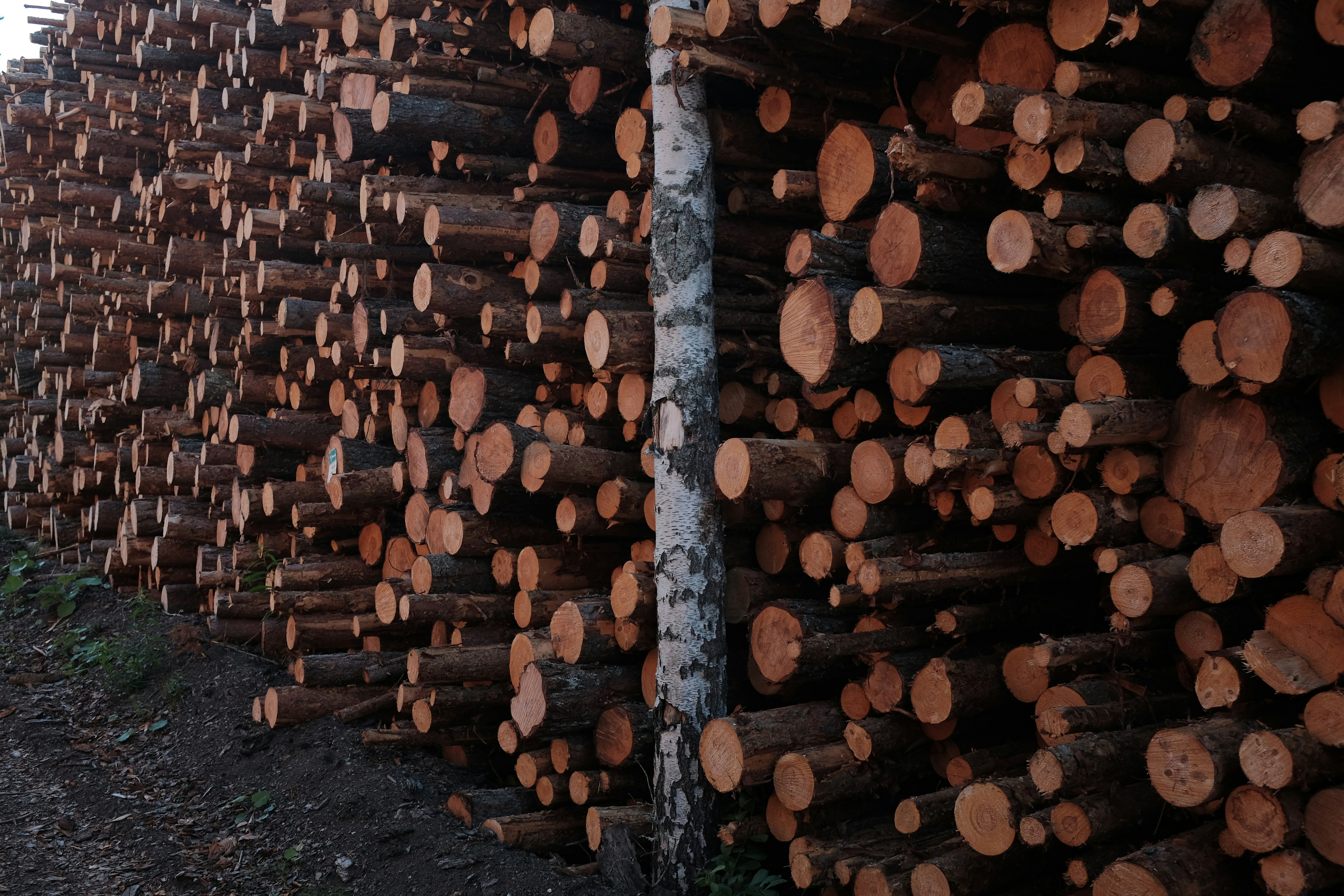
- Logging: Trees are cut down for timber, paper, and other products.
- Urbanization: Growing cities and towns require more land, leading to deforestation.
- Infrastructure Development: Roads, highways, dams, and other infrastructure projects often necessitate the clearing of forests.
- Mining: Extracting natural resources like minerals and oil can result in significant deforestation.
Regions Most Affected by Deforestation
Deforestation is a global issue, but certain regions are particularly affected. The following table highlights some of the most impacted areas:
| Region | Main Cause of Deforestation | Main Impact |
|---|---|---|
| Amazon Rainforest | Agricultural expansion | Loss of biodiversity, impact on indigenous communities |
| Southeast Asia | Palm oil plantations | Habitat destruction, climate change |
| Central Africa | Logging and agriculture | Endangered species, carbon emissions |
| Northern Europe | Forestry industry | Climate change, soil degradation |
How Deforestation Contributes to Global Warming
Forests play a critical role in regulating the Earth’s climate. They act as carbon sinks, absorbing carbon dioxide (CO2) from the atmosphere and storing it in trees, plants, and soil. When forests are cut down, this stored carbon is released back into the atmosphere, contributing to the greenhouse effect and global warming.
The Carbon Cycle Disruption
The carbon cycle is a natural process where carbon is exchanged between the atmosphere, land, and oceans. Deforestation disrupts this cycle in several ways:
- Carbon Release: When trees are burned or decompose after being cut down, the carbon stored in them is released into the atmosphere as CO2.
- Reduced Carbon Absorption: With fewer trees, there are fewer opportunities for CO2 to be absorbed from the atmosphere.
- Soil Carbon Loss: Forest soils also store significant amounts of carbon, which is released when forests are cleared and the soil is disturbed.
Greenhouse Gases and Deforestation
Deforestation not only releases CO2 but also impacts the emission of other greenhouse gases:
- Methane (CH4): Wetlands and peatlands, when drained for agriculture, release methane—a potent greenhouse gas.
- Nitrous Oxide (N2O): Agricultural activities on deforested land can increase nitrous oxide emissions through the use of fertilizers.
Impact on Global Temperatures
The increase in greenhouse gases due to deforestation has a direct impact on global temperatures. According to various scientific studies, deforestation is responsible for about 10-15% of global greenhouse gas emissions. This contributes significantly to the warming of our planet, leading to various climate-related issues.
Ecological Impacts of Deforestation
The ecological consequences of deforestation are profound and far-reaching. Forests are home to a vast array of species and play a crucial role in maintaining ecological balance. Here’s how deforestation disrupts this balance:
Loss of Biodiversity
Forests are some of the most biodiverse ecosystems on the planet. When forests are cleared, countless species lose their habitats, leading to reduced biodiversity and, in some cases, extinction. The loss of species can destabilize ecosystems and make it more challenging for them to recover.
Soil Erosion and Degradation
Trees and plants help to hold soil in place, preventing erosion. Deforestation leaves the soil exposed to the elements, making it more susceptible to erosion. This can lead to decreased soil fertility, increased sedimentation in rivers and streams, and a greater risk of flooding.
Alteration of Water Cycles
Forests play a crucial role in the water cycle by absorbing rainfall and releasing water vapor back into the atmosphere. Deforestation disrupts this cycle, leading to changes in precipitation patterns and reduced water availability. This can have adverse effects on both local and global water resources.
Climate Feedback Loops
Deforestation can create feedback loops that exacerbate climate change. For instance, as forests are cleared and the climate warms, it can lead to drying and increased forest fires, which release more carbon into the atmosphere and further accelerate warming.
Societal Impacts of Deforestation
The consequences of deforestation extend beyond ecological harm, affecting human societies in profound ways. Here are some of the social implications of deforestation:
Impact on Indigenous Communities
Many indigenous communities rely on forests for their livelihoods, culture, and traditions. Deforestation threatens their way of life by depriving them of essential resources and leading to displacement. Moreover, the loss of biodiversity and changes in the environment can affect their health and well-being.
Economic Consequences
While deforestation can lead to short-term economic gains through activities like logging and agriculture, it often results in long-term economic losses. The degradation of ecosystems, loss of biodiversity, and changes in climate can affect agriculture, fisheries, and tourism, leading to economic instability.
Health Implications
Deforestation can have direct and indirect health impacts. For example, the clearing of forests can increase the spread of diseases like malaria, as mosquitoes thrive in deforested areas. Additionally, the loss of medicinal plants and traditional medicines can affect healthcare in many communities.
Combating Deforestation
Addressing deforestation requires a multifaceted approach involving governments, businesses, and individuals. Here are some strategies and initiatives aimed at combating deforestation:
Reforestation and Afforestation
Reforestation involves replanting trees in deforested areas, while afforestation entails planting trees in previously non-forested areas. Both strategies help to restore ecosystems, enhance biodiversity, and sequester carbon.
Sustainable Forestry Practices
Sustainable forestry ensures that forest resources are managed sustainably, balancing environmental, social, and economic needs. Practices include selective logging, reduced-impact logging, and adhering to certification standards like the Forest Stewardship Council (FSC).
Protection of Forested Areas
Establishing protected areas and national parks can help preserve critical forest ecosystems. Legal protections and effective enforcement are essential to prevent illegal logging and land conversion.
Promoting Alternative Livelihoods
Supporting alternative livelihoods for communities that rely on deforestation for income is crucial. Initiatives such as agroforestry, sustainable agriculture, and ecotourism can provide economic opportunities without harming forests.
Corporate and Consumer Responsibility
Businesses and consumers play a key role in reducing deforestation. Companies can adopt zero-deforestation commitments, source sustainable products, and promote transparency in their supply chains. Consumers can support these efforts by choosing sustainably sourced products and reducing their ecological footprint.
The Role of Policy and Legislation
Strong policies and legislation are essential to address the drivers of deforestation and promote sustainable practices. Here are some measures that governments can take:
Regulatory Frameworks
Governments can establish robust regulatory frameworks to control deforestation, including laws that protect forests, regulate land use, and promote sustainable practices. Effective monitoring and enforcement are critical to ensuring compliance.
Incentives for Conservation
Providing incentives for conservation can encourage landowners and businesses to protect and restore forests. Examples include payment for ecosystem services (PES) programs, tax breaks, and subsidies for sustainable practices.
International Agreements
Global cooperation is essential to address deforestation effectively. International agreements, such as the Paris Agreement, and initiatives like REDD+ (Reducing Emissions from Deforestation and Forest Degradation) aim to reduce deforestation through financial incentives and technical support.
The Future: A Call to Action
Tackling deforestation is a critical component of addressing global warming and ensuring a sustainable future. By understanding the causes and consequences of deforestation, we can take meaningful action to protect our planet’s forests and mitigate climate change.
Individual Actions
As an individual, you can make a difference by:
- Supporting Conservation Organizations: Donate to or volunteer with organizations dedicated to preserving forests and biodiversity.
- Making Sustainable Choices: Opt for products that are certified sustainable and reduce your consumption of goods linked to deforestation.
- Advocating for Change: Raise awareness and advocate for policies that protect forests and promote sustainability.
Collaborative Efforts
Collaboration between governments, businesses, and civil society is essential to create lasting change. By working together, we can develop innovative solutions, share knowledge and resources, and build a more sustainable and equitable world.
Conclusion
The link between deforestation and global warming is undeniable. As the deforestation drama unfolds, it’s up to each of us to play a role in reversing this trend. By protecting forests, promoting sustainable practices, and advocating for strong policies, we can make a significant impact on global warming and preserve our planet for future generations.
Global Warming: The Deforestation Drama Unfolds – understanding this connection is the first step toward a greener, more sustainable world. Will you take the next step?
By delving into the causes, impacts, and solutions related to deforestation, it becomes clear that comprehensive action is needed to combat this issue effectively. Whether through individual efforts or collective initiatives, every step taken is a step toward mitigating global warming and preserving our planet’s rich and diverse ecosystems.