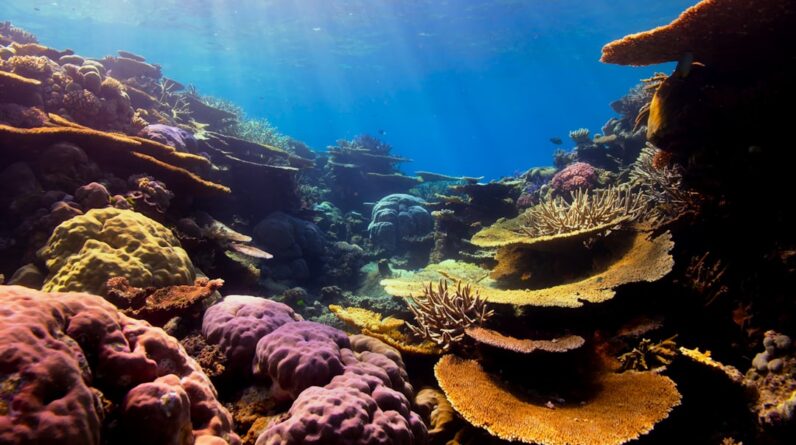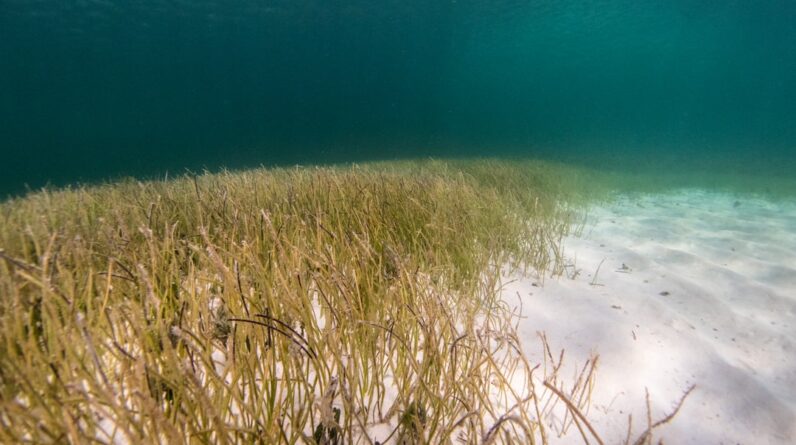
As you stand on the shore, gazing out at the vast expanse of the ocean, you may not realize the critical role that this body of water plays in your respiratory health. The ocean is not just a beautiful landscape; it is a vital source of oxygen that sustains life on Earth. Approximately half of the oxygen you breathe comes from the ocean, primarily produced by phytoplankton, tiny marine plants that photosynthesize just like terrestrial plants.
This connection between ocean health and human well-being is often overlooked, yet it is essential for understanding how the state of our oceans directly impacts your respiratory wellness. The intricate relationship between ocean oxygen and respiratory health is a topic that deserves your attention. As you delve deeper into this subject, you will discover how the health of our oceans influences not only the air you breathe but also the overall quality of life.
The depletion of ocean oxygen levels poses a significant threat to both marine ecosystems and human health, making it imperative for you to understand these dynamics. By recognizing the importance of ocean oxygen, you can become an advocate for its preservation and contribute to a healthier planet for yourself and future generations.
Key Takeaways
- Ocean oxygen is essential for respiratory wellness as it directly impacts the air we breathe and the health of our lungs.
- Depletion of ocean oxygen can lead to an increase in respiratory diseases and worsen existing respiratory conditions.
- Understanding the connection between ocean oxygen levels and respiratory wellness is crucial for addressing and preventing respiratory health issues.
- Ocean oxygen levels have a direct impact on the prevalence and severity of respiratory diseases such as asthma and COPD.
- Taking steps to protect and improve ocean oxygen levels is vital for better respiratory health, and policy and advocacy play a key role in addressing ocean oxygen depletion.
The Importance of Ocean Oxygen for Human Health
Ocean oxygen is crucial for your health in more ways than you might imagine. The oxygen produced by marine plants supports not only your respiratory system but also the entire biosphere. Phytoplankton, which thrive in nutrient-rich waters, are responsible for generating about 50% of the Earth’s oxygen supply.
This means that every breath you take is intricately linked to the health of our oceans. When these marine plants flourish, they contribute to a balanced ecosystem that supports diverse marine life, which in turn sustains human populations through food sources and economic activities. Moreover, the ocean acts as a natural regulator of climate and air quality.
Healthy oceans absorb carbon dioxide from the atmosphere, helping to mitigate climate change and its associated respiratory issues, such as asthma and chronic obstructive pulmonary disease (COPD). When ocean oxygen levels are high, they contribute to cleaner air and a more stable climate, which directly benefits your respiratory health. Understanding this connection emphasizes the need for you to engage in efforts aimed at protecting ocean ecosystems, as their health is intrinsically tied to your own well-being.
The Impact of Ocean Oxygen Depletion on Respiratory Health
As you explore the consequences of ocean oxygen depletion, it becomes clear that this issue extends far beyond marine life. When oxygen levels in the ocean decline, it leads to a phenomenon known as hypoxia, which can have dire implications for both aquatic ecosystems and human health. Hypoxic conditions can result in dead zones where marine life cannot survive, disrupting food chains and leading to a decline in fish populations.
This decline not only affects those who rely on fishing for their livelihoods but also impacts your access to healthy seafood options. The repercussions of hypoxia are not limited to marine environments; they also extend to your respiratory health. As ocean oxygen levels drop, the air quality can deteriorate due to increased greenhouse gas emissions and pollutants.
Poor air quality is linked to a range of respiratory issues, including increased rates of asthma attacks and other chronic lung diseases. By understanding how ocean oxygen depletion affects air quality, you can better appreciate the urgency of addressing this environmental crisis and its implications for your health.
Understanding the Connection Between Ocean Oxygen and Respiratory Wellness
To fully grasp the connection between ocean oxygen and respiratory wellness, it is essential to consider the broader ecological context. The ocean serves as a critical component of the Earth’s carbon cycle, absorbing carbon dioxide and releasing oxygen through photosynthesis. When this balance is disrupted—whether through pollution, climate change, or overfishing—the consequences ripple through both marine ecosystems and human health.
You may find it surprising that your respiratory wellness is so closely tied to the health of these distant waters. Furthermore, the degradation of ocean habitats can lead to a decline in biodiversity, which has far-reaching effects on ecosystem services that benefit you directly. Healthy oceans support a variety of species that contribute to nutrient cycling and water purification, both of which are essential for maintaining clean air and water.
By recognizing this interconnectedness, you can better understand why advocating for ocean conservation is not just an environmental issue but a public health imperative.
How Ocean Oxygen Levels Affect Respiratory Diseases
The relationship between ocean oxygen levels and respiratory diseases is complex yet critical for your understanding of public health. Research has shown that areas with declining ocean oxygen levels often experience higher rates of respiratory illnesses among local populations. This correlation can be attributed to several factors, including increased air pollution from coastal industrial activities and changes in weather patterns that exacerbate respiratory conditions.
For instance, when ocean temperatures rise due to climate change, it can lead to harmful algal blooms that produce toxins harmful to both marine life and humans. These toxins can become airborne, contributing to respiratory problems when inhaled. Additionally, as fish populations decline due to hypoxia, communities that rely on fishing may face food insecurity, leading to nutritional deficiencies that can further compromise respiratory health.
By understanding these connections, you can appreciate the urgency of addressing ocean oxygen depletion as a means of preventing respiratory diseases.
Steps to Protect and Improve Ocean Oxygen for Better Respiratory Health
Taking action to protect and improve ocean oxygen levels is essential for safeguarding your respiratory health and that of future generations. One effective way to contribute is by supporting sustainable fishing practices that minimize overfishing and habitat destruction. By choosing seafood sourced from responsible fisheries, you help maintain healthy fish populations that play a vital role in ocean ecosystems.
Additionally, advocating for policies aimed at reducing carbon emissions can significantly impact ocean health. You can support renewable energy initiatives and promote energy efficiency in your community. By reducing greenhouse gas emissions, you not only help combat climate change but also contribute to cleaner air quality—an essential factor in maintaining good respiratory health.
Engaging in local clean-up efforts at beaches and coastal areas can also make a difference by reducing pollution that harms marine life and depletes oxygen levels.
The Role of Policy and Advocacy in Addressing Ocean Oxygen Depletion
Policy and advocacy play crucial roles in addressing the issue of ocean oxygen depletion and its impact on respiratory wellness. As an informed citizen, you have the power to influence decision-makers by advocating for policies that prioritize ocean conservation and sustainable practices. This includes supporting legislation aimed at reducing pollution from land-based sources, which often finds its way into oceans and disrupts delicate ecosystems.
Moreover, engaging with local organizations focused on environmental protection can amplify your voice in advocating for change. By participating in community initiatives or joining campaigns aimed at raising awareness about ocean health, you contribute to a collective effort that can lead to meaningful policy changes. Your involvement can help ensure that future generations inherit a healthier planet with abundant ocean oxygen—essential for both marine life and human well-being.
Taking Action for Better Respiratory Wellness through Ocean Oxygen Conservation
In conclusion, the connection between ocean oxygen and respiratory wellness is profound and multifaceted. As you reflect on this relationship, it becomes clear that protecting our oceans is not merely an environmental concern; it is a matter of public health that directly affects your quality of life. By understanding how ocean oxygen levels influence respiratory health, you are empowered to take action—whether through personal choices or community advocacy.
The time has come for you to recognize your role in this critical issue. By supporting sustainable practices, advocating for effective policies, and raising awareness about the importance of ocean conservation, you can contribute to a healthier planet for yourself and future generations. Together, we can work towards ensuring that our oceans continue to provide the vital oxygen necessary for our respiratory wellness—an essential element for life on Earth.
A related article to Human Health Alert: The Direct Link Between Ocean Oxygen and Respiratory Wellness can be found on Live Life with a Cause’s blog. The article discusses the importance of stopping forest burning to save trees and animals. Forest fires not only destroy habitats but also release harmful pollutants into the air, affecting respiratory health. To learn more about this crucial issue, visit Live Life with a Cause’s article on stopping forest burning.
FAQs
What is the direct link between ocean oxygen and respiratory wellness?
The direct link between ocean oxygen and respiratory wellness is that the health of the ocean directly impacts the quality of the air we breathe. Phytoplankton in the ocean produce a significant amount of the world’s oxygen, and their health is directly affected by ocean oxygen levels. When ocean oxygen levels decrease, it can lead to a decrease in phytoplankton populations, which in turn can impact the amount of oxygen produced and the overall air quality.
How do ocean oxygen levels affect human health?
Ocean oxygen levels can affect human health by impacting the quality of the air we breathe. Decreased ocean oxygen levels can lead to a decrease in oxygen production by phytoplankton, which can result in lower air quality and potential respiratory issues for humans.
What are the potential consequences of declining ocean oxygen levels on respiratory wellness?
The potential consequences of declining ocean oxygen levels on respiratory wellness include an increase in air pollution, a decrease in air quality, and potential respiratory issues for humans. Additionally, declining ocean oxygen levels can also impact marine life, which can have further consequences on human health and the overall ecosystem.
What can be done to address declining ocean oxygen levels and protect respiratory wellness?
To address declining ocean oxygen levels and protect respiratory wellness, it is important to address the root causes of ocean oxygen depletion, such as climate change, pollution, and overfishing. Implementing sustainable fishing practices, reducing carbon emissions, and protecting marine ecosystems can all contribute to improving ocean oxygen levels and ultimately protecting respiratory wellness. Additionally, supporting policies and initiatives aimed at ocean conservation and climate action can also help address this issue.