
Reforestation plays a pivotal role in the creation of green jobs, which are essential for fostering sustainable economic growth. As you consider the pressing environmental challenges we face today, it becomes clear that restoring forests is not merely an ecological necessity but also a significant opportunity for job creation. By investing in reforestation initiatives, communities can stimulate local economies while simultaneously addressing issues such as deforestation and habitat loss.
This dual benefit makes reforestation a cornerstone of sustainable development, where economic and environmental goals align. Moreover, the act of reforesting lands can lead to a diverse range of employment opportunities. From planting trees to managing forest health, the spectrum of jobs created through these efforts is vast.
You might find yourself involved in activities such as seed collection, nursery management, and even community education about the importance of trees. Each of these roles contributes not only to the restoration of ecosystems but also to the empowerment of local communities, providing them with a stake in their environmental future. As you engage in these activities, you become part of a larger movement that recognizes the intrinsic value of nature and the need for sustainable practices.
Key Takeaways
- Reforestation creates green jobs that contribute to economic growth and environmental sustainability.
- Reforestation provides economic benefits such as increased timber production and carbon sequestration, while also restoring ecosystems and biodiversity.
- Reforestation plays a crucial role in combating climate change by absorbing carbon dioxide and reducing greenhouse gas emissions.
- Green jobs created by reforestation efforts include tree planting, forest management, and ecological restoration, requiring skills such as forestry and conservation.
- Reforestation jobs require training in areas such as tree identification, planting techniques, and sustainable land management, offering opportunities for skill development and employment.
The Economic and Environmental Benefits of Reforestation
The economic benefits of reforestation extend far beyond immediate job creation. When you participate in reforestation projects, you are contributing to the long-term health of ecosystems that provide essential services, such as clean air and water. Healthy forests can mitigate soil erosion, enhance biodiversity, and even improve agricultural productivity by maintaining soil quality.
These benefits translate into economic gains for communities that rely on natural resources for their livelihoods. By restoring forests, you are not only helping the environment but also ensuring that future generations can enjoy the same resources. In addition to these direct benefits, reforestation can also stimulate local economies through eco-tourism and sustainable forestry practices.
As you witness the rejuvenation of landscapes, you may find that these areas attract visitors eager to experience nature’s beauty. This influx can lead to increased revenue for local businesses, from hospitality to outdoor recreation. Furthermore, sustainable forestry practices can provide ongoing income while ensuring that forest ecosystems remain intact.
By participating in reforestation efforts, you are helping to create a cycle of economic resilience that supports both people and the planet.
The Role of Reforestation in Combating Climate Change
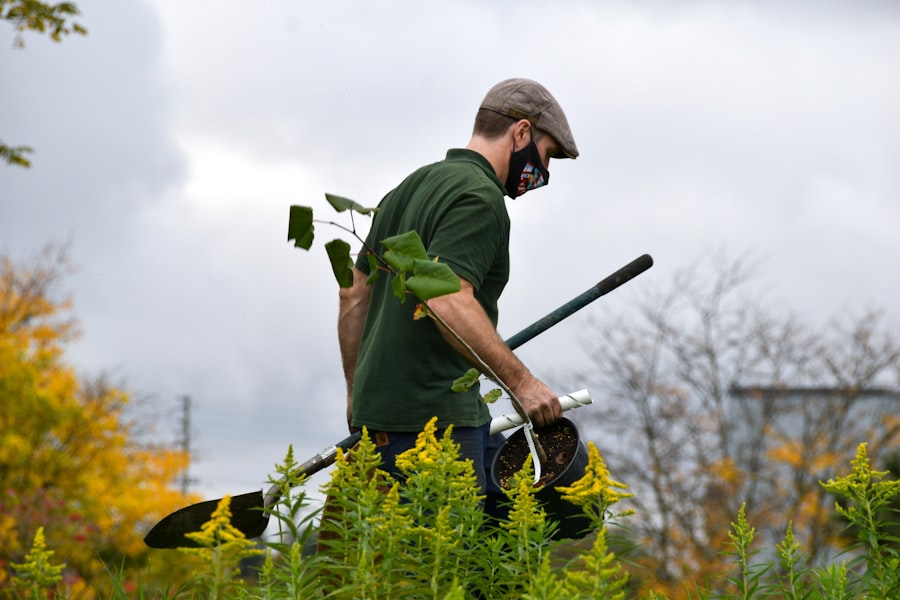
Reforestation is a powerful tool in the fight against climate change, and your involvement in these efforts can make a significant impact. Trees act as carbon sinks, absorbing carbon dioxide from the atmosphere and storing it in their biomass. As you plant trees and restore degraded lands, you are directly contributing to the reduction of greenhouse gases, which is crucial for mitigating global warming.
This process not only helps combat climate change but also enhances the resilience of ecosystems to its effects. Furthermore, reforestation can help communities adapt to climate change by improving local microclimates and increasing biodiversity. As you engage in these projects, you may notice how restored forests can regulate temperatures, reduce flooding, and provide habitats for various species.
These benefits are particularly important as climate change continues to threaten ecosystems and human livelihoods alike. By participating in reforestation initiatives, you are not just planting trees; you are actively working towards a more sustainable future for all.
The Types of Green Jobs Created by Reforestation Efforts
The range of green jobs created by reforestation efforts is diverse and multifaceted. You might find yourself working as a tree planter, where your primary responsibility is to ensure that young saplings are planted correctly and nurtured until they establish themselves. This role is physically demanding but incredibly rewarding as you witness the growth of the trees you have planted over time.
Additionally, there are opportunities in forest management, where you can help monitor tree health, manage pests, and ensure that ecosystems remain balanced. Beyond these roles, there are also positions focused on research and education. As someone passionate about reforestation, you could engage in scientific studies that assess the effectiveness of various planting techniques or explore the ecological impacts of restored forests.
Alternatively, you might take on a role in community outreach, educating others about the importance of trees and encouraging local participation in reforestation projects. Each of these jobs contributes to a larger mission: restoring our planet’s forests while providing meaningful employment opportunities.
The Skills and Training Needed for Reforestation Jobs
To thrive in reforestation jobs, certain skills and training are essential. You will likely need a solid understanding of ecology and environmental science to appreciate the complexities of forest ecosystems. This knowledge will enable you to make informed decisions about planting techniques and species selection based on local conditions.
Additionally, practical skills such as tree identification and knowledge of soil health will be invaluable as you work on the ground. Training programs focused on reforestation often include hands-on experiences that allow you to develop these skills in real-world settings. You might participate in workshops or internships that teach you about nursery management, planting techniques, and forest monitoring practices.
Furthermore, soft skills such as teamwork and communication are crucial when working with diverse groups of people who share a common goal. By honing these skills through training and experience, you will be well-equipped to contribute effectively to reforestation efforts.
Success Stories of Reforestation Projects and Job Creation

Across the globe, numerous success stories highlight the positive impact of reforestation projects on job creation and environmental restoration. For instance, in countries like Ethiopia, large-scale reforestation initiatives have led to the planting of millions of trees while simultaneously providing employment for thousands of individuals. These projects not only combat deforestation but also empower local communities by offering them sustainable livelihoods through forestry-related jobs.
Another inspiring example comes from Costa Rica, where innovative reforestation programs have transformed degraded lands into thriving forests. By implementing payment-for-ecosystem-services schemes, local farmers have been incentivized to restore their lands while generating income from eco-tourism and sustainable timber production. As you learn about these success stories, it becomes evident that reforestation can serve as a catalyst for both environmental recovery and economic development.
Challenges and Opportunities in the Reforestation Job Sector
While the potential for job creation through reforestation is significant, there are also challenges that must be addressed. One major hurdle is securing funding for projects, as many initiatives rely on grants or donations to sustain their operations. As someone interested in this field, you may encounter difficulties in finding consistent financial support for long-term projects.
Additionally, there may be bureaucratic obstacles that hinder the implementation of effective reforestation strategies. Despite these challenges, there are numerous opportunities for growth within the reforestation job sector. As awareness about climate change increases, more organizations and governments are prioritizing environmental restoration efforts.
This shift creates a demand for skilled workers who can lead these initiatives effectively. Furthermore, advancements in technology—such as drone mapping and remote sensing—are revolutionizing how reforestation projects are planned and executed. By staying informed about these trends and continuously developing your skills, you can position yourself at the forefront of this evolving field.
The Future of Reforestation and Sustainable Employment
Looking ahead, the future of reforestation holds immense promise for sustainable employment opportunities. As global awareness about environmental issues continues to grow, more individuals will seek careers that align with their values—careers that contribute positively to both society and the planet. You may find yourself at the center of this movement as reforestation becomes increasingly recognized as a vital component of sustainable development.
Moreover, as governments implement policies aimed at combating climate change, funding for reforestation projects is likely to increase. This influx of resources will create even more job opportunities across various sectors related to forestry and environmental management. By engaging with this dynamic field now, you can play an integral role in shaping a greener future while building a fulfilling career that makes a difference in your community and beyond.
In conclusion, reforestation is not just an environmental imperative; it is also a pathway to creating meaningful green jobs that benefit both people and the planet. Your involvement in these efforts can lead to personal growth while contributing to a larger mission of sustainability and ecological restoration. As we move forward into an uncertain future marked by climate change and environmental degradation, embracing reforestation as a viable solution will be crucial for fostering resilient communities and thriving ecosystems alike.
A related article to Green Jobs Revolution: How Reforestation Creates Sustainable Employment can be found at Combatting Global Warming by Massive Tree Planting. This article discusses the importance of planting trees as a way to combat global warming and the benefits it can bring to the environment. It highlights the positive impact that reforestation efforts can have on reducing carbon emissions and creating a more sustainable future for generations to come.
FAQs
What are green jobs?
Green jobs are positions that contribute to preserving or restoring the environment, such as roles in renewable energy, energy efficiency, and conservation.
How does reforestation create sustainable employment?
Reforestation creates sustainable employment by providing jobs in planting and maintaining trees, managing forests, and developing sustainable wood products. These jobs contribute to environmental conservation and can provide long-term employment opportunities.
What are the benefits of reforestation for the environment?
Reforestation helps to combat climate change by absorbing carbon dioxide from the atmosphere, improving air and water quality, and providing habitat for wildlife. It also helps to prevent soil erosion and mitigate the impacts of natural disasters.
How does reforestation contribute to economic development?
Reforestation contributes to economic development by creating jobs in the forestry and wood products industries, as well as in ecotourism and related sectors. It also provides opportunities for sustainable land use and can generate income from carbon offset programs.
What are some examples of green jobs in reforestation?
Examples of green jobs in reforestation include tree planting and maintenance, forest management and restoration, sustainable forestry practices, and the development of eco-friendly wood products. Additionally, roles in research, education, and advocacy for forest conservation also contribute to the green jobs revolution.