Phytoplankton, the microscopic plants of the ocean, play a crucial role in the health of our planet. These tiny organisms, often invisible to the naked eye, are found in both freshwater and marine environments, thriving in sunlit waters where they can harness the power of sunlight. As primary producers, phytoplankton form the foundation of aquatic food webs, supporting a diverse array of marine life.
You may not realize it, but these organisms are responsible for producing a significant portion of the oxygen we breathe and are vital to the global carbon cycle. Understanding phytoplankton is essential for grasping the intricate balance of our ecosystems. They are not just simple organisms; they exhibit a remarkable diversity, with thousands of species varying in size, shape, and color.
From diatoms to dinoflagellates, each type of phytoplankton has unique characteristics that allow it to thrive in specific environmental conditions. As you delve deeper into the world of phytoplankton, you will discover how these tiny powerhouses contribute to the overall health of our planet and why their well-being is critical for future generations.
Key Takeaways
- Phytoplankton are microscopic organisms that play a crucial role in marine ecosystems and the global carbon cycle.
- Through photosynthesis, phytoplankton produce a significant amount of the world’s oxygen, making them essential for life on Earth.
- Phytoplankton also play a key role in regulating carbon dioxide levels in the atmosphere by absorbing this greenhouse gas.
- Factors such as temperature, nutrient availability, and ocean acidification can impact the growth and distribution of phytoplankton.
- Phytoplankton are a vital part of the marine food chain, supporting the survival of countless marine species and ultimately, human populations.
Photosynthesis and Oxygen Production
The Power of Photosynthesis
At the heart of phytoplankton’s significance lies their ability to perform photosynthesis. This process allows them to convert sunlight into energy, using carbon dioxide and water as raw materials. Through photosynthesis, phytoplankton produce glucose, which serves as food for themselves and other marine organisms.
Oxygen Production and Its Impact
More importantly, they release oxygen as a byproduct, contributing to the atmosphere’s oxygen levels. In fact, it is estimated that phytoplankton are responsible for producing about 50% of the Earth’s oxygen supply. This remarkable feat underscores their importance not only to marine ecosystems but also to life on land.
The Mechanics of Photosynthesis
As you explore the mechanics of photosynthesis in phytoplankton, you will find that they utilize chlorophyll and other pigments to capture light energy. This energy drives a series of chemical reactions that ultimately convert carbon dioxide into organic compounds. The efficiency of this process is influenced by various factors, including light availability, nutrient levels, and water temperature.
Environmental Impacts on Phytoplankton Populations
Understanding these dynamics can help you appreciate how changes in environmental conditions can impact phytoplankton populations and, consequently, global oxygen levels.
Phytoplankton’s Impact on Carbon Dioxide Levels
Phytoplankton play a pivotal role in regulating carbon dioxide levels in the atmosphere. As they photosynthesize, they absorb significant amounts of CO2 from the water and atmosphere, effectively acting as a natural carbon sink. This process not only helps mitigate climate change by reducing greenhouse gas concentrations but also contributes to the ocean’s overall health.
When you consider the vast expanses of ocean covered by phytoplankton, it becomes clear that their ability to sequester carbon is a vital component of the Earth’s climate system. Moreover, when phytoplankton die or are consumed by other marine organisms, the carbon they contain can be transported to deeper ocean layers through a process known as the biological pump. This mechanism ensures that carbon is removed from the atmosphere for extended periods, further contributing to climate regulation.
As you reflect on this intricate relationship between phytoplankton and carbon dioxide levels, it becomes evident that protecting these organisms is essential for maintaining a stable climate and ensuring a sustainable future.
Factors Affecting Phytoplankton Growth
The growth and distribution of phytoplankton are influenced by a variety of environmental factors. Light availability is one of the most critical elements; without sufficient sunlight, photosynthesis cannot occur effectively. In addition to light, nutrient availability plays a significant role in phytoplankton growth.
Essential nutrients such as nitrogen, phosphorus, and iron must be present in adequate amounts for these organisms to thrive. You may find it fascinating that even slight changes in nutrient concentrations can lead to dramatic shifts in phytoplankton populations. Temperature also significantly impacts phytoplankton growth rates.
Warmer waters can enhance growth in some species while inhibiting others. As global temperatures rise due to climate change, understanding how these shifts affect phytoplankton dynamics becomes increasingly important. Furthermore, factors such as salinity, water currents, and even competition among different species can influence phytoplankton populations.
By examining these variables, you can gain insight into the delicate balance that sustains these vital organisms and the ecosystems they support.
Importance of Phytoplankton in the Marine Food Chain
Phytoplankton serve as the cornerstone of the marine food chain, providing essential nutrients for a wide range of marine organisms. As primary producers, they are consumed by zooplankton, which in turn are preyed upon by larger fish and marine mammals. This intricate web of life highlights the interconnectedness of ocean ecosystems and emphasizes how vital phytoplankton are for sustaining marine biodiversity.
When you consider that nearly all marine life depends on these microscopic plants for nourishment, their importance becomes even more pronounced. In addition to being a food source, phytoplankton also contribute to nutrient cycling within marine ecosystems. As they grow and die, they release organic matter that enriches the surrounding waters, supporting other forms of life.
This process not only sustains individual species but also helps maintain overall ecosystem health. By understanding the role of phytoplankton in the marine food chain, you can appreciate how disruptions to their populations can have cascading effects throughout the entire ecosystem.
Threats to Phytoplankton Populations
Despite their importance, phytoplankton populations face numerous threats that jeopardize their survival and functionality. Climate change is perhaps the most significant challenge they encounter; rising sea temperatures can alter growth patterns and disrupt nutrient availability. Additionally, ocean acidification—a direct result of increased CO2 levels—can negatively impact phytoplankton species that rely on calcium carbonate for their shells or structures.
As you consider these threats, it becomes clear that protecting phytoplankton is essential for maintaining healthy oceans. Pollution also poses a significant risk to phytoplankton populations. Runoff from agricultural activities introduces excess nutrients into coastal waters, leading to harmful algal blooms that can deplete oxygen levels and create dead zones where marine life cannot survive.
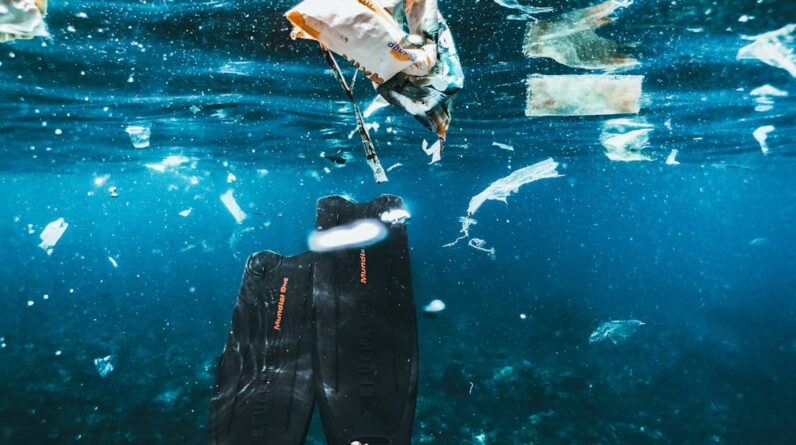
Furthermore, plastic pollution can physically harm these organisms or introduce toxic substances into their environment. By recognizing these threats, you can better understand the urgent need for conservation efforts aimed at protecting phytoplankton and their habitats.
Research and Monitoring of Phytoplankton
Ongoing research and monitoring efforts are crucial for understanding phytoplankton dynamics and their responses to environmental changes. Scientists employ various methods to study these organisms, including satellite imagery to track blooms and water sampling techniques to analyze species composition and abundance. By gathering data on phytoplankton populations across different regions and timeframes, researchers can identify trends and make predictions about future changes in marine ecosystems.
You may find it interesting that citizen science initiatives have also emerged as valuable tools for monitoring phytoplankton health. Engaging communities in data collection helps raise awareness about the importance of these organisms while contributing to scientific knowledge. As you explore this field further, you will discover how collaborative efforts between scientists and local communities can enhance our understanding of phytoplankton and inform conservation strategies.
Future Implications for Phytoplankton and Oxygen Production
Looking ahead, the future of phytoplankton remains uncertain due to ongoing environmental changes driven by human activity. As global temperatures continue to rise and ocean conditions shift, understanding how these factors will impact phytoplankton populations is critical for predicting future oxygen production levels. If current trends persist, we may witness significant declines in certain species or shifts in community composition that could alter the balance of marine ecosystems.
The implications of these changes extend beyond marine environments; they could affect global oxygen levels and climate regulation as well. As you contemplate these potential outcomes, it becomes evident that protecting phytoplankton is not just an ecological concern but a matter of global significance. By advocating for sustainable practices and supporting research initiatives focused on phytoplankton health, you can contribute to safeguarding this vital component of our planet’s future.
In conclusion, phytoplankton are indispensable players in maintaining the health of our oceans and the overall balance of life on Earth. Their ability to produce oxygen, regulate carbon dioxide levels, and support marine food webs underscores their importance in our ecosystem. However, as threats from climate change and pollution loom large, it is imperative that we take action to protect these microscopic powerhouses for generations to come.
By fostering awareness and supporting research efforts, you can play a role in ensuring that phytoplankton continue to thrive in our oceans—ultimately benefiting all life on Earth.
In addition to the crucial role of phytoplankton in the ocean’s oxygen production, planting trees can also have a significant impact on combating climate change. According to a related article on advantages of planting trees for climate change, trees absorb carbon dioxide from the atmosphere and release oxygen, helping to reduce greenhouse gas emissions. By promoting biodiversity and healthy forests, we can further enhance the planet’s ability to regulate oxygen levels and combat climate change. It is essential to recognize the interconnectedness of ecosystems and the importance of taking action to protect our environment.
FAQs
What is phytoplankton?
Phytoplankton are microscopic, single-celled organisms that live in the ocean and other bodies of water. They are the primary producers in the marine food web, converting sunlight into organic matter through photosynthesis.
How do phytoplankton contribute to oxygen production in the ocean?
Phytoplankton play a crucial role in oxygen production through photosynthesis. They take in carbon dioxide and release oxygen as a byproduct, contributing a significant portion of the Earth’s oxygen supply.
What is the significance of phytoplankton in the marine ecosystem?
Phytoplankton form the base of the marine food chain, providing food for a wide range of marine organisms, including zooplankton, fish, and other marine animals. They also play a key role in regulating the Earth’s climate by absorbing carbon dioxide from the atmosphere.
How are phytoplankton populations affected by environmental changes?
Phytoplankton populations can be affected by changes in ocean temperature, nutrient availability, and ocean acidification. These changes can impact their growth and distribution, which in turn can have cascading effects on marine ecosystems and the global carbon cycle.
What are the potential threats to phytoplankton populations?
Potential threats to phytoplankton populations include pollution, overfishing, and climate change. These threats can disrupt the delicate balance of the marine ecosystem and have far-reaching consequences for ocean health and oxygen production.