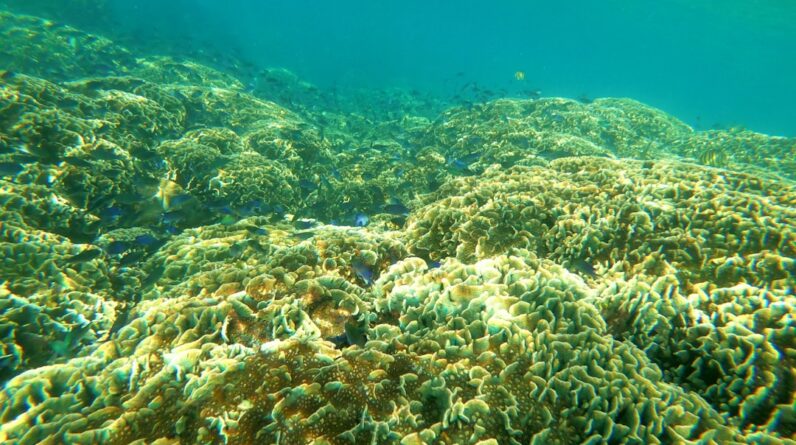
The ocean, often referred to as the lungs of our planet, plays a crucial role in producing oxygen and regulating the Earth’s climate. However, a growing crisis is emerging beneath the waves: the depletion of oxygen levels in our oceans. This phenomenon, known as hypoxia, is characterized by a significant reduction in dissolved oxygen, which is essential for the survival of marine life.
As you delve into this pressing issue, you will discover that the implications of this crisis extend far beyond the aquatic realm, affecting ecosystems, economies, and even human health. To grasp the severity of the ocean’s oxygen crisis, it is essential to understand how oxygen is produced and consumed in marine environments. Phytoplankton, microscopic plants that float on the ocean’s surface, are responsible for generating a substantial portion of the Earth’s oxygen through photosynthesis.
However, as you will learn, various factors are contributing to a decline in these vital organisms and the overall oxygen levels in our oceans. The consequences of this depletion are alarming, as they threaten not only marine biodiversity but also the intricate balance of life on Earth.
Key Takeaways
- The ocean’s oxygen crisis is a serious issue that is affecting marine life and has consequences for human life as well.
- The main causes of the ocean’s oxygen depletion include pollution, climate change, and nutrient runoff from agriculture.
- Marine life is being negatively impacted by the oxygen crisis, leading to habitat loss, species displacement, and decreased biodiversity.
- The consequences for human life include economic impacts on fisheries, loss of food sources, and potential health risks from toxic algal blooms.
- Efforts to address the crisis include reducing pollution, implementing sustainable fishing practices, and creating marine protected areas. Individuals can help by reducing their carbon footprint and supporting ocean conservation initiatives.
Causes of the Ocean’s Oxygen Depletion
Several interrelated factors contribute to the alarming decline in oxygen levels within our oceans. One of the primary culprits is nutrient pollution, often stemming from agricultural runoff and wastewater discharge. When excess nutrients, particularly nitrogen and phosphorus, enter the ocean, they stimulate algal blooms.
While these blooms may initially seem beneficial, they can lead to a cascade of negative effects. As the algae die and decompose, they consume vast amounts of oxygen in the process, creating dead zones where marine life cannot survive. In addition to nutrient pollution, climate change plays a significant role in exacerbating oxygen depletion.
Rising sea temperatures reduce the solubility of oxygen in water, making it more challenging for marine organisms to access this vital resource. Furthermore, warmer waters can lead to stratification, where layers of water become separated by temperature differences. This stratification inhibits the mixing of oxygen-rich surface waters with deeper layers, further diminishing overall oxygen availability.
As you explore these causes, it becomes evident that addressing them requires a multifaceted approach that considers both human activities and natural processes.
Impact on Marine Life
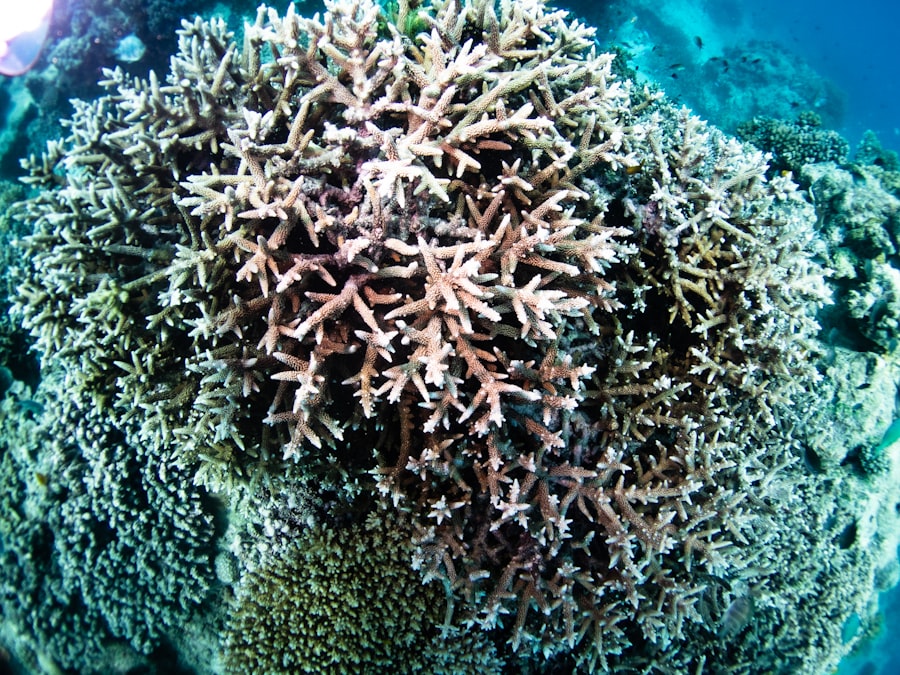
The consequences of declining oxygen levels are dire for marine life. Many species, including fish, crustaceans, and mollusks, rely on adequate oxygen levels to thrive. As hypoxic conditions spread across various regions of the ocean, you may witness a decline in fish populations and shifts in species distribution.
Some species may be more resilient than others, but overall biodiversity suffers as habitats become inhospitable. Moreover, the impact of oxygen depletion extends beyond individual species; entire ecosystems are at risk. Coral reefs, which are already stressed by climate change and pollution, are particularly vulnerable to hypoxia.
These vibrant ecosystems depend on a delicate balance of oxygen and nutrients to support their diverse inhabitants. As you consider the broader implications of this crisis, it becomes clear that the loss of marine biodiversity could have cascading effects on food webs and ecosystem services that humans rely on for sustenance and economic stability.
Consequences for Human Life
The ocean’s oxygen crisis does not merely pose a threat to marine life; it also has profound implications for human populations. Many coastal communities depend on fishing and aquaculture for their livelihoods. As fish populations decline due to hypoxia, you may find that local economies suffer as fishermen struggle to catch enough fish to sustain their businesses.
This economic strain can lead to food insecurity and increased poverty in regions that rely heavily on marine resources. Additionally, the health of our oceans directly impacts global food systems. With declining fish stocks and disrupted ecosystems, you may notice rising prices for seafood and a decrease in availability.
This situation can exacerbate existing inequalities in access to nutritious food, particularly for vulnerable populations who rely on fish as a primary source of protein. As you reflect on these consequences, it becomes evident that addressing the ocean’s oxygen crisis is not just an environmental issue; it is a matter of social justice and human well-being.
Efforts to Address the Crisis
In response to the growing threat of oceanic hypoxia, various initiatives are underway to combat this crisis. Governments, non-profit organizations, and research institutions are collaborating to develop strategies aimed at reducing nutrient pollution and restoring marine ecosystems. You may find that efforts such as implementing stricter regulations on agricultural runoff and promoting sustainable farming practices are gaining traction in many regions.
Moreover, scientists are actively researching innovative solutions to enhance oxygen levels in affected areas. For instance, some projects focus on restoring seagrass beds and mangroves, which can help improve water quality and increase oxygen production. As you explore these efforts, it becomes clear that addressing the ocean’s oxygen crisis requires a collective commitment from individuals, communities, and policymakers alike.
Role of Climate Change
Climate change is an overarching factor that exacerbates many environmental issues, including oceanic hypoxia. As global temperatures rise due to greenhouse gas emissions, you may notice shifts in weather patterns that affect precipitation and runoff into oceans. Increased rainfall can lead to more nutrient runoff from land into coastal waters, further fueling algal blooms and subsequent oxygen depletion.
Additionally, climate change impacts ocean circulation patterns and stratification processes. Warmer surface waters can hinder the mixing of oxygen-rich water with deeper layers, creating conditions that are increasingly inhospitable for marine life. As you consider the interconnectedness of these issues, it becomes evident that addressing climate change is essential for mitigating the ocean’s oxygen crisis and ensuring a sustainable future for both marine ecosystems and human societies.
Importance of Ocean Conservation
Ocean conservation is paramount in addressing the challenges posed by declining oxygen levels and other threats facing marine environments. Protecting marine habitats such as coral reefs, seagrass beds, and mangroves not only helps preserve biodiversity but also enhances the resilience of these ecosystems against stressors like hypoxia. By prioritizing conservation efforts, you contribute to maintaining healthy oceans that can continue to provide essential services for both marine life and humanity.
Moreover, raising awareness about the importance of ocean conservation can inspire collective action at local and global levels. Engaging with your community through beach clean-ups or educational programs can foster a sense of stewardship for our oceans. As you advocate for policies that protect marine environments and promote sustainable practices, you play a vital role in ensuring that future generations inherit a thriving ocean ecosystem.
What You Can Do to Help
As an individual, your actions can significantly impact efforts to address the ocean’s oxygen crisis and promote healthier marine environments. One effective way to contribute is by reducing your carbon footprint through sustainable lifestyle choices. Opting for public transportation or biking instead of driving can help decrease greenhouse gas emissions that contribute to climate change.
Additionally, supporting sustainable seafood initiatives can make a difference in preserving fish populations and promoting responsible fishing practices. By choosing seafood sourced from well-managed fisheries or aquaculture operations, you help reduce pressure on overexploited stocks and encourage more sustainable practices within the industry. Furthermore, advocating for policies that prioritize clean water initiatives and nutrient management can amplify your impact on ocean health.
Engaging with local representatives or participating in community discussions about environmental issues can help raise awareness about the importance of addressing nutrient pollution and protecting marine ecosystems. In conclusion, understanding the ocean’s oxygen crisis is crucial for recognizing its far-reaching implications for both marine life and human societies. By exploring its causes, impacts, and potential solutions, you can become an informed advocate for change.
Through collective efforts at individual and community levels, we can work towards healthier oceans that sustain life on Earth for generations to come.
If you are interested in learning more about the importance of trees in our ecosystems, you should check out the article Increased Tree Planting Will Unbalance the World’s Ecosystems. This article discusses how planting more trees can have unintended consequences on the delicate balance of our planet’s ecosystems. It is crucial to understand the interconnectedness of all living things and how our actions can have far-reaching effects.
FAQs
What is the ocean’s oxygen crisis?
The ocean’s oxygen crisis refers to the declining levels of oxygen in the world’s oceans, primarily caused by human activities such as pollution and climate change.
Why is the ocean’s oxygen important?
Oxygen in the ocean is crucial for the survival of marine life, including fish, plants, and other organisms. It also plays a key role in regulating the Earth’s climate and carbon cycle.
What are the main causes of the ocean’s oxygen crisis?
The main causes of the ocean’s oxygen crisis include nutrient pollution from agricultural runoff, fossil fuel emissions leading to ocean acidification, and the warming of ocean waters due to climate change.
What are the potential consequences of the ocean’s oxygen crisis?
The potential consequences of the ocean’s oxygen crisis include the loss of marine biodiversity, harmful algal blooms, and the disruption of marine ecosystems, which can have cascading effects on global food webs and economies.
What can be done to address the ocean’s oxygen crisis?
Addressing the ocean’s oxygen crisis requires global efforts to reduce nutrient pollution, mitigate climate change, and protect marine habitats. Sustainable fishing practices and the creation of marine protected areas can also help to preserve oxygen levels in the ocean.