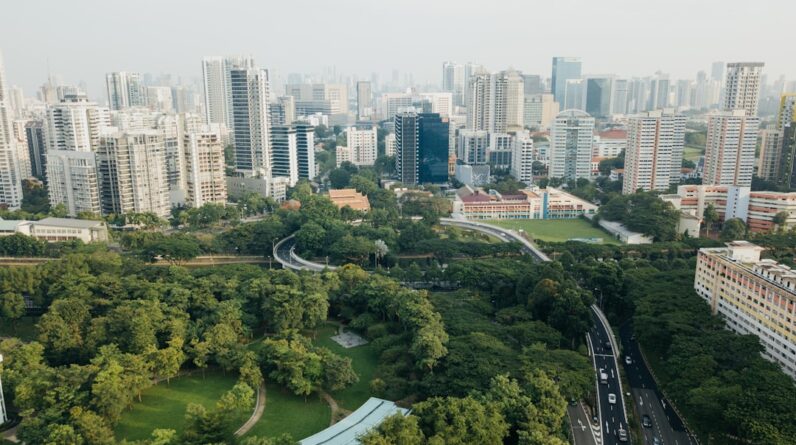
Urban coastlines represent a unique intersection of human development and natural ecosystems. As you stroll along these vibrant shores, you may notice the juxtaposition of towering skyscrapers against the backdrop of the ocean’s vast expanse. These areas are not just picturesque; they are vital hubs of economic activity, cultural exchange, and biodiversity.
Urban coastlines are often bustling with life, from the thrumming energy of city dwellers to the diverse marine species that inhabit the waters. However, this dynamic environment is increasingly under pressure from various anthropogenic factors that threaten its ecological balance. As you delve deeper into the complexities of urban coastlines, you will discover that they are not merely geographical features but intricate systems that require careful management.
The interaction between urban development and coastal ecosystems can lead to both opportunities and challenges. While cities along coastlines can thrive economically, they also face significant environmental issues that can compromise the health of marine life and the quality of the water. Understanding these dynamics is crucial for fostering sustainable practices that protect both urban populations and the natural world.
Key Takeaways
- Urban coastlines are areas where urban development meets the ocean, creating unique environmental challenges.
- Urbanization can lead to habitat destruction, pollution, and increased runoff, all of which can impact coastal environments.
- Challenges for ocean oxygen production in urban coastlines include decreased photosynthesis and increased nutrient runoff.
- Pollution and runoff from urban areas can lead to decreased oxygen levels in coastal waters, impacting marine life.
- Overfishing can disrupt the balance of marine ecosystems and impact oxygen production in urban coastlines.
Impact of Urbanization on Coastal Environments
Urbanization has a profound impact on coastal environments, reshaping landscapes and altering ecosystems in ways that can be both beneficial and detrimental. As you observe the rapid expansion of cities along coastlines, you may notice how infrastructure development often encroaches upon natural habitats. This encroachment can lead to habitat loss for various marine species, disrupting their breeding grounds and feeding areas.
The construction of roads, buildings, and ports can fragment ecosystems, making it difficult for wildlife to thrive in their natural settings. Moreover, urbanization often leads to increased human activity in coastal areas, which can exacerbate environmental stressors. The influx of people brings with it a demand for resources, resulting in overexploitation of marine life and increased waste generation.
As you consider the implications of urban growth, it becomes clear that the balance between development and conservation is delicate. Striking this balance is essential for maintaining the health of coastal ecosystems while accommodating the needs of growing urban populations.
Challenges for Ocean Oxygen Production in Urban Coastlines
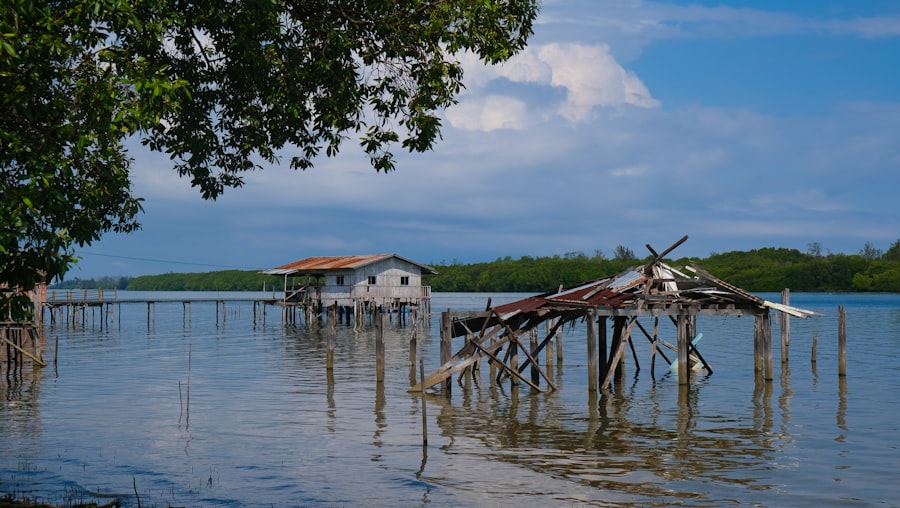
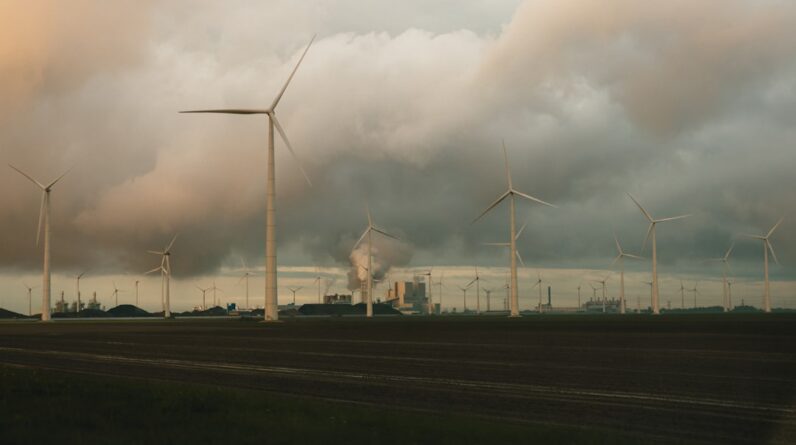
One of the critical challenges facing urban coastlines is the production of oxygen by oceanic ecosystems. As you explore these coastal waters, you may be surprised to learn that marine plants, particularly phytoplankton, play a vital role in oxygen generation. These microscopic organisms utilize sunlight and carbon dioxide to produce oxygen through photosynthesis, contributing significantly to the overall oxygen levels in the ocean.
However, urbanization poses several threats to this essential process. In urbanized coastal areas, nutrient runoff from agricultural lands and wastewater can lead to algal blooms, which can suffocate marine life and disrupt the delicate balance of oxygen production. As you reflect on this issue, it becomes evident that maintaining healthy ecosystems is crucial for ensuring adequate oxygen levels in our oceans.
The challenges posed by urbanization necessitate innovative solutions to protect these vital processes and promote sustainable practices that support both human and marine life.
Effects of Pollution and Runoff on Oxygen Levels
Pollution and runoff are significant contributors to declining oxygen levels in urban coastal waters. As you walk along the shoreline, you may notice signs of pollution—litter, oil slicks, or discolored water—that indicate a larger problem at play. Urban runoff often carries pollutants such as fertilizers, pesticides, and heavy metals into the ocean, leading to nutrient overloads that can trigger harmful algal blooms.
These blooms can deplete oxygen levels in the water, creating “dead zones” where marine life struggles to survive. The consequences of pollution extend beyond immediate visual impacts; they can have long-term effects on marine ecosystems and human health. As you consider the implications of these pollutants, it becomes clear that addressing water quality issues is paramount for preserving coastal environments.
Implementing effective waste management practices and promoting community awareness about pollution can help mitigate these challenges and protect the delicate balance of oxygen production in urban coastlines.
Overfishing and its Impact on Oxygen Production
Overfishing is another pressing issue that affects oxygen production in urban coastlines. As you engage with local fishing communities or observe fishing activities along the shore, you may come to understand how unsustainable fishing practices can deplete fish populations and disrupt marine ecosystems. Healthy fish populations play a crucial role in maintaining ecological balance; they contribute to nutrient cycling and help regulate algal growth.
When fish stocks are overexploited, it can lead to an increase in algal blooms, further exacerbating oxygen depletion in coastal waters. The impact of overfishing extends beyond immediate economic concerns; it poses a threat to the overall health of marine ecosystems. As you reflect on this issue, consider how sustainable fishing practices can help restore balance to these environments.
By promoting responsible fishing methods and supporting local fisheries that prioritize sustainability, you can contribute to efforts aimed at preserving both marine biodiversity and oxygen production in urban coastlines.
Climate Change and its Influence on Urban Coastline Oxygen Levels
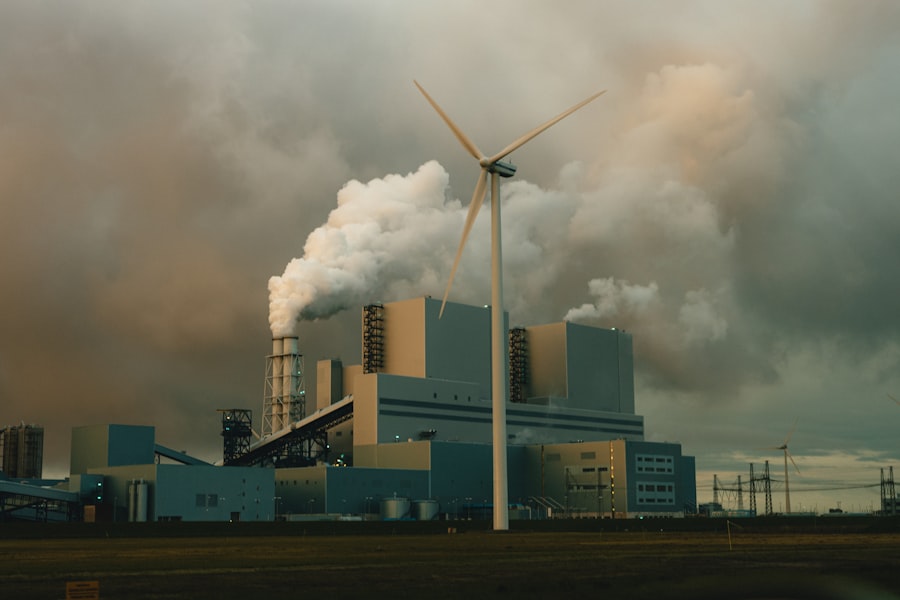
Climate change is an overarching challenge that influences many aspects of urban coastlines, including oxygen levels in ocean waters. As global temperatures rise, ocean temperatures also increase, leading to changes in marine ecosystems that can affect oxygen production. Warmer waters hold less dissolved oxygen, which can create additional stress for marine life already struggling with pollution and habitat loss.
As you contemplate the implications of climate change on coastal environments, it becomes evident that urgent action is needed to address these challenges. Furthermore, climate change can exacerbate other stressors on coastal ecosystems, such as sea-level rise and increased storm intensity. These changes can lead to habitat loss and increased sedimentation in coastal waters, further impacting oxygen levels.
As you consider your role in combating climate change, think about how individual actions—such as reducing carbon footprints or supporting renewable energy initiatives—can contribute to broader efforts aimed at protecting urban coastlines and their vital ecosystems.
Strategies for Mitigating Oxygen Production Challenges in Urban Coastlines
To address the challenges facing oxygen production in urban coastlines, a multifaceted approach is necessary. As you explore potential strategies for mitigation, consider the importance of community engagement and education in fostering sustainable practices. Raising awareness about the impacts of pollution, overfishing, and climate change can empower individuals to take action in their own lives and advocate for policies that protect coastal environments.
Implementing green infrastructure solutions is another effective strategy for improving water quality and promoting oxygen production. You might encounter initiatives such as rain gardens or permeable pavements designed to reduce runoff and filter pollutants before they reach coastal waters. Additionally, supporting local conservation efforts aimed at restoring habitats—such as mangroves or seagrass beds—can enhance biodiversity and improve overall ecosystem health.
Conclusion and Future Considerations for Urban Coastline Management
In conclusion, managing urban coastlines requires a comprehensive understanding of the intricate relationships between human activity and natural ecosystems. As you reflect on the challenges posed by urbanization, pollution, overfishing, and climate change, it becomes clear that proactive measures are essential for safeguarding these vital environments. The future of urban coastlines depends on our collective ability to balance development with conservation efforts that prioritize sustainability.
As you consider your role in this ongoing dialogue about urban coastline management, remember that every action counts—whether it’s advocating for policy changes or making conscious choices in your daily life. By fostering a culture of stewardship and collaboration among communities, governments, and organizations, we can work together to ensure that urban coastlines remain vibrant ecosystems capable of supporting both human populations and marine life for generations to come.
Urban Coastlines: Special Challenges for Ocean Oxygen Production discusses the importance of preserving coastal ecosystems for the production of oxygen in the ocean. A related article that complements this topic is How Does Reforestation Help the Environment?. Reforestation plays a crucial role in maintaining the balance of ecosystems and can help mitigate the negative impacts of urban development on coastal areas. By planting more trees and preserving existing forests, we can ensure a healthier environment for both land and sea creatures.
FAQs
What are urban coastlines?
Urban coastlines are areas where urban development meets the coast, often characterized by high population density, infrastructure, and industrial activity.
Why do urban coastlines present special challenges for ocean oxygen production?
Urban coastlines can contribute to pollution, nutrient runoff, and increased sedimentation, which can negatively impact the production of oxygen in the ocean. These areas are also more susceptible to habitat destruction and loss of biodiversity, which can further impact oxygen production.
How does urban development affect ocean oxygen production?
Urban development can lead to increased pollution from industrial and domestic sources, as well as higher levels of nutrient runoff from agriculture and urban landscapes. These pollutants can lead to algal blooms and dead zones, which can deplete oxygen levels in the water.
What are the potential consequences of reduced oxygen production in urban coastlines?
Reduced oxygen levels can lead to the decline of marine life, including fish and other aquatic organisms. This can have cascading effects on the entire ecosystem, impacting fisheries, coastal economies, and the overall health of the ocean.
What can be done to mitigate the challenges of urban coastlines on ocean oxygen production?
Efforts to reduce pollution, improve wastewater treatment, and implement sustainable urban planning practices can help mitigate the challenges of urban coastlines on ocean oxygen production. Additionally, protecting and restoring coastal habitats can help support the natural processes that contribute to oxygen production in the ocean.