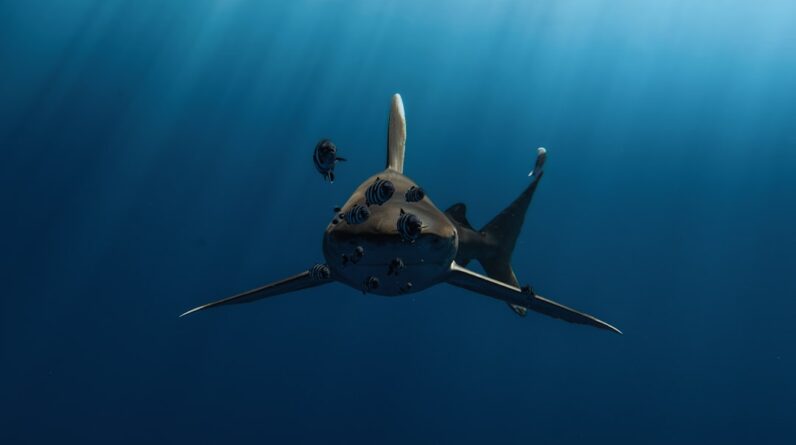
In recent years, the concept of Marine Protected Areas (MPAs) has gained significant traction as a vital strategy for conserving marine ecosystems. You may have noticed that these designated regions are established to safeguard biodiversity, protect habitats, and promote sustainable use of ocean resources. The rise of MPAs can be attributed to a growing recognition of the threats facing our oceans, including overfishing, habitat destruction, and climate change.
As you delve deeper into this topic, you will find that the establishment of MPAs is not merely a trend but a necessary response to the alarming decline in marine life. The global community has increasingly embraced the idea of MPAs as a means to restore and maintain the health of ocean ecosystems. You might be surprised to learn that as of 2023, over 7% of the world’s oceans are now designated as protected areas, with many countries committing to expand these zones further.
This movement is driven by scientific research that highlights the benefits of MPAs, such as increased fish populations, improved water quality, and enhanced resilience to climate change. As you explore the implications of this rise in MPAs, consider how these protected areas can serve as sanctuaries for marine life and contribute to the overall health of our planet.
Key Takeaways
- Marine Protected Areas (MPAs) are on the rise as a crucial tool for conserving ocean biodiversity and ecosystems.
- Innovative technology, such as drones and satellite monitoring, is revolutionizing ocean conservation efforts by providing real-time data and insights.
- Sustainable seafood and aquaculture practices are essential for maintaining healthy ocean ecosystems and ensuring food security for future generations.
- Collaboration and partnerships between governments, NGOs, and local communities are key to effective ocean conservation and management.
- Addressing plastic pollution and marine debris is a critical priority for protecting marine life and preserving the health of our oceans.
Innovative Technology for Ocean Monitoring and Conservation
As you look into the realm of ocean conservation, you will discover that innovative technology plays a crucial role in monitoring and protecting marine environments. Advances in satellite imagery, underwater drones, and artificial intelligence have revolutionized the way scientists and conservationists gather data about ocean health. For instance, satellite technology allows for real-time monitoring of ocean temperatures, currents, and even illegal fishing activities.
This wealth of information empowers you and others to make informed decisions about conservation strategies and resource management. Moreover, underwater drones equipped with high-resolution cameras and sensors are enabling researchers to explore previously inaccessible areas of the ocean. These tools provide valuable insights into marine ecosystems, allowing you to witness firsthand the beauty and fragility of underwater habitats.
By harnessing these technological advancements, conservationists can track changes in biodiversity, assess the effectiveness of MPAs, and develop targeted interventions to protect vulnerable species. As you consider the future of ocean conservation, it becomes clear that technology will continue to play an essential role in safeguarding our oceans for generations to come.
Sustainable Seafood and Aquaculture Practices
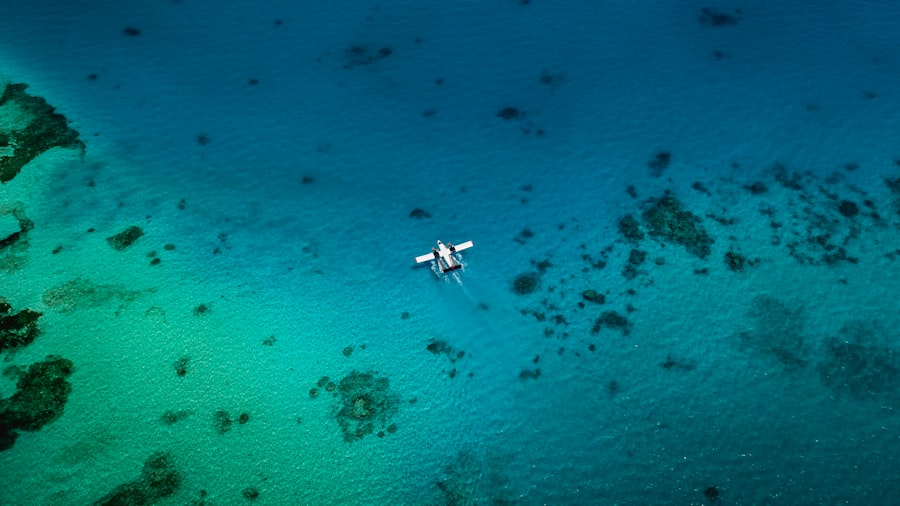
When it comes to ocean conservation, sustainable seafood practices are paramount. As a consumer, your choices can significantly impact marine ecosystems. Overfishing has led to the depletion of numerous fish species, threatening not only marine biodiversity but also the livelihoods of communities that depend on fishing.
By opting for sustainably sourced seafood, you contribute to the preservation of fish populations and the health of ocean ecosystems. Organizations and certifications like the Marine Stewardship Council (MSC) provide guidance on which seafood options are environmentally friendly, making it easier for you to make informed choices. Aquaculture, or fish farming, has emerged as a viable solution to meet the growing demand for seafood while alleviating pressure on wild fish stocks.
However, not all aquaculture practices are created equal. You should be aware that sustainable aquaculture focuses on minimizing environmental impacts, using responsible feed sources, and ensuring humane treatment of farmed fish. By supporting sustainable aquaculture initiatives, you help promote practices that protect marine habitats and reduce pollution associated with traditional farming methods.
As you navigate your seafood choices, remember that your decisions can drive positive change in the industry and contribute to healthier oceans.
Collaboration and Partnerships in Ocean Conservation
Ocean conservation is a complex challenge that requires collaboration across various sectors and stakeholders. You may find it inspiring that governments, non-profit organizations, scientists, and local communities are increasingly joining forces to address pressing marine issues. These partnerships leverage diverse expertise and resources to create comprehensive strategies for protecting ocean ecosystems.
For instance, collaborative efforts between governments and NGOs have led to successful initiatives aimed at restoring coral reefs and managing fisheries sustainably. As you explore these partnerships further, consider how they foster innovation and knowledge sharing. By bringing together different perspectives and skill sets, stakeholders can develop more effective solutions to complex problems.
You might also appreciate how community involvement is often at the heart of these collaborations. Local fishermen, indigenous groups, and coastal residents possess invaluable knowledge about their environments and can play a crucial role in conservation efforts. By working together, you can help ensure that ocean conservation initiatives are not only scientifically sound but also culturally relevant and socially equitable.
Addressing Plastic Pollution and Marine Debris
Plastic pollution has emerged as one of the most pressing threats to ocean health in recent years. As you may know, millions of tons of plastic enter the oceans each year, harming marine life and disrupting ecosystems. The impact of plastic pollution is far-reaching; it affects everything from tiny plankton to large marine mammals.
You might be surprised to learn that microplastics have even been found in the most remote areas of the ocean, highlighting the pervasive nature of this issue. Efforts to combat plastic pollution require a multifaceted approach that includes reducing plastic production, improving waste management systems, and promoting recycling initiatives. As an individual, you can contribute by reducing your plastic consumption and advocating for policies that address this crisis.
Community clean-up events are also an excellent way for you to get involved while raising awareness about the importance of keeping our oceans free from debris. By taking action against plastic pollution, you play a vital role in protecting marine ecosystems and ensuring a healthier future for our oceans.
Climate Change and its Impact on Ocean Conservation
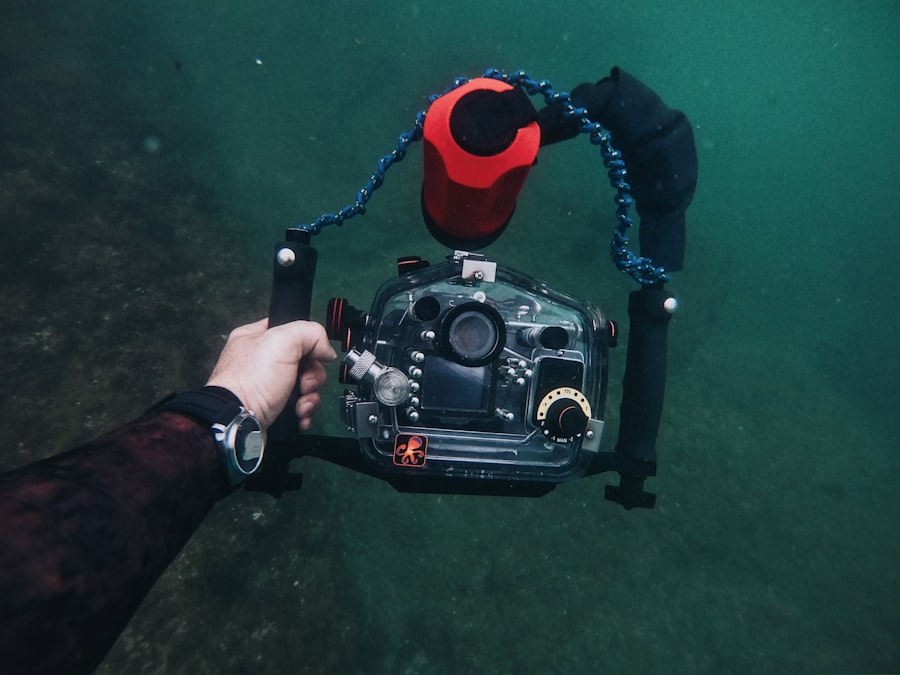
Climate change poses significant challenges for ocean conservation efforts worldwide. Rising sea temperatures, ocean acidification, and changing weather patterns are all consequences of climate change that directly affect marine ecosystems. As you delve into this topic, you will discover how these changes threaten coral reefs, disrupt fish migration patterns, and alter food webs within the ocean.
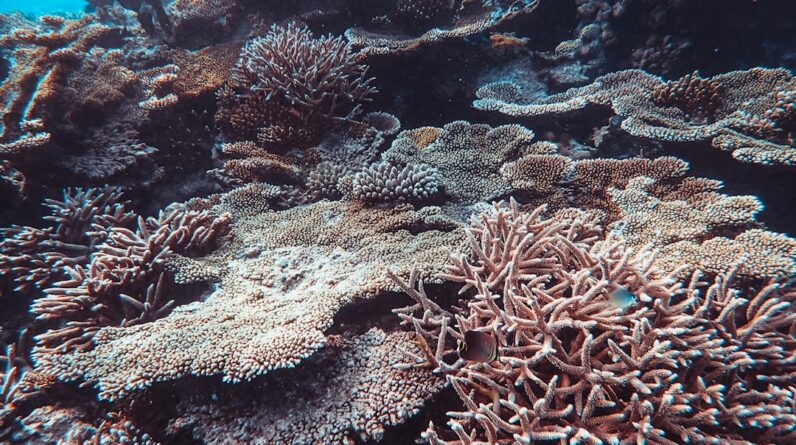
The implications are profound; if left unaddressed, climate change could lead to irreversible damage to marine biodiversity. You may find it alarming that many species are already struggling to adapt to these rapid changes in their environment. For instance, coral bleaching events have become more frequent due to elevated sea temperatures, leading to widespread coral mortality.
As a concerned individual, you can advocate for policies aimed at reducing greenhouse gas emissions and supporting renewable energy initiatives. By raising awareness about the interconnectedness of climate change and ocean health, you contribute to a broader movement advocating for sustainable practices that protect both our planet’s climate and its oceans.
Indigenous and Local Community Involvement in Ocean Conservation
Indigenous peoples and local communities have long been stewards of their marine environments, possessing traditional knowledge that is invaluable for effective ocean conservation. As you explore this aspect of conservation efforts, you will find that involving these communities in decision-making processes leads to more sustainable outcomes. Their deep-rooted understanding of local ecosystems allows them to manage resources in ways that respect both cultural practices and environmental health.
You might be inspired by examples where indigenous-led initiatives have successfully restored habitats or protected endangered species. By recognizing the rights and knowledge of these communities, conservationists can create more inclusive strategies that benefit both people and nature. As an advocate for ocean conservation, consider supporting initiatives that empower local voices in decision-making processes.
By doing so, you help ensure that conservation efforts are culturally sensitive and effective in preserving marine biodiversity.
Education and Awareness Campaigns for Ocean Conservation
Education plays a pivotal role in fostering a culture of ocean conservation among individuals and communities alike. As you engage with educational programs focused on marine ecosystems, you will discover how awareness campaigns can inspire action at various levels—from local communities to global movements. These initiatives often aim to inform people about the importance of healthy oceans while providing practical steps they can take to contribute positively.
You may find it encouraging that many organizations are leveraging social media platforms and interactive tools to reach wider audiences with their messages about ocean conservation. Engaging storytelling combined with compelling visuals can captivate your attention and motivate you to take action. Whether through beach clean-ups or advocacy for policy changes, education empowers individuals like you to become champions for ocean health.
By participating in or supporting these campaigns, you help cultivate a sense of responsibility toward our oceans—an essential step toward ensuring their protection for future generations.
In a related article on biodiversity reservoir by having healthy forest, the importance of maintaining healthy forests as a crucial component of conservation efforts is highlighted. Just as the health of our oceans is vital to the overall well-being of our planet, so too are healthy forests essential for preserving biodiversity and combating climate change. By understanding the interconnectedness of our ecosystems and implementing sustainable practices, we can work towards a more sustainable future for all living beings.
FAQs
What are the current trends in ocean conservation?
Some current trends in ocean conservation include the rise of marine protected areas, the growth of sustainable seafood initiatives, the increasing use of technology for monitoring and enforcement, and the focus on addressing plastic pollution.
How are marine protected areas contributing to ocean conservation?
Marine protected areas (MPAs) are designated areas of the ocean where human activities are regulated to protect marine ecosystems and biodiversity. MPAs help to conserve fish stocks, protect endangered species, and preserve important habitats.
What are sustainable seafood initiatives and how do they contribute to ocean conservation?
Sustainable seafood initiatives aim to promote responsible fishing practices and aquaculture to ensure the long-term health of marine ecosystems and the livelihoods of fishing communities. These initiatives help to reduce overfishing and minimize the environmental impact of seafood production.
How is technology being used for ocean conservation?
Technology is being used for ocean conservation in various ways, including satellite monitoring of illegal fishing activities, the development of underwater drones for marine research and monitoring, and the use of blockchain technology to track and trace seafood supply chains.
What is being done to address plastic pollution in the oceans?
Efforts to address plastic pollution in the oceans include the development of innovative solutions for plastic waste management, the implementation of policies to reduce single-use plastics, and the promotion of public awareness and education about the impact of plastic pollution on marine ecosystems.