The Paris Agreement, adopted in December 2015 during the 21st Conference of the Parties (COP21) in Paris, represents a landmark commitment by nations around the world to combat climate change. You may find it fascinating that this agreement was born out of a collective recognition of the urgent need to limit global warming to well below 2 degrees Celsius above pre-industrial levels, with aspirations to limit the temperature increase to 1.5 degrees Celsius. This ambitious goal reflects a growing consensus among scientists, policymakers, and citizens alike that immediate and sustained action is necessary to mitigate the catastrophic impacts of climate change.
As you delve deeper into the intricacies of the Paris Agreement, you will discover that it is not merely a legal document but a framework for international cooperation. The agreement encourages countries to set their own nationally determined contributions (NDCs), which are essentially self-defined climate action plans. This flexibility allows nations to tailor their commitments based on their unique circumstances and capabilities, fostering a sense of ownership and accountability.
The Paris Agreement also emphasizes transparency and accountability, requiring countries to report on their progress regularly, thus creating a system of checks and balances that aims to ensure that commitments are met.
Key Takeaways
- The Paris Agreement is a global effort to combat climate change by limiting global warming to well below 2 degrees Celsius.
- While global progress has been made in meeting the goals of the Paris Agreement, there are still significant challenges in implementation, especially in developing countries.
- Developed countries have a responsibility to provide financial and technological support to developing countries in their efforts to combat climate change.
- The Paris Agreement has had a positive impact on global emissions, but more financial support is needed to fully achieve its goals.
- Technology plays a crucial role in achieving the goals of the Paris Agreement, and continued innovation is necessary for success.
- The future of the Paris Agreement holds both opportunities and threats, and global cooperation is essential for its continued success.
Global Progress in Meeting Paris Agreement Goals
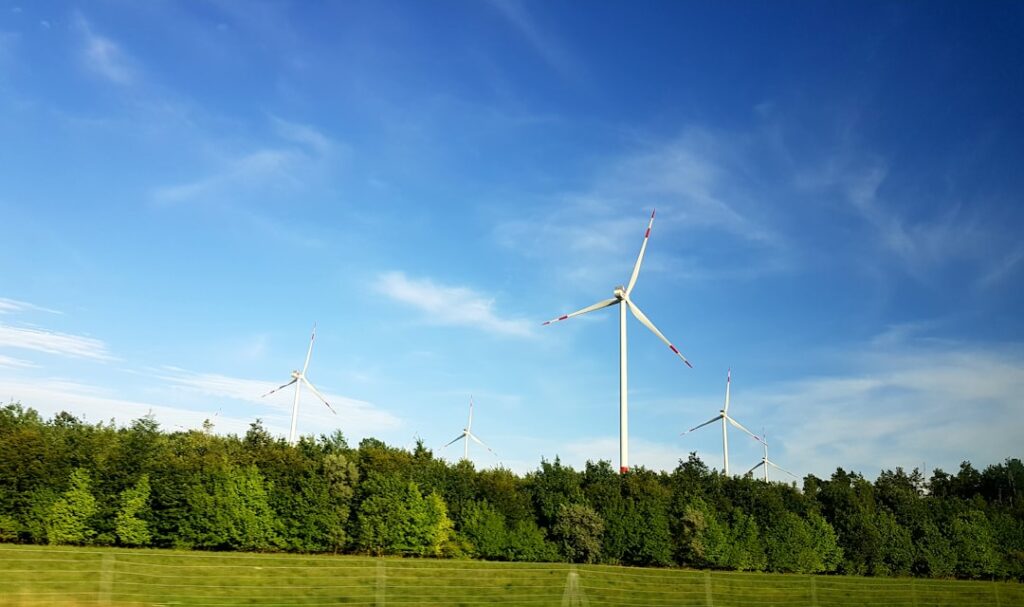
As you examine the global progress made toward achieving the goals set forth in the Paris Agreement, you will find a mixed picture. On one hand, many countries have made significant strides in reducing greenhouse gas emissions and transitioning to renewable energy sources. For instance, nations like Denmark and Costa Rica have emerged as leaders in wind and solar energy, respectively, showcasing how ambitious policies can lead to substantial reductions in carbon footprints.
Furthermore, the global investment in renewable energy has surged, with billions of dollars flowing into solar, wind, and other sustainable technologies. However, despite these positive developments, you may also notice that progress has been uneven across different regions and sectors. Some countries continue to rely heavily on fossil fuels, and global emissions have not yet peaked as hoped.
The International Energy Agency (IEA) has reported that while renewable energy capacity is growing, it is not yet sufficient to offset the continued rise in emissions from fossil fuel consumption. This disparity highlights the need for enhanced collaboration and support among nations to ensure that all countries can meet their climate commitments effectively.
Challenges in Implementing the Paris Agreement

Implementing the Paris Agreement is fraught with challenges that can hinder progress toward its ambitious goals. One of the most significant obstacles you may encounter is the political will required to enact meaningful climate policies. In many countries, climate change remains a contentious issue, often caught up in broader political debates.
You might find it disheartening that some governments prioritize short-term economic gains over long-term sustainability, leading to resistance against necessary reforms. Additionally, the complexity of coordinating international efforts poses another challenge. Climate change knows no borders; therefore, effective action requires collaboration across nations with varying levels of resources and capabilities.
You may recognize that developing countries often face unique hurdles, such as limited access to technology and financial resources, which can impede their ability to implement effective climate strategies. This disparity underscores the importance of fostering global partnerships and ensuring that all nations are equipped to contribute to the collective effort.
The Role of Developed and Developing Countries in Climate Action
The roles of developed and developing countries in climate action are pivotal in shaping the success of the Paris Agreement. As you explore this dynamic, you will see that developed nations bear a historical responsibility for a significant portion of global emissions due to their industrialization processes. Consequently, they are expected to lead by example by making more ambitious commitments and providing support to developing countries.
This support can take various forms, including financial assistance, technology transfer, and capacity-building initiatives. On the other hand, developing countries face unique challenges as they strive for economic growth while addressing climate change. You may find it inspiring that many of these nations are taking proactive steps toward sustainability despite limited resources.
For instance, countries like India and Kenya are investing in renewable energy projects and sustainable agriculture practices. However, they often require external support to scale these initiatives effectively. The interplay between developed and developing nations is crucial; fostering collaboration can lead to innovative solutions that benefit both parties while advancing global climate goals.
The Impact of the Paris Agreement on Global Emissions
The impact of the Paris Agreement on global emissions is a topic of considerable interest as you assess its effectiveness. Since its adoption, there has been a growing awareness of the need for urgent action to curb emissions. You may be intrigued to learn that some studies suggest that the agreement has already influenced national policies and corporate strategies worldwide.
Many businesses are now prioritizing sustainability as consumers increasingly demand environmentally responsible practices. However, despite these positive shifts, global emissions have not yet shown a definitive downward trend. You might find it concerning that recent reports indicate that emissions continue to rise, driven by factors such as population growth and increased energy demand.
The challenge lies in translating commitments into tangible actions that lead to measurable reductions in greenhouse gas emissions. As you reflect on this issue, it becomes clear that while the Paris Agreement has catalyzed important discussions and initiatives, sustained efforts are essential to achieve its long-term objectives.
The Importance of Financial Support for Climate Action
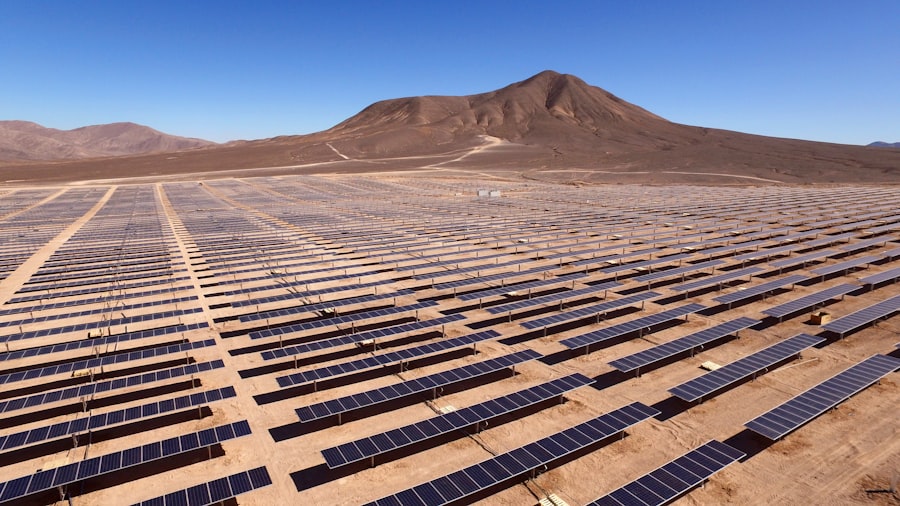
Financial support plays a critical role in enabling effective climate action under the Paris Agreement. As you consider this aspect, you will recognize that many developing countries require substantial investments to transition to low-carbon economies and adapt to the impacts of climate change. You may find it eye-opening that estimates suggest trillions of dollars will be needed annually to meet global climate goals.
This financial gap underscores the urgency for developed nations to fulfill their commitments to provide climate finance. Moreover, innovative financing mechanisms are emerging as potential solutions to bridge this gap. You might be interested in initiatives such as green bonds and climate funds that aim to mobilize private sector investment for sustainable projects.
These financial instruments not only provide necessary capital but also encourage accountability and transparency in how funds are utilized. As you explore these developments further, you will see how strategic financial support can empower countries to implement ambitious climate strategies while fostering economic growth.
The Role of Technology in Achieving Paris Agreement Goals
Technology is a cornerstone of achieving the goals outlined in the Paris Agreement. As you delve into this topic, you will discover that advancements in clean energy technologies have revolutionized the way we approach climate change mitigation. Innovations such as solar panels, wind turbines, and energy storage systems have become more efficient and cost-effective over time, making renewable energy sources increasingly accessible.
Furthermore, emerging technologies like carbon capture and storage (CCS) hold promise for reducing emissions from industries that are difficult to decarbonize. You may find it exciting that research and development in these areas are gaining momentum as governments and private sectors invest in sustainable solutions. However, it is essential to recognize that technology alone cannot solve the climate crisis; it must be coupled with strong policies and public engagement to drive widespread adoption and implementation.
The Future of the Paris Agreement: Opportunities and Threats
As you contemplate the future of the Paris Agreement, you will encounter both opportunities and threats that could shape its trajectory. On one hand, there is a growing global movement advocating for climate action, with citizens demanding accountability from their leaders. This grassroots momentum presents an opportunity for governments to strengthen their commitments and accelerate progress toward meeting their NDCs.
Conversely, threats such as geopolitical tensions and economic instability could undermine international cooperation on climate issues. You may find it concerning that some nations may prioritize national interests over collective action, potentially jeopardizing the progress made thus far. Additionally, the ongoing impacts of climate change—such as extreme weather events—could exacerbate existing inequalities and create further challenges for vulnerable populations.
In conclusion, as you reflect on the complexities surrounding the Paris Agreement, it becomes evident that while significant strides have been made toward addressing climate change, much work remains ahead. The interplay between developed and developing nations, financial support mechanisms, technological advancements, and public engagement will be crucial in determining whether we can collectively rise to meet this unprecedented challenge. Your awareness and involvement in these discussions can contribute to shaping a sustainable future for generations to come.
A related article to The Paris Agreement: Progress and Challenges in the Fight Against Climate Change discusses the importance of combatting global warming through massive tree planting. This article explores how reforestation efforts can help mitigate the effects of climate change and promote a healthier environment. To learn more about the benefits of planting trees in the fight against deforestation, check out this article.
FAQs
What is the Paris Agreement?
The Paris Agreement is an international treaty adopted in 2015 that aims to limit global warming to well below 2 degrees Celsius above pre-industrial levels, with an aspirational target of 1.5 degrees Celsius.
What are the main goals of the Paris Agreement?
The main goals of the Paris Agreement are to mitigate greenhouse gas emissions, adapt to the impacts of climate change, and provide financial and technological support to developing countries.
How many countries are part of the Paris Agreement?
As of 2021, 197 countries have signed the Paris Agreement, including the United States, China, and the European Union.
What progress has been made since the adoption of the Paris Agreement?
Since the adoption of the Paris Agreement, many countries have taken steps to reduce their greenhouse gas emissions, increase renewable energy production, and implement climate adaptation measures.
What are some of the challenges in the fight against climate change under the Paris Agreement?
Challenges in the fight against climate change include the need for more ambitious emission reduction targets, financial support for developing countries, and the impact of political and economic factors on climate action.
What are some key provisions of the Paris Agreement?
Key provisions of the Paris Agreement include nationally determined contributions (NDCs) from each country, a global stocktake every five years to assess progress, and a commitment to provide financial assistance to developing countries.