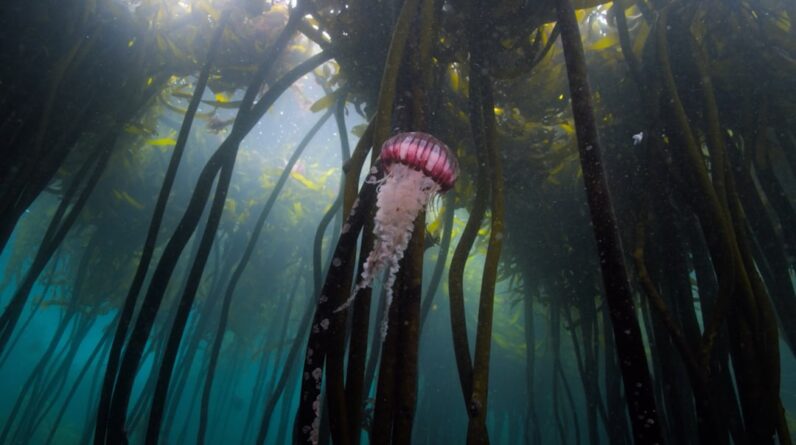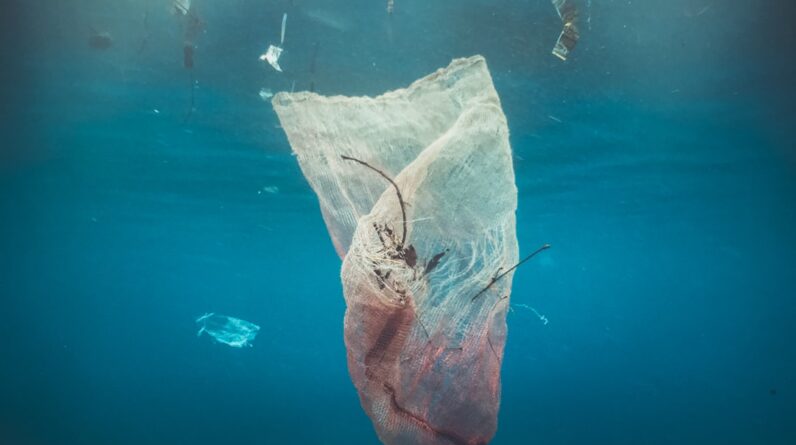
The health of the oceans is crucial not only for marine ecosystems but also for the well-being of humanity. Oceans cover more than 70% of the Earth’s surface and play a vital role in regulating the planet’s climate. They absorb a significant amount of carbon dioxide, helping to mitigate the effects of climate change.
Additionally, oceans are a source of food, livelihoods, and recreation for billions of people around the world. The intricate balance of marine life contributes to the overall health of our planet, making it imperative that we prioritize ocean health. When you consider the myriad benefits that oceans provide, it becomes clear that their health is intertwined with human survival.
Healthy oceans support diverse ecosystems that produce oxygen, regulate temperatures, and provide habitat for countless species. The ocean’s ability to absorb carbon and produce oxygen is essential for maintaining atmospheric balance. As you reflect on your own life, think about how much you rely on oceans—whether it’s through the seafood you consume, the air you breathe, or the recreational activities you enjoy.
Protecting ocean health is not just an environmental issue; it is a matter of sustaining life on Earth.
Key Takeaways
- Ocean health is crucial for the well-being of the planet and all its inhabitants.
- Threats to ocean oxygen levels include pollution, climate change, and overfishing.
- Decreased oxygen levels in the ocean can lead to the loss of marine life and disruption of ecosystems.
- Human activities such as carbon emissions and nutrient runoff contribute to the decline in ocean oxygen levels.
- Efforts to protect ocean oxygen levels include reducing carbon emissions, sustainable fishing practices, and creating marine protected areas.
Threats to Ocean Oxygen Levels
One of the most pressing threats to ocean health is the decline in oxygen levels, a phenomenon known as ocean deoxygenation. This decline is primarily driven by climate change, nutrient pollution, and overfishing. As temperatures rise, the solubility of oxygen in seawater decreases, leading to lower oxygen levels in many regions.
Additionally, nutrient runoff from agricultural practices leads to algal blooms that consume oxygen when they decompose, creating “dead zones” where marine life cannot survive. You may not realize it, but these dead zones are becoming increasingly common in coastal areas around the world. They pose a significant threat to marine biodiversity and disrupt the delicate balance of ocean ecosystems.
As oxygen levels drop, fish and other marine organisms struggle to survive, leading to shifts in species distribution and population dynamics. The consequences of these changes can ripple through entire food webs, affecting not only marine life but also the communities that depend on them for sustenance and economic stability.
Impact on Marine Life
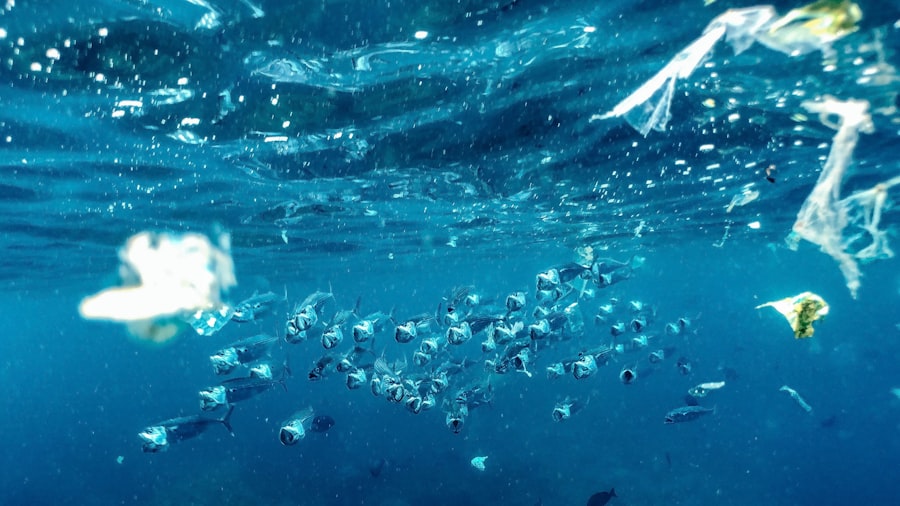
The impact of declining oxygen levels on marine life is profound and multifaceted. Many species are highly sensitive to changes in oxygen availability, and as levels drop, you may witness shifts in behavior, reproduction, and survival rates. Fish species such as cod and flounder are particularly vulnerable; they require specific oxygen levels to thrive.
When these levels fall below critical thresholds, fish may migrate to find more suitable habitats or experience stunted growth and reproductive failure. Moreover, the decline in oxygen levels can lead to a decrease in biodiversity. As certain species struggle to survive, others may thrive in their absence, leading to an imbalance in marine ecosystems.
This shift can have cascading effects on food chains and overall ecosystem health. For instance, if predator fish decline due to low oxygen levels, prey species may proliferate unchecked, leading to overgrazing of seagrass beds or coral reefs. As you consider these impacts, it becomes evident that maintaining healthy oxygen levels is essential for preserving marine biodiversity and ensuring the resilience of ocean ecosystems.
Human Impact on Ocean Oxygen Levels
Human activities are at the forefront of the challenges facing ocean oxygen levels. Industrial pollution, agricultural runoff, and climate change are all contributing factors that exacerbate the problem. Fertilizers used in agriculture often wash into rivers and eventually reach the ocean, where they promote harmful algal blooms.
These blooms can deplete oxygen levels as they die off and decompose, creating dead zones that suffocate marine life. Additionally, your everyday choices can have a significant impact on ocean health. The carbon emissions from transportation and energy production contribute to global warming, which in turn affects ocean temperatures and oxygen solubility.
Overfishing practices can also disrupt the natural balance of marine ecosystems, further exacerbating the decline in oxygen levels. By understanding how your actions contribute to these issues, you can begin to make more informed choices that support ocean health.
Efforts to Protect Ocean Oxygen Levels
In response to the growing crisis of ocean deoxygenation, various efforts are underway to protect and restore ocean health. Conservation organizations are working tirelessly to establish marine protected areas (MPAs) that limit human activities in critical habitats. These areas serve as sanctuaries for marine life, allowing ecosystems to recover and thrive without the pressures of overfishing or pollution.
Moreover, innovative solutions are being explored to address nutrient pollution and its impact on oxygen levels. For instance, sustainable agricultural practices that reduce fertilizer runoff can significantly improve water quality in coastal regions. You may also find initiatives aimed at restoring wetlands and mangroves, which act as natural filters for pollutants before they reach the ocean.
By supporting these efforts—whether through advocacy or participation—you can contribute to a collective movement toward healthier oceans.
The Role of Policy and Regulation

Effective policy and regulation play a crucial role in safeguarding ocean oxygen levels. Governments around the world are beginning to recognize the importance of addressing ocean health through legislation aimed at reducing pollution and protecting marine ecosystems. International agreements such as the Paris Agreement highlight the need for countries to work together in combating climate change and its effects on oceans.
As an individual, you can advocate for stronger policies that prioritize ocean health. Engaging with local representatives or participating in community discussions about environmental issues can amplify your voice in shaping policies that protect our oceans. Supporting organizations that lobby for sustainable practices and responsible fishing regulations can also make a difference.
By staying informed about policy developments and actively participating in advocacy efforts, you contribute to a larger movement focused on preserving ocean health for future generations.
The Need for Global Collaboration
The challenges facing ocean health are not confined by borders; they require a global response. Ocean currents connect distant regions, meaning that pollution or changes in one area can have far-reaching effects elsewhere. Collaborative efforts among nations are essential for addressing issues like climate change, overfishing, and pollution that threaten ocean oxygen levels.
International organizations such as the United Nations play a pivotal role in fostering collaboration among countries to protect ocean health. Initiatives like the Sustainable Development Goals (SDGs) emphasize the importance of conserving marine resources and ensuring sustainable practices worldwide. As you consider your role in this global effort, remember that collective action is key to achieving meaningful change.
By supporting international cooperation and advocating for global solutions, you contribute to a united front against the threats facing our oceans.
Steps Individuals Can Take to Protect Ocean Oxygen Levels
While large-scale efforts are crucial for protecting ocean health, individual actions also matter significantly. You can start by making conscious choices in your daily life that reduce your carbon footprint and minimize pollution. Simple steps like using public transportation, reducing plastic consumption, and supporting sustainable seafood can collectively make a difference.
Additionally, consider getting involved with local conservation groups or beach clean-up initiatives. These activities not only help protect marine environments but also raise awareness about the importance of ocean health within your community. Educating yourself and others about the threats facing oceans can inspire collective action toward solutions that benefit both marine life and human communities alike.
In conclusion, protecting ocean oxygen levels is essential for maintaining healthy marine ecosystems and ensuring a sustainable future for humanity. By understanding the importance of ocean health, recognizing threats, advocating for policy changes, collaborating globally, and taking individual actions, you can play a vital role in safeguarding our oceans for generations to come. Your efforts matter—every action counts in this critical fight for our planet’s well-being.
Fighting for Oxygen: The Need to Protect Our Oceans highlights the crucial role that oceans play in producing oxygen and regulating the Earth’s climate. A related article that further emphasizes the importance of preserving biodiversity and ecosystems is Biodiversity Reservoir by Having Healthy Forest. This article discusses how healthy forests serve as a reservoir for biodiversity and play a vital role in maintaining the balance of ecosystems. By protecting forests, we can help ensure the health of our planet and the well-being of future generations.
FAQs
What are the main threats to the health of our oceans?
The main threats to the health of our oceans include pollution, overfishing, habitat destruction, and climate change. These factors can lead to a decrease in oxygen levels in the water, harming marine life and ecosystems.
How does a decrease in oxygen levels affect marine life?
A decrease in oxygen levels, also known as ocean deoxygenation, can lead to the loss of marine habitats, the decline of fish populations, and the disruption of marine food webs. It can also result in the creation of dead zones, where marine life cannot survive.
What are some solutions to protect our oceans and combat ocean deoxygenation?
Solutions to protect our oceans and combat ocean deoxygenation include reducing pollution from land-based sources, implementing sustainable fishing practices, conserving and restoring marine habitats, and addressing climate change by reducing greenhouse gas emissions.
Why is it important to protect our oceans and maintain healthy oxygen levels in the water?
Healthy oceans are essential for the well-being of our planet and all life on Earth. Oceans provide food, regulate the climate, and produce oxygen for the atmosphere. Protecting our oceans and maintaining healthy oxygen levels is crucial for the survival of marine life and the overall health of the planet.