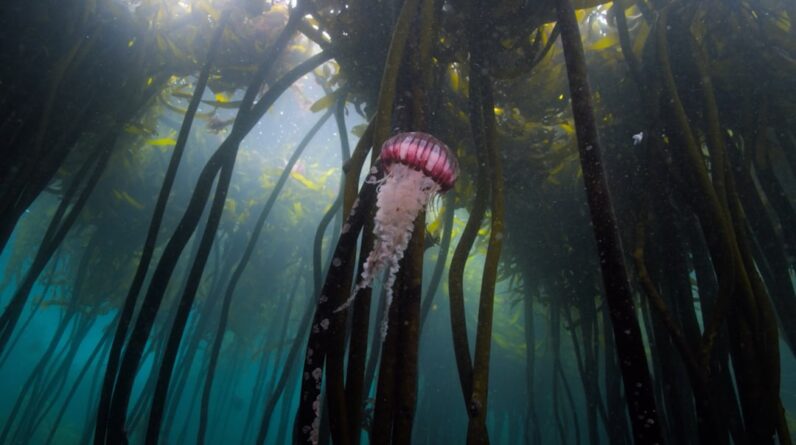
When you think about the sources of oxygen on Earth, your mind might immediately drift to lush forests or sprawling green fields. However, the oceans play an equally vital role in producing the oxygen that sustains life on our planet. Covering more than 70% of the Earth’s surface, oceans are not just vast bodies of water; they are dynamic ecosystems teeming with life.
It is estimated that the oceans contribute approximately 50% to 80% of the oxygen in our atmosphere, primarily through the process of photosynthesis carried out by marine organisms. This staggering statistic underscores the oceans’ critical role in maintaining the balance of gases in our atmosphere, which is essential for all aerobic life forms. The importance of oceans in oxygen production extends beyond mere numbers.
The health of marine ecosystems directly influences the quality and quantity of oxygen available to you and every other living organism. As you breathe in the air around you, remember that a significant portion of that oxygen has been generated by the microscopic life forms thriving beneath the waves. The intricate relationships within these ecosystems, from the smallest phytoplankton to the largest whales, create a delicate balance that supports not only marine life but also terrestrial life.
Understanding this interconnectedness is crucial for appreciating the oceans’ role in sustaining life on Earth.
Key Takeaways
- Oceans are crucial in producing oxygen, as they are responsible for producing over half of the world’s oxygen through phytoplankton photosynthesis.
- Phytoplankton play a vital role in oxygen production, as they are responsible for producing a significant portion of the oxygen we breathe.
- Ocean pollution can have a detrimental impact on oxygen production, as it can harm phytoplankton and disrupt the delicate balance of marine ecosystems.
- The health of the oceans is closely linked to human health, as declining oxygen levels can lead to harmful algal blooms and dead zones that can affect seafood and water quality.
- Ocean acidification poses a threat to oxygen levels, as it can inhibit the ability of phytoplankton to produce oxygen and disrupt marine food chains.
- Marine conservation is essential for maintaining oxygen production, as healthy oceans are crucial for sustaining phytoplankton populations and overall ocean health.
- Declining oxygen levels in the oceans can have severe consequences, including the loss of marine biodiversity, increased greenhouse gas emissions, and negative impacts on global food security.
- Oceans play a critical role in mitigating climate change through oxygen production, as healthy oceans can help absorb carbon dioxide and regulate the Earth’s climate.
The Role of Phytoplankton in Oxygen Production
Phytoplankton, often referred to as the “grass of the sea,” are microscopic organisms that float near the ocean’s surface and are responsible for a substantial portion of the oxygen produced in our atmosphere. These tiny powerhouses harness sunlight through photosynthesis, converting carbon dioxide and water into glucose and oxygen. As you delve deeper into the world of phytoplankton, you’ll discover that they are not just simple organisms; they are incredibly diverse, with thousands of species playing unique roles in marine ecosystems.
Their ability to thrive in various conditions makes them essential players in the ocean’s oxygen production. The significance of phytoplankton extends beyond oxygen generation; they form the foundation of the marine food web. As you explore coastal waters or even gaze at a glass of seawater, remember that these minuscule organisms are feeding everything from tiny zooplankton to massive whales.
Their presence is a testament to the intricate balance of life in the ocean. However, their survival is threatened by various factors, including climate change and pollution. As you consider your own impact on the environment, think about how protecting these vital organisms can help ensure a stable supply of oxygen for all living beings.
The Impact of Ocean Pollution on Oxygen Production

Ocean pollution poses a significant threat to the delicate balance of marine ecosystems and, consequently, to oxygen production. When you think about pollution, images of plastic waste and oil spills may come to mind. However, nutrient runoff from agriculture and urban areas also plays a critical role in degrading ocean health.
Excess nutrients can lead to harmful algal blooms, which can deplete oxygen levels in the water and create “dead zones” where marine life cannot survive. As you reflect on your daily choices, consider how they contribute to this growing problem and what steps you can take to minimize your impact. The consequences of pollution extend beyond immediate harm to marine life; they also affect the overall capacity of oceans to produce oxygen.
When phytoplankton populations are disrupted by pollution, their ability to photosynthesize diminishes, leading to reduced oxygen output. This creates a vicious cycle where declining oxygen levels further harm marine ecosystems, making it increasingly difficult for them to recover. By understanding the connection between pollution and oxygen production, you can become an advocate for cleaner oceans and support initiatives aimed at reducing waste and promoting sustainable practices.
The Connection Between Ocean Health and Human Health
The health of our oceans is intricately linked to human health in ways that may not be immediately apparent. As you navigate your daily life, consider how much you rely on oceans for food, recreation, and even climate regulation. Healthy oceans provide a bounty of seafood that nourishes billions of people worldwide.
However, when ocean health declines due to pollution or overfishing, it directly impacts food security and nutrition for communities that depend on these resources. By recognizing this connection, you can appreciate how your choices influence not only your well-being but also that of countless others. Moreover, oceans play a crucial role in regulating climate patterns and weather systems.
They absorb carbon dioxide from the atmosphere, helping to mitigate climate change effects that can lead to extreme weather events and health crises. When ocean health deteriorates, this natural regulation becomes compromised, resulting in more frequent and severe climate-related challenges. As you consider your own lifestyle choices, think about how supporting marine conservation efforts can contribute to a healthier planet for both you and future generations.
The Threat of Ocean Acidification to Oxygen Levels
Ocean acidification is an insidious threat that arises from increased carbon dioxide emissions entering the oceans. As you learn about this phenomenon, you’ll discover that when carbon dioxide dissolves in seawater, it forms carbonic acid, leading to a decrease in pH levels. This change in acidity can have dire consequences for marine life, particularly organisms with calcium carbonate shells or skeletons, such as corals and certain shellfish.
As these species struggle to survive in more acidic waters, their ability to contribute to oxygen production diminishes. The implications of ocean acidification extend beyond individual species; they ripple through entire ecosystems. As key players like corals decline, entire habitats are threatened, leading to reduced biodiversity and diminished oxygen output from phytoplankton and other marine organisms.
This interconnected web of life highlights the urgency of addressing carbon emissions and protecting ocean health. By advocating for policies aimed at reducing greenhouse gas emissions and supporting sustainable practices, you can play a part in combating ocean acidification and its impact on oxygen levels.
The Importance of Marine Conservation for Oxygen Production

Marine conservation is not just an environmental issue; it is a necessity for ensuring a stable supply of oxygen for all living beings on Earth. As you explore the various conservation efforts underway around the globe, you’ll find that protecting marine ecosystems is essential for maintaining biodiversity and promoting healthy populations of phytoplankton and other oxygen-producing organisms. Initiatives such as establishing marine protected areas (MPAs) help safeguard critical habitats from overfishing and pollution, allowing ecosystems to thrive.
Your involvement in marine conservation can take many forms, from supporting local initiatives to advocating for policy changes at higher levels. By raising awareness about the importance of healthy oceans for oxygen production, you can inspire others to join the cause. Every small action counts—whether it’s reducing plastic use or participating in beach cleanups—contributes to a larger movement aimed at preserving our oceans for future generations.
The Potential Consequences of Declining Oxygen Levels in the Oceans
As you contemplate the future of our oceans, consider the potential consequences of declining oxygen levels on both marine ecosystems and human societies. Reduced oxygen availability can lead to widespread die-offs among fish populations and other marine life, disrupting food chains and threatening livelihoods for communities dependent on fishing. The loss of biodiversity not only affects ecological balance but also diminishes resilience against environmental changes.
Furthermore, declining oxygen levels can exacerbate climate change effects by reducing the ocean’s capacity to absorb carbon dioxide. This creates a feedback loop where worsening conditions lead to further declines in ocean health and increased atmospheric carbon levels. As you reflect on these interconnected challenges, it becomes clear that addressing declining oxygen levels is not just an environmental concern; it is a matter of social justice and global stability.
The Role of Oceans in Mitigating Climate Change through Oxygen Production
Oceans serve as a critical ally in mitigating climate change through their role in oxygen production and carbon sequestration. As you learn more about this relationship, you’ll discover that healthy oceans absorb vast amounts of carbon dioxide from the atmosphere, helping to regulate global temperatures. This natural process is facilitated by phytoplankton and other marine organisms that convert carbon dioxide into organic matter during photosynthesis.
By protecting ocean health and promoting sustainable practices, you can contribute to this vital function. Supporting initiatives aimed at reducing carbon emissions not only benefits marine ecosystems but also enhances their ability to produce oxygen and sequester carbon effectively. As you navigate your own lifestyle choices—whether through energy consumption or dietary habits—consider how they impact this delicate balance between oceans and climate stability.
In conclusion, understanding the multifaceted relationship between oceans and oxygen production is essential for appreciating their role in sustaining life on Earth. From phytoplankton’s contributions to ocean health’s impact on human well-being, every aspect is interconnected. By advocating for marine conservation and making informed choices in your daily life, you can help protect these vital ecosystems for generations to come.
If you are interested in learning more about how to protect the environment and make a positive impact on the world, check out the article Why Is Planting Trees Bad for the Environment?. This article discusses the potential negative consequences of planting trees in certain situations and offers alternative solutions for promoting environmental sustainability. It is a thought-provoking read that complements the important message of The Untold Story of How Oceans Keep Humanity Breathing.
FAQs
What is the role of oceans in maintaining the oxygen levels on Earth?
Oceans are the primary source of oxygen production on Earth. Phytoplankton, algae, and other marine plants produce a significant amount of the oxygen we breathe through the process of photosynthesis.
How do oceans contribute to the carbon cycle?
Oceans play a crucial role in the carbon cycle by absorbing carbon dioxide from the atmosphere. This helps regulate the Earth’s climate and reduces the impact of greenhouse gases.
What are the main threats to the health of the world’s oceans?
The main threats to the health of the world’s oceans include pollution, overfishing, habitat destruction, and climate change. These factors can disrupt the delicate balance of marine ecosystems and impact the ocean’s ability to produce oxygen and regulate the climate.
How can individuals help protect the oceans and their vital role in oxygen production?
Individuals can help protect the oceans by reducing their carbon footprint, supporting sustainable fishing practices, reducing plastic waste, and advocating for policies that protect marine ecosystems. Additionally, supporting organizations and initiatives focused on ocean conservation can make a positive impact.