As you navigate the complexities of climate change, you may find yourself increasingly aware of the critical role that reforestation plays in addressing this global crisis. Reforestation, the process of planting trees in areas where forests have been depleted, is not merely an environmental initiative; it is a vital strategy for combating climate change. The urgency of this issue cannot be overstated, as the planet faces rising temperatures, extreme weather events, and a host of ecological challenges.
Understanding the interplay between reforestation and climate change is essential for anyone who wishes to contribute to a sustainable future. In recent years, the conversation surrounding climate change has gained momentum, with scientists and activists alike emphasizing the need for immediate action. You may have noticed that reforestation has emerged as a focal point in these discussions.
This is not just a trend; it is a recognition of the power of trees to absorb carbon dioxide, enhance biodiversity, and restore ecosystems. As you delve deeper into this topic, you will discover how reforestation can serve as a beacon of hope in the fight against climate change, offering both ecological and social benefits.
Key Takeaways
- Reforestation plays a crucial role in mitigating climate change by absorbing carbon dioxide and releasing oxygen through the process of photosynthesis.
- Deforestation contributes to climate change by releasing stored carbon and reducing the planet’s capacity to absorb greenhouse gases.
- Reforestation helps in carbon sequestration by storing carbon in trees and soil, thus reducing the amount of carbon dioxide in the atmosphere.
- Reforestation not only helps in mitigating climate change but also contributes to biodiversity conservation by providing habitats for various species.
- Reforestation can be a valuable tool for climate change adaptation by restoring degraded ecosystems and enhancing their resilience to climate impacts.
The Importance of Trees in Mitigating Climate Change
Trees are often referred to as the lungs of our planet, and for good reason. They play a crucial role in absorbing carbon dioxide from the atmosphere, a greenhouse gas that significantly contributes to global warming. When you consider that a mature tree can absorb approximately 48 pounds of carbon dioxide each year, it becomes clear that trees are indispensable allies in the battle against climate change.
By planting more trees, you can help create a natural solution to mitigate the effects of climate change while simultaneously improving air quality and enhancing local ecosystems. Moreover, trees provide shade and cooling effects that can help reduce energy consumption in urban areas. As you think about the implications of rising temperatures, consider how strategically planted trees can lower the heat island effect in cities, leading to reduced reliance on air conditioning and lower energy bills.
This dual benefit—carbon sequestration and energy conservation—highlights the multifaceted importance of trees in your efforts to combat climate change. By fostering a greater appreciation for trees and their role in our environment, you can inspire others to join in this vital cause.
The Impact of Deforestation on Climate Change

Deforestation poses one of the most significant threats to our planet’s climate stability. When forests are cleared for agriculture, urban development, or logging, not only is carbon stored in trees released back into the atmosphere, but entire ecosystems are disrupted. As you reflect on this issue, consider how deforestation contributes to increased greenhouse gas emissions and exacerbates climate change.
The loss of forests not only diminishes biodiversity but also reduces the Earth’s capacity to absorb carbon dioxide, creating a vicious cycle that accelerates global warming. The consequences of deforestation extend beyond carbon emissions; they also affect local communities and wildlife. As habitats are destroyed, species face extinction, and indigenous populations lose their homes and livelihoods.
You may find it alarming that deforestation accounts for nearly 10% of global greenhouse gas emissions. This stark statistic underscores the urgent need for reforestation initiatives that can reverse some of the damage caused by deforestation and restore balance to our ecosystems.
The Role of Reforestation in Carbon Sequestration
Reforestation is a powerful tool for carbon sequestration—the process by which carbon dioxide is captured and stored. When you plant trees, you are not only contributing to the restoration of ecosystems but also actively participating in a global effort to reduce atmospheric carbon levels. As trees grow, they absorb carbon dioxide through photosynthesis, storing carbon in their biomass and soil.
This natural process is essential for mitigating climate change and achieving international climate goals. You may be interested to learn that various reforestation projects around the world have demonstrated significant success in sequestering carbon. For instance, large-scale initiatives in countries like Brazil and China have shown that restoring degraded lands can lead to substantial carbon capture over time.
By supporting or participating in such projects, you can play a direct role in enhancing carbon sequestration efforts while also promoting sustainable land management practices. The potential for reforestation to contribute to climate change mitigation is immense, making it an essential focus for individuals and organizations alike.
Reforestation and Biodiversity Conservation
In addition to its role in carbon sequestration, reforestation is vital for biodiversity conservation. Forests are home to approximately 80% of the world’s terrestrial biodiversity, providing habitat for countless species of plants and animals. As you consider the importance of preserving biodiversity, think about how reforestation can help restore habitats that have been lost due to deforestation or degradation.
By planting native tree species and creating diverse ecosystems, you can support wildlife populations and promote ecological resilience. Furthermore, reforestation efforts can enhance ecosystem services that benefit both nature and humanity. Healthy forests contribute to clean water supply, soil fertility, and pollination—all essential components for sustainable agriculture and human well-being.
As you engage with reforestation initiatives, you may find opportunities to educate others about the interconnectedness of biodiversity and climate health. By fostering a deeper understanding of these relationships, you can inspire collective action toward preserving our planet’s rich biological heritage.
Reforestation as a Tool for Climate Change Adaptation
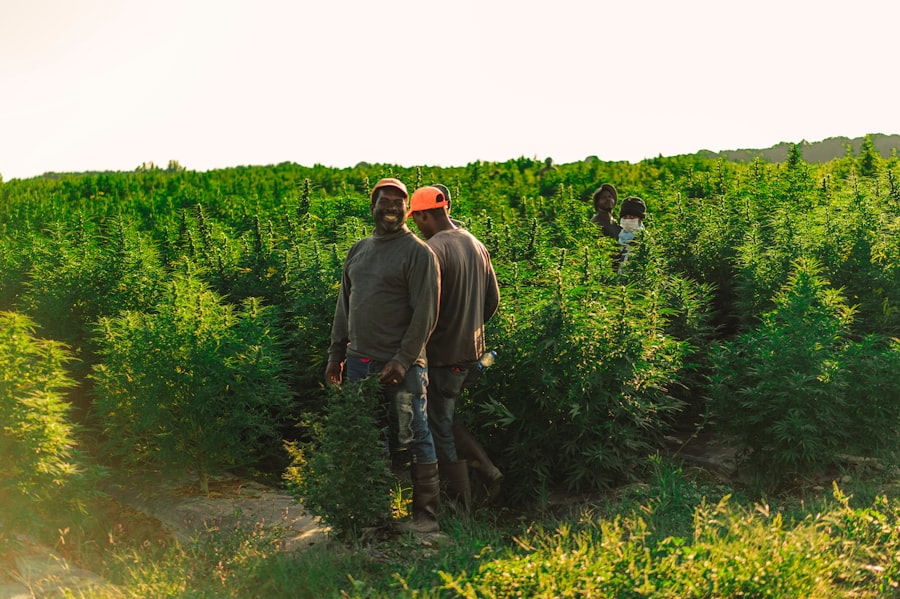
Reforestation is not only about mitigating climate change; it also serves as a crucial strategy for adapting to its impacts. As climate patterns shift and extreme weather events become more frequent, resilient ecosystems can provide essential buffers against these changes. You might consider how reforested areas can help stabilize soil, reduce flooding risks, and protect communities from natural disasters.
By investing in reforestation projects, you are contributing to building resilience in both natural systems and human communities. Moreover, reforestation can enhance food security by restoring degraded agricultural lands and improving soil health. As you think about the challenges posed by climate change on food production, consider how healthy forests can support sustainable farming practices through improved pollination and pest control.
By integrating reforestation into broader climate adaptation strategies, you can help create a more sustainable future for both people and the planet.
Challenges and Opportunities in Reforestation Efforts
While the benefits of reforestation are clear, there are also significant challenges that must be addressed to ensure successful implementation. One major hurdle is securing funding for reforestation projects, as many initiatives require substantial financial investment for planning, planting, and maintenance. You may find it encouraging that innovative financing mechanisms—such as carbon credits or public-private partnerships—are emerging to support these efforts.
By advocating for such solutions or participating in funding initiatives, you can help overcome financial barriers to reforestation. Another challenge lies in ensuring that reforestation efforts are ecologically sound and socially equitable. It is essential to prioritize native species and involve local communities in decision-making processes to ensure that projects meet both environmental goals and social needs.
As you engage with reforestation initiatives, consider how your involvement can promote inclusive practices that empower local populations while fostering ecological restoration. By addressing these challenges head-on, you can contribute to creating more effective and sustainable reforestation efforts.
The Future of Reforestation in Climate Change Mitigation
As you reflect on the multifaceted role of reforestation in combating climate change, it becomes evident that this approach holds immense potential for creating a more sustainable future. From carbon sequestration to biodiversity conservation and climate adaptation, reforestation offers a holistic solution that addresses multiple environmental challenges simultaneously. Your involvement in supporting or participating in reforestation initiatives can make a tangible difference in mitigating climate change while fostering healthier ecosystems.
Looking ahead, it is crucial to continue raising awareness about the importance of reforestation and advocating for policies that support these efforts on a global scale. By engaging with your community and sharing knowledge about the benefits of trees and forests, you can inspire others to take action as well. The future of our planet depends on collective efforts to restore our natural landscapes and combat climate change through reforestation.
Together, we can cultivate a greener world for generations to come.
In a related article discussing the advantages of planting trees for climate change, it highlights the numerous benefits that reforestation can have on the environment. From sequestering carbon dioxide to providing habitats for wildlife, planting trees plays a crucial role in mitigating the effects of climate change. To learn more about how planting trees can help the environment, check out this article.
FAQs
What is reforestation?
Reforestation is the process of planting trees in areas where forests have been depleted or destroyed, with the goal of restoring the ecological balance and increasing the forest cover.
How does reforestation help mitigate climate change effects?
Reforestation helps mitigate climate change effects by absorbing carbon dioxide from the atmosphere through the process of photosynthesis. Trees store carbon in their biomass, which helps reduce the concentration of greenhouse gases in the atmosphere.
What are the other benefits of reforestation?
Reforestation provides a range of environmental, social, and economic benefits. It helps prevent soil erosion, provides habitat for wildlife, improves air and water quality, and supports local communities through sustainable forestry practices.
What are some reforestation initiatives around the world?
There are numerous reforestation initiatives around the world, including government-led programs, non-profit organizations, and private sector initiatives. Examples include the Bonn Challenge, the Trillion Trees Initiative, and various national reforestation programs.
What are the challenges associated with reforestation?
Challenges associated with reforestation include securing land for planting, selecting appropriate tree species, ensuring long-term maintenance and protection of newly planted forests, and addressing competing land uses and economic interests. Additionally, climate change itself presents challenges to reforestation efforts, such as changing precipitation patterns and increased frequency of extreme weather events.