The Mediterranean Sea, a cradle of civilization and biodiversity, is currently facing a multifaceted crisis that threatens its ecological balance and the livelihoods of millions. This body of water, bordered by 24 countries, is not only a vital resource for fishing, tourism, and transportation but also a unique ecosystem that supports a rich variety of marine life. However, the Mediterranean is grappling with significant challenges, including rising temperatures, pollution, and a decline in oxygen levels.
These issues are interlinked and have far-reaching consequences for both the environment and human populations that depend on its resources. As you delve deeper into the Mediterranean crisis, it becomes evident that the situation is not merely an environmental concern but also a socio-economic one. The region’s economy heavily relies on its marine resources, with fishing and tourism being key sectors.
The degradation of marine ecosystems due to climate change and human activities poses a threat to food security and economic stability. Understanding the complexities of this crisis requires a holistic approach that considers environmental, social, and economic factors, as well as the interconnectedness of these elements in shaping the future of the Mediterranean.
Key Takeaways
- The Mediterranean is facing an oxygen crisis, threatening marine life and ecosystems.
- Ocean oxygen challenges in the Mediterranean are caused by a combination of natural and human-induced factors.
- Depletion of oxygen in the Mediterranean is impacting marine life, leading to habitat loss and species decline.
- Human activities such as pollution, overfishing, and climate change are contributing to the oxygen depletion in the Mediterranean.
- Efforts to mitigate the crisis include reducing pollution, sustainable fishing practices, and promoting marine conservation.
Causes of Ocean Oxygen Challenges in the Mediterranean
One of the most pressing issues facing the Mediterranean Sea is the decline in ocean oxygen levels, a phenomenon known as hypoxia. This decline can be attributed to several interrelated factors, primarily driven by climate change and human activities. As global temperatures rise, water temperatures in the Mediterranean are also increasing, leading to reduced solubility of oxygen in seawater.
Warmer waters hold less oxygen, creating an environment where marine life struggles to survive. This situation is exacerbated by the stratification of water layers, which prevents oxygen from mixing throughout the water column. In addition to climate change, nutrient pollution plays a significant role in oxygen depletion.
Agricultural runoff, wastewater discharge, and industrial effluents introduce excess nutrients into the sea, leading to algal blooms. These blooms can deplete oxygen levels when they die off and decompose, creating dead zones where marine life cannot thrive. The combination of rising temperatures and nutrient overload creates a perfect storm for hypoxia in the Mediterranean, threatening the delicate balance of its ecosystems.
Impact on Marine Life and Ecosystems
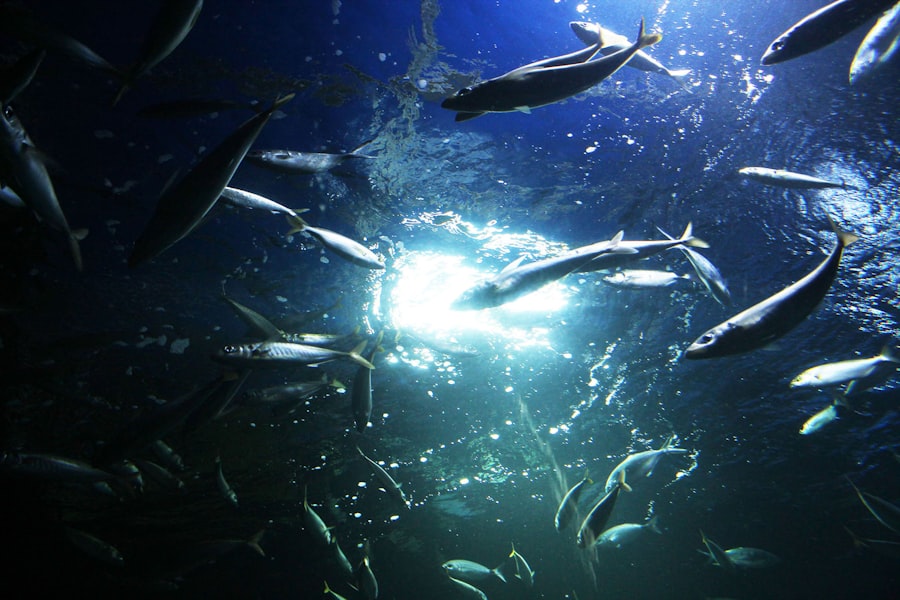
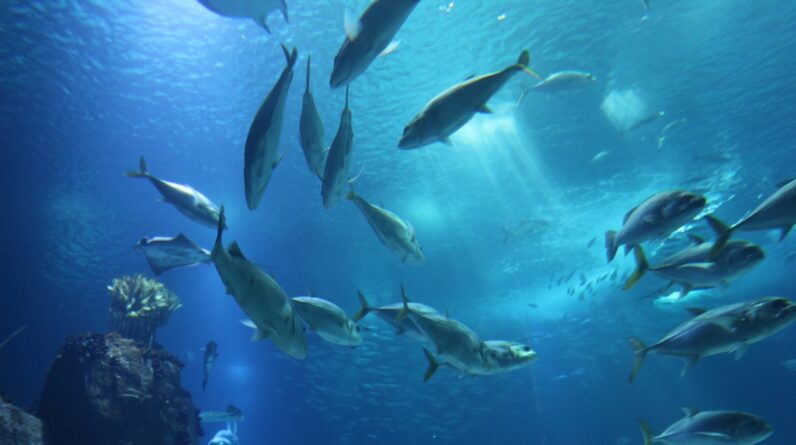
The consequences of declining oxygen levels in the Mediterranean are dire for marine life and ecosystems. Many species, particularly those that are sensitive to changes in oxygen levels, face increased mortality rates. Fish populations, including commercially important species like sardines and anchovies, are particularly vulnerable.
As their habitats become inhospitable due to low oxygen levels, these fish may migrate to other areas or experience population declines, disrupting local fisheries and economies. Moreover, the impact extends beyond fish populations. Marine mammals, crustaceans, and other organisms that rely on healthy ecosystems are also affected.
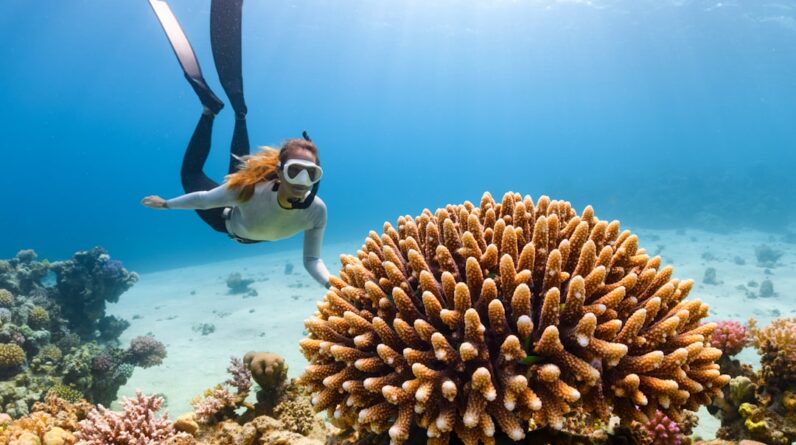
Coral reefs, which serve as critical habitats for numerous marine species, are under threat from both warming waters and hypoxia. The loss of biodiversity not only affects the ecological integrity of the Mediterranean but also diminishes its resilience to other stressors such as climate change and pollution. The cascading effects of these changes can lead to altered food webs and diminished ecosystem services that humans rely on.
Human Activities and Their Role in Ocean Oxygen Depletion
Human activities are at the forefront of the challenges facing the Mediterranean Sea. Urbanization along its coastlines has led to increased pollution from sewage and industrial waste. The influx of nutrients from agricultural practices further compounds this issue, creating an environment conducive to algal blooms that ultimately deplete oxygen levels.
Additionally, overfishing has disrupted marine ecosystems, leading to imbalances that can exacerbate hypoxic conditions. The maritime industry also contributes significantly to ocean oxygen depletion through shipping emissions and ballast water discharge. These activities introduce pollutants into the sea while also altering local ecosystems.
As you consider the role of human activities in this crisis, it becomes clear that addressing these issues requires a concerted effort from governments, industries, and individuals alike. Sustainable practices must be adopted to mitigate the impact of human actions on this vital body of water.
Efforts to Mitigate the Crisis
In response to the Mediterranean crisis, various efforts are underway to mitigate its effects and restore ecological balance. Governments and organizations are implementing policies aimed at reducing nutrient pollution through better agricultural practices and improved wastewater management systems. Initiatives such as establishing marine protected areas (MPAs) are also gaining traction as a means to safeguard critical habitats and promote biodiversity.
Research plays a crucial role in understanding the dynamics of the Mediterranean Sea and informing conservation strategies. Scientists are studying the impacts of climate change on marine ecosystems and developing models to predict future scenarios. By gathering data on oxygen levels, temperature changes, and species distributions, researchers can provide valuable insights that guide policy decisions and conservation efforts.
Collaboration between scientists, policymakers, and local communities is essential for creating effective strategies that address both immediate challenges and long-term sustainability.
International Collaboration and Agreements
Addressing the Mediterranean crisis requires international collaboration due to the transboundary nature of marine ecosystems. Various agreements have been established to promote cooperation among Mediterranean countries in managing shared resources and protecting marine environments. The Barcelona Convention is one such agreement aimed at reducing pollution and promoting sustainable development in the region.
Additionally, organizations like the Mediterranean Information System on Environment and Sustainable Development (Med-IS) facilitate data sharing and collaboration among countries. These efforts highlight the importance of collective action in tackling environmental challenges that transcend national borders. By fostering partnerships between governments, NGOs, and local communities, stakeholders can work together to implement effective solutions that benefit both people and marine ecosystems.
Future Outlook for the Mediterranean and Other Regional Oceans
The future outlook for the Mediterranean Sea hinges on our collective ability to address the ongoing crisis effectively. If current trends continue without intervention, we may witness further declines in marine biodiversity, increased frequency of hypoxic events, and significant disruptions to local economies reliant on healthy marine ecosystems. However, there is also hope for positive change through concerted efforts at local, national, and international levels.
As you consider other regional oceans facing similar challenges, it becomes clear that lessons learned from the Mediterranean can inform global strategies for ocean conservation. The interconnectedness of ocean systems means that actions taken in one region can have ripple effects elsewhere. By prioritizing sustainable practices and fostering international cooperation, we can work towards healthier oceans worldwide.
What Individuals Can Do to Help Address the Crisis
While large-scale efforts are crucial in addressing the Mediterranean crisis, individual actions also play a significant role in promoting sustainability. You can contribute by making conscious choices in your daily life that reduce your environmental footprint. Simple actions such as reducing plastic use, conserving water, and supporting sustainable seafood initiatives can collectively make a difference.
Additionally, raising awareness about the challenges facing the Mediterranean Sea is essential. Engaging with your community through educational programs or local conservation initiatives can help foster a culture of stewardship for marine environments. By advocating for policies that prioritize ocean health and supporting organizations dedicated to conservation efforts, you can be part of a larger movement working towards a sustainable future for the Mediterranean and beyond.
In conclusion, understanding the complexities of the Mediterranean crisis is vital for fostering effective solutions that protect this invaluable resource for generations to come. Through collective action at all levels—individuals, communities, governments, and international organizations—we can work towards restoring balance in this unique ecosystem while ensuring its sustainability for future generations.
In a related article on preventing floods by massive tree planting, the importance of reforestation in combating climate change and its impact on preventing natural disasters such as floods is discussed. The article highlights the advantages of planting trees for climate change mitigation, such as reducing carbon dioxide levels and improving air quality. However, it also addresses the potential disadvantages of planting trees, such as the need for careful planning to avoid negative impacts on local ecosystems. Overall, both articles emphasize the crucial role of trees in addressing environmental challenges and promoting sustainability. To read more about this topic, visit Preventing Floods by Massive Tree Planting.
FAQs
What is the Mediterranean Crisis: Regional Ocean Oxygen Challenges?
The Mediterranean Crisis: Regional Ocean Oxygen Challenges refers to the declining levels of oxygen in the Mediterranean Sea, which is causing a crisis for marine life and ecosystems in the region.
What is causing the decline in oxygen levels in the Mediterranean Sea?
The decline in oxygen levels in the Mediterranean Sea is primarily caused by human activities such as pollution, nutrient runoff from agriculture, and climate change. These factors contribute to the growth of oxygen-depleting algae and the expansion of oxygen minimum zones in the sea.
What are the consequences of declining oxygen levels in the Mediterranean Sea?
The consequences of declining oxygen levels in the Mediterranean Sea include the loss of marine biodiversity, the disruption of marine ecosystems, and the potential for harmful algal blooms. These changes can have significant impacts on fisheries, tourism, and the overall health of the Mediterranean Sea.
What efforts are being made to address the Mediterranean Crisis?
Efforts to address the Mediterranean Crisis include monitoring and research initiatives to better understand the factors contributing to declining oxygen levels. Additionally, there are ongoing efforts to reduce pollution and nutrient runoff, as well as to mitigate the impacts of climate change on the Mediterranean Sea.
How can individuals contribute to addressing the Mediterranean Crisis?
Individuals can contribute to addressing the Mediterranean Crisis by reducing their carbon footprint, properly disposing of waste to prevent pollution, and supporting sustainable practices in agriculture and tourism. Additionally, raising awareness about the importance of ocean conservation and advocating for policy changes can also make a difference.