When you think about the air you breathe, it’s easy to overlook the vast oceans that play a crucial role in producing the oxygen essential for life on Earth. The oceans are not just a source of beauty and biodiversity; they are also a vital component of the planet’s respiratory system. Approximately 50% to 80% of the oxygen in our atmosphere is generated by marine organisms, primarily through photosynthesis.
This process is not only fundamental for sustaining life but also for maintaining the balance of gases in the atmosphere. Without the oceans, the air you breathe would be significantly depleted of oxygen, leading to dire consequences for all living beings. The importance of oceanic oxygen production extends beyond just human survival.
It supports a myriad of ecosystems, from the smallest microorganisms to the largest whales. The health of these ecosystems is intricately linked to the oxygen levels in the water, which in turn affects global climate patterns and weather systems. As you consider the interconnectedness of life on Earth, it becomes clear that protecting oceanic oxygen production is not merely an environmental concern; it is a necessity for the survival of countless species, including your own.
Key Takeaways
- Oceanic oxygen production is crucial for supporting marine life and maintaining a healthy ecosystem.
- Phytoplankton play a key role in oxygen production through photosynthesis, contributing significantly to the Earth’s oxygen supply.
- Climate change is causing a decline in oceanic oxygen levels, leading to negative impacts on marine biodiversity and ecosystem health.
- The connection between oceanic oxygen and marine biodiversity highlights the importance of preserving oxygen production for the well-being of marine species.
- Human activities such as pollution and overfishing are negatively impacting oceanic oxygen production, further exacerbating the decline in oxygen levels.
The Role of Phytoplankton in Oxygen Production
The Cornerstone of Oceanic Ecosystems
Their ability to thrive in diverse marine environments makes them a cornerstone of oceanic ecosystems. As you delve deeper into their role, you’ll discover that phytoplankton are not only vital for oxygen production but also serve as the foundation of the marine food web.
Diversity and Adaptability
The diversity of phytoplankton species is astonishing, with thousands of different types contributing to oxygen production in various ways. Some thrive in nutrient-rich waters, while others flourish in more challenging conditions. This adaptability allows them to occupy different ecological niches, ensuring that they can continue to produce oxygen even as environmental conditions change.
The Significance of Phytoplankton
As you reflect on their significance, consider how these tiny organisms are not just essential for marine life but also for your own existence on this planet.
The Impact of Climate Change on Oceanic Oxygen Levels

Climate change poses a significant threat to oceanic oxygen levels, and its effects are becoming increasingly evident. As global temperatures rise, ocean waters warm, leading to a phenomenon known as stratification. This process causes the upper layers of the ocean to become less mixed with deeper waters, resulting in reduced nutrient availability for phytoplankton.
Consequently, their ability to produce oxygen diminishes, which can have cascading effects on marine ecosystems and the atmosphere. You may find it alarming that this reduction in oxygen production could lead to a decline in marine biodiversity and disrupt food chains that have existed for millennia. Moreover, climate change contributes to ocean acidification, which occurs when excess carbon dioxide is absorbed by seawater.
This change in pH can adversely affect phytoplankton and other marine organisms that rely on calcium carbonate for their shells and skeletons. As these organisms struggle to survive, their contributions to oxygen production may further decline. The implications of these changes are profound; as you consider the future of our oceans, it becomes clear that addressing climate change is critical for maintaining healthy oceanic oxygen levels.
The Connection Between Oceanic Oxygen and Marine Biodiversity
The relationship between oceanic oxygen levels and marine biodiversity is intricate and vital. Healthy oxygen levels support a diverse array of marine life, from vibrant coral reefs to expansive kelp forests. When you think about marine biodiversity, consider how various species rely on one another for survival; a decline in oxygen can disrupt these relationships and lead to a loss of species.
For instance, fish populations may decline due to reduced oxygen availability, which can have a ripple effect throughout the ecosystem, impacting predators and prey alike. Furthermore, marine biodiversity itself plays a role in maintaining oceanic oxygen levels. Diverse ecosystems are often more resilient and better equipped to adapt to changes in their environment.
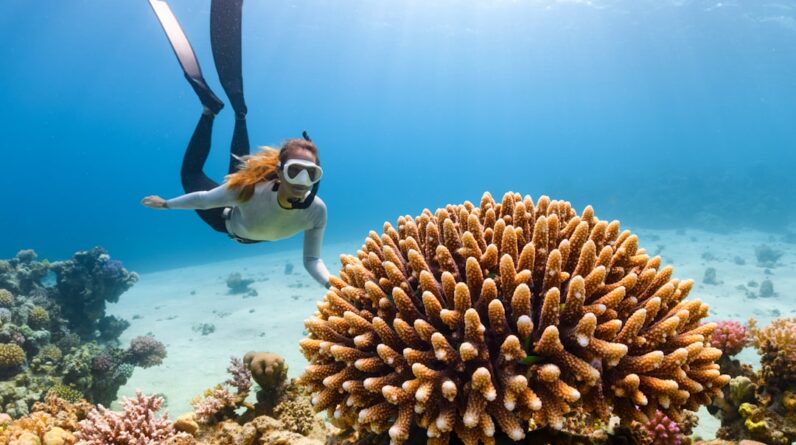
For example, healthy coral reefs can support a variety of fish species that contribute to nutrient cycling and overall ecosystem health. As you ponder this connection, it becomes evident that protecting marine biodiversity is not just about preserving individual species; it is about safeguarding the delicate balance that sustains life in our oceans and, ultimately, on land.
Human Activities and Their Effects on Oceanic Oxygen Production
Human activities have far-reaching consequences for oceanic oxygen production. Pollution from agricultural runoff, industrial waste, and plastic debris can severely impact marine ecosystems. Nutrient pollution, particularly from fertilizers, leads to algal blooms that can deplete oxygen levels in the water as they decay.
These “dead zones” create inhospitable environments for marine life and can result in significant fish kills. As you consider your own impact on the environment, it’s crucial to recognize how everyday choices can contribute to these larger issues. Additionally, overfishing poses a significant threat to marine ecosystems and their ability to produce oxygen.
When fish populations are depleted, the balance of marine life is disrupted, leading to changes in nutrient cycling and reduced productivity among phytoplankton. Unsustainable fishing practices can also damage habitats like coral reefs and seagrass beds that play essential roles in maintaining healthy oxygen levels. By understanding how your actions can influence these delicate systems, you can take steps toward more sustainable practices that support oceanic health.
The Consequences of Declining Oceanic Oxygen Levels

Impact on Marine Life and Ecosystems
As oxygen levels drop, many fish and other aquatic organisms struggle to survive, leading to decreased fish populations and altered ecosystems.
Economic and Food Security Implications
This decline can have significant economic implications for communities that rely on fishing as a primary source of income and sustenance. Moreover, dwindling fish stocks threaten food security for millions of people worldwide.
A Feedback Loop with Climate Change
Declining oceanic oxygen levels can exacerbate climate change by releasing stored carbon dioxide back into the atmosphere as organic matter decomposes without sufficient oxygen. This feedback loop can accelerate global warming and further threaten both marine and terrestrial ecosystems.
Conservation Efforts to Protect Oceanic Oxygen Production
In light of the challenges facing oceanic oxygen production, numerous conservation efforts are underway to protect and restore marine ecosystems. Initiatives aimed at reducing pollution from land-based sources are critical for improving water quality and supporting phytoplankton growth. You may be encouraged to learn about organizations working tirelessly to advocate for sustainable agricultural practices that minimize nutrient runoff into waterways.
Marine protected areas (MPAs) also play a vital role in conserving biodiversity and promoting healthy ecosystems capable of producing oxygen. By restricting human activities in designated regions, MPAs allow marine life to thrive and recover from overfishing and habitat destruction. As you consider your role in supporting these efforts, remember that even small actions—such as reducing plastic use or advocating for sustainable seafood—can contribute to the larger goal of protecting our oceans.
The Future of Oceanic Oxygen Production and Its Implications for All Species
Looking ahead, the future of oceanic oxygen production hangs in the balance as we confront climate change and its associated challenges. The health of our oceans is directly tied to your actions today; by prioritizing sustainability and conservation efforts, you can help ensure that future generations inherit a thriving marine environment capable of supporting life on Earth. The implications of maintaining healthy oceanic oxygen levels extend beyond just marine ecosystems; they encompass global climate stability and human well-being.
As you reflect on this interconnectedness, consider how your choices can contribute to a healthier planet. Supporting policies aimed at reducing carbon emissions, advocating for clean energy solutions, and participating in local conservation initiatives are all ways you can make a difference. The future of oceanic oxygen production is not predetermined; it is shaped by collective action and commitment to preserving our planet’s most vital resources.
By recognizing your role in this global effort, you can help safeguard the oceans that sustain us all.
The Ocean’s Oxygen Production: A Lifeline for All Species is a fascinating article that highlights the crucial role of oceans in sustaining life on Earth. Another related article worth exploring is How Can Trees Save the Earth from Global Warming?. This article delves into the importance of trees in mitigating climate change and emphasizes the need for reforestation efforts to combat the effects of global warming. Both articles underscore the interconnectedness of ecosystems and the vital role that nature plays in maintaining a healthy planet for all species.
FAQs
What is the importance of the ocean’s oxygen production?
The ocean’s oxygen production is crucial for the survival of all species on Earth. It is estimated that more than half of the oxygen we breathe is produced by the ocean’s phytoplankton through the process of photosynthesis.
How does the ocean produce oxygen?
Oxygen in the ocean is primarily produced by phytoplankton, which are microscopic marine plants that use sunlight, carbon dioxide, and nutrients to produce oxygen through photosynthesis. Additionally, seaweed and other marine plants also contribute to oxygen production.
Why is the ocean’s oxygen production a lifeline for all species?
The ocean’s oxygen production is a lifeline for all species because it directly impacts the Earth’s atmosphere and the air we breathe. Without the ocean’s oxygen production, the balance of oxygen and carbon dioxide in the atmosphere would be disrupted, leading to severe consequences for all living organisms.
What are the threats to the ocean’s oxygen production?
The ocean’s oxygen production is threatened by various factors, including climate change, ocean acidification, pollution, and overfishing. These factors can disrupt the delicate balance of marine ecosystems, leading to a decline in phytoplankton and other oxygen-producing organisms.
How can we protect the ocean’s oxygen production?
Protecting the ocean’s oxygen production requires global efforts to address climate change, reduce pollution, and promote sustainable fishing practices. Additionally, creating marine protected areas and conserving coastal habitats can help preserve the health of marine ecosystems and support oxygen production.