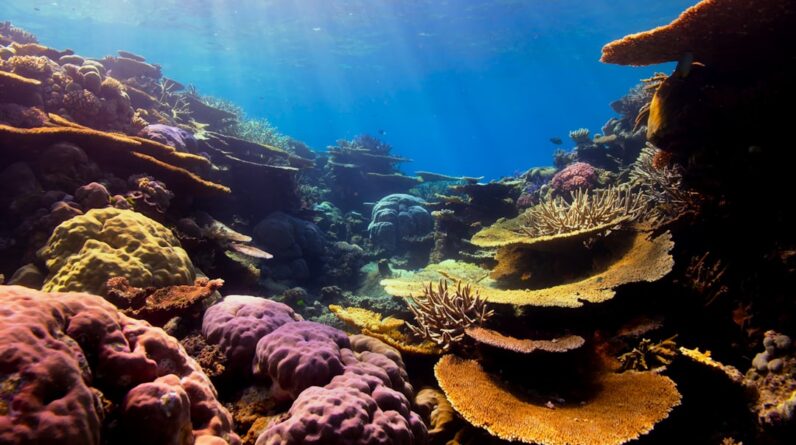
Blue carbon refers to the carbon captured and stored by the world’s oceanic and coastal ecosystems, particularly mangroves, salt marshes, and seagrasses. These ecosystems play a crucial role in the global carbon cycle, sequestering carbon dioxide from the atmosphere and storing it in their biomass and sediments. When you think about carbon storage, you might picture forests or terrestrial landscapes, but blue carbon ecosystems are equally vital, if not more so, in combating climate change.
They are often overlooked in discussions about carbon sequestration, yet they hold immense potential for reducing greenhouse gas emissions. You may be surprised to learn that blue carbon ecosystems are among the most efficient carbon sinks on the planet. For instance, mangroves can sequester carbon at rates up to four times higher than tropical forests.
This remarkable ability stems from their unique adaptations to saline environments and their dense root systems, which trap sediments and organic matter. Salt marshes and seagrasses also contribute significantly to carbon storage, albeit in different ways. By understanding what blue carbon is and how it functions, you can appreciate its critical role in maintaining ecological balance and mitigating climate change.
Key Takeaways
- Blue carbon refers to the carbon captured and stored by coastal and marine ecosystems such as mangroves, seagrasses, and salt marshes.
- Blue carbon plays a crucial role in mitigating climate change by sequestering carbon dioxide from the atmosphere and storing it in coastal ecosystems.
- Oceans act as significant carbon sinks, absorbing and storing large amounts of carbon dioxide, which helps in regulating the Earth’s climate.
- Coastal ecosystems like mangroves, seagrasses, and salt marshes are essential for blue carbon sequestration, as they capture and store carbon at a much higher rate than terrestrial forests.
- Threats to blue carbon ecosystems, such as habitat destruction, pollution, and climate change, pose significant challenges to their ability to sequester carbon and mitigate climate change.
The Importance of Blue Carbon in Climate Change Mitigation
The significance of blue carbon in climate change mitigation cannot be overstated. As global temperatures rise and atmospheric CO2 levels increase, the need for effective carbon sequestration strategies becomes more urgent. Blue carbon ecosystems offer a natural solution to this pressing issue.
By protecting and restoring these habitats, you can help enhance their capacity to absorb carbon dioxide, thereby reducing the overall concentration of greenhouse gases in the atmosphere. Moreover, blue carbon ecosystems provide additional benefits beyond carbon sequestration. They serve as vital habitats for numerous marine species, support biodiversity, and protect coastlines from erosion and storm surges.
By investing in blue carbon initiatives, you are not only addressing climate change but also promoting healthier marine environments and resilient coastal communities. The interconnectedness of these benefits highlights the importance of integrating blue carbon strategies into broader climate action plans.
Oceans as Carbon Sinks
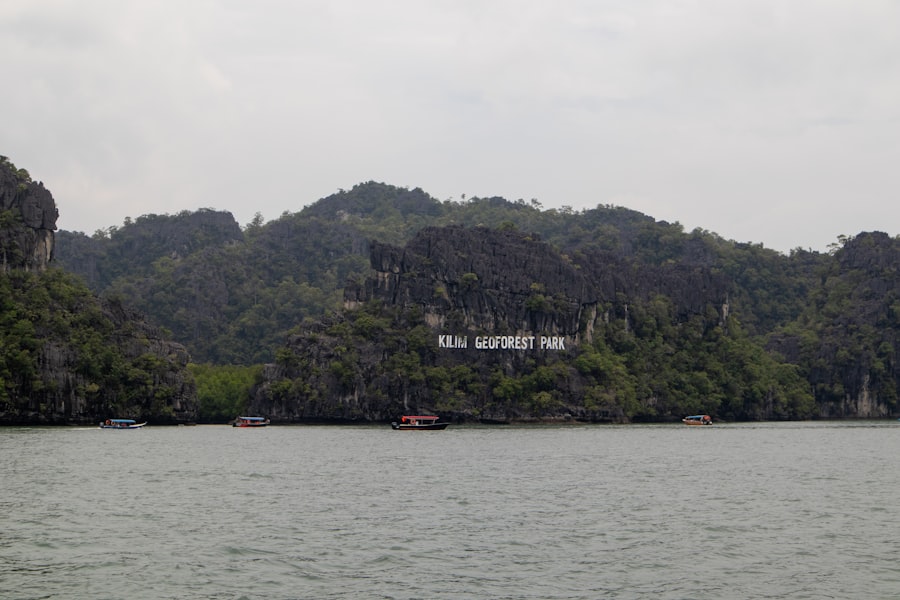
Oceans are often referred to as the planet’s largest carbon sinks, absorbing approximately 30% of the carbon dioxide emitted by human activities. This natural process helps regulate global temperatures and mitigates the impacts of climate change. However, the oceans’ capacity to act as a carbon sink is not limitless.
As you delve deeper into this topic, you will discover that various factors influence the oceans’ ability to sequester carbon effectively. One significant factor is ocean acidification, a direct consequence of increased CO2 levels. When CO2 dissolves in seawater, it forms carbonic acid, which lowers the pH of the water.
This change can adversely affect marine life, particularly organisms that rely on calcium carbonate for their shells and skeletons, such as corals and shellfish. As these species decline, the overall health of marine ecosystems suffers, which can ultimately impact the oceans’ ability to sequester carbon. Understanding these dynamics is crucial for developing strategies to enhance oceanic carbon storage while safeguarding marine biodiversity.
The Role of Coastal Ecosystems in Blue Carbon Sequestration
Coastal ecosystems play a pivotal role in blue carbon sequestration due to their unique characteristics and functions. Mangroves, salt marshes, and seagrasses are particularly effective at capturing and storing carbon because they thrive in nutrient-rich environments where organic matter accumulates over time. When you explore these ecosystems, you will find that their intricate root systems not only stabilize sediments but also create an environment conducive to carbon storage.
In addition to their physical attributes, coastal ecosystems also provide essential services that enhance their role in climate change mitigation. For example, mangroves act as natural barriers against storm surges and coastal erosion, protecting nearby communities from extreme weather events. Salt marshes filter pollutants from water runoff, improving water quality and supporting diverse marine life.
By recognizing the multifaceted benefits of coastal ecosystems, you can better appreciate their importance in blue carbon initiatives and climate resilience efforts.
Threats to Blue Carbon Ecosystems
Despite their critical role in climate change mitigation, blue carbon ecosystems face numerous threats that jeopardize their health and functionality. Human activities such as coastal development, pollution, and unsustainable fishing practices have led to significant degradation of these vital habitats. As you consider these threats, it becomes clear that immediate action is necessary to protect and restore blue carbon ecosystems.
One of the most pressing issues is habitat loss due to urbanization and industrialization along coastlines. Mangroves are often cleared for agriculture or development projects, while salt marshes are drained for land use. This destruction not only releases stored carbon back into the atmosphere but also diminishes the ecosystem services these habitats provide.
Additionally, climate change itself poses a significant threat through rising sea levels and increased storm intensity, further exacerbating the vulnerability of blue carbon ecosystems. Addressing these challenges requires a concerted effort from governments, communities, and individuals alike.
The Potential of Blue Carbon in Climate Change Adaptation

Blue carbon ecosystems offer significant potential for climate change adaptation as well as mitigation. By preserving and restoring these habitats, you can help communities adapt to the impacts of climate change while simultaneously sequestering carbon. For instance, healthy mangrove forests can reduce the risk of flooding by acting as natural buffers against storm surges and rising sea levels.
This protective function is especially crucial for coastal communities that are increasingly vulnerable to extreme weather events. Furthermore, investing in blue carbon initiatives can enhance food security by supporting sustainable fisheries and promoting biodiversity. Healthy coastal ecosystems provide essential habitats for fish and other marine species, ensuring that local communities have access to vital resources.
By recognizing the dual benefits of blue carbon for both adaptation and mitigation, you can advocate for policies that prioritize the protection and restoration of these invaluable ecosystems.
Policy and Conservation Efforts to Protect Blue Carbon Ecosystems
To safeguard blue carbon ecosystems effectively, robust policy frameworks and conservation efforts are essential. Governments and organizations around the world are beginning to recognize the importance of blue carbon in climate action strategies. You may find it encouraging that various international agreements now include provisions for protecting coastal ecosystems as part of broader climate goals.
Local initiatives also play a crucial role in conservation efforts. Community-led projects focused on restoring mangroves or protecting salt marshes can yield significant benefits for both the environment and local livelihoods. By supporting these initiatives or even participating in them yourself, you contribute to a collective effort to preserve blue carbon ecosystems for future generations.
Collaboration between governments, NGOs, scientists, and local communities is vital for developing effective policies that promote sustainable management practices while addressing the threats facing these ecosystems.
The Future of Blue Carbon Research and Innovation
As awareness of blue carbon’s significance grows, so does the need for continued research and innovation in this field. Scientists are exploring new methods for quantifying blue carbon stocks and understanding the complex interactions within these ecosystems. You may find it fascinating that advancements in technology, such as remote sensing and satellite imagery, are enabling researchers to monitor changes in blue carbon habitats more effectively than ever before.
Moreover, innovative approaches to restoration are being developed to enhance the resilience of blue carbon ecosystems against climate change impacts. Techniques such as assisted migration or selective breeding of resilient plant species may help bolster these habitats’ ability to adapt to changing conditions. By staying informed about ongoing research and supporting innovative solutions, you can play a part in advancing our understanding of blue carbon ecosystems and their potential contributions to climate change mitigation and adaptation efforts.
In conclusion, blue carbon represents a vital yet often overlooked component of our global strategy to combat climate change. By understanding its significance and advocating for its protection, you can contribute to a more sustainable future for both our planet and its inhabitants.
The Blue Carbon Revolution: How Oceans Could Save the Climate discusses the importance of ocean ecosystems in combating climate change. A related article on preventing floods by massive tree planting (Preventing Floods by Massive Tree Planting) highlights the role of trees in mitigating the impacts of extreme weather events. Both articles emphasize the crucial role of nature-based solutions in addressing environmental challenges and promoting a sustainable future.
FAQs
What is blue carbon?
Blue carbon refers to the carbon captured and stored by coastal and marine ecosystems such as mangroves, seagrasses, and salt marshes. These ecosystems are highly efficient at sequestering carbon dioxide from the atmosphere and storing it in the soil and biomass.
How do oceans help in saving the climate?
Oceans play a crucial role in mitigating climate change by absorbing carbon dioxide from the atmosphere and storing it in marine ecosystems. This process, known as blue carbon sequestration, helps to reduce the amount of carbon dioxide in the atmosphere, thus mitigating the impacts of climate change.
What are some examples of blue carbon ecosystems?
Mangroves, seagrasses, and salt marshes are examples of blue carbon ecosystems. These coastal and marine habitats are highly effective at sequestering and storing carbon, making them important in the fight against climate change.
How can blue carbon be utilized to combat climate change?
Blue carbon can be utilized to combat climate change through conservation and restoration efforts of coastal and marine ecosystems. Protecting existing blue carbon habitats and restoring degraded ones can help to enhance carbon sequestration and storage, thus contributing to climate change mitigation.
What are the benefits of investing in blue carbon ecosystems?
Investing in blue carbon ecosystems can yield multiple benefits, including carbon sequestration, coastal protection, biodiversity conservation, and sustainable livelihoods for local communities. Additionally, these ecosystems provide valuable ecosystem services such as nutrient cycling and habitat for marine species.