


As you gaze out at the vast expanse of the ocean, it’s easy to overlook the critical role these waters play in sustaining life on Earth. The ocean is not just a beautiful backdrop for your summer vacations; it is a vital component of our planet’s ecosystem, particularly when it comes to oxygen production. Approximately 50% of the oxygen you breathe comes from the ocean, primarily produced by microscopic organisms known as phytoplankton.
This remarkable fact underscores the importance of ocean conservation, as the health of our oceans directly impacts the air you breathe and the climate you experience. Ocean conservation encompasses a wide range of efforts aimed at protecting marine environments and ensuring their sustainability for future generations. As you delve deeper into this topic, you will discover that the health of our oceans is intricately linked to various environmental factors, including climate change, pollution, and biodiversity.
Understanding these connections is crucial for fostering a sense of responsibility toward ocean conservation and recognizing its significance in maintaining the delicate balance of life on Earth.
Key Takeaways
- Ocean conservation is crucial for maintaining oxygen production and overall ecosystem health.
- Phytoplankton play a significant role in oxygen production through photosynthesis.
- Threats such as pollution, overfishing, and climate change can negatively impact ocean health and oxygen production.
- Ocean conservation can help mitigate climate change by preserving carbon-sequestering habitats like mangroves and seagrass beds.
- Marine protected areas are essential for preserving biodiversity and ensuring continued oxygen production in the oceans.
The Role of Phytoplankton in Oxygen Production
Phytoplankton are often referred to as the “lungs of the planet,” and for good reason. These tiny, photosynthetic organisms thrive in sunlit waters, converting carbon dioxide into oxygen through the process of photosynthesis. As you learn more about phytoplankton, you will realize that they are not only essential for oxygen production but also serve as the foundation of the marine food web.
They provide nourishment for a myriad of marine species, from tiny zooplankton to massive whales, highlighting their critical role in maintaining oceanic ecosystems. The sheer scale of phytoplankton’s contribution to oxygen production is staggering. It is estimated that these organisms produce around 50% of the world’s oxygen, making them indispensable to life on Earth.
As you consider this fact, it becomes clear that protecting phytoplankton habitats is essential for ensuring a stable supply of oxygen. Factors such as nutrient availability, water temperature, and light penetration all influence phytoplankton populations, making their conservation a priority in the broader context of ocean health.
Threats to Ocean Health and Oxygen Production
Despite their importance, phytoplankton and ocean health face numerous threats that jeopardize their ability to produce oxygen effectively. One of the most pressing issues is climate change, which leads to rising sea temperatures and altered oceanic conditions. As you reflect on these changes, consider how warmer waters can disrupt phytoplankton growth patterns and reduce their populations.
This decline not only affects oxygen production but also has cascading effects throughout the marine food web. Pollution is another significant threat to ocean health and oxygen production. Nutrient runoff from agricultural practices often leads to harmful algal blooms, which can deplete oxygen levels in the water and create “dead zones” where marine life cannot survive.
As you think about your own consumption habits and their impact on the environment, it becomes evident that reducing pollution is crucial for safeguarding both phytoplankton and overall ocean health. Additionally, plastic pollution poses a severe risk to marine ecosystems, as it can harm or kill marine organisms and disrupt their habitats.
Impact of Ocean Conservation on Climate Change
Ocean conservation plays a pivotal role in mitigating climate change effects. As you explore this connection, consider how healthy oceans can act as carbon sinks, absorbing significant amounts of carbon dioxide from the atmosphere. By protecting marine ecosystems, you contribute to their ability to sequester carbon and help regulate global temperatures.
This relationship highlights the importance of viewing ocean conservation not just as an environmental issue but as a critical component in combating climate change. Moreover, healthy oceans support resilient ecosystems that can adapt to changing conditions. When you engage in ocean conservation efforts, you are helping to maintain biodiversity and ecosystem stability, which are essential for resilience against climate change impacts.
For instance, coral reefs provide natural barriers against storm surges and coastal erosion, while mangroves serve as vital nurseries for many marine species. By prioritizing ocean conservation, you are actively participating in a global effort to combat climate change and protect vulnerable coastal communities.
Importance of Marine Protected Areas for Oxygen Production
Marine Protected Areas (MPAs) are designated regions where human activities are restricted or managed to conserve marine ecosystems and biodiversity. As you consider the significance of MPAs, think about how they serve as sanctuaries for phytoplankton and other marine organisms. By limiting pollution and overfishing within these areas, MPAs help maintain healthy populations of phytoplankton, which in turn supports oxygen production.
The establishment of MPAs also fosters resilience against climate change by preserving critical habitats such as coral reefs and seagrass beds. These ecosystems not only support diverse marine life but also play a role in carbon sequestration. When you support the creation and maintenance of MPAs, you are contributing to a holistic approach to ocean conservation that prioritizes both biodiversity and oxygen production.
The benefits extend beyond the immediate area; healthy MPAs can enhance surrounding waters by replenishing fish stocks and improving overall ocean health.
The Connection Between Ocean Conservation and Biodiversity
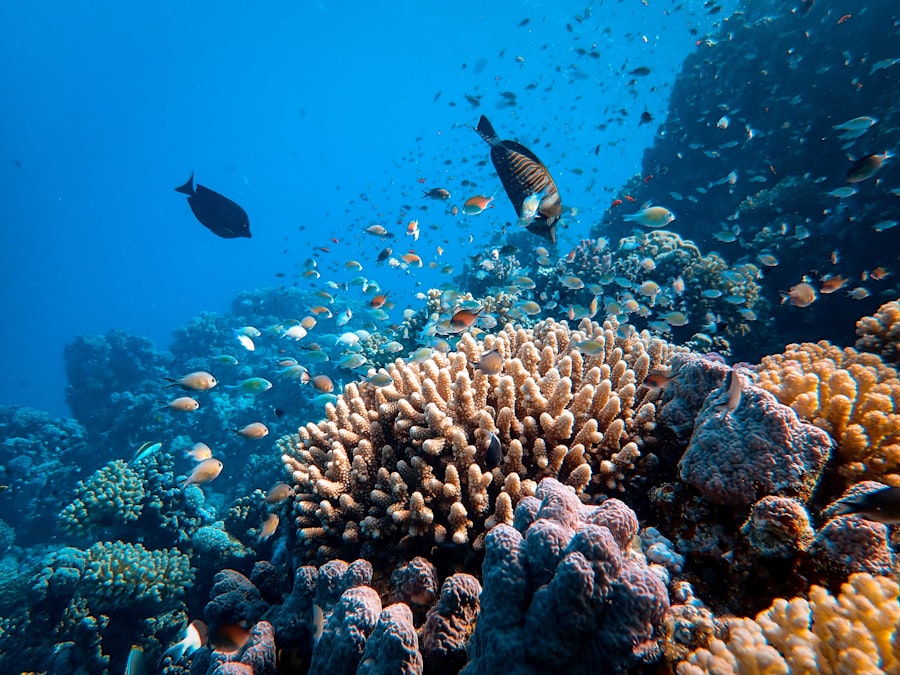
Biodiversity is a cornerstone of healthy ecosystems, and its preservation is intrinsically linked to ocean conservation efforts. As you explore this connection, consider how diverse marine life contributes to the stability and resilience of ocean ecosystems. Each species plays a unique role in maintaining ecological balance; when one species declines or disappears, it can have far-reaching consequences for others within the ecosystem.
Ocean conservation initiatives aim to protect not only individual species but also entire habitats that support diverse marine life. By safeguarding coral reefs, mangroves, and seagrass beds, you are helping to ensure that various organisms can thrive together in a balanced environment. This interconnectedness highlights the importance of viewing ocean conservation through a holistic lens—protecting biodiversity ultimately supports oxygen production and enhances the overall health of our oceans.
Solutions for Promoting Ocean Conservation and Oxygen Production
Promoting ocean conservation requires collective action at local, national, and global levels. As you consider your role in this effort, think about simple yet impactful actions you can take in your daily life. Reducing plastic consumption, supporting sustainable seafood choices, and participating in beach clean-ups are all ways you can contribute to healthier oceans.
Additionally, advocating for policies that protect marine environments can amplify your impact on ocean conservation efforts. Education plays a crucial role in fostering awareness about the importance of ocean conservation and its connection to oxygen production. By sharing knowledge with friends and family or engaging with community organizations focused on marine conservation, you can help inspire others to take action.
The more people understand the significance of healthy oceans for our planet’s well-being, the more likely they are to support initiatives aimed at preserving these vital ecosystems.
The Future of Oxygen Production and the Role of Ocean Conservation
Looking ahead, the future of oxygen production is closely tied to our commitment to ocean conservation. As you contemplate this relationship, consider how ongoing efforts to protect marine environments will shape the health of our oceans and their ability to produce oxygen. With climate change posing significant challenges to marine ecosystems, proactive measures are essential for ensuring that phytoplankton populations remain robust.
Your involvement in ocean conservation can make a difference in shaping a sustainable future for our planet. By advocating for policies that prioritize marine health, supporting research initiatives focused on understanding ocean dynamics, and engaging in community efforts aimed at protecting coastal environments, you contribute to a collective movement toward preserving our oceans for generations to come. The future may hold uncertainties, but your actions today can help secure a healthier planet where both people and nature thrive together.
In addition to the importance of ocean conservation for future oxygen production, another crucial aspect of combating global warming is massive tree planting. According to a related article on livelifewithacause.org, reforestation plays a significant role in absorbing carbon dioxide and reducing greenhouse gas emissions. By planting trees, we can help mitigate the effects of climate change and create a more sustainable environment for future generations. This article highlights the advantages of planting trees for climate change and emphasizes the need for collective action to protect our planet.
FAQs
What is ocean conservation?
Ocean conservation refers to the protection and preservation of the ocean and its resources, including marine life, ecosystems, and habitats. It involves efforts to prevent pollution, overfishing, and habitat destruction, as well as promoting sustainable use of ocean resources.
Why is ocean conservation important for future oxygen production?
The ocean plays a crucial role in producing oxygen through the process of photosynthesis carried out by marine plants, particularly phytoplankton. Phytoplankton are responsible for producing about 50-85% of the world’s oxygen. Therefore, the health of the ocean directly impacts the amount of oxygen available for humans and other organisms.
How does ocean conservation impact climate change?
Ocean conservation is essential for mitigating climate change because the ocean absorbs a significant amount of carbon dioxide from the atmosphere. By protecting and preserving ocean ecosystems, we can help maintain the ocean’s ability to sequester carbon and regulate the Earth’s climate.
What are the main threats to ocean conservation?
The main threats to ocean conservation include pollution from land-based sources, overfishing, habitat destruction, climate change, and ocean acidification. These threats can have detrimental effects on marine life, ecosystems, and the ocean’s ability to produce oxygen and regulate the climate.
What can individuals do to support ocean conservation?
Individuals can support ocean conservation by reducing their carbon footprint, minimizing plastic waste, supporting sustainable seafood choices, participating in beach clean-ups, and advocating for policies that protect the ocean and its resources. Additionally, supporting organizations and initiatives focused on ocean conservation can make a positive impact.


