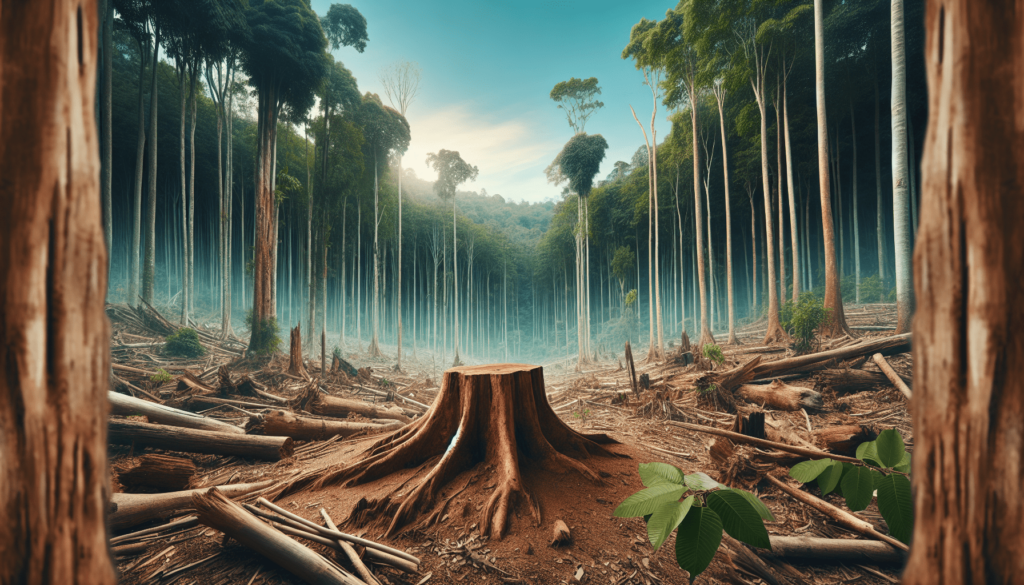
Have you ever wondered how the trees you walk by every day contribute to the stability of our planet’s climate? If you have, you’re onto something crucial. The lush forests covering Earth play an essential role in maintaining global temperatures, weather patterns, and overall climate equilibrium. But what happens when these forests are chopped down at an alarming rate? Let’s delve into this matter and uncover the significant impact deforestation has on global warming.
Understanding Deforestation
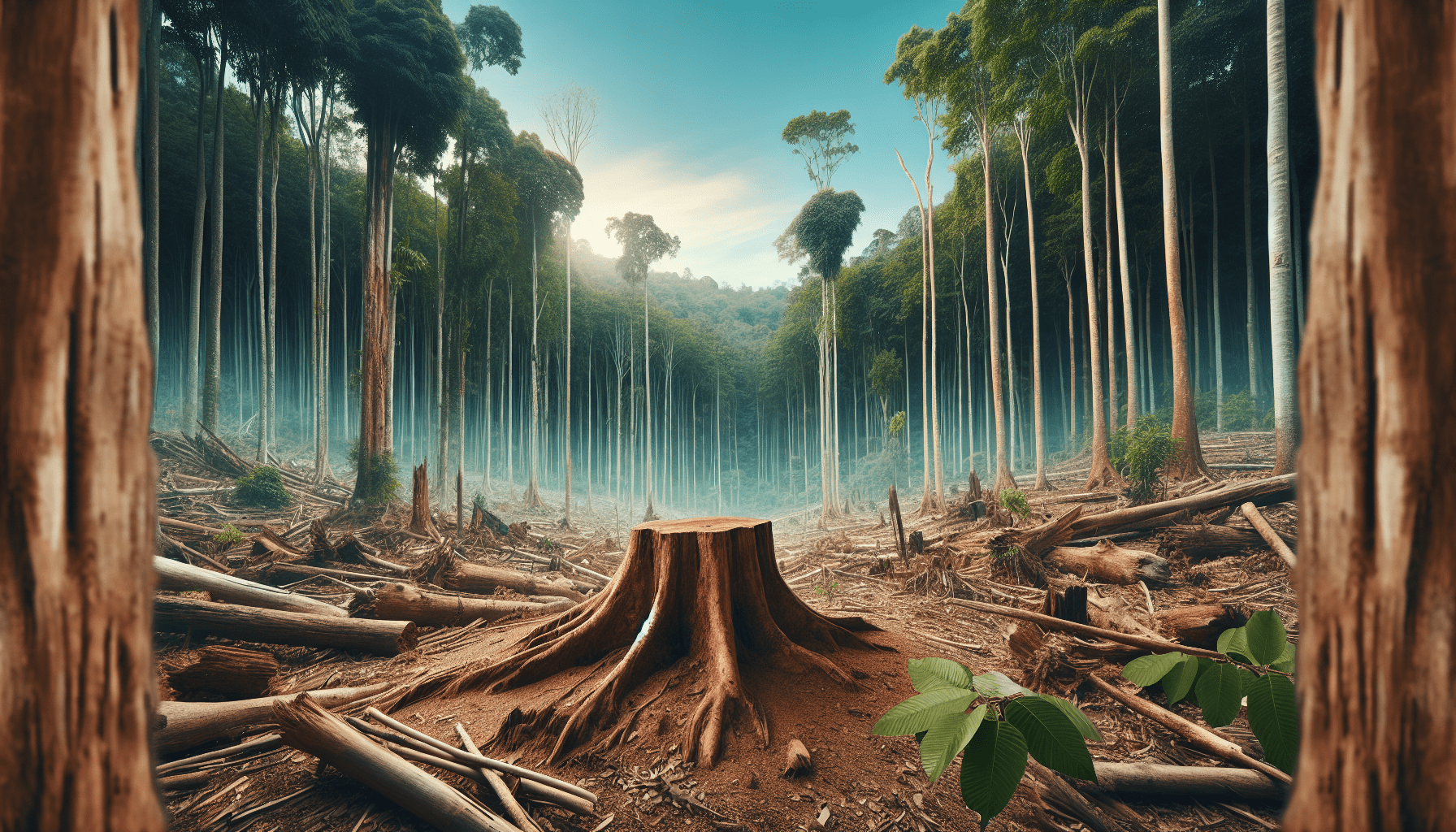
Before diving into how deforestation affects global warming, it’s essential to understand what deforestation entails. Deforestation refers to the large-scale removal of forests, leading to significant environmental changes. This practice involves clear-cutting, burning, and other methods to extract timber or repurpose land for agriculture or urban development.
Reasons Behind Deforestation
There are several factors driving deforestation, and understanding them can help address the problem more effectively. Here’s a breakdown of the primary causes:
| Cause | Description |
|---|---|
| Agriculture | Expansion for crops and livestock grazing necessitates clearing forests. |
| Urbanization | Developing towns and cities often encroach upon forested areas. |
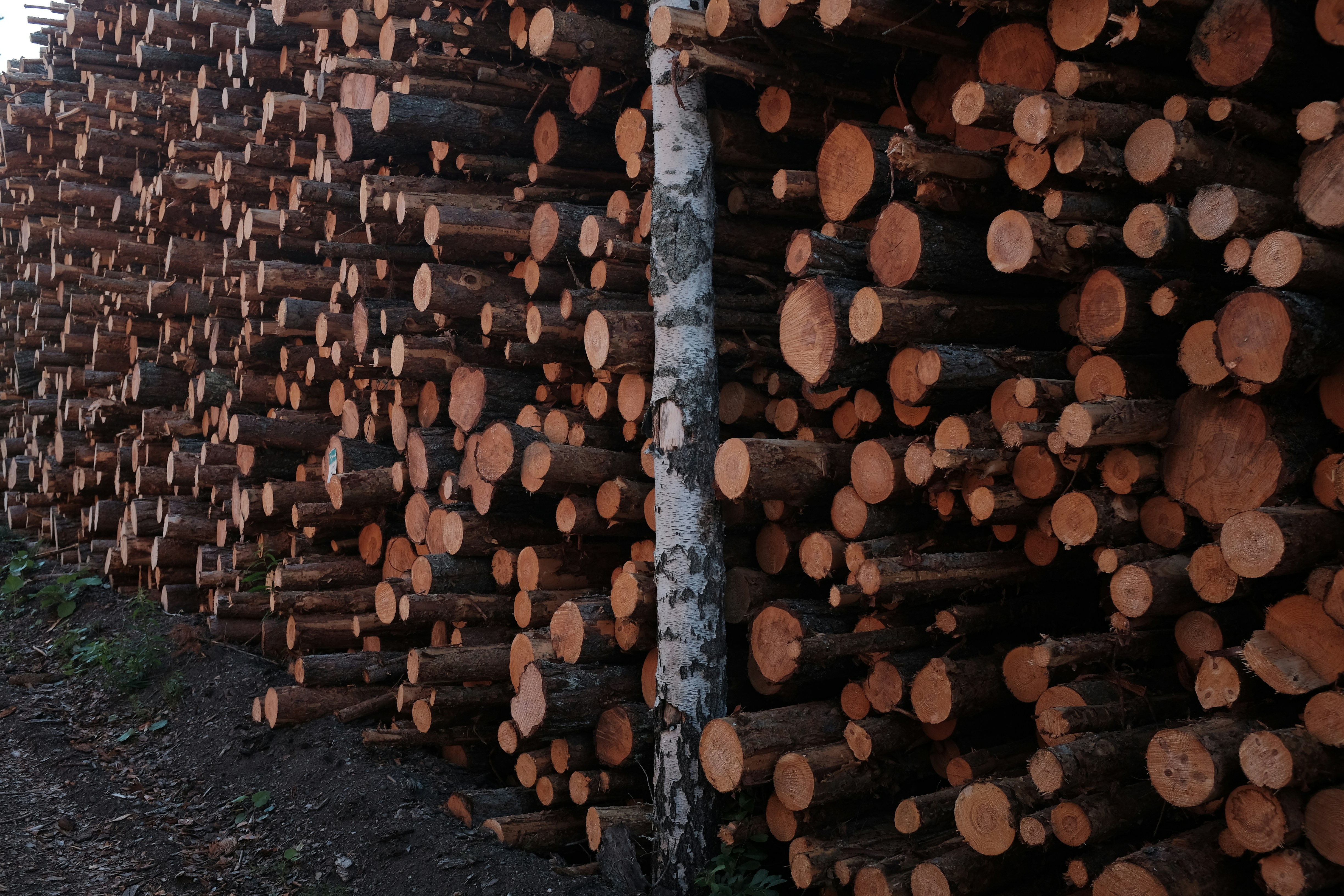
| Logging | Timber extraction for furniture, paper, and other industries leads to loss. |
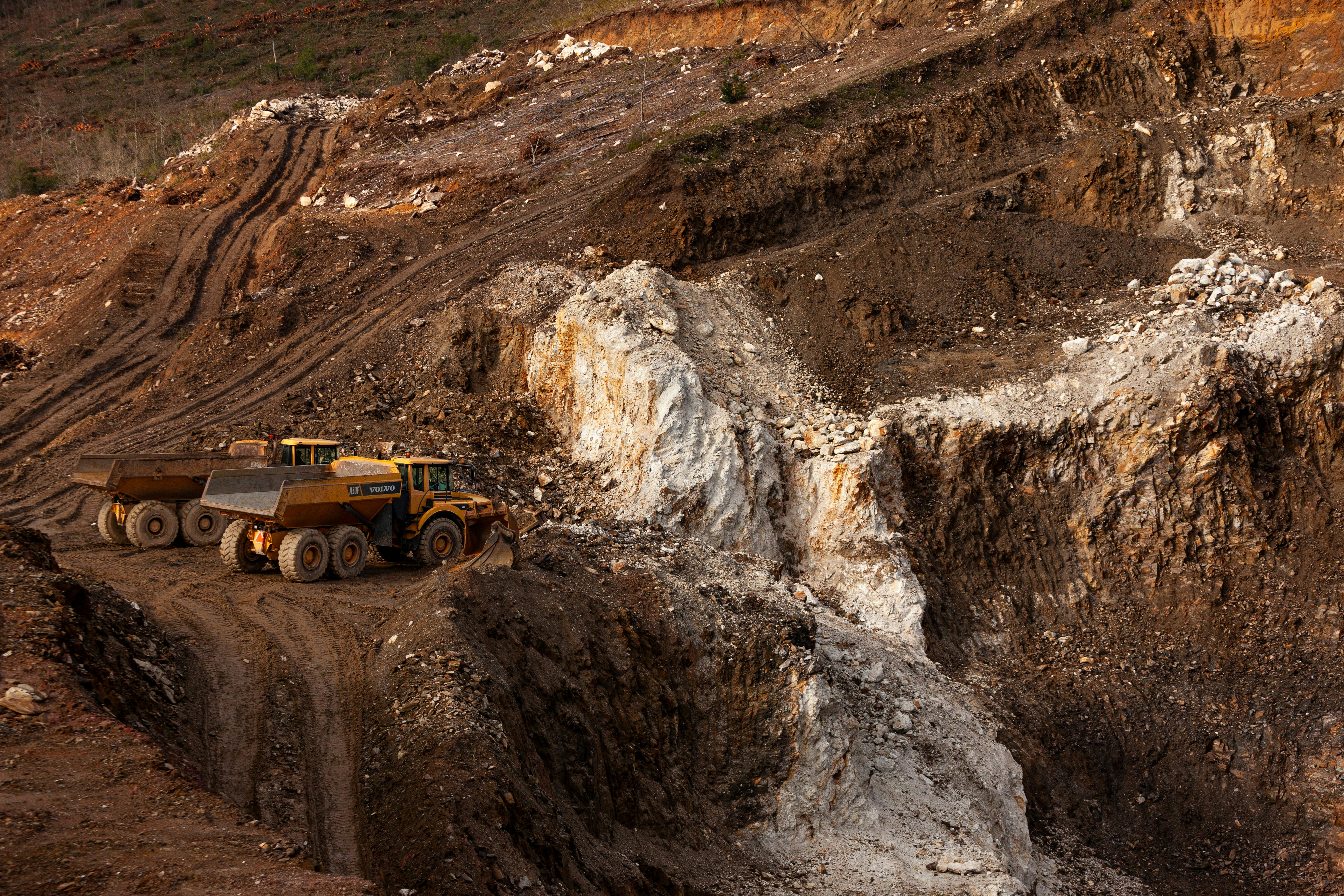
| Mining | Extracting minerals beneath forests requires removing the tree cover. |
Understanding these causes is crucial for addressing deforestation effectively. It isn’t just about cutting down trees, but also about comprehending the broader implications on various industries and livelihoods.
The Role of Forests in Climate Regulation
Forests aren’t just scenic landscapes; they are vital to Earth’s environmental health. Trees act as carbon sinks, absorbing carbon dioxide (CO₂) from the atmosphere and storing it in wood, leaves, and soil. This process, known as carbon sequestration, helps reduce the amount of CO₂, a greenhouse gas, in the atmosphere.
Carbon Sequestration
The ability of forests to sequester carbon is one of the primary reasons they are so crucial in the fight against global warming. Here’s how it works:
- Photosynthesis: Trees absorb CO₂ during photosynthesis and release oxygen back into the atmosphere.
- Storage: Trees trap carbon in their biomass (trunks, branches, leaves) and in the soil.
- Long-term Storage: Dead trees and fallen leaves decompose slowly, trapping carbon in the soil for long periods.
Imagine a world without these natural carbon storages—CO₂ levels would be significantly higher, intensifying the greenhouse effect and accelerating global warming.
Additional Climate Benefits
Forests offer other climate benefits as well. They:
- Regulate Temperature: Forests help regulate temperature by providing shade and releasing water vapor into the atmosphere through a process known as transpiration.
- Protect Biodiversity: Diverse ecosystems in forests contribute to the resilience of our planet.
- Prevent Soil Erosion: Tree roots help bind soil together, reducing the risk of landslides and soil degradation.
The Direct Impact of Deforestation on Global Warming
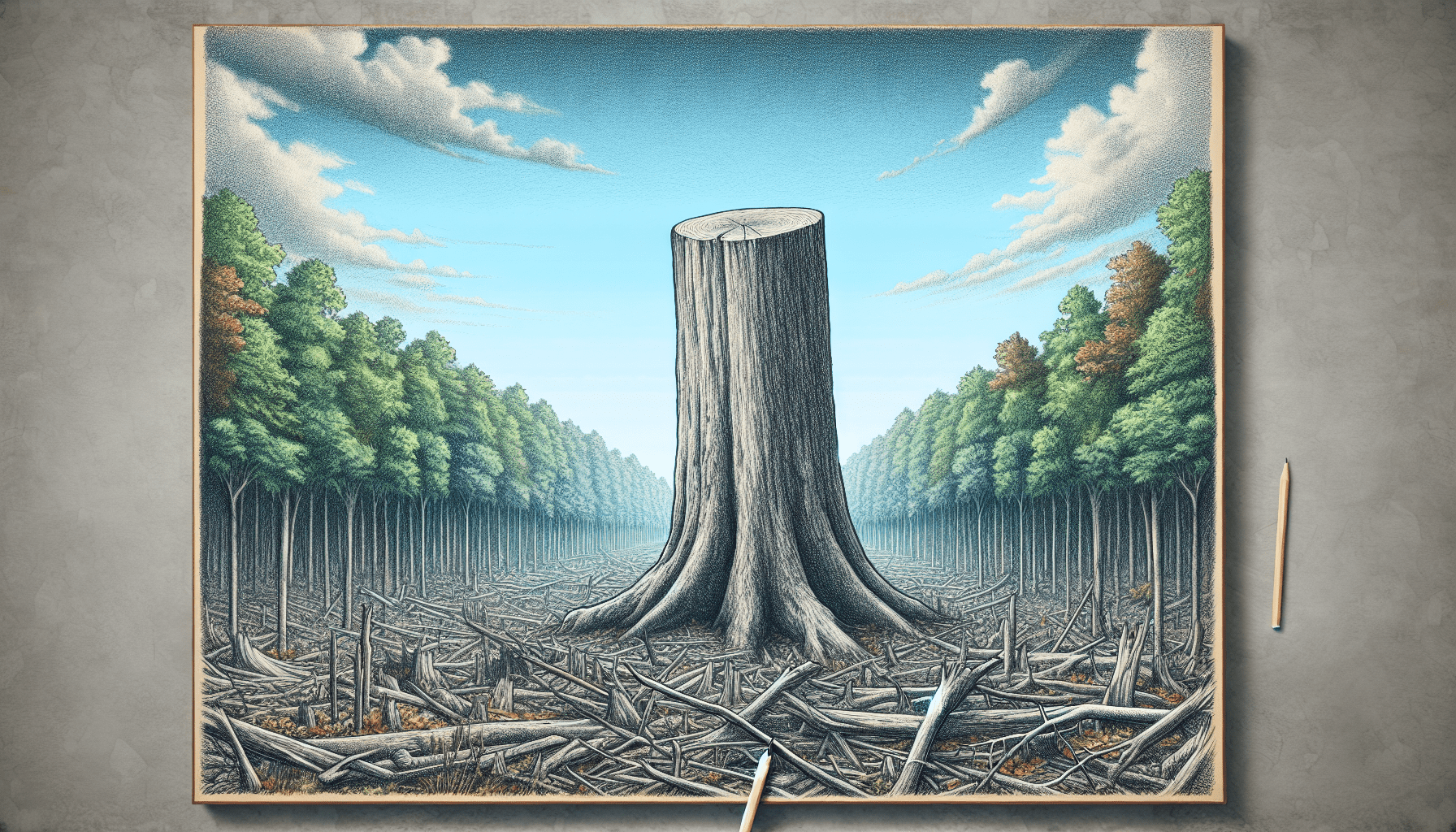
When forests are cleared, the carbon stored in trees is released into the atmosphere, primarily as CO₂. This release intensifies the greenhouse effect, leading to an increase in global temperatures. It’s a vicious cycle:
- Tree Removal: Trees are cut down.
- Carbon Release: The stored carbon is released into the atmosphere during burning or decay.
- Increased CO₂ Levels: Higher levels of CO₂ increase the greenhouse effect.
- Rising Temperatures: The planet’s average temperatures increase, contributing to global warming.
Quantifying the Impact
You might wonder just how significant this impact can be. Consider this:
- Deforestation is responsible for approximately 15% of all greenhouse gas emissions, which is comparable to the emissions from the global transportation sector.
- Amazon Rainforest: Often called the “lungs of the Earth,” it’s estimated that deforestation in the Amazon releases between 500 million and 1 billion tons of CO₂ into the atmosphere every year.
These numbers highlight the severity of deforestation’s impact on global warming. When you lose forests, you lose one of the most effective tools for absorbing and storing carbon.

Secondary Effects of Deforestation on Global Warming
Apart from the direct emission of greenhouse gases, deforestation has various secondary effects that exacerbate global warming.
Alteration of Water Cycles
Forests play a crucial role in maintaining the water cycle. When trees are cut down, the balance of water absorption and release is disrupted, which can lead to:
- Reduced Rainfall: Trees release water vapor into the atmosphere, contributing to cloud formation and, subsequently, rainfall. With fewer trees, rainfall patterns can change, leading to droughts.
- Increased Erosion and Flooding: Without trees to hold the soil together and absorb rainfall, water runs off more quickly, increasing the risk of floods.
Compared to areas with dense forest cover, deforested regions often experience more extreme and irregular weather patterns, further contributing to climate changes.
Loss of Albedo Effect
The albedo effect refers to the Earth’s ability to reflect sunlight back into space. Forests, with their dense canopies and shaded forest floors, have a different albedo compared to barren lands:
- Forests: Generally absorb more sunlight but cool the earth through transpiration.
- Cleared Land: Reflect more sunlight but can lead to higher ground temperature due to the loss of the cooling effect from transpiration.
Biodiversity Loss
Deforestation results in the loss of biodiversity, which has significant implications for climate stability. Diverse ecosystems tend to be more resilient to climate change. The loss of species can destabilize ecosystems, making them less capable of adapting to changes and increasing the vulnerability of the climate as a whole.
Impact on Indigenous Communities
Indigenous communities often live in the forests and rely on them for their livelihoods. When forests are destroyed, these communities are displaced, leading to loss of cultural heritage and contributing indirectly to social and environmental instability, which has broader implications for global warming.
Combating Deforestation: Solutions and Efforts
Knowing how detrimental deforestation is to our climate, it’s vital to highlight methods to combat this issue. Combating deforestation requires global cooperation and a multi-faceted approach.
Reforestation and Afforestation
Reforestation refers to planting trees in deforested areas, while afforestation involves planting trees in areas that have never been forested. These methods help sequester carbon from the atmosphere.
- Reforestation: Restoring lost forests can recover lost ecosystems and sequester carbon.
- Afforestation: Creates new forests, helping to absorb more CO₂ over time.
Sustainable Forest Management
Practices that allow for responsible use and management of forest resources without depleting them are crucial. These include:
- Selective Logging: Instead of clear-cutting, only specific trees are harvested, allowing the forest to recover and maintain its ecological balance.
- Community Forestry: Empowering local communities to manage forest resources often results in more sustainable and effective conservation efforts.
Legal and Policy Measures
Governments play a critical role in combating deforestation through legislation and policies. These measures include:
- Protected Areas: Designating areas as national parks or reserves to shield them from deforestation.
- Laws and Regulations: Enforcing laws against illegal logging and land conversion.
- Incentives: Providing financial or other incentives for sustainable practices and forest conservation.
Corporate Responsibility
Private sector involvement is equally vital in battling deforestation. Companies can implement sustainability practices within their supply chains, such as:
- Certifications: Using certified sustainable timber and paper products.
- Zero-Deforestation Policies: Committing to no deforestation in their operations and supply chains.
Technological Solutions
Technology offers innovative ways to monitor and combat deforestation. Satellites and drones can track changes in forest cover in real-time, helping authorities to take timely action against illegal activities.
Public Awareness and Education
Raising public awareness about the importance of forests and the impact of deforestation can lead to more consumer demand for sustainably sourced products and increased political pressure for environmental legislation.
Conclusion
Clearly, deforestation is a massive contributor to global warming, affecting everything from CO₂ levels to weather patterns and biodiversity. The loss of forests disrupts our planet’s natural carbon balance, accelerates the greenhouse effect, and magnifies the severity of climate change. However, it’s not an insurmountable problem. Through sustainable practices, legislation, reforestation, and public awareness, we can work towards a future where our forests are preserved and restored, allowing them to continue their crucial role in mitigating global warming.
You play a vital role in this endeavor. By understanding the impact of deforestation and participating in efforts to combat it, you contribute to the preservation of our planet’s climate and the continued wellbeing of future generations.