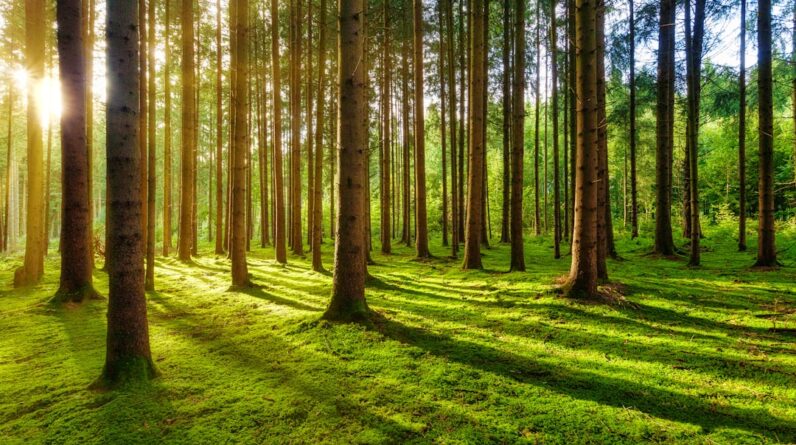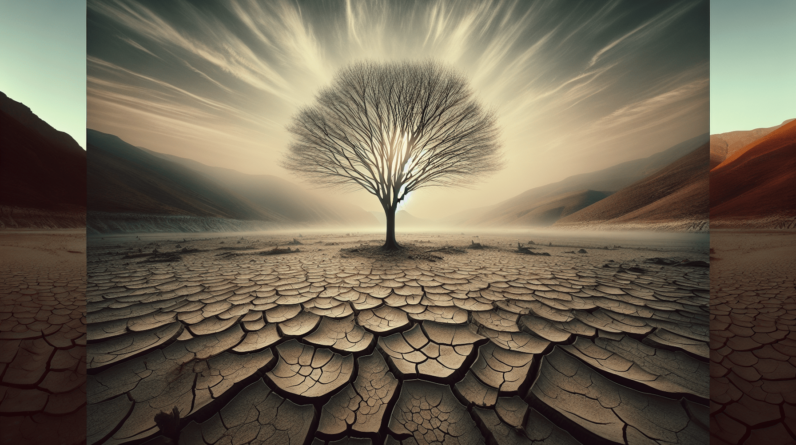
Have you ever wondered how the warmth you feel around you today might be different from what people experienced a few decades ago? It’s not just about increased CO2 emissions from vehicles and industries. There’s another critical factor at play: deforestation. While it might seem like a distant issue, the trees disappearing far from your home have a direct impact on the climate experienced globally. Let’s delve into this topic and uncover the unseen consequences of deforestation on our warming world.
Understanding Deforestation
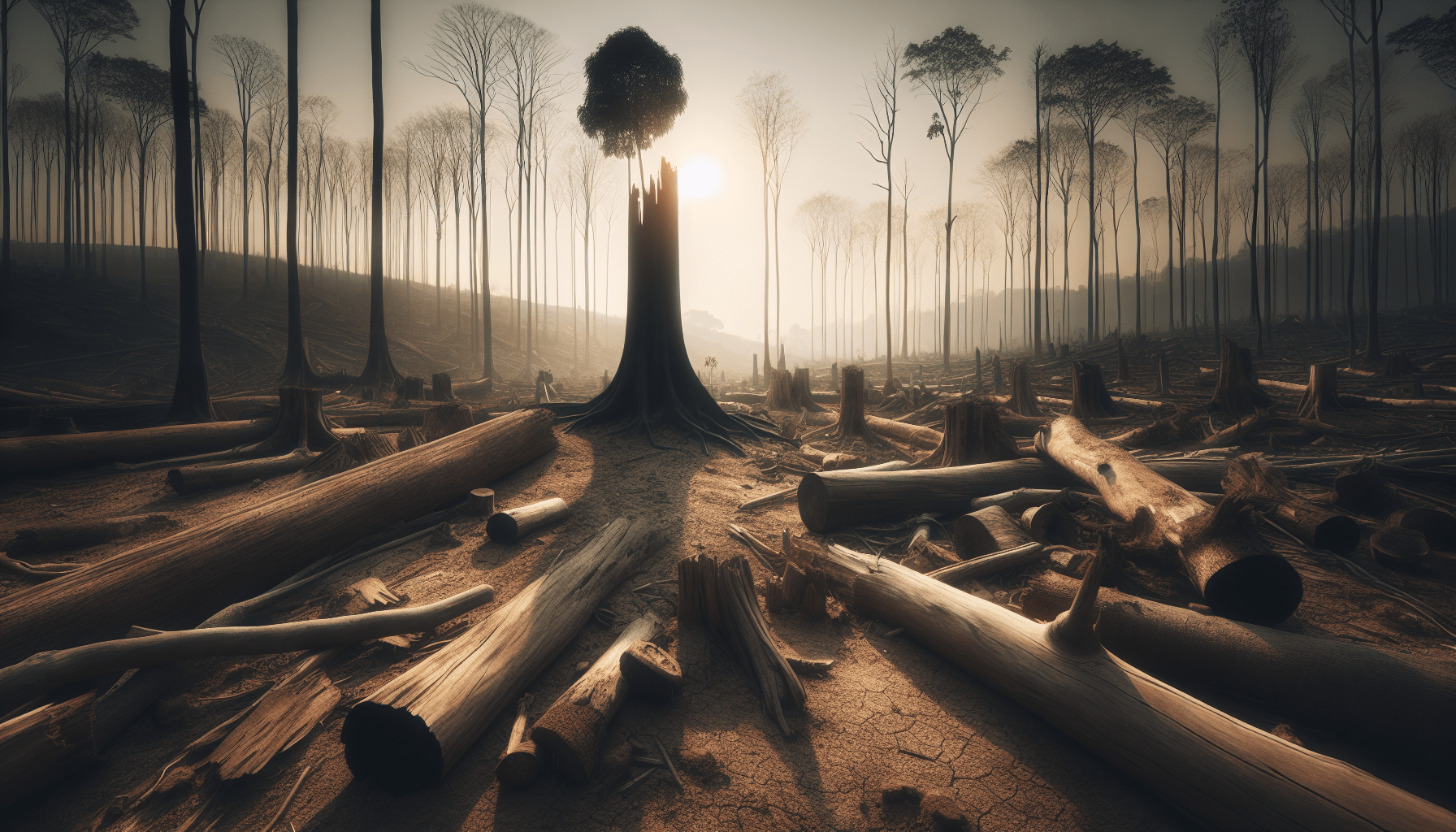
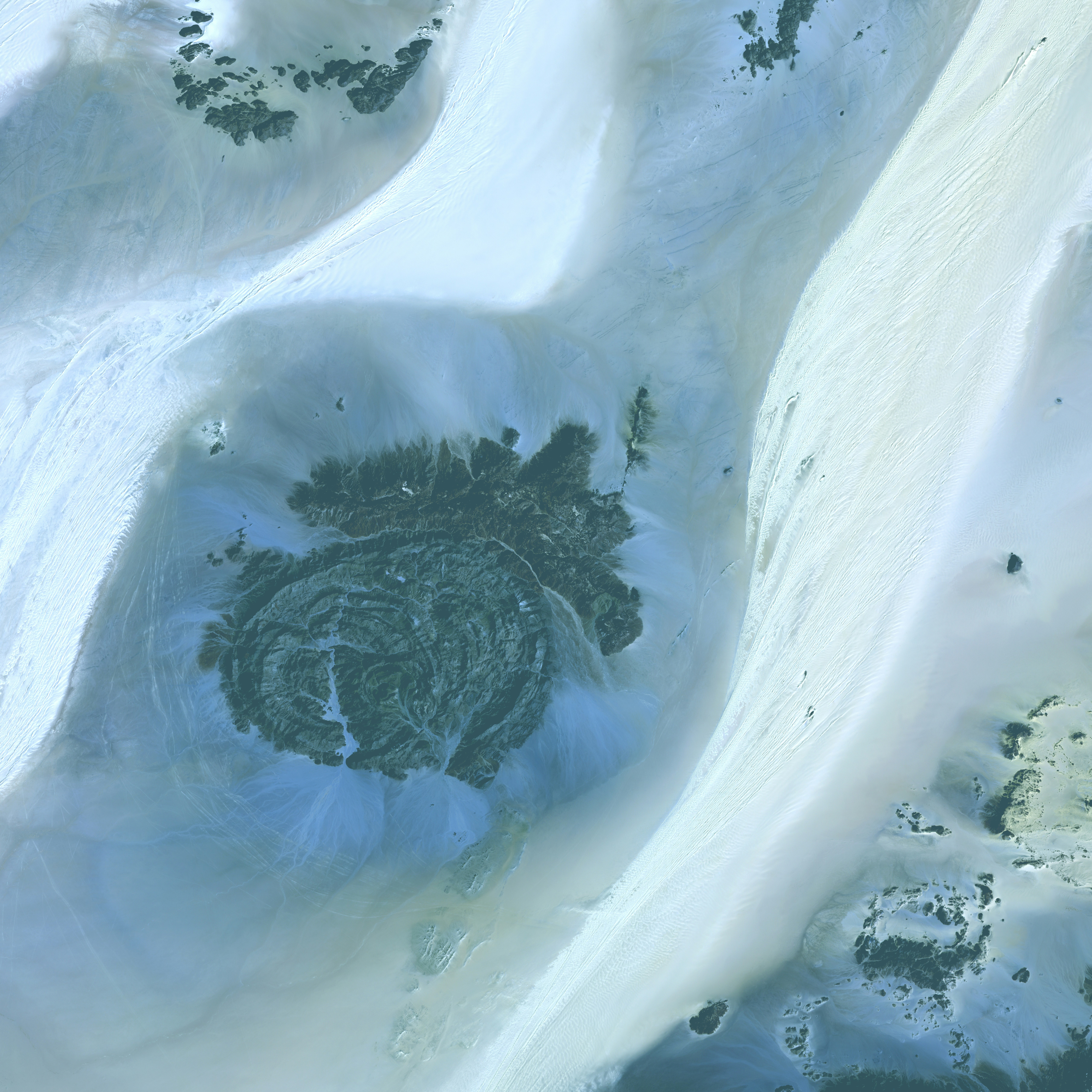
Deforestation involves the large-scale clearing of trees and forests. This process can be done through agricultural expansion, urban development, logging, and other human activities. Despite the essential role forests play, they are being destroyed at an alarming rate. The Amazon rainforest alone has seen significant losses over the past few years.
Why Forests Matter
Forests act as the lungs of the Earth, absorbing CO2 and releasing oxygen. They serve as carbon sinks, tackling the growing concern of atmospheric carbon levels. Additionally, forests influence weather patterns, support biodiversity, and provide resources for livelihoods.
Deforestation Rates and Statistics
To truly grasp the magnitude of deforestation, consider these statistics:
| Region | Annual Forest Loss (hectares) | Primary Drivers |
|---|---|---|
| Amazon Rainforest | 1.3 million | Agriculture, logging, mining |
| Southeast Asia | 1.2 million | Palm oil plantations, logging |
| Sub-Saharan Africa | 1 million | Charcoal production, agriculture |
These alarming rates highlight an urgent issue, necessitating immediate attention and action.
The Greenhouse Effect: More Than Just Carbon Dioxide
The Role of Trees in Carbon Sequestration
Trees absorb CO2 from the atmosphere, storing it in their biomass and the soil. When forests are cleared, not only is this CO2-sequestering capacity reduced, but the carbon stored in the trees is also released back into the atmosphere, contributing to the greenhouse effect.
Other Greenhouse Gases
Deforestation also impacts the release of other greenhouse gases such as methane (CH4) and nitrous oxide (N2O). Soil disruption from clearing and burning forest areas releases these gases, further exacerbating global warming.
Albedo Effect
Forests have a low albedo, meaning they absorb more sunlight than they reflect. When forests are replaced with agricultural lands or urban areas, the albedo effect alters. More sunlight is reflected away, but the net effect leads to a warmer atmosphere due to less moisture and heat absorption by the forested areas.
Impact on Local and Global Climate
Local Climate Changes
In regions where deforestation is rampant, there are noticeable changes in local weather patterns. Reduced tree cover can lead to higher temperatures and altered rainfall patterns.
Example: Amazon Basin
The Amazon plays a critical role in regulating weather patterns not just in South America but globally. With deforestation, there are longer dry seasons and altered precipitation levels, affecting agriculture and water availability.
Global Climate Implications
Forests influence global air currents and weather systems. Widespread deforestation impacts these systems, leading to extreme weather events such as hurricanes, heatwaves, and altered seasonal cycles.
Example: Global Rainfall Patterns
Changes in forest cover impact evapotranspiration, a process where moisture is released into the atmosphere from plant leaves. This moisture is crucial for rainfall. Reduced forest cover means reduced evapotranspiration, leading to changes in global rainfall patterns.
Biodiversity Loss and Ecosystem Disruption
The Vital Role of Forests in Biodiversity
Forests are home to an estimated 80% of terrestrial plant and animal species. Deforestation leads to habitat loss, endangering countless species and disrupting ecosystems.
Specific Losses
Species such as orangutans, tigers, and various bird species are losing their habitats due to deforestation. Additionally, plant species with potential medicinal properties are at risk of being lost before they are even discovered.
The Chain Reaction of Ecosystem Disruption
When forests are cleared, it sets off a chain reaction. Top predators lose their habitats, altering the balance of the food chain. This disruption affects not only wildlife but also human communities dependent on forest resources.
Climate Resilience of Biodiverse Ecosystems
Biodiverse ecosystems are more resilient to climate changes. The loss of biodiversity due to deforestation makes these ecosystems more vulnerable to climate change impacts, further exacerbating global warming.
Human Impact and Livelihoods
Indigenous Communities
Indigenous peoples are some of the first to bear the brunt of deforestation. They rely on forests for their homes, food, and cultural practices. Deforestation not only displaces them but also erases their cultural heritage.
Agricultural Communities
While deforestation is often driven by agricultural expansion, it ironically poses long-term threats to agriculture. Soil degradation, reduced rainfall, and altered weather patterns due to deforestation can lead to decreased agricultural productivity.
Urban Populations
Urban areas are not isolated from the impacts of deforestation. Increased temperatures and changing weather patterns can affect water supply, food security, and overall quality of life.
Solutions to Combat Deforestation
Policy and Legislation
Strong policies and legislation are crucial in combating deforestation. This includes enforcing laws against illegal logging, promoting sustainable land management, and incentivizing reforestation projects.
Example: Brazil’s Forest Code
Brazil’s Forest Code mandates landowners maintain a certain percentage of their property as forest cover, helping combat deforestation and preserve biodiversity.
Community-Based Conservation
Empowering local communities to manage and protect forests can lead to more sustainable outcomes. When communities are involved, they have a vested interest in preserving the forest.
Global Efforts and Cooperation
Tackling deforestation requires global cooperation. International agreements, such as the Paris Agreement, recognize the role of forests in climate regulation and emphasize the need for global action.
Technological Innovations
Advancements in satellite technology and data analytics allow for better monitoring and management of forest resources. Technologies such as these can help identify deforestation hotspots and track progress in reforestation efforts.

Reforestation and Afforestation
Differences and Importance
- Reforestation: The process of replanting trees in deforested areas.
- Afforestation: Planting trees in areas that have not previously been forested.
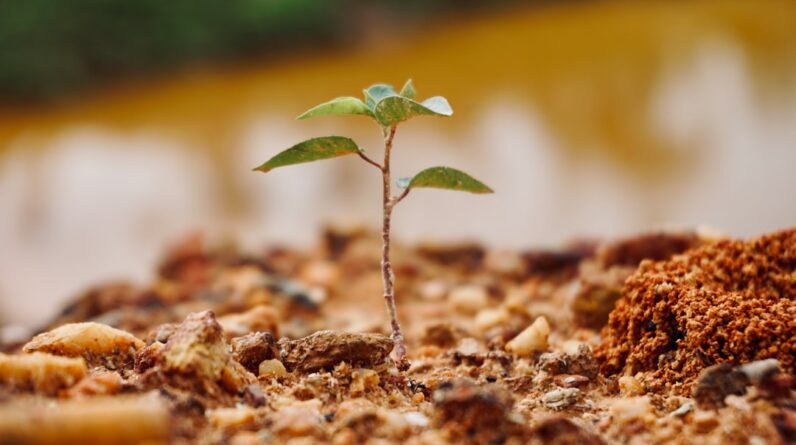
Both these processes are crucial in restoring forest cover, sequestering carbon, and rebuilding biodiversity.
Successful Examples
Countries like China and India have undertaken large-scale reforestation projects. The Loess Plateau in China transformed degraded land into fertile, forested landscapes, significantly improving local climate and livelihoods.
Conclusion
Reflecting on a warmer world, the unseen impact of deforestation reveals a complex web of ecological, climatic, and social challenges. From altering local weather patterns to contributing to global climate change, the repercussions of deforestation are far-reaching. By understanding the gravity of these impacts and taking actionable steps towards conservation, reforestation, and sustainable practices, you can contribute to mitigating these effects. Protecting forests is not just about preserving nature, it’s about ensuring a stable, livable planet for future generations.