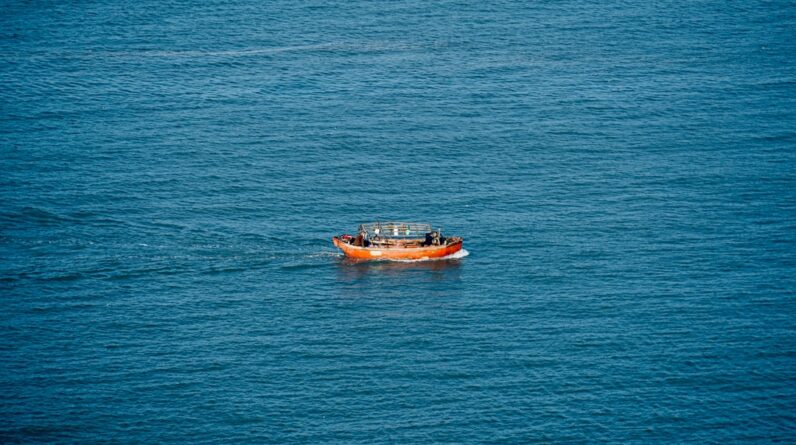
As you gaze out at the vast expanse of the ocean, it’s easy to overlook the hidden struggles beneath the surface. Pollution has become a pervasive issue, affecting marine ecosystems and the delicate balance of life within them. The oceans, which cover more than 70% of our planet, are not just a beautiful backdrop; they are vital to the health of the Earth.
They regulate climate, provide food, and support countless species. However, human activities have introduced a myriad of pollutants into these waters, leading to dire consequences for marine life and, ultimately, for humanity itself. The impact of pollution on the sea is multifaceted.
From plastic waste that chokes marine animals to toxic chemicals that disrupt reproductive systems, the threats are numerous and varied. You may not realize that even seemingly innocuous actions, like using certain household products or improperly disposing of waste, can contribute to this growing problem. The accumulation of pollutants leads to a decline in water quality, which in turn affects the organisms that rely on these habitats for survival.
As you consider your relationship with the ocean, it becomes clear that understanding this problem is crucial for fostering a healthier marine environment.
Key Takeaways
- Pollution has a significant impact on the health of the sea, leading to hypoxia and threatening marine ecosystems.
- Oxygen plays a crucial role in marine ecosystems, supporting the survival of marine life and maintaining a balanced ecosystem.
- Oceanic hypoxia can lead to devastating consequences such as dead zones, loss of biodiversity, and negative impacts on fisheries and coastal communities.
- Identifying and addressing the sources of marine pollution, including industrial waste, agricultural runoff, and plastic waste, is crucial for combating oceanic hypoxia.
- Solutions for combating oceanic hypoxia include implementing stricter regulations, promoting sustainable practices, and investing in innovative technologies for waste management and pollution control.
The Role of Oxygen in Marine Ecosystems
Oxygen is a fundamental element for life, and in marine ecosystems, it plays a critical role in supporting diverse forms of aquatic life. You might be surprised to learn that oxygen is not just abundant in the atmosphere; it is also produced by phytoplankton and other marine plants through photosynthesis. These microscopic organisms are responsible for generating a significant portion of the Earth’s oxygen supply, making them essential not only for marine life but also for terrestrial organisms, including humans.
In healthy marine environments, oxygen levels are maintained through a balance of production and consumption. Fish, invertebrates, and other marine creatures rely on dissolved oxygen in the water to survive. When you think about the intricate web of life in the ocean, it becomes evident that oxygen is a linchpin in this system.
However, pollution disrupts this balance, leading to conditions where oxygen levels can plummet, creating what is known as hypoxia. Understanding the importance of oxygen in these ecosystems is vital for recognizing the broader implications of pollution and its effects on marine life.
The Consequences of Oceanic Hypoxia

When oxygen levels in ocean waters drop significantly, it leads to hypoxia—a condition that can have devastating effects on marine ecosystems. You may have heard about “dead zones,” areas where aquatic life struggles to survive due to insufficient oxygen. These zones can expand rapidly, often as a result of nutrient pollution from agricultural runoff and wastewater discharge.
As you contemplate the consequences of hypoxia, consider how it affects not only fish populations but also entire food webs and local economies that depend on healthy fisheries. The repercussions of oceanic hypoxia extend beyond immediate impacts on marine life. When fish and other organisms die off or migrate to find more hospitable environments, it disrupts fishing industries and threatens livelihoods.
Additionally, hypoxic conditions can lead to harmful algal blooms, which produce toxins that further endanger marine species and human health. As you reflect on these consequences, it becomes clear that addressing hypoxia is not just an environmental issue; it is also a social and economic one that requires urgent attention.
Identifying the Sources of Marine Pollution
To effectively combat marine pollution and its consequences, it is essential to identify its sources. You might be surprised to learn that pollution comes from various avenues—both land-based and ocean-based. Agricultural runoff is one of the primary culprits, as fertilizers and pesticides wash into rivers and eventually make their way to the sea.
This influx of nutrients can lead to algal blooms that deplete oxygen levels and create hypoxic conditions. In addition to agricultural practices, urban runoff plays a significant role in marine pollution. As rainwater flows over streets and buildings, it picks up debris, oil, heavy metals, and other contaminants before entering waterways.
You may also consider industrial discharges and plastic waste as major contributors to ocean pollution. The sheer volume of plastic entering the oceans each year is staggering, with millions of tons accumulating in gyres and coastal areas. By understanding these sources, you can better appreciate the complexity of marine pollution and the need for comprehensive solutions.
Solutions for Combating Oceanic Hypoxia
Addressing oceanic hypoxia requires a multifaceted approach that involves both policy changes and community engagement. You may be encouraged to know that various strategies can be implemented to mitigate nutrient pollution and restore balance to marine ecosystems. One effective solution is improving agricultural practices by promoting sustainable farming techniques that minimize fertilizer use and reduce runoff.
This could involve implementing buffer zones along waterways or adopting precision agriculture methods that optimize nutrient application. Another critical solution lies in enhancing wastewater treatment processes to ensure that harmful substances are removed before they enter the ocean. You might also consider advocating for stricter regulations on industrial discharges and promoting initiatives aimed at reducing plastic waste.
Community involvement plays a vital role in these efforts; by participating in local clean-up events or supporting policies aimed at protecting marine environments, you can contribute to meaningful change.
Individual Actions to Reduce Marine Pollution

While large-scale solutions are essential for combating marine pollution, individual actions can also make a significant impact. You have the power to influence change through your daily choices and habits. For instance, reducing your plastic consumption by opting for reusable bags, bottles, and containers can help decrease the amount of waste that ends up in the ocean.
Additionally, being mindful of your water usage and avoiding products with harmful chemicals can contribute to cleaner waterways. You might also consider participating in local conservation efforts or advocating for policies that protect marine environments. Engaging with your community through educational programs or volunteering for organizations focused on ocean health can amplify your impact.
By taking these individual actions seriously, you not only contribute to reducing marine pollution but also inspire others to join you in this vital cause.
Supporting Organizations and Initiatives
To further amplify your efforts in combating marine pollution, consider supporting organizations dedicated to protecting ocean health. Numerous non-profits and initiatives work tirelessly to address issues related to pollution, conservation, and sustainable practices. By donating your time or resources to these organizations, you can help fund research projects aimed at understanding and mitigating pollution’s effects on marine ecosystems.
You may also want to stay informed about local initiatives focused on clean-up efforts or educational programs aimed at raising awareness about marine conservation. Many organizations offer volunteer opportunities that allow you to engage directly with your community while making a positive impact on ocean health. By aligning yourself with these groups, you not only contribute to meaningful change but also connect with like-minded individuals who share your passion for protecting our oceans.
The Importance of Sustainable Practices for the Health of the Sea
Ultimately, fostering a healthy ocean requires a commitment to sustainable practices at all levels—individual, community, corporate, and governmental. You may find it empowering to know that every small action contributes to a larger movement toward sustainability. By embracing eco-friendly habits in your daily life—such as reducing waste, conserving energy, and supporting sustainable seafood choices—you play an integral role in preserving marine ecosystems.
As you reflect on the importance of sustainable practices for ocean health, consider how interconnected our lives are with the sea. The well-being of marine ecosystems directly influences climate regulation, food security, and biodiversity—all essential components for a thriving planet. By prioritizing sustainability in your choices and advocating for systemic change, you contribute not only to the health of the sea but also to a more resilient future for generations to come.
If you are interested in learning more about how trees can help save the Earth from global warming, check out this article on how trees can save the Earth from global warming. It discusses the important role that trees play in combating climate change and offers tips on how you can help plant more trees to make a positive impact on the environment. Additionally, planting trees can also contribute to creating a biodiversity reservoir by having healthy forests, as discussed in this article on biodiversity reservoir by having healthy forests. It highlights the benefits of maintaining healthy forests for the planet and the various ways in which trees support biodiversity.
FAQs
What is causing the suffocation of the sea?
The suffocation of the sea is primarily caused by excessive nutrient pollution, leading to algal blooms and dead zones. This pollution comes from sources such as agricultural runoff, sewage discharge, and industrial activities.
What are the effects of the sea suffocation?
The suffocation of the sea leads to the depletion of oxygen levels, resulting in the formation of dead zones where marine life cannot survive. This has a detrimental impact on fish, shellfish, and other marine organisms, disrupting the balance of marine ecosystems.
How can individuals help the sea breathe again?
Individuals can help the sea breathe again by reducing their carbon footprint, minimizing the use of single-use plastics, supporting sustainable fishing practices, and advocating for policies that promote clean water and healthy marine ecosystems. Additionally, participating in beach clean-ups and supporting organizations dedicated to ocean conservation can make a positive impact.
What are some long-term solutions to address the suffocation of the sea?
Long-term solutions to address the suffocation of the sea include implementing stricter regulations on nutrient pollution, investing in wastewater treatment infrastructure, promoting sustainable agricultural practices, and supporting research and innovation in ocean conservation and restoration efforts. Collaboration between governments, industries, and communities is essential in implementing these solutions.