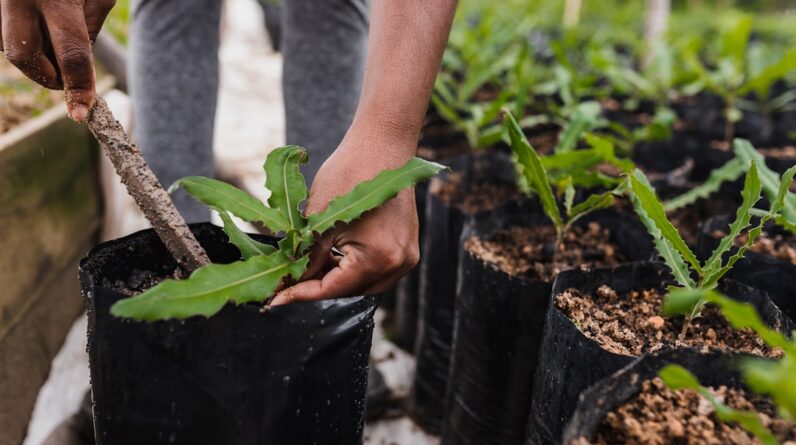
Reforestation is a critical environmental strategy aimed at restoring forested areas that have been depleted due to human activities such as logging, agriculture, and urban development. As you delve into the concept of reforestation, it becomes clear that it is not merely about planting trees; it encompasses a broader vision of ecological restoration and sustainability. One of the most significant benefits of reforestation is its potential for soil carbon sequestration, a process where carbon dioxide (CO2) from the atmosphere is captured and stored in the soil.
This process plays a vital role in mitigating climate change by reducing the overall concentration of greenhouse gases in the atmosphere. Understanding soil carbon sequestration is essential for grasping the full impact of reforestation efforts. When trees are planted, they not only absorb CO2 during photosynthesis but also contribute to the organic matter in the soil through leaf litter, roots, and decaying biomass.
This organic matter enriches the soil, enhancing its ability to store carbon. As you explore this topic further, you will discover how reforestation can serve as a natural solution to combat climate change while simultaneously restoring ecosystems and promoting biodiversity.
Key Takeaways
- Reforestation plays a crucial role in soil carbon sequestration, which helps mitigate climate change by removing carbon dioxide from the atmosphere.
- Trees are essential for carbon sequestration as they absorb carbon dioxide during photosynthesis and store it in their biomass and in the soil.
- Deforestation leads to a decrease in soil carbon levels, as the decomposition of organic matter releases stored carbon into the atmosphere.
- Reforestation can significantly increase soil carbon sequestration, as newly planted trees contribute to the accumulation of organic matter in the soil.
- Factors such as tree species, soil type, and management practices can affect the amount of carbon sequestered in reforested areas, highlighting the need for careful planning and monitoring.
The Role of Trees in Carbon Sequestration
Trees are often referred to as the lungs of our planet, and for good reason. They play a pivotal role in carbon sequestration by absorbing CO2 from the atmosphere and converting it into biomass through photosynthesis. As you consider the life cycle of a tree, you will notice that every part contributes to this process.
The trunk, branches, leaves, and roots all store carbon, making trees one of the most effective natural tools for combating climate change. The larger and older a tree grows, the more carbon it can sequester, which underscores the importance of protecting existing forests while also engaging in reforestation efforts. Moreover, trees contribute to soil carbon sequestration in several ways.
When leaves fall to the ground, they decompose and enrich the soil with organic matter, which is rich in carbon. This organic matter not only stores carbon but also improves soil structure and fertility, creating a healthier environment for other plants and organisms. As you reflect on this interconnectedness, it becomes evident that trees are not just isolated entities; they are integral components of a larger ecosystem that supports life on Earth.
The Effects of Deforestation on Soil Carbon Levels

Deforestation has far-reaching consequences for both the environment and climate. When forests are cleared, not only is the immediate loss of trees detrimental, but the soil itself also suffers significantly. You may be surprised to learn that deforestation can lead to a dramatic decrease in soil carbon levels.
The removal of trees disrupts the delicate balance of carbon storage in the soil, releasing stored carbon back into the atmosphere as CO2. This process exacerbates climate change and contributes to global warming. Additionally, deforestation often leads to soil erosion and degradation.
Without tree roots to anchor the soil, it becomes more susceptible to erosion by wind and water. This erosion not only removes valuable topsoil but also diminishes the soil’s capacity to store carbon. As you consider these impacts, it becomes clear that deforestation is not just an environmental issue; it is a significant factor in the global carbon cycle that must be addressed through sustainable land management practices.
The Impact of Reforestation on Soil Carbon Sequestration
Reforestation has a profound positive impact on soil carbon sequestration. When you engage in or support reforestation initiatives, you are actively contributing to the restoration of ecosystems and enhancing their ability to capture and store carbon. Newly planted trees begin to absorb CO2 almost immediately, and as they grow, their biomass increases, leading to greater carbon storage both above and below ground.
Over time, these trees create a more stable environment for soil organisms, which further enhances soil health and its capacity to sequester carbon. Moreover, reforested areas often experience an increase in biodiversity as native species return and thrive in these restored habitats. This biodiversity is crucial for maintaining healthy ecosystems that can adapt to changing environmental conditions.
As you reflect on the long-term benefits of reforestation, consider how these efforts not only combat climate change but also promote resilience in ecosystems that are vital for human survival.
Factors Affecting Soil Carbon Sequestration in Reforested Areas
While reforestation presents numerous benefits for soil carbon sequestration, several factors can influence its effectiveness. One critical aspect is the choice of tree species planted during reforestation efforts. Native species are often more effective at sequestering carbon because they are adapted to local conditions and support local wildlife.
As you think about this, consider how planting diverse species can enhance resilience against pests and diseases while promoting a more robust ecosystem. Soil type and health also play significant roles in determining how much carbon can be sequestered in reforested areas. Soils rich in organic matter tend to have higher carbon storage capacities.
Therefore, practices such as improving soil health through organic amendments or conservation tillage can enhance the effectiveness of reforestation efforts. Additionally, climate conditions such as temperature and precipitation patterns can affect tree growth rates and overall carbon sequestration potential. As you explore these factors, it becomes evident that successful reforestation requires careful planning and consideration of local ecological conditions.
Benefits of Soil Carbon Sequestration for Ecosystems and Climate Change Mitigation

The benefits of soil carbon sequestration extend far beyond simply reducing atmospheric CO2 levels; they encompass a wide range of ecological advantages as well. By enhancing soil health through increased organic matter content, reforested areas can support diverse plant and animal life. Healthy soils are more resilient to extreme weather events such as droughts or floods, which are becoming increasingly common due to climate change.
As you consider these benefits, think about how healthy ecosystems contribute to food security and water quality for communities around the world. Furthermore, soil carbon sequestration plays a crucial role in climate change mitigation strategies. By capturing CO2 from the atmosphere, reforested areas help stabilize global temperatures and reduce the impacts of climate change on vulnerable populations.
You may find it inspiring to know that reforestation initiatives can be integrated into broader climate action plans at local, national, and international levels. This integration not only amplifies the impact of reforestation but also fosters collaboration among various stakeholders committed to creating a sustainable future.
Challenges and Limitations of Reforestation for Soil Carbon Sequestration
Despite its many benefits, reforestation faces several challenges and limitations that can hinder its effectiveness in sequestering soil carbon. One significant challenge is land availability; as urbanization continues to expand, finding suitable land for reforestation becomes increasingly difficult. Additionally, competing land uses such as agriculture or development can limit opportunities for planting trees.
As you contemplate these challenges, consider how innovative land-use planning could help balance development needs with environmental restoration goals. Another limitation lies in the potential for monoculture plantations—areas where only one species of tree is planted—often seen in commercial forestry operations. While these plantations may initially sequester carbon effectively, they lack the biodiversity necessary for long-term ecosystem health and resilience.
You might reflect on how promoting mixed-species plantings can enhance both carbon sequestration potential and ecosystem stability over time.
Future Implications and Recommendations for Reforestation Practices
Looking ahead, it is essential to adopt best practices for reforestation that maximize soil carbon sequestration while promoting ecological health. One recommendation is to prioritize native species when planning reforestation projects. Native trees are better suited to local conditions and can support diverse wildlife populations while enhancing soil health through their unique interactions with local ecosystems.
Additionally, incorporating agroforestry practices—where trees are integrated into agricultural landscapes—can provide dual benefits of food production and carbon sequestration. As you consider these future implications, think about how community involvement in reforestation efforts can foster stewardship and awareness about environmental issues. In conclusion, reforestation represents a powerful tool for addressing climate change through soil carbon sequestration while simultaneously restoring ecosystems and promoting biodiversity.
By understanding the complexities involved in this process and advocating for sustainable practices, you can contribute to a healthier planet for future generations.
A related article to The Impact of Reforestation on Soil Carbon Sequestration is “Stop Forest Burning: Save Trees and Animals” which discusses the detrimental effects of forest fires on both the environment and wildlife. This article emphasizes the importance of preventing forest fires through reforestation efforts and sustainable land management practices. To learn more about this topic, you can read the article here.
FAQs
What is reforestation?
Reforestation is the process of planting trees in areas where forests have been depleted or destroyed, with the goal of restoring the ecological balance and increasing forest cover.
What is soil carbon sequestration?
Soil carbon sequestration is the process of capturing and storing carbon dioxide from the atmosphere in the soil, helping to mitigate climate change by reducing the amount of greenhouse gases in the atmosphere.
How does reforestation impact soil carbon sequestration?
Reforestation can increase soil carbon sequestration by promoting the growth of trees and other vegetation, which in turn enhances the organic matter content in the soil. This helps to capture and store more carbon in the soil, contributing to climate change mitigation.
What are the benefits of reforestation on soil carbon sequestration?
Reforestation can lead to improved soil fertility, increased biodiversity, and enhanced water retention in the soil. It also helps to reduce erosion and improve overall ecosystem health.
What are some challenges associated with reforestation and soil carbon sequestration?
Challenges include the need for long-term monitoring and maintenance of reforested areas, as well as addressing issues such as invasive species, land use conflicts, and ensuring the sustainability of reforestation efforts.