Have you ever wondered about the deeper impacts deforestation has on our planet? As global warming becomes an escalating concern, understanding the hidden consequences of deforestation is more crucial than ever. With forests playing a vital role in the Earth’s climate, their rapid destruction poses serious latent dangers that affect every living being. This article will unravel the intricate connection between global warming and deforestation, shining light on the profound yet often overlooked results.
What is Deforestation?
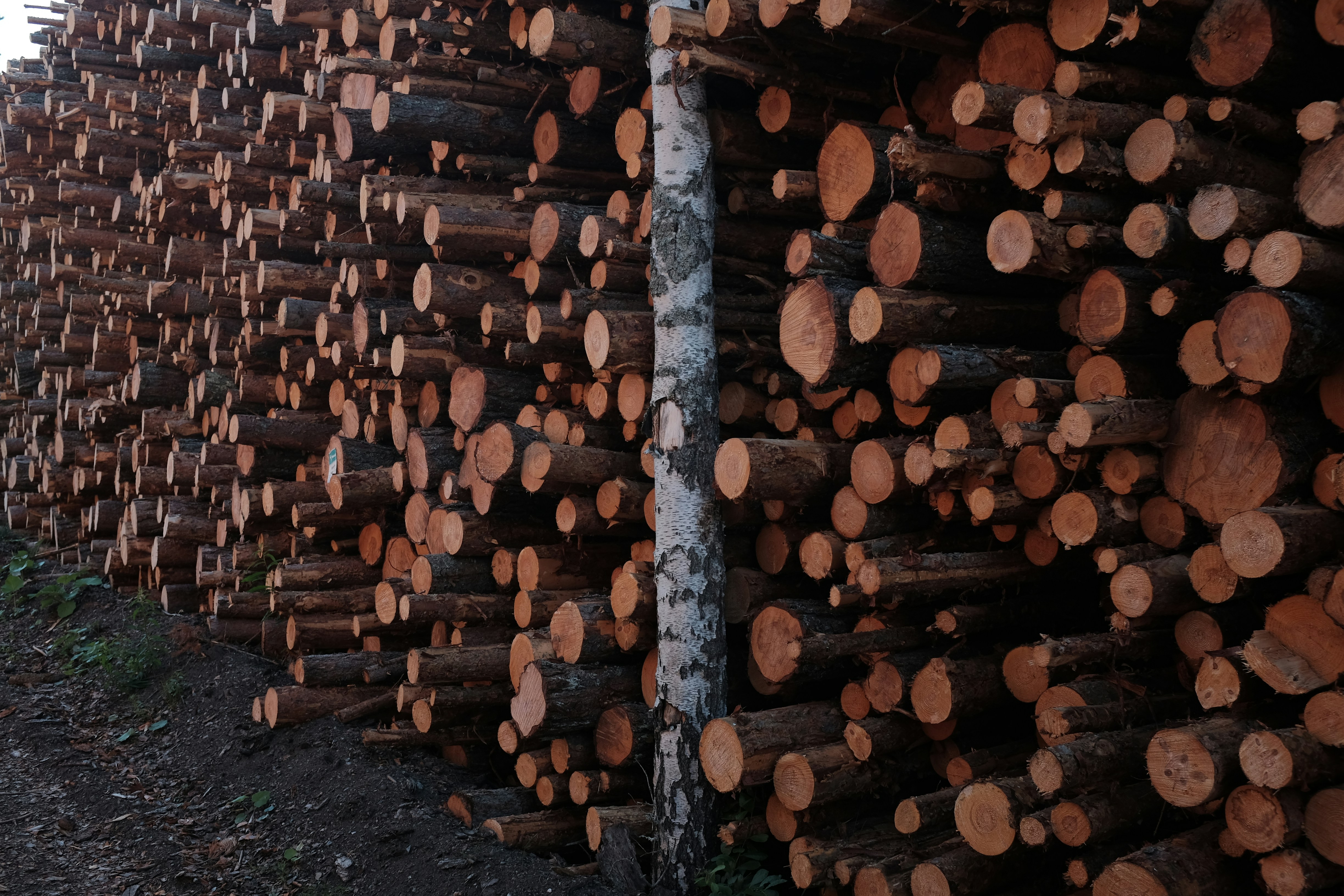
Deforestation refers to the large-scale removal of forests, primarily due to human activities like agriculture, logging, and urbanization. While it may seem like an isolated environmental issue, its cascading effects are far-reaching and manifold.
Causes of Deforestation
There are several key drivers behind deforestation:
- Agriculture: To make space for crops and livestock, vast tracts of forest are cleared.
- Logging: Both legal and illegal logging operations cut down trees for timber and paper products.
- Urbanization: Expanding cities and infrastructure projects require clearing forested land.
- Mining: Extraction of minerals and fossil fuels often necessitates the clearing of forest areas.
These activities, while driven by economic demands, lead to significant environmental consequences.
Rates of Deforestation
The rates at which forests are being destroyed are alarming. According to the Food and Agriculture Organization (FAO), around 10 million hectares of forest were lost yearly between 2015 and 2020. This rapid depletion not only affects biodiversity but also accelerates climate change.
The Carbon Sink Effect
Forests act as carbon sinks, absorbing more carbon dioxide (CO2) than they release, which helps mitigate the effects of global warming.
How Trees Absorb Carbon
Photosynthesis is the process by which trees and plants absorb CO2 from the atmosphere and convert it into oxygen and glucose. This process makes forests invaluable in regulating atmospheric CO2 levels.
Impact of Deforestation on Carbon Storage
When trees are cut down, not only is this CO2-absorbing entity removed, but the carbon stored in the trees is also released back into the atmosphere, exacerbating global warming. Here’s a quick glance:
| Activity | Effect on CO2 Absorption | Effect on Carbon Storage |
|---|---|---|
| Forest Growth | Absorbs CO2, reduces atmospheric levels | Stores large amounts of carbon |
| Deforestation | Reduces CO2 absorption capacity | Releases stored carbon as CO2 |
Understanding this dynamic highlights why stopping deforestation is crucial for climate action.
Biodiversity and Ecosystem Services
Forests are home to an incredible variety of life forms and provide essential ecosystem services that support human existence.
Loss of Habitat and Species
Deforestation leads to the destruction of habitats, threatening countless plant and animal species. Many species face extinction due to the disappearance of their natural habitats. The following table summarizes the effects:
| Species Group | Impact of Habitat Loss | Example |
|---|---|---|
| Mammals | Population decline, potential extinction | Tigers, Orangutans |
| Birds | Loss of nesting and feeding grounds | Harpy Eagles, Macaws |
| Insects | Disruption of pollination and food chains | Bees, Butterflies |
Alteration of Ecosystem Services
Ecosystem services provided by forests include water filtration, soil stabilization, and climate regulation. Deforestation undermines these services, causing problems like increased soil erosion and reduced water quality.
Climate Patterns and Weather Changes
Forests play a significant role in local and global climate patterns. Their removal can lead to drastic climatic shifts and more extreme weather events.
Local Climate Change
Forests affect local climate by maintaining humidity and temperature levels through transpiration. Their removal can lead to hotter, dryer local climates, impacting agriculture and human comfort.
Global Climate Impact
On a global scale, the reduction of forested areas contributes to climate change by increasing greenhouse gas concentrations. Moreover, changes in land use can alter weather patterns, leading to more severe and frequent natural disasters like floods, hurricanes, and droughts.

Soil Degradation and Desertification
Deforestation significantly affects soil health, leading to degradation and desertification, further compounding the issue of global warming.
Soil Erosion
Trees and plants help anchor soil, preventing erosion by wind and water. Without them, soil is more susceptible to being washed or blown away, reducing its fertility and leading to desertification.
Nutrient Loss
The process of deforestation often disrupts the nutrient-rich topsoil. The continuous cycle of growing trees and plants contributes nutrients back to the soil. Their removal leads to nutrient depletion, making the land unsuitable for future agriculture.
Water Cycles and Hydrology
Forests play a central role in maintaining the Earth’s water cycle, impacting both surface and groundwater systems.
Water Vapor and Precipitation
Through the process of transpiration, trees release water vapor into the atmosphere, contributing to cloud formation and precipitation. Deforestation disrupts these processes, leading to a drier climate and reduced rainfall, which can adversely affect agricultural productivity and freshwater availability.
Watershed Protection
Forests act as natural water filters, maintaining the quality and quantity of water in watersheds. Their removal results in increased runoff and reduced water quality, affecting both ecosystems and human populations.

Health Impacts
The repercussions of deforestation are not limited to environmental aspects; they also extend to human health.
Spread of Diseases
Many forests host a multitude of pathogens that are safely contained by their natural environment. When forests are cleared, these pathogens can more easily spread to human populations, increasing the risk of diseases such as malaria and dengue fever.
Air Quality
Deforestation and the subsequent practice of burning trees release particulate matter and greenhouse gases, which can deteriorate air quality. This has direct implications for respiratory health, increasing the incidence of diseases like asthma and bronchitis.
Economic Consequences
While deforestation often occurs for economic benefits, it paradoxically leads to long-term economic drawbacks.
Short-term Gains vs. Long-term Losses
The immediate financial gains from logging or converting forest land into agricultural use can be substantial. However, the long-term economic costs, including loss of biodiversity, ecosystem services, and increased health care costs, often outweigh these short-term benefits.
Impact on Livelihoods
Millions of people worldwide rely directly or indirectly on forests for their livelihoods. Deforestation endangers these livelihoods by depleting the resources they depend on, such as timber, non-timber forest products, and ecosystem services.

Policy and Conservation Efforts
Addressing deforestation requires coordinated policy measures and robust conservation efforts.
International Agreements
Global treaties like the Paris Agreement aim to combat climate change by promoting sustainable land management practices that can reduce deforestation. These agreements underscore the importance of international cooperation in addressing this global issue.
Local Conservation Efforts
At the local level, various conservation initiatives focus on preserving existing forests and restoring deforested areas. Community-led conservation projects, sustainable forestry practices, and reforestation programs are essential components of these efforts.
Technological Solutions
Advances in technology offer promising solutions to mitigate the impacts of deforestation.
Satellite Monitoring
Modern satellite technology allows for real-time monitoring of forest cover and deforestation rates. This enables better enforcement of anti-deforestation laws and more effective planning for conservation efforts.
Advanced Farming Techniques
Innovative agricultural practices, like agroforestry and precision farming, help reduce the need to clear forests for agriculture by making existing farmland more productive and sustainable.

Conclusion
Understanding the hidden consequences of deforestation reveals the complex, interlinked issues contributing to global warming. From carbon storage and biodiversity loss to soil degradation and economic implications, the impact of deforestation is both profound and far-reaching. Your awareness and engagement can play a vital role in combating this global issue. Remember, sustainable practices and collective action are essential steps toward preserving our planet for future generations.