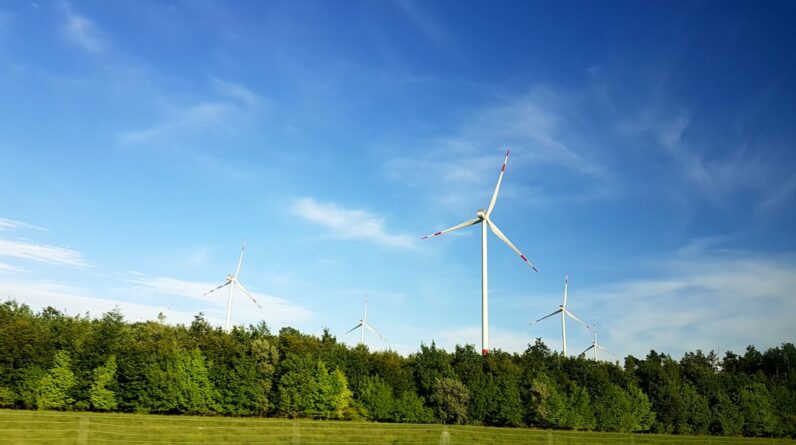
Greenhouse gases (GHGs) are a critical component of our planet’s atmosphere, playing a vital role in regulating the Earth’s temperature. These gases, which include carbon dioxide (CO2), methane (CH4), nitrous oxide (N2O), and fluorinated gases, trap heat from the sun, creating a natural greenhouse effect that keeps our planet warm enough to sustain life. However, human activities have significantly increased the concentration of these gases in the atmosphere, leading to a range of environmental challenges, most notably climate change.
Understanding the sources and impacts of greenhouse gases is essential for developing effective strategies to mitigate their effects and protect our planet. As you delve deeper into the topic of greenhouse gases, it becomes clear that their implications extend far beyond mere temperature increases. The rise in GHG concentrations is linked to extreme weather events, rising sea levels, and disruptions to ecosystems.
The urgency of addressing these emissions cannot be overstated, as they pose a threat not only to the environment but also to human health and economic stability. By exploring the various sources of greenhouse gases and their consequences, you can better appreciate the importance of taking action to reduce emissions and promote sustainability.
Key Takeaways
- Greenhouse gases trap heat in the Earth’s atmosphere, leading to global warming and climate change.
- Transportation is a major source of greenhouse gas emissions, with cars, trucks, and airplanes releasing carbon dioxide and other pollutants.
- Agriculture also contributes to greenhouse gas emissions through livestock farming, rice paddies, and fertilizer use.
- Industrial and energy production activities, including the burning of fossil fuels, are significant sources of greenhouse gas emissions.
- Deforestation and land use changes release carbon dioxide into the atmosphere, contributing to greenhouse gas levels.
Emissions from Transportation
Transportation is one of the largest contributors to greenhouse gas emissions globally. The reliance on fossil fuels for vehicles, airplanes, and ships results in significant CO2 emissions, which are released into the atmosphere as a byproduct of combustion. In urban areas, traffic congestion exacerbates this issue, leading to higher emissions per mile traveled.
As you navigate through cities or highways, you may notice the sheer number of vehicles on the road, each contributing to the growing problem of air pollution and climate change. Moreover, the transportation sector is not limited to personal vehicles; it also encompasses freight transport, which plays a crucial role in global trade. Trucks, ships, and airplanes used for transporting goods emit substantial amounts of greenhouse gases.
The demand for faster delivery times has led to an increase in air freight, which is particularly carbon-intensive compared to other modes of transport. As you consider your own travel choices and consumption habits, it becomes evident that reducing emissions from transportation requires a multifaceted approach that includes promoting public transit, encouraging carpooling, and investing in electric vehicle technology.
Agricultural Contributions to Greenhouse Gas Emissions

Agriculture is another significant source of greenhouse gas emissions, contributing to climate change through various practices and processes. Livestock production is particularly noteworthy, as ruminant animals like cows produce methane during digestion through a process called enteric fermentation. This potent greenhouse gas has a much higher warming potential than CO2 over a short time frame.
As you reflect on your dietary choices, you may recognize that reducing meat consumption or opting for sustainably sourced products can help mitigate these emissions. In addition to livestock, agricultural practices such as rice cultivation and the use of synthetic fertilizers also contribute to greenhouse gas emissions. Rice paddies create anaerobic conditions that lead to methane production, while fertilizers release nitrous oxide when applied to soils.
The challenge lies in balancing food production with environmental sustainability. As you engage with local food systems or consider your own gardening practices, you can explore methods that reduce emissions, such as crop rotation, organic farming, and improved manure management.
Industrial and Energy Production Sources
The industrial sector is a major player in greenhouse gas emissions, with manufacturing processes releasing significant amounts of CO2 and other pollutants into the atmosphere. Industries such as cement production, steel manufacturing, and chemical processing are particularly energy-intensive and rely heavily on fossil fuels. As you consider the products you use daily, it’s important to recognize the hidden emissions associated with their production.
The energy consumed in manufacturing not only contributes to GHG emissions but also affects air quality and public health. Energy production is another critical source of greenhouse gas emissions. Fossil fuel power plants that burn coal, oil, or natural gas are among the largest contributors to CO2 emissions globally.
As you think about your energy consumption at home or in your community, consider how transitioning to renewable energy sources like solar, wind, or hydroelectric power can significantly reduce your carbon footprint. Supporting policies that promote clean energy initiatives can also play a vital role in decreasing emissions from this sector.
Deforestation and Land Use Changes
Deforestation and land use changes are significant contributors to greenhouse gas emissions, primarily through the loss of carbon sinks that absorb CO2 from the atmosphere. When forests are cleared for agriculture or urban development, not only is the carbon stored in trees released back into the atmosphere, but the capacity for future carbon absorption is also diminished. As you explore natural landscapes or urban environments, consider how deforestation impacts biodiversity and climate stability.
The conversion of land for agricultural purposes often leads to further emissions through soil disturbance and the use of fertilizers. Additionally, land use changes can disrupt local ecosystems and contribute to habitat loss for countless species. By advocating for sustainable land management practices and supporting reforestation efforts, you can contribute to restoring balance in ecosystems while also addressing climate change.
Engaging with local conservation initiatives or participating in tree-planting activities can make a tangible difference in combating deforestation.
Natural Sources of Greenhouse Gases

While human activities are primarily responsible for the increase in greenhouse gas concentrations, natural sources also play a role in the global carbon cycle. For instance, wetlands release methane as organic matter decomposes anaerobically. Similarly, wildfires can emit large amounts of CO2 when vegetation burns.
As you observe natural phenomena like wildfires or seasonal changes in wetlands, it’s essential to recognize that these processes are part of a complex system that has existed long before industrialization. However, climate change can exacerbate these natural sources of emissions. For example, rising temperatures can lead to increased wildfire frequency and intensity, further contributing to CO2 emissions.
Additionally, thawing permafrost releases stored methane into the atmosphere, creating a feedback loop that accelerates warming. Understanding these natural processes helps underscore the urgency of addressing human-induced emissions while also considering how we can adapt our strategies in response to changing environmental conditions.
The Impact of Greenhouse Gas Emissions on Climate Change
The impact of greenhouse gas emissions on climate change is profound and far-reaching. As GHG concentrations rise in the atmosphere, they enhance the greenhouse effect, leading to global warming and associated climate disruptions. You may have noticed changes in weather patterns—more frequent heatwaves, intense storms, or prolonged droughts—each linked to the increasing levels of greenhouse gases.
These changes not only affect ecosystems but also have significant implications for agriculture, water resources, and human health. The consequences of climate change extend beyond environmental degradation; they also pose economic challenges. As extreme weather events become more common, communities face increased costs related to disaster response and recovery efforts.
Additionally, shifts in agricultural productivity can lead to food insecurity and rising prices. By understanding these impacts on both local and global scales, you can appreciate the importance of collective action in reducing greenhouse gas emissions and fostering resilience against climate change.
Ways to Reduce Greenhouse Gas Emissions
Reducing greenhouse gas emissions requires a concerted effort across multiple sectors and levels of society. One effective approach is transitioning to renewable energy sources such as solar or wind power. By advocating for policies that support clean energy initiatives or investing in energy-efficient technologies for your home or business, you can contribute to lowering overall emissions.
Additionally, promoting energy conservation practices—such as using public transportation or reducing electricity consumption—can have a significant impact. Another crucial strategy involves rethinking consumption patterns and supporting sustainable practices in agriculture and industry. You can make informed choices by purchasing locally sourced products or opting for those with lower carbon footprints.
Engaging with community initiatives focused on sustainability—such as urban gardening or waste reduction programs—can also foster collective action toward reducing emissions. By taking personal responsibility and encouraging others to do the same, you play an essential role in combating climate change and protecting our planet for future generations. In conclusion, understanding greenhouse gases and their sources is vital for addressing climate change effectively.
By recognizing your role in this global challenge and exploring ways to reduce emissions in your daily life, you contribute to a more sustainable future for all.
If you are interested in learning more about the impact of deforestation on greenhouse gas emissions, check out the article Stop Forest Burning: Save Trees and Animals. This article discusses the detrimental effects of forest fires on the environment and the importance of preserving our forests to combat climate change. It provides valuable insights into how protecting our forests can help reduce greenhouse gas emissions and mitigate the effects of global warming.
FAQs
What are greenhouse gases?
Greenhouse gases are gases that trap heat in the Earth’s atmosphere. The most common greenhouse gases include carbon dioxide, methane, nitrous oxide, and fluorinated gases.
How do cars contribute to greenhouse gas emissions?
Cars contribute to greenhouse gas emissions through the burning of fossil fuels, such as gasoline and diesel, which release carbon dioxide and other pollutants into the atmosphere.
How do cows contribute to greenhouse gas emissions?
Cows contribute to greenhouse gas emissions through a process called enteric fermentation, in which they produce methane as a byproduct of digestion. Additionally, the manure produced by cows also releases methane when it decomposes.
What are some other sources of greenhouse gas emissions?
Other sources of greenhouse gas emissions include industrial processes, deforestation, agriculture, and the burning of fossil fuels for electricity and heating.
How do greenhouse gases enter the atmosphere?
Greenhouse gases enter the atmosphere through natural processes, such as volcanic eruptions and the decay of organic matter, as well as human activities, such as the burning of fossil fuels, deforestation, and agricultural practices.
What are the impacts of greenhouse gas emissions on the environment?
The impacts of greenhouse gas emissions on the environment include global warming, climate change, sea level rise, extreme weather events, and disruptions to ecosystems and wildlife.