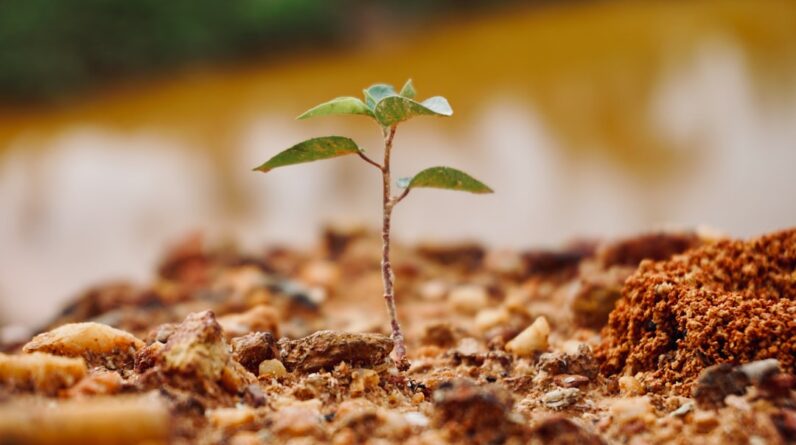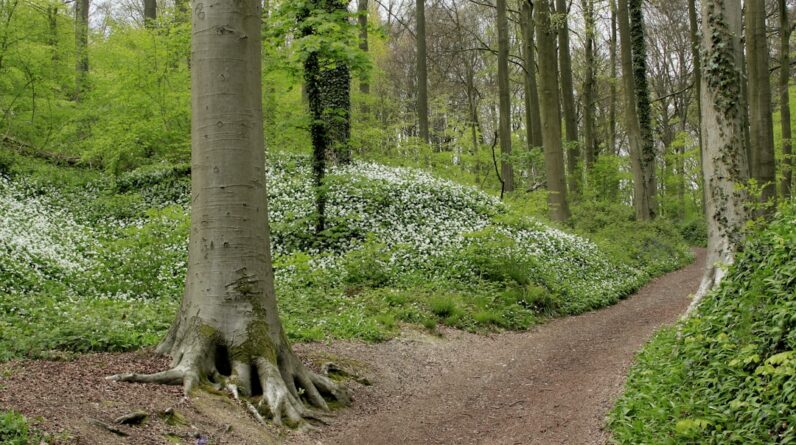
Reforestation plays a crucial role in the global effort to combat climate change, primarily through its ability to store carbon. As you may know, forests act as significant carbon sinks, absorbing carbon dioxide (CO2) from the atmosphere and storing it in biomass and soil. This natural process is essential for mitigating the effects of greenhouse gas emissions, which are a leading cause of global warming.
By restoring forests that have been degraded or deforested, you can help enhance the planet’s capacity to sequester carbon, thereby contributing to a more stable climate. Moreover, reforestation not only aids in carbon storage but also helps to restore ecosystems that have been damaged by human activity. When you engage in reforestation efforts, you are not just planting trees; you are revitalizing habitats, improving soil quality, and enhancing water cycles.
This multifaceted approach to environmental restoration underscores the importance of reforestation as a strategy for both climate mitigation and ecological recovery. By understanding the significance of reforestation in carbon storage, you can appreciate how your actions can contribute to a healthier planet.
Key Takeaways
- Reforestation plays a crucial role in carbon storage, helping to mitigate the effects of climate change by absorbing and storing carbon dioxide from the atmosphere.
- Trees are essential for carbon sequestration, as they absorb carbon dioxide during photosynthesis and store it in their biomass and in the soil, helping to reduce greenhouse gas emissions.
- Reforestation offers a viable solution to climate change by restoring degraded ecosystems, enhancing carbon sequestration, and promoting sustainable land management practices.
- Long-term reforestation efforts have the potential to significantly reduce carbon levels in the atmosphere, contributing to global efforts to combat climate change and its impacts.
- Reforestation not only benefits carbon storage but also promotes biodiversity and ecosystem health, providing habitats for wildlife and supporting ecological balance.
The Role of Trees in Carbon Sequestration
Trees are remarkable organisms that play a pivotal role in carbon sequestration. Through the process of photosynthesis, they absorb CO2 from the atmosphere and convert it into organic matter, which is stored in their trunks, branches, leaves, and roots. As you consider the life cycle of a tree, it becomes evident that these living entities are not merely passive participants in the environment; they actively engage in a complex interplay with the atmosphere.
The larger and older a tree grows, the more carbon it can store, making mature forests particularly valuable in the fight against climate change. In addition to their direct role in carbon sequestration, trees also contribute to the overall health of ecosystems. They provide habitat for countless species, support biodiversity, and help regulate local climates.
When you think about the interconnectedness of life on Earth, it becomes clear that trees are foundational to many ecological processes. By planting trees and supporting reforestation initiatives, you are not only enhancing carbon storage but also fostering a diverse array of life forms that depend on healthy forest ecosystems.
Reforestation as a Solution to Climate Change

Reforestation is increasingly recognized as a viable solution to climate change, offering a dual benefit of carbon sequestration and ecosystem restoration. As you explore this topic further, you’ll find that various studies highlight the potential of reforestation to significantly reduce atmospheric CO2 levels. By restoring forests on a large scale, you can help offset emissions from industries and transportation, making it an essential component of any comprehensive climate strategy.
Furthermore, reforestation initiatives can be tailored to meet local needs and conditions, making them adaptable solutions for different regions around the world. Whether you are involved in community projects or larger governmental efforts, the flexibility of reforestation allows for innovative approaches that can address both environmental and social challenges. By participating in or supporting these initiatives, you can play an active role in shaping a sustainable future while also contributing to global efforts to combat climate change.
The Long-Term Impact of Reforestation on Carbon Levels
The long-term impact of reforestation on carbon levels is profound and multifaceted. When you engage in reforestation efforts, you are not only addressing immediate carbon emissions but also creating a legacy of sustainability for future generations. Over time, restored forests can sequester vast amounts of carbon, significantly reducing atmospheric CO2 levels.
This long-term perspective is essential for understanding the full potential of reforestation as a climate solution. Additionally, the benefits of reforestation extend beyond carbon storage. Healthy forests contribute to improved air quality, enhanced water retention, and increased soil fertility.
As you consider these long-term impacts, it becomes clear that reforestation is not just about planting trees; it is about fostering resilient ecosystems that can adapt to changing climatic conditions. By investing in reforestation today, you are helping to ensure a healthier planet for tomorrow.
The Benefits of Reforestation for Biodiversity and Ecosystem Health
Reforestation offers numerous benefits for biodiversity and ecosystem health that go hand in hand with its role in carbon storage. When you restore forests, you create habitats for countless species of plants and animals that may have been displaced due to deforestation or habitat degradation. This restoration not only helps preserve existing biodiversity but also promotes the recovery of endangered species and the overall resilience of ecosystems.
Moreover, healthy forests play a critical role in maintaining ecosystem services such as pollination, water purification, and soil stabilization. As you reflect on these benefits, it becomes evident that reforestation is an investment in the planet’s ecological integrity. By supporting reforestation initiatives, you contribute to a more balanced and thriving environment where both human and non-human life can flourish.
Challenges and Opportunities in Reforestation Efforts

While reforestation presents significant opportunities for environmental restoration and climate mitigation, it is not without its challenges. One major hurdle is securing funding and resources for large-scale projects. As you consider this issue, it’s important to recognize that effective reforestation requires not only financial investment but also community engagement and support.
Without local buy-in and participation, even the most well-funded initiatives may struggle to achieve their goals. However, these challenges also present opportunities for innovation and collaboration. You can play a role in advocating for policies that support reforestation efforts or by participating in local initiatives that promote tree planting and forest restoration.
By harnessing the power of community involvement and leveraging technology for monitoring and management, you can help overcome obstacles and contribute to successful reforestation projects.
The Role of Indigenous and Local Communities in Reforestation
Indigenous and local communities are vital stakeholders in reforestation efforts due to their deep-rooted knowledge of local ecosystems and sustainable land management practices. When you engage with these communities, you tap into a wealth of traditional ecological knowledge that can enhance the effectiveness of reforestation initiatives. Their understanding of native species, seasonal cycles, and ecological relationships can inform planting strategies that are more likely to succeed.
Furthermore, involving indigenous and local communities in reforestation projects fosters a sense of ownership and stewardship over natural resources. As you support these communities’ participation in decision-making processes, you empower them to take an active role in restoring their environments. This collaborative approach not only enhances the success of reforestation efforts but also promotes social equity and cultural preservation.
Policy and Investment Strategies for Scaling Up Reforestation Efforts
To scale up reforestation efforts effectively, robust policy frameworks and investment strategies are essential. Governments play a crucial role in creating incentives for reforestation through subsidies, tax breaks, or grants that encourage private landowners and businesses to participate in tree planting initiatives. As you consider your own involvement in this area, advocating for policies that prioritize reforestation can amplify your impact on climate action.
Investment strategies also need to focus on long-term sustainability rather than short-term gains. By channeling funds into projects that prioritize ecological integrity and community involvement, you can help ensure that reforestation efforts yield lasting benefits for both the environment and society. As you explore these avenues for support, remember that your voice matters; advocating for policies that promote sustainable land use practices can help create a more favorable environment for large-scale reforestation initiatives.
In conclusion, reforestation is an essential strategy for addressing climate change while simultaneously enhancing biodiversity and ecosystem health. By understanding its importance in carbon storage and engaging with local communities, you can contribute meaningfully to this global effort. Through effective policy advocacy and investment strategies, we can work together to scale up reforestation efforts and create a sustainable future for generations to come.
In addition to understanding how reforestation contributes to long-term carbon storage, it is important to consider the broader impact of tree planting initiatives. A related article on preventing floods by massive tree planting highlights how trees can help mitigate the risk of flooding by absorbing excess water and stabilizing soil. This demonstrates the multifaceted benefits of reforestation efforts in addressing environmental challenges. To learn more about how you can make a difference through tree planting, visit Live Life with a Cause. It is also important to be aware of the potential drawbacks of planting trees for climate change, as discussed in the article on disadvantages of planting trees for climate change. By considering various perspectives on tree planting initiatives, we can make informed decisions to promote sustainable solutions for our planet.
FAQs
What is reforestation?
Reforestation is the process of planting trees in areas where forests have been depleted or destroyed, with the goal of restoring the ecological balance and increasing forest cover.
How does reforestation contribute to long-term carbon storage?
Reforestation contributes to long-term carbon storage by allowing trees to absorb carbon dioxide from the atmosphere during photosynthesis and store it in their biomass and in the soil. This helps to mitigate climate change by reducing the amount of carbon dioxide in the atmosphere.
What are the environmental benefits of reforestation?
Reforestation provides a range of environmental benefits, including restoring biodiversity, preventing soil erosion, improving water quality, and creating habitats for wildlife. It also helps to mitigate climate change by sequestering carbon dioxide from the atmosphere.
How does reforestation impact local communities?
Reforestation can have positive impacts on local communities by providing employment opportunities, supporting sustainable land use practices, and enhancing the availability of ecosystem services such as clean water and air. It can also contribute to the conservation of traditional knowledge and cultural practices related to forests.
What are some challenges associated with reforestation efforts?
Challenges associated with reforestation efforts include securing land tenure and rights, addressing competing land uses, ensuring the survival and growth of planted trees, and managing potential conflicts between conservation and development goals. Additionally, the long-term success of reforestation projects depends on factors such as monitoring, maintenance, and community engagement.