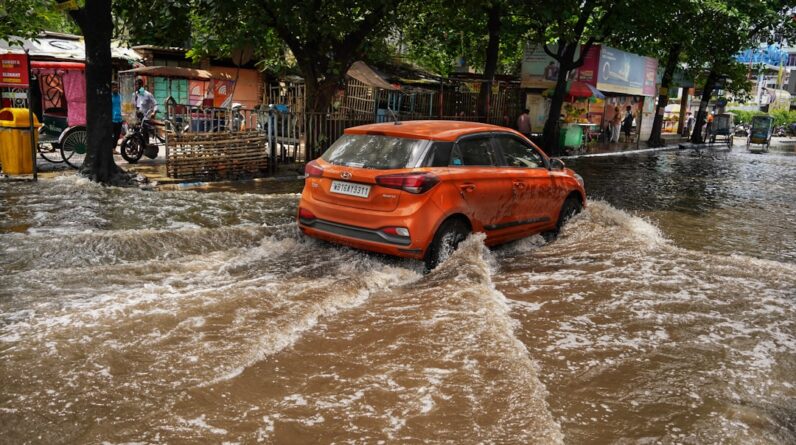
When you hear the term “100-year flood,” it may evoke images of catastrophic deluges that disrupt lives and reshape landscapes. This term refers to a flood event that has a 1% chance of occurring in any given year, which can be misleading. It suggests that such floods are rare, but in reality, climate change and urban development are altering the frequency and intensity of these events.
As you navigate through this article, you will gain a deeper understanding of what constitutes a 100-year flood, its historical context, and the implications of its increasing frequency in today’s world. Understanding the concept of a 100-year flood is crucial for grasping the broader implications of climate change and environmental shifts. While the term implies a statistical rarity, it is essential to recognize that these floods can occur more frequently than anticipated.
As you delve into the historical perspective, environmental changes, and socio-economic impacts, you will see how communities are grappling with the reality of more frequent flooding events. The urgency to adapt and mitigate these risks has never been greater, as the consequences of inaction can be devastating.
Key Takeaways
- The ‘100-Year’ flood is a statistical concept used to estimate the likelihood of a flood of a certain magnitude occurring in any given year.
- Historical data shows that the frequency of 100-Year floods is increasing, likely due to environmental changes such as climate change and urbanization.
- More frequent 100-Year floods have significant economic and social impacts, including property damage, displacement of communities, and loss of life.
- Mitigation and adaptation strategies, such as improved infrastructure and land use planning, are crucial for managing the increased frequency of 100-Year floods.
- Government policies and community resilience play a key role in addressing the challenges posed by more frequent 100-Year floods, requiring a coordinated and proactive approach.
Historical Perspective on 100-Year Floods
To appreciate the current landscape of flooding events, it is vital to look back at historical data. The concept of a 100-year flood emerged from statistical analyses of river flow data, which allowed scientists and engineers to estimate flood risks based on past occurrences. Historically, these floods were viewed as rare events, often leading to complacency in preparedness and response strategies.
However, as you will discover, this perspective is rapidly changing. In the past century, significant floods have reshaped communities and prompted changes in infrastructure and policy. For instance, the Great Mississippi Flood of 1927 was a watershed moment that led to the establishment of the U.S.
Army Corps of Engineers’ flood control measures. As you reflect on these historical events, consider how they have influenced modern flood management practices. The lessons learned from past floods are invaluable; they serve as reminders of the need for vigilance and proactive measures in the face of changing environmental conditions.
Environmental Changes and Their Impact on Flood Frequency
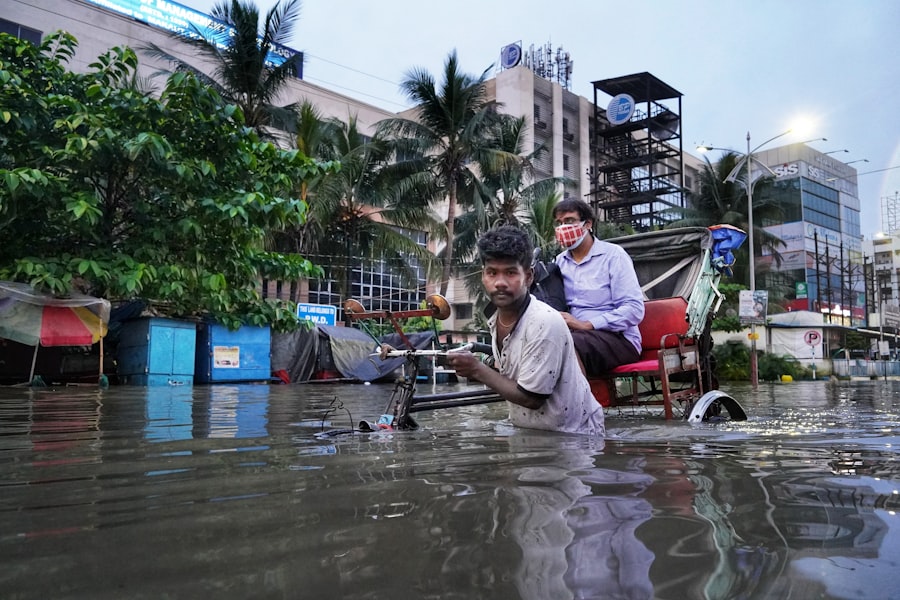
As you explore the environmental changes affecting flood frequency, it becomes clear that climate change is a significant driver. Rising global temperatures lead to increased evaporation rates and altered precipitation patterns, resulting in more intense storms and prolonged droughts. These shifts can create conditions ripe for flooding, even in areas that historically experienced minimal risk.
You may find it alarming that regions once considered safe from flooding are now facing unprecedented challenges. Urbanization also plays a critical role in exacerbating flood risks. As cities expand and natural landscapes are replaced with concrete and asphalt, the ability of the land to absorb rainfall diminishes.
This impervious surface leads to increased runoff, overwhelming drainage systems and causing flash floods. As you consider these factors, it becomes evident that both climate change and human activity are contributing to a new reality where 100-year floods may occur with alarming regularity.
The Economic and Social Impact of More Frequent 100-Year Floods
The economic ramifications of more frequent 100-year floods are profound and far-reaching. As you think about the costs associated with flooding—property damage, infrastructure repair, and loss of business—it’s clear that communities face significant financial burdens. Insurance premiums may rise as companies reassess risk levels, making it more challenging for homeowners and businesses to recover after a flood event.
You might also consider how these economic pressures disproportionately affect low-income communities, which often lack the resources to rebuild or relocate. Socially, the impact of frequent flooding extends beyond financial concerns. Displacement can lead to long-term psychological effects on individuals and families who lose their homes or livelihoods.
Communities may experience increased stress and anxiety as they grapple with uncertainty about future flooding events. As you reflect on these social dynamics, it becomes evident that addressing the consequences of flooding requires not only financial investment but also a commitment to community well-being and mental health support.
Mitigation and Adaptation Strategies for Dealing with Increased Flood Frequency
In light of the increasing frequency of 100-year floods, it is essential to explore effective mitigation and adaptation strategies. You may find it encouraging that many communities are taking proactive steps to address these challenges. For instance, investing in green infrastructure—such as rain gardens, permeable pavements, and urban forests—can enhance a city’s ability to manage stormwater effectively.
These solutions not only reduce flooding risks but also improve air quality and enhance urban aesthetics. Additionally, retrofitting existing infrastructure to withstand flooding is crucial. Elevating buildings in flood-prone areas or creating levees can help protect communities from future disasters.
As you consider these strategies, think about how collaboration among local governments, businesses, and residents can lead to innovative solutions tailored to specific community needs. The path forward requires a collective effort to prioritize resilience in the face of an uncertain future.
The Role of Government and Policy in Addressing More Frequent 100-Year Floods
Building Resilience through Stricter Regulations
Enforcing stricter building codes in flood-prone areas can help ensure that new constructions are resilient to potential flooding events.
Long-term Strategies and Funding
Some governments are beginning to incorporate climate change projections into their planning processes, recognizing the need for long-term strategies. Moreover, funding for flood management projects is essential for effective response efforts. Government agencies at all levels must prioritize investments in infrastructure improvements and disaster preparedness programs.
Public Awareness and Community Involvement
Public awareness campaigns can educate citizens about flood risks and encourage community involvement in resilience efforts. A well-informed public is better equipped to advocate for necessary changes and support initiatives aimed at reducing vulnerability.
Community Resilience and Preparedness in the Face of More Frequent 100-Year Floods
Community resilience is a critical component in addressing the challenges posed by more frequent 100-year floods. As you consider this concept, think about how fostering strong social networks can enhance a community’s ability to respond effectively during crises. Engaging residents in preparedness training and emergency response drills can empower individuals to take action when faced with flooding events.
You might also find it valuable to explore how local organizations can play a role in building resilience by providing resources and support for vulnerable populations. Additionally, community-led initiatives can drive innovative solutions tailored to local needs. For instance, neighborhood groups may come together to create flood response plans or establish communication networks to keep residents informed during emergencies.
As you reflect on these grassroots efforts, consider how they contribute to a sense of ownership and agency within communities facing increased flood risks. Building resilience is not just about infrastructure; it’s about fostering connections among people who share a commitment to protecting their homes and livelihoods.
Navigating the New Normal of More Frequent 100-Year Floods
As you conclude your exploration of the increasing frequency of 100-year floods, it becomes clear that navigating this new normal requires a multifaceted approach. From understanding historical perspectives to implementing effective mitigation strategies, every aspect plays a role in shaping our response to flooding challenges. The urgency for action has never been greater; communities must adapt to changing environmental conditions while prioritizing resilience and preparedness.
In this evolving landscape, your role as an informed citizen is crucial. By advocating for sustainable practices, supporting community initiatives, and engaging with local policymakers, you can contribute to building a more resilient future for your community. The journey ahead may be fraught with challenges, but together we can navigate the complexities of more frequent 100-year floods and work towards a safer, more sustainable world for generations to come.
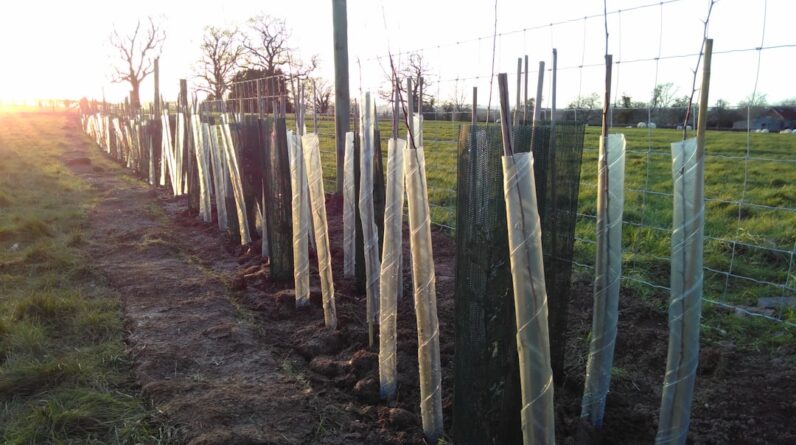
In a related article on increased tree planting, the impact of planting trees on the world’s ecosystems is explored. As we face more frequent extreme weather events like the ‘100-Year’ flood that now occurs every three years, the role of trees in mitigating these disasters becomes increasingly important. However, there are concerns about how planting trees at a large scale could potentially unbalance ecosystems and have negative consequences. It is crucial to carefully consider the environmental implications of tree planting initiatives to ensure they are truly beneficial in the long run.
FAQs
What is a “100-year” flood?
A “100-year” flood refers to a flood event that has a 1% chance of occurring in any given year, based on historical data and statistical analysis.
Why is the “100-year” flood happening more frequently now?
The increased frequency of “100-year” floods is attributed to factors such as climate change, urbanization, deforestation, and changes in land use patterns, which can alter the natural flow of water and increase the likelihood of flooding.
How often is the “100-year” flood occurring now?
The “100-year” flood is now occurring more frequently, with some areas experiencing such events every three years, instead of once every century as the name suggests.
What are the impacts of more frequent “100-year” floods?
More frequent “100-year” floods can lead to significant damage to infrastructure, homes, and businesses, as well as pose risks to human safety and public health. They can also result in economic losses and strain emergency response and recovery efforts.
What measures can be taken to mitigate the impacts of more frequent “100-year” floods?
Mitigation measures include improved land use planning, infrastructure design, floodplain management, and the implementation of nature-based solutions such as wetland restoration and green infrastructure to absorb and slow the flow of water. Additionally, addressing climate change and reducing greenhouse gas emissions can help mitigate the frequency and severity of flooding events.