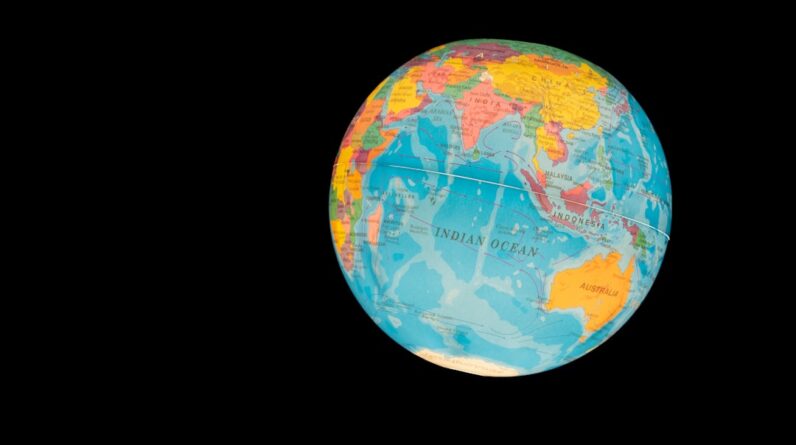
As you gaze out at the vast expanse of blue, it’s easy to forget that beneath the surface lies a world teeming with life and complexity. The oceans cover over 70% of our planet, serving as a critical component of the Earth’s ecosystem. They are home to an astonishing variety of species, from the smallest plankton to the largest whales, and they play a vital role in regulating the climate.
However, the current state of our oceans is far from pristine. Overfishing, pollution, and climate change are wreaking havoc on marine environments, leading to alarming declines in biodiversity and health. You may be surprised to learn that nearly 90% of the world’s fish stocks are either fully exploited or overfished.
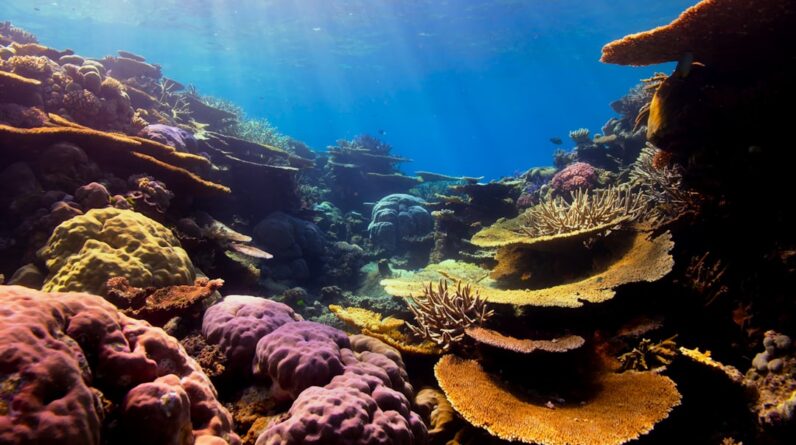
This depletion not only threatens marine life but also jeopardizes the livelihoods of millions who depend on fishing for their sustenance. Coral reefs, often referred to as the “rainforests of the sea,” are also in peril, with estimates suggesting that up to 50% of these ecosystems have been lost in the last few decades. The consequences of these changes ripple through the food chain, affecting not just marine species but also human populations that rely on healthy oceans for food security and economic stability.
Key Takeaways
- The current state of our oceans is dire, with issues such as plastic pollution, overfishing, and ocean acidification threatening marine life and ecosystems.
- Saving our oceans is crucial for the health of the planet, as they provide oxygen, regulate climate, and support a diverse range of species.
- Threats to our oceans include pollution, climate change, habitat destruction, and unsustainable fishing practices, all of which require urgent attention and action.
- Solutions and initiatives in ocean conservation include marine protected areas, sustainable fishing practices, and efforts to reduce plastic pollution and carbon emissions.
- Technology plays a key role in ocean conservation, with innovations such as underwater drones, satellite monitoring, and ocean clean-up technologies helping to address ocean threats and monitor marine ecosystems.
The Importance of Saving Our Oceans
Understanding the importance of saving our oceans is crucial for both environmental and human health. Oceans are not just a source of beauty; they are essential for life on Earth. They produce more than half of the oxygen we breathe and absorb a significant amount of carbon dioxide, helping to mitigate climate change.
When you consider that healthy oceans contribute to a stable climate, it becomes clear that their preservation is not merely an environmental issue but a global necessity. Moreover, oceans provide invaluable resources that support economies worldwide. From fisheries to tourism, the ocean economy is worth trillions of dollars.
By protecting marine ecosystems, you are not only safeguarding biodiversity but also ensuring that future generations can benefit from these resources. The health of our oceans directly impacts food security, economic opportunities, and even cultural heritage for many coastal communities. Thus, saving our oceans is an investment in a sustainable future for all.
Threats to Our Oceans
As you delve deeper into the challenges facing our oceans, it becomes evident that multiple threats are converging to create a crisis. One of the most pressing issues is plastic pollution. Millions of tons of plastic enter the oceans each year, breaking down into microplastics that are ingested by marine life.
This not only harms individual species but also poses risks to human health as these toxins make their way up the food chain. In addition to pollution, climate change is causing ocean temperatures to rise and leading to ocean acidification. Warmer waters disrupt marine ecosystems and contribute to coral bleaching, while increased acidity affects shellfish and other marine organisms that rely on calcium carbonate for their shells.
Overfishing exacerbates these problems by removing key species from the ecosystem, disrupting food webs and diminishing resilience against environmental changes. As you reflect on these threats, it becomes clear that immediate action is necessary to reverse these trends and protect our oceans.
Solutions and Initiatives in Ocean Conservation
Fortunately, there are numerous solutions and initiatives aimed at conserving our oceans that you can support or even participate in. Marine protected areas (MPAs) have emerged as a powerful tool for safeguarding critical habitats and allowing ecosystems to recover from human impact. By designating specific regions as off-limits to fishing and other harmful activities, MPAs can help restore biodiversity and promote sustainable practices.
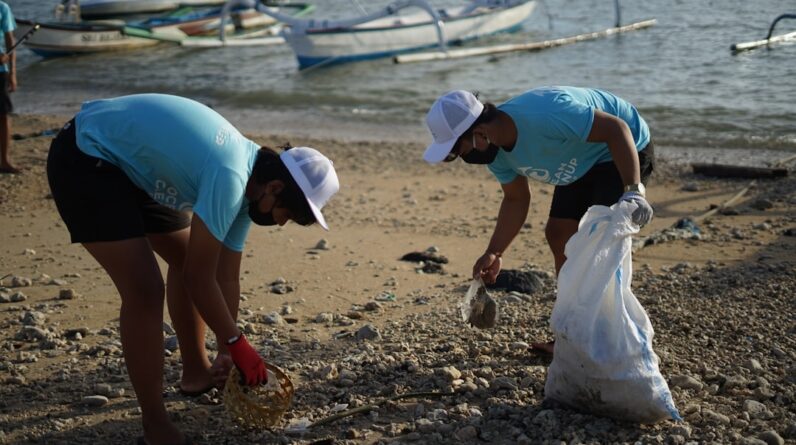
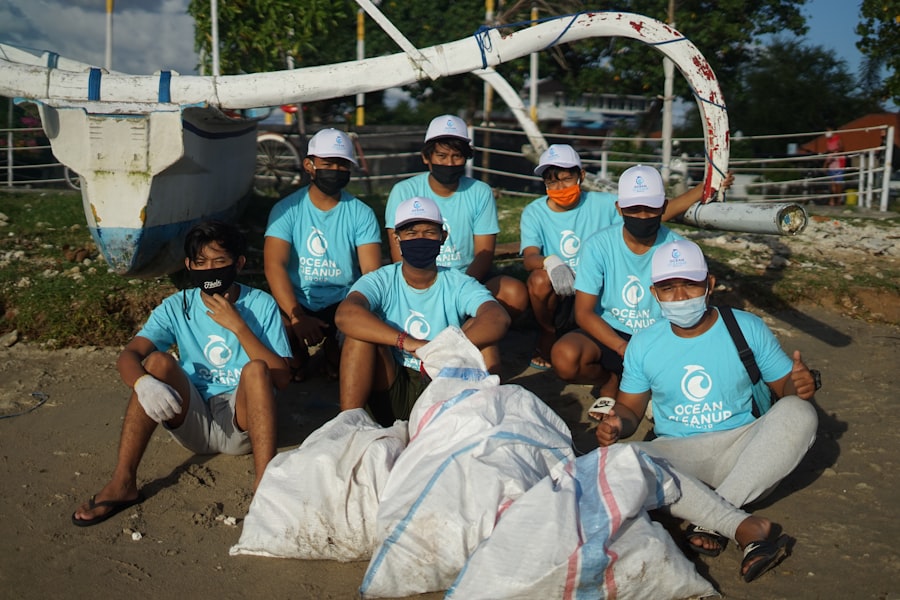
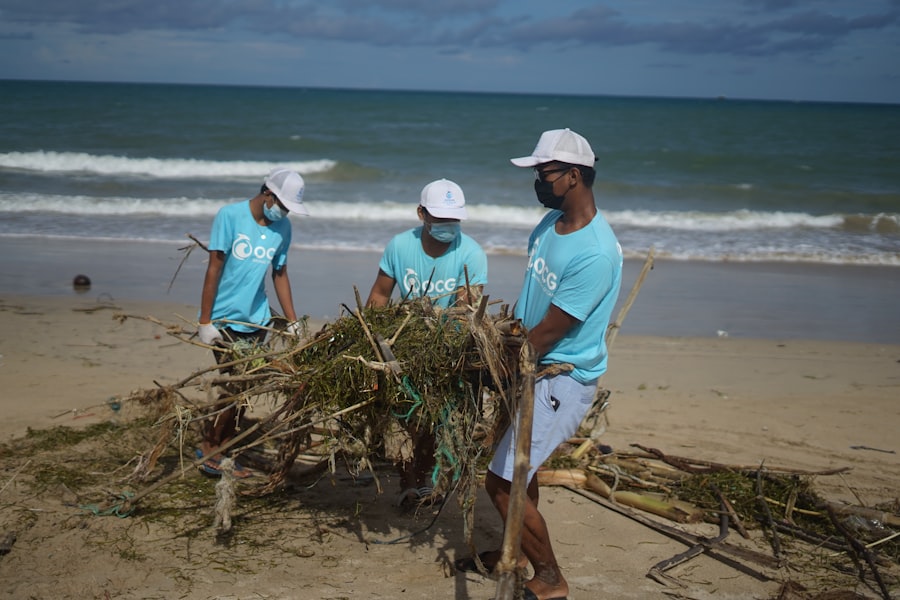
In addition to MPAs, various organizations are working tirelessly to clean up ocean pollution and raise awareness about the importance of reducing plastic use. Initiatives like beach clean-ups and educational campaigns encourage communities to take action and foster a sense of stewardship for local marine environments. You can play a role in these efforts by volunteering your time or supporting organizations dedicated to ocean conservation.
Every small action contributes to a larger movement toward healthier oceans.
The Role of Technology in Ocean Conservation
Technology plays an increasingly vital role in ocean conservation efforts, offering innovative solutions to some of the most pressing challenges facing our seas. Advanced monitoring systems, such as satellite imagery and underwater drones, allow scientists to track changes in marine ecosystems in real-time. This data is crucial for understanding the impacts of climate change and human activity on ocean health.
Moreover, technology is facilitating more sustainable fishing practices through innovations like electronic monitoring systems that ensure compliance with regulations. These tools help reduce bycatch and promote responsible fishing methods, ultimately contributing to healthier fish populations. As you consider the future of ocean conservation, it’s clear that harnessing technology can enhance our ability to protect these vital ecosystems effectively.
The Importance of Global Collaboration
The challenges facing our oceans are not confined by borders; they are global issues that require international cooperation. Countries must work together to establish agreements and policies that promote sustainable practices and protect marine biodiversity. Initiatives like the United Nations’ Sustainable Development Goal 14 aim to conserve and sustainably use the oceans, seas, and marine resources for sustainable development.
You can advocate for global collaboration by supporting policies that prioritize ocean conservation at both local and international levels. Engaging with organizations that promote cross-border initiatives can amplify your voice in the fight for healthier oceans. By fostering partnerships between governments, NGOs, and local communities, we can create a unified front against the threats facing our seas.
Individual Actions for Ocean Conservation
While global efforts are essential, individual actions also play a significant role in ocean conservation. You can make a difference by adopting sustainable practices in your daily life. Simple changes like reducing plastic use, choosing sustainable seafood options, and participating in local clean-up events can collectively have a substantial impact on ocean health.
Educating yourself and others about ocean issues is another powerful way to contribute. By sharing information with friends and family or engaging in community discussions, you can raise awareness about the importance of protecting our oceans. Every conversation counts; your voice can inspire others to take action and join the movement toward ocean conservation.
The Future of Our Oceans
As you contemplate the future of our oceans, it’s essential to remain hopeful yet vigilant. The path ahead may be fraught with challenges, but there is also immense potential for positive change. With increased awareness and action from individuals, communities, governments, and organizations worldwide, we can work toward restoring the health of our oceans.
Imagine a future where thriving marine ecosystems support diverse wildlife and provide sustainable resources for generations to come. By committing to conservation efforts today, you contribute to this vision of a healthier planet. The future of our oceans depends on collective action; together, we can ensure that these vital waters continue to sustain life on Earth for years to come.
If you’re interested in learning more about how planting trees can help combat climate change and protect the environment, check out this article on how planting trees helps the environment. Just like Blue Hope emphasizes the importance of saving our oceans, planting trees is another crucial step in preserving our planet for future generations. By understanding the interconnectedness of our ecosystems and taking action to protect them, we can make a positive impact on the health of our planet.
FAQs
What is the main message of “Blue Hope: Why It’s Not Too Late to Save Our Oceans (And How We’ll Do It)”?
The main message of “Blue Hope” is that it is not too late to save our oceans and that there are actionable steps that can be taken to protect and restore them.
What are some of the threats facing our oceans?
Some of the threats facing our oceans include overfishing, plastic pollution, climate change, ocean acidification, and habitat destruction.
What are some of the solutions proposed in “Blue Hope” for saving our oceans?
“Blue Hope” proposes solutions such as creating marine protected areas, reducing plastic pollution, sustainable fishing practices, addressing climate change, and promoting ocean conservation education and awareness.
Why is it important to save our oceans?
It is important to save our oceans because they are vital to the health of the planet and its inhabitants. Oceans provide food, regulate the climate, produce oxygen, and support a diverse array of marine life.
What can individuals do to help save our oceans?
Individuals can help save our oceans by reducing their use of single-use plastics, supporting sustainable seafood choices, participating in beach clean-ups, and supporting organizations and policies that promote ocean conservation.